
 Αποστολή
 Κοινοποίηση
 Λεπτομέρειες
 Οδηγός

 Λήψη
Λήψη
 Παρόμοια αντικείμενα συλλογής
 Παρουσίαση
 Ερωτήσεις & Απαντήσεις
 Στατιστικά
Kul-e Farah relief I


 Περισσότερα
Το έργο τέχνης που εμφανίζεται σε αυτή τη σελίδα προστατεύεται από τους νόμους περί πνευματικών δικαιωμάτων, γεγονός που σημαίνει ότι δεν μπορούμε νομικά να δημιουργήσουμε ή να πουλήσουμε μια ταυτόσημη αναπαραγωγή του. Αυτή η προστασία επιβάλλεται βάσει διεθνών συμφωνιών, όπως η Σύμβαση της Βέρνης καθώς και από τους εθνικούς νόμους, συμπεριλαμβανομένων αυτών που ορίζονται από το Νομοθεσία περί πνευματικών δικαιωμάτων των ΗΠΑ - Τίτλος 17. Όλα τα δικαιώματα κατοχυρωμένα. Απαγορεύεται η αναπαραγωγή χωρίς άδεια.
Αυτή η μέθοδος συμμορφώνεται πλήρως με τους κανονισμούς περί πνευματικών δικαιωμάτων, καθώς δεν περιλαμβάνει την αντιγραφή ή την αναπαραγωγή του προστατευόμενου έργου. Αντίθετα, πρόκειται για μια δημιουργική ερμηνεία — ένα νέο έργο που επηρεάζεται από το πρωτότυπο, χωρίς όμως να είναι πανομοιότυπο με αυτό.
Giclée / Εκτυπώσεις Τέχνης
Εκτύπωση giclée ή σε καμβά ποιότητας μουσείου με γρήγορη παραγωγή και ευέλικτες επιλογές φινιρίσματος. ( Αγορά χειροποίητου πίνακα Μετάβαση σε Ψηφιακή Αποτέλεσμα)




































Επιλέξτε από τις προκαθορισμένες διαστάσεις μας που διατηρούν τις αρχικές αναλογίες του έργου τέχνης.

Εισάγετε το πλάτος και το ύψος που επιθυμείτε, ώστε να ταιριάζουν στο κάδሮ ή στον τοίχο σας. Μια εκτύπωση μπορεί μόνο να υποστεί κοψίμό και ποτέ να μην γίνει μεγαλύτερη από την αρχική εικόνα, επομένως η επιλογή μεγέθους με διαφορετικό σχήμα συνεπάγεται απώλεια ενός μέρους της εικόνας. Σας στέλνουμε ένα ψηφιακό mockup για έγκριση πριν προχωρήσουμε σε οποιαδήποτε εκτύπωση. Η εικόνα που εμφανίζεται σε αυτή τη σελίδα δεν δείχνει την πραγματική κοπή — μόνο το mockup την παρουσιάζει.
Παγκόσμια Αποστολή () σε 2 εβδομάδες αντί για τις συνήθεις 4/5 εβδομάδες. (10 Νοέμβριος)

Δωρεάν γρήγορη διεθνής αποστολή

Κάμβας από Λινό Υψηλής Ποιότητας

Πλήρης ασφάλιση μεταφοράς

Εγγύηση επιστροφής δασμών και φόρων εισαγωγής

Εγγύηση Απόλυτης Ομοιότητας Χρωμάτων

Πολιτική Επιστροφής 100 Ημερών (Μόνο σε περίπτωση ελαττωμάτων)

Εγγύηση επιστροφής 100% των χρημάτων

Προσφορά για πολλαπλές παραγγελίες
 Η επιλογή με γυαλί είναι διαθέσιμη μόνο για μεγέθη κάτω από 110 εκ.

Kul-e Farah relief I
Giclée / Εκτυπώσεις Τέχνης
Διαστάσεις Αναπαραγωγής
-


Τελική Τιμή
€ 73
A Silent Witness to Elamite Grandeur
Perched high above the landscape, carved into a vertical niche some five and a half meters from the ground, the Kul-e Farah relief I stands as a profound testament to the enduring spirit of the Elamite highland tradition. This ancient masterpiece is not merely a carving on stone; it is a monumental dialogue between man and nature, frozen in time since approximately 500 BC. The relief serves as a vital historical link, embodying the sophisticated artistic language of an era that flourished in the ancient Near East. To gaze upon this work is to witness the intersection of political authority and artistic devotion, where every line etched into the rock face speaks of a civilization deeply rooted in its rugged, mountainous terrain.
The composition of the relief is both intricate and commanding, showcasing a scene of figures positioned with a deliberate sense of hierarchy and presence. The artistry lies in the way the carver utilized the natural contours of the rock to breathe life into the subjects, creating a sense of depth that invites the viewer to contemplate the lives of those depicted. Within the vertical niche, the relief integrates multiple elements of elite representation, drawing from much older traditions of valley carvings to assert the prestige of its creators. For the discerning collector or lover of antiquity, this piece offers a window into a world where art was used to solidify the identity of rulers and the sanctity of their lands.
The Language of Power and Inscription
Beyond its visual majesty, the Kul-e Farah relief I is a literary treasure, housing a complex narrative written in stone. The surface is adorned with twenty-four horizontal registers of an inscription that remains one of the most significant, yet enigmatic, archaeological finds of the region. This text provides a rare glimpse into the political landscape of the time, identifying the local ruler Hanni, son of Tahhi, who served as the "caretaker, protector, and ruler" of Ayapir. His role as a vassal to the Elamite king Shutur-Nahhunte highlights the intricate web of loyalty and governance that defined the period between 625 and 585 BC. The presence of nine additional epigraphs, delicately inscribed over the skirts of the carved figures, adds a layer of rhythmic detail that enhances the relief's textural complexity.
For interior designers and curators of historical reproductions, this artwork offers an unparalleled opportunity to introduce a sense of profound history and intellectual depth into a space. The interplay between the rugged texture of the stone and the precise, delicate epigraphs creates a visual tension that is both intellectually stimulating and aesthetically grounding. A high-quality reproduction of this relief does more than decorate a wall; it anchors a room with the weight of millennia, providing a conversation piece that bridges the gap between modern luxury and ancient heritage.
An Eternal Legacy in Stone
The emotional impact of the Kul-e Farah relief I stems from its sheer resilience. Despite the passage of over two thousand years, the figures and their stories remain remarkably well-preserved, offering a hauntingly beautiful connection to the Elamite civilization. The way the light plays across the carved surfaces—mimicking the natural sunlight that has illuminated this niche for centuries—creates an ever-changing aesthetic experience. It is a work that celebrates the concept of permanence in an impermanent world.
Owning or displaying a tribute to this relief allows one to participate in the preservation of human memory. Whether integrated into a contemporary gallery setting or used as a focal point in a sophisticated study, the piece evokes a sense of awe and reverence. It invites the observer to look upward, much like the original viewers did, and to find inspiration in the enduring strength of the Elamite spirit and the masterful hands that carved it into the very bones of the earth.
Ερωτήσεις και Απαντήσεις
Πώς περιγράφεται η ατμόσφαιρα του έργου "Kul-e Farah relief I" του Javier Álvarez Mon;
Το έργο "Kul-e Farah relief I" του Javier Álvarez Mon περιγράφεται ως Earthy ως προς τη διάθεσή του. Αυτή η ταξινόμηση μπορεί να βοηθήσει στον συνδυασμό του έργου με ένα κατάλληλο περιβάλλον.
Τι συναίσθημα αποπνέει το "Kul-e Farah relief I";
Το έργο "Kul-e Farah relief I" συνδέεται με μια Mysterious αίσθηση. Ο συναισθηματικός τόνος περιγράφει την εντύπωση που προσφέρει το έργο.
Πώς μπορώ να αποκτήσω ένα εκτύπωμα του "Kul-e Farah relief I" του Javier Álvarez Mon;
Μπορείτε να παραγγείλετε ένα εκτύπωμα του έργου "Kul-e Farah relief I" του Javier Álvarez Mon απευθείας από τη σελίδα Καλλιτεχνικό Έντυπο: ένα εκτύπωμα fine art σε βαμβακερό καμβά ή σε αρχειοθετητικό χαρτί καμβά.
Βιογραφικό Καλλιτέχνη
Ο Javier Álvarez-Mon είναι ένας Ισπανός αρχαιολόγος και ιστορικός, εξειδικευμένος στην αρχαία Εγγύπτου και τον Π𝙧όχθοντα Ανατολικό. Γεννήθηκε στη Μαδρίτη το 1969 και έλαβε το διδακτορικό του στην αρχαιολογία από το Πανεπιστήμιο Complutense της Μαδρίτης το 2001. Σήμερα, δραστηριοποιείται ως ερευνητής του Εθνικού Συμβουλίου Ερευνών (CSIC) και διευθυντής της ομάδας ερευνών για την ελαμιτική κουλτούρα στο Πανεπιστήμιο της Βαρκελώνης.
Εκπαίδευση και καριέρα
Η εκπαίδευση του Javier Álvarez-Mon επικεντρώθηκε στην αρχαιολογία και την ιστορία, με ιδιαίτερη έμφαση στον Πρόχθοντα Ανατολικό. Η έρευνά του έχει εστιάσει στην ελαμιτική κουλτούρα, και έχει δημοσιεύσει πολυάριθμα άρθρα και βιβλία για το θέμα, μεταξύ των οποίων το El mundo elamita (2018) και το Elam: ιστορία, τέχνη και αρχαιολογία (2021).Έρευνες και δημοσιεύσεις
Οι έρευνες του Javier Álvarez-Mon έχουν επικεντρωθεί στην ελαμιτική κουλτούρα, με αποτέλεσμα να δημοσιεύσει σημαντικά έργα. Ορισμένες από τις πιο διακυφερνόμενες δημοσιεύσεις του περιλαμβάνουν:- El mundo elamita (2018)
- Elam: ιστορία, τέχνη και αρχαιολογία (2021)
- Η ελαμιτική κουλτούρα (2015)
- Elam: μια ιστορία της περιοχής (2012)
Συνεργασίες και έργα
Ο Javier Álvarez-Mon έχει συνεργαστεί με άλλους ερευνητές και έχει συμμετάσχει σε διάφορα ερευνητικά προγράμματα. Κάποια από τα πιο σημαντικά έργα του περιλαμβάνουν:- Έργο Elamita: ένα ερευνητικό πρόγραμμα για την ελαμιτική κουλτούρα, χρηματοδοτούμενο από το Εθνικό Συμβούλιο Ερευνών (CSIC).
- Έργο ανασκαφών στο Ιράν: ένα αρχαιολογικό πρόγραμμα ανασκαφών στο Ιράν, με χρηματοδότηση από το Πανεπιστήμιο της Βαρκελώνης.
- Έργο μελέτης της ελαμιτικής κουλτούρας: ένα ερευνητικό πρόγραμμα για την ελαμιτική κουλτούρα, με χρηματοδότηση από το Πανεπιστημιακό σώμα της Βαρκελώνης.
Η σημασία του έργου του
Το έργο του Javier Álvarez-Mon είναι απαραίτητο για την κατανόηση της ελαμιτικής κουλτούρας και της σημασίας της στην ιστορία του Προχθόντα Ανατολικού. Η έρευνά του έχει συμβάλει στην βαθύτερη γνώση της περιοχής. Μερικά από τα άρθρα και τα βιβλία του μπορούν να βρεθούν στο https://OriginalUniqueArt.com, όπου μπορείτε να βρείτε περισσότερες πληροφορίες για το έργο και τις δημοσιεύσεις του. Πληροφορίες για άλλους καλλιτέχνες και ζωγράφους είναι επίσης διαθέσιμες στο Μουσείο της Real Academia de Bellas Artes de San Fernando και στο Musée de la Chasse et de la Nature.
Javier Álvarez Mon
1969 - , Ισπανία
Σχετικά άρθρα

Mastering the Woodcut: A Definitive Guide to the Art of Relief Printing and its Historical Legacy
Explore the profound history and technical mastery of woodcut relief printing. From ancient origins to German Expressionism, discover how artists use the subtractive process to create iconic works. A definitive guide for art students, collectors, and historians.
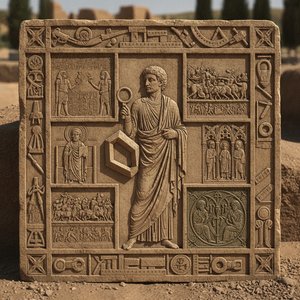
Mastering Dimension: An Art Historian's Guide to the Elegance of Sculptural Relief Art
Explore the profound beauty of sculptural relief art. From classical bas-relief to modern geometric textures, discover how depth and light transform spaces through an expert guide on art history and sophisticated curation for discerning collectors.

Sculpting with Soul: The Ultimate Guide to Mastering Bas-Relief and Plaster Artistry
Master the intricate art of plaster bas-relief with our expert guide for art students. Learn professional techniques in material selection, texture carving, and pigment integration to create soulful, dimensionally rich sculptural masterpieces.
Sculpting with Soul: An Expert Guide to the Tactile Elegance of Plaster Relief Art
Discover the captivating world of plaster relief art. Our expert guide explores the history, techniques, and curation of textured bas-relief, helping collectors bring depth, light, and soulful dimension to their modern interiors through sophisticated sculptural masterpieces.
Οι 10 πιο διάσημοι πίνακες με κυρίαρχους τους πέτρινους τόνους | OriginalUniqueArt.gr
Ανακαλύψτε τους 10 πιο διάσημους πίνακες με κυρίαρχους τους πέτρινους τόνους! Ιμπρεσιονισμός, μοντερνισμός & κλασική τέχνη. Αγοράστε αναπαραγωγές έργων τέχνης υψηλής ποιότητας για διακόσμηση σπιτιού στην OriginalUniqueArt.gr. Εξερευνήστε την πλήρη συλλογή online!