
 Προεπισκόπηση σε πραγματική κλίμακα
 Αποστολή
 Κοινοποίηση
 Λεπτομέρειες
 Οδηγός

 Λήψη
Λήψη
 Παρόμοια αντικείμενα συλλογής
 Ακτινογραφία
 Παρουσίαση
 Ερωτήσεις & Απαντήσεις
 Στατιστικά
LE MENDIANT


 Περισσότερα
Giclée / Εκτυπώσεις Τέχνης
Εκτύπωση giclée ή σε καμβά ποιότητας μουσείου με γρήγορη παραγωγή και ευέλικτες επιλογές φινιρίσματος. ( Αγορά χειροποίητου πίνακα Μετάβαση σε Ψηφιακή Αποτέλεσμα)




P118B €10

P118H €10

P118W €10

P438Z €10

P508JH €12

P508YH €12

P805H €10

P805Z €10

P919BZ €10

P919G €10

P919XJ €10

P959ZH €10

P968JZ €12

W106C €8

W218G €10

W218JH €8

W218Y €10

W307PJ €10

W316G €10

W316PJ €8

W316Y €10

W398PJ €8

W4111J €10

W500HY €15

W500JH €15

W692G €12

W849H €8

W940BG €15

W953PJ €8




Επιλέξτε από τις προκαθορισμένες διαστάσεις μας που διατηρούν τις αρχικές αναλογίες του έργου τέχνης.

Εισάγετε το πλάτος και το ύψος που επιθυμείτε, ώστε να ταιριάζουν στο κάδሮ ή στον τοίχο σας. Μια εκτύπωση μπορεί μόνο να υποστεί κοψίμό και ποτέ να μην γίνει μεγαλύτερη από την αρχική εικόνα, επομένως η επιλογή μεγέθους με διαφορετικό σχήμα συνεπάγεται απώλεια ενός μέρους της εικόνας. Σας στέλνουμε ένα ψηφιακό mockup για έγκριση πριν προχωρήσουμε σε οποιαδήποτε εκτύπωση. Η εικόνα που εμφανίζεται σε αυτή τη σελίδα δεν δείχνει την πραγματική κοπή — μόνο το mockup την παρουσιάζει.
Παγκόσμια Αποστολή () σε 2 εβδομάδες αντί για τις συνήθεις 4/5 εβδομάδες. (10 Νοέμβριος)

Δωρεάν γρήγορη διεθνής αποστολή

Κάμβας από Λινό Υψηλής Ποιότητας

Πλήρης ασφάλιση μεταφοράς

Εγγύηση επιστροφής δασμών και φόρων εισαγωγής

Εγγύηση Απόλυτης Ομοιότητας Χρωμάτων

Πολιτική Επιστροφής 100 Ημερών (Μόνο σε περίπτωση ελαττωμάτων)

Εγγύηση επιστροφής 100% των χρημάτων

Προσφορά για πολλαπλές παραγγελίες
 Η επιλογή με γυαλί είναι διαθέσιμη μόνο για μεγέθη κάτω από 110 εκ.

LE MENDIANT
Giclée / Εκτυπώσεις Τέχνης
Διαστάσεις Αναπαραγωγής
-


Τελική Τιμή
€ 73
Jan Miel’s “Le Mendiant”: A Window Into Baroque Dignity Amidst Poverty
The artwork "Le Mendiant," attributed to Jan Miel (1599 – 1663), stands as a poignant testament to the artistic spirit of the Dutch Golden Age and its engagement with broader humanist concerns. Painted circa 1630, this genre scene—a hallmark of Miel’s oeuvre during his formative years in Rome—captures a moment of quiet contemplation within a bustling tavern interior, offering viewers an arresting glimpse into both social realities and artistic sophistication.Composition and Style: Baroque Restraint Within Classical Framework
Miel's stylistic approach skillfully blends influences from Flemish masters like Anthony van Dyck with the burgeoning grandeur of Italian Baroque aesthetics. The horizontal orientation of the canvas immediately establishes a sense of stability, mirroring the formal balance characteristic of Baroque compositions. However, unlike the opulent theatricality often associated with Rome at the time, Miel employs subtle tonal gradations and muted colors—primarily grayscale—to convey an atmosphere of understated dignity. This deliberate restraint serves to heighten the emotional impact of the depicted scene: a beggar humbly requesting alms amidst a group of patrons engaged in conversation. The artist’s meticulous attention to detail—evident in the rendering of textures, particularly on the tavern table and the livestock visible in the background—underscores Miel's commitment to realism while simultaneously grounding the image within a broader artistic tradition.Detailed Examination: Technique and Materials
The painting utilizes oil paint on canvas with considerable skill. Brushstrokes are perceptible but carefully blended, creating a smooth surface that enhances the illusion of depth and luminosity despite the absence of vibrant hues. Layers of tonal variation—a technique favored by Miel—are skillfully applied to sculpt form and delineate contours, capturing the nuances of light and shadow within the tavern setting. The artist’s meticulous observation of natural forms—reflected in the depiction of the cows and sheep—demonstrates a profound understanding of classical principles of perspective and anatomical accuracy.Historical Context: Rome and Beyond – Miel's Artistic Journey
Jan Miel’s artistic development unfolded primarily in Rome during the 1630s, where he honed his craft under the patronage of Charles Emanuel II, Duke of Savoy—a connection that cemented his reputation as a court artist. This period witnessed a significant shift towards classicizing tendencies within Miel's oeuvre, mirroring the broader cultural revival occurring across Europe. The artwork’s subject matter – depicting poverty alongside social interaction – speaks to the humanist ideals prevalent during the Baroque era, reflecting an interest in portraying human experience with compassion and intellectual rigor.Symbolism: Dignity Amidst Adversity
“Le Mendiant” transcends mere visual representation; it embodies a deeper symbolic resonance. The beggar’s posture—characterized by humility and supplication—serves as a poignant reminder of the vulnerability inherent within the human condition. Simultaneously, the gathering of people around the table symbolizes communal life and social responsibility. The inclusion of livestock reinforces the artwork's connection to rural existence and underscores its engagement with themes of moral contemplation. Ultimately, Miel’s masterpiece invites viewers to consider not only the aesthetic beauty of the scene but also its profound ethical implications—a testament to the enduring power of art to illuminate both the grandeur and fragility of human experience.- Artist: Jan Miel
- Birth Year: 1599
- Death Year: 1663
- Birth City: Beveren
- Birth Country: Belgium
Additional Resources:
LE MENDIANT – Louvre site des collections 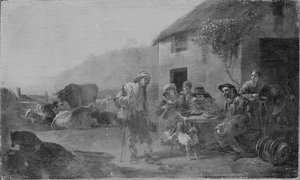
jan josef horemans the elder – Belgian painter (1682-1759) known for detailed interiors & anatomical precision.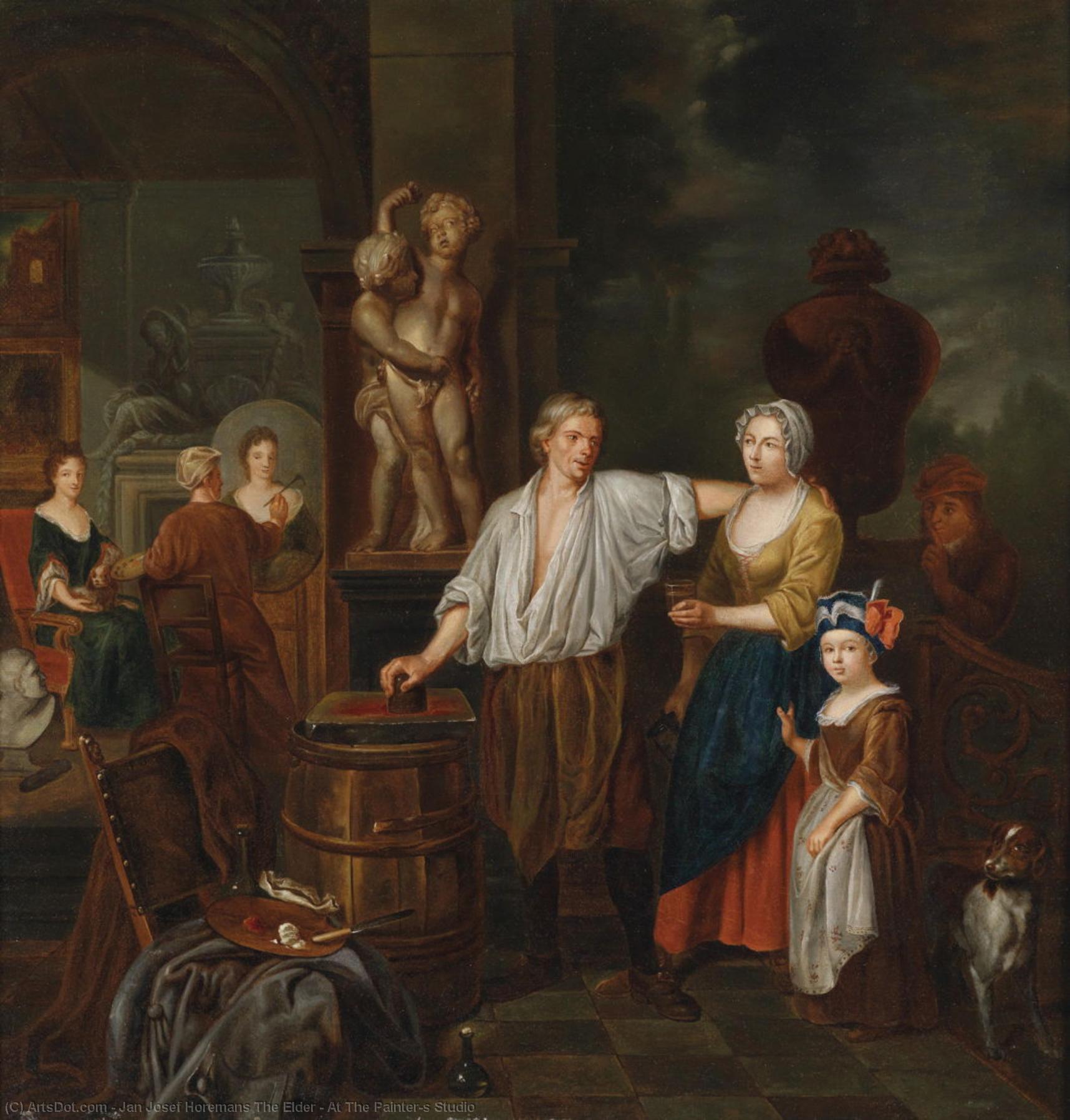
jan le ducq – Explore the captivating landscapes & animal paintings of Jan Le Ducq, a Dutch master known for his dog portraits.
Jan Miel – Cavaliere della Vita, (Anvers, 1599 - Turin, 1663) Court artist to Charles Emanuel II, Duke of Savoy.
Louvre, Paris, France – INV 1447 and MR 816 ( )
)

File:Jan Miel - The beggar.JPG – Wikimedia Commons 
Louvre Cartel – Foucart, Jacques, Catalogue des peintures flamandes et hollandaises du musée du Louvre, Gallimard / Louvre éditions, 2009, p. 182, ill. n&bCatalogue des peintures flamandes et hollandaises
Ερωτήσεις και Απαντήσεις
Πώς συνδέεται το ύφος του "LE MENDIANT" με την εποχή του δημιουργού του;
Το έργο "LE MENDIANT" του Γιαν Μιέλ ανήκει στο καλλιτεχνικό ρεύμα του Dutch Golden Age Painting, μέσα στην εποχή του Πρώιμη Νέα Εποχή του δημιουργού του.
Γιατί η κατάσταση των πνευματικών δικαιωμάτων του "LE MENDIANT" είναι αυτή που είναι;
Η κατάσταση των πνευματικών δικαιωμάτων για το "LE MENDIANT" - δημόσιο κτήμα - τα δικαιώματα αυτορության έχουν λήξει - ορίζεται από τον θάνατο του καλλιτέχνη το έτος 1663.
Τι επίπεδα κορεσμού και έντασης παρουσιάζει το "LE MENDIANT" του Γιαν Μιέλ;
Το έργο "LE MENDIANT" του Γιαν Μιέλ χαρακτηρίζεται από κορεσμό Muted και ένταση Monochromatic.
Βιογραφικό Καλλιτέχνη
Jan Miel: Γέφυρα μεταξύ Ολλανδικού Ρεαλισμού και της Μπαρτοκ της Μεγαλοπρέπειας
Ο Jan Miel (1599–1663) αναδεικνύεται ως μια κομβική προσωπικότητα στο καλλιτεχνικό τοπίο του δεκαεπτάου αιώνα, ενσαρκώνοντας τη συναρπαστική σύγκλιση της φλαμανδικής παράδοσης και της ιταλικής καινοτομίας. Γεννημένος στο Beveren της Βελγίας—αν και το Άντβερπ και το ‘s-Hertogenbosch παραμένουν υποψήφιοι για την πατρίδα του—τα πρώτα χρόνια της ζωής του ο Miel παραμένουν καλυμμένα από μια σχετική αস্পষ্টτητα, αφήνοντας ελάχιστες βιογραφικές λεπτομέρειες. Ωστόσο, αυτό που προκύπτει από τις επιστημονικές έρευνες είναι ένα αξιοσημάντευτο καλλιτεχνικό ταξίδι, σημαδεμένο από μια σταδιακή στυλιστική εξέλιξη και συνεργατικές προσπάθειες που εδραίωσαν τη θέση του στο έντονο πολιτιστικό περιβάλλον της Ρώμης και του Τουρίνου.
Τα formative χρόνια του αφι어ύθηκαν στην τέχνη, κυρίως στο Άντβερπ, όπου απορρόφησε τις επιρροές κορυφαίων φλαμανδών δασκάλων, όπως ο Anthony van Dyck. Παρόλο που το ακριβές εύρος της εκπαίδευσής του παραμένει ασαφές, αυτή αναμφισβήτητα καλλιέργησε μέσα του μια βαθιά εκτίμηση για την προσεκτική παρατήρηση και την εξελιγμένη τεχνική—ποιότητες που θα χαρακτηρίζουν το μεγαλύτερο μέρος του μετέπειτα έργου του. Αυτή η θεμελιώδης βάση στην κλασική σχεδίαση και τη ζωογραφία προσχέδιου προσχέδιου προσέφερε τα απαραίτητα εργαλεία για μια καριέρα που τελικά θα ξεπερνούσε τα τοπικά σύνορα.
Η Ρωμαϊκή Μεταμόρφωση και το Πνεύμα των Bamboccianti
Η άφιξή του στη Ρώμη γύρω στο 1636 σήμανε μια μεταμορφωτική στιγμή στην καλλιτεχνική του πορεία. Έ joined γρήγορα τους Bentvueghels, μια επιδραστική ένωση Ολλανδών και Φλαμανδών καλλιτεχνών που κατοικούσαν στην Αιώνια Πόλη. Μέσα σε αυτή την αδελφότητα, υιοθέτησε το αξέχαστο προσωνύμιο ‘bieco’, ένα παρατσούκλι που αντικατοπτρίζει το ιδιαίτερο, στραβό βλέμμα του—ένα χαρακτηριστικό που θα γίνει ταυτόσημο με την καλλιτεχνική του προσωπικότητα. Αυτή η συμμετοχή προώθησε βαθιές συνδέσεις εντός μιας ευρύτερης καλλιτεχνικής κοινότητας, η οποία επηρεαζόταν βαθιά από το στυλ των Bamboccianti του Pieter van Laert.
Αυτό το κίνημα ήταν αφιερωμένο στην απεικόνιση σκηνών καθημερινής ζωής ανάμεσα στους χαμηλούς κοινωνικούς κλάδους στη Ρώμη και τις γύρω περιοχές, αποφεύγοντας την ιδεατοποιημένη μεγαλοπρέπεια της τέχνης της Υψηλής Αναγέννησης για κάτι πολύ πιο έντονο και άμεσο. Ο Miel υιοθέτησε αυτή την τάση με αφοjęαστο ενθουσιασμό, δημιουργώντας μαγευτικές σκηνές είδους που αποτύπαναν το πνεύμα της αστικής ύπαρξης με αξιοσημείωτο ρεαλισμό και ευαισθησία. Τα έργα του περιλάμβαναν συχνά:
- Ζωντανές σκηνές δρόμου γεμάτες με ταξιδιώτες, εμπόρους και εργάτες.
- Μια μα マスターful χρήση του φωτός για την αναπαράστασή της σκόνης και της ηλιοφάνειας στους ρωμαϊκούς δρόμους.
- Τη λεπτή αλληλεπίδραση των ανθρώπινων συναισθημάτων μέσα σε πολυσύχναστες, χαοτικές σκηνές.
- Μια προσεκτική προσοχή στις υφές των υφασμάτων, του πέτρου και της γης.
Εξέλιξη προς τον Κλασικισμό και την Αυλονική Μεγαλοπρέπεια
Καθώς η καριέρα του προχώρησε, η καλλιτετική οράφη του Miel υπέστη μια σημαντική μεταμόρφωση. Παρόλο που παρέμεινε δεξιοτεχνής στις σκηνές είδους, άρχισε να απομακρύνεται από τον ωμό ρεαλισμό των Bamboccianti προς πιο κλασικιστικές ιστορικές ζωγραφιές. Αυτή η αλλαγή αντικατοπτρίζει μια ευρύτερη τάση στην ευρωπαϊκή τέχνη, όπου η ακατέργαστη ενέργεια της Μπαρόκ temperer υπήρχε ολοένα και περισσότερο από μια επιθυμία για τάξη, ευγένεια και κλασική αλληγορία.
Αυτή η εξέλιξη τελικά οδήγησε σε προκύπτουν προκύπτουν σε αξιόλογες θητείες, με πιο σημαντική την υπηρεσία του ως καλλιτέχνης της αυλής στον Charles Emanuel II, Δούκα της Σαβόια. Υπό την υπηρεσία της αυλής του Τουρίνου, το έργο του Miel απέκτησε έναν πιο επίσημο και μεγαλοπρεπή χαρακτήρα. Η οικειότητα των πρώιμων Ρωμαϊκών του σκηνών έδωσε τη θέση της σε συνθέσεις μεγαλύτερης κλίμακας και πολυπλοκότητας, σχεδιασμένες να αντικατοπτρίζουν την ισχύ και το κύρος του βασιλικού του προστάτη. Αυτή η περίοδος αντιπροσωπεύει την κορύφωση της επαγγελματικής του επίτευξης, όπου οι φλαμανδικές του ρίζες στην λεπτομέρεια συναντούσαν τις μεγαλειώδεις αφηγήσεις που απαιτούσε η ευρωπαϊκή αριστοκρατία.
Η ιστορική σημασία του Jan Miel έγκειται στην ικανότητά του να πλοηγείται σε αυτούς τους διαφόρους κόσμους. Ήταν ένας καλλιτέχνης που μπορούσε να βρει ομορφιά στις ταπεινές προσπάθειες ενός Ρωμαϊκού ορφάνου και αξιοπρέπεια στους επικούς θρύλους της αρχαιότητας. Γεφυρώνοντας το χάσμα μεταξύ του προσεκτικού ρεαλισμού του Βορρά και του δραματικού κλασικισμού του Νότου, ο Miel άφησε μια αμετάβλητη σφραγίδα στον κανόνα του δεκαεπτάου αιώνα, διασφαλίζοντας την κληρονομιά του ως ένας πραγματικός κοσμοπολίτης της εποχής της Μπαρόκ.
Γιαν Μιέλ
1599 - 1663 , Βέλγιο
Γρήγορα στοιχεία
- Artistic Movement Or Style: Bamboccianti, Κλασικισμός
- Artists Or Movements Influenced By This Artist: ['Pieter van Laer']
- Artists Who Influenced This Artist: ['Anthony van Dyck']
- Date Of Birth: 1599 Beveren Βελγία
- Date Of Death: 1663
- Full Name: Jan Miel
- Nationality: Φλαμανδός
- Notable Artworks:
- Τοπίο με μια μάχη μεταξύ δύο κριών
- Ρωμαϊκό καίλιο υδराερίων με αγρότες να παίζουν τυχερά παιχνίδια
- Place Of Birth: Beveren Βελγία
Σχετικά άρθρα

Chiaroscuro and Character: A Definitive Guide to Light and Shadow in the Dutch Baroque Era
Explore the dramatic mastery of the Dutch Baroque era. Discover how masters like Rembrandt used chiaroscuro to transform everyday life into timeless art. An expert guide for collectors and enthusiasts seeking to understand the profound interplay of light and shadow.

Οι 10 Κορυφαίοι Δασκάλοι της Ολλανδικής Μπαρόκ Τέχνης | OriginalUniqueArt.gr
Ανακαλύψτε τους 10 κορυφαίους πίνακες της Ολλανδικής Μπαρόκ – Rembrandt, Vermeer & άλλοι. Ιστορίες τέχνης, τεχνικές και έμπνευση για διακόσμηση σπιτιού. Βρείτε την ιδανική αναπαραγωγή πίνακα στο OriginalUniqueArt.gr

Giclée Prints: Archival Quality & Aesthetic Nuances for the Discerning Collector
Explore the world of giclée prints with OriginalUniqueArt. Learn about archival quality, aesthetic nuances & investment potential. Expert guidance for discerning art collectors seeking museum-quality reproductions and lasting value.

Golden Age Reflections: Dutch Baroque Painting & Cultural Innovation
Explore the Dutch Golden Age of painting! Discover key artists like Vermeer & ter Borch, their innovative techniques, and the rich cultural context behind these Baroque masterpieces. Learn about collecting & appreciating this iconic art period.
Genre Painting: A Window into Daily Life & Societal Values of the Dutch Golden Age
Explore the captivating world of Dutch Golden Age genre painting! Discover realistic depictions of daily life, masterful artists like Ostade & Metsu, and hidden symbolism. Learn about this influential art movement with OriginalUniqueArt.
