

 Προεπισκόπηση
 Αποστολή
 Κοινοποίηση
 Λεπτομέρειες
 Οδηγός

 Λήψη
Λήψη
 Παρόμοια αντικείμενα συλλογής
 Ακτινογραφία
 Παρουσίαση
 Στατιστικά
Tugai Bey

 Περισσότερα λεπτομέρεια
Χειροποίητη Αναπαραγωγή σε Έλαιο
Χειροποίητη ελαιογραφία σε καμβά στο δικό σας μέγεθος και πλαίσιο, κατά παραγγελία από τους καλλιτέχνες μας. ( Μετάβαση σε Εκτυπώσεις Μετάβαση σε Ψηφιακή Εικόνα)




































Επιλέξτε από τις προκαθορισμένες διαστάσεις μας που διατηρούν τις αρχικές αναλογίες του έργου τέχνης.

Πληκτρολογήστε το πλάτος και το ύψος που επιθυμείτε, ώστε να ταιριάζουν στο κάδሮ ή στον τοίχο σας. Ε เนื่องจาก πρόκειται για χειροποίητη ζωγραφική, σε περίπτωση διαστάσεων με διαφορετικό σχήμα, ο καλλιτέχνης μπορεί να ζωγραφίσει λίγο παραπάνω γύρω από το έργο ή να αφαιρέσει ένα μέρος — η επιλογή είναι δική σας. Σας στέλνουμε ένα ψηφιακό mockup για έγκριση πριν ξεκινήσει η δημιουργία του έργου. Η εικόνα που εμφανίζεται σε αυτή τη σελίδα δεν δείχνει το τελικό αποτέλεσμα — μόνο το mockup το αναδεικνύει.
Μετά την παραγγελία, η ομάδα του OriginalUniqueArt.com θα στείλει email στον πελάτη με οδηγίες και θα παρέχει μια προεπισκόπηση προσχεδίου
Παγκόσμια Αποστολή () σε 3-4 εβδομάδες αντί για τις συνήθεις 5 εβδομάδες. (22 Οκτώβριος). Χωρίς συμβιβασμούς στην ποιότητα.

Δωρεάν γρήγορη διεθνής αποστολή

Κάμβας από Λινό Υψηλής Ποιότητας

Πλήρης ασφάλιση μεταφοράς

Εγγύηση επιστροφής δασμών και φόρων εισαγωγής

Εγγύηση Απόλυτης Ομοιότητας Χρωμάτων

Πολιτική Επιστροφής 100 Ημερών (Μόνο σε περίπτωση ελαττωμάτων)

Εγγύηση επιστροφής 100% των χρημάτων

Έκπτωση για πολλαπλές παραγγελίες
 Η επιλογή με γυαλί είναι διαθέσιμη μόνο για μεγέθη κάτω από 110 εκ.

Tugai Bey
Τεχνική Αναπαραγωγής
Διαστάσεις Αναπαραγωγής
-


Συνολικό Κόστος
€ 263
A Glimpse into 17th-Century Conflict: "Tugai Bey" by Jan Matejko
This striking portrait, “Tugai Bey” by Polish master Jan Matejko, offers a compelling window into the complex political and military landscape of 17th-century Eastern Europe. The painting depicts Tugai Bey, a Crimean Tatar leader, a figure pivotal in the tumultuous relationship between Poland-Lithuania and the Cossack Hetmanate. Matejko’s work isn't merely a likeness; it is a carefully constructed narrative reflecting power, diplomacy, and the volatile nature of alliances during a period of intense upheaval. The subject’s commanding presence, captured with meticulous detail, invites viewers to contemplate the historical forces at play.Style & Technique: Romanticism Meets Historical Precision
Matejko was renowned for his monumental historical paintings executed in the Romanticism style. This piece exemplifies that approach. The dramatic lighting, rich color palette (dominated by deep reds, golds, and browns), and dynamic composition create a sense of immediacy and emotional intensity. Matejko’s technique is characterized by its meticulous realism; he painstakingly researched costumes, weaponry, and settings to ensure historical accuracy. The oil on panel medium allows for subtle gradations of tone and texture, bringing the subject's attire and facial features to life with remarkable clarity. Note the careful rendering of the elaborate turban and the detailed depiction of the bow and arrow – hallmarks of Matejko’s dedication to detail.Historical Context & Significance
The painting is inextricably linked to the Khmelnytsky Uprising (1648–1657), a major Cossack rebellion against Polish rule in Ukraine. Tugai Bey played a significant role, initially allied with Bohdan Khmelnytsky, leader of the uprising. Matejko’s work captures a moment of potential alliance or negotiation between these two powerful figures. The painting was created decades after these events (circa 1885), during a period in Poland when national identity and historical memory were being actively cultivated. Matejko's paintings served as visual narratives reinforcing Polish heritage and commemorating key moments in the nation’s history, often with a patriotic undertone. The depiction of Tugai Bey, while acknowledging his role in conflict, also hints at the complex intercultural interactions that shaped this era.Symbolism & Emotional Impact
Beyond its historical accuracy, "Tugai Bey" is rich in symbolism. The subject’s attire—the ornate turban, luxurious fabrics, and weaponry—signifies his status as a leader and warrior. His gaze, both intense and contemplative, suggests a shrewd intellect and strategic mind. The presence of the bow and arrow alludes to military prowess and potential conflict. The overall emotional impact is one of gravitas and restrained power. Matejko masterfully conveys a sense of tension and uncertainty, reflecting the precarious nature of alliances and the ever-present threat of war in 17th-century Eastern Europe. The painting evokes a feeling of witnessing a pivotal moment in history, prompting reflection on themes of leadership, diplomacy, and cultural exchange amidst conflict.Ερωτήσεις & Απαντήσεις
Από ποια χώρα προέρχεται το έργο του Romanticism "Tugai Bey";
Το έργο "Tugai Bey" δημιουργήθηκε από τον/την Γιάννης Ματεγκόφσκι, που γεννήθηκε στην/στη Πολωνία, στο πλαίσιο του movements Romanticism. Η καταγωγή του/της καλλιτέχνη συνδέει το έργο με το Romanticism, όπως αυτός/αυτή εφαρμόζεται από καλλιτέχνες της/του Πολωνία.
Ποια είναι η αισθητή φωτεινότητα του έργου "Tugai Bey" του Γιάννης Ματεγκόφσκι;
Ως προς την αισθητή φωτεινότητα, το έργο "Tugai Bey" του Γιάννης Ματεγκόφσκι είναι bright.
Υπάρχει διαθέσιμη λήψη για το "Tugai Bey";
Είναι διαθέσιμη λήψη για το "Tugai Bey": η σελίδα Λήψη του έργου προσφέρει το λήψη ψηφιακής εικόνας υψηλής ανάλυσης.
Βιογραφικό Καλλιτέχνη
Early Life and Education
Jan Alojzy Matejko (also known as Jan Mateyko; June 24, 1838 – November 1, 1893) was a Polish painter, a leading 19th-century exponent of history painting, known for depicting nodal events from Polish history. His most famous works include large oil on canvas paintings like *Battle of Grunwald*, paintings of numerous other battles and court scenes, and a gallery of Polish kings. He is counted among the most celebrated Polish painters. Matejko was born in the Free City of Krakow, part of the Polish territory annexed by Austria during the Partitions of Poland. His father, Franciszek Ksawery Matejko (Czech: *František Xaver Matějka*) (born 1789 or January 13, 1793, died October 26, 1860), a Czech from the village of Roudnice, was a graduate of the Hradec Králové school who later became a tutor and music teacher. He first worked for the Wodzicki family in Kościelniki, Poland, then moved to Krakow, where he married Joanna Karolina Rossberg (Rozberg), a woman of Czech and German descent. Jan was the ninth child of eleven that his parents had. He grew up in a kamienica building on Floriańska Street. After the death of his mother in 1845, Jan and his siblings were cared for by his maternal aunt, Anna Zamojska. At a young age he witnessed the Kraków revolution of 1846 and the 1848 siege of Kraków by the Austrians, events which ended the existence of the Free City of Kraków. His two older brothers served in them under General Józef Bem; one died and the other was forced into exile. He attended St. Ann's High School, which he dropped out of in 1851 because of poor grades. Despite that and because of his exceptional talent he studied at the School of Fine Arts in Kraków from 1852 to 1858. His teachers included Wojciech Korneli Stattler and Władysław Łuszczkiewicz. He selected historical painting as his specialization, and finished his first major work, *Tsars Shuyski before Zygmunt III* (*Carowie Szujscy przed Zygmuntem III*) in 1853 (",Artistic Career
Matejko’s artistic journey began with an early fascination for art and a dedication to mastering his craft. His first significant commission, *Tsars Shuyski before Zygmunt III*, solidified his reputation as a painter of monumental historical scenes. From 1855 onwards, he actively participated in exhibitions at the Kraków Society of Friends of Fine Arts, showcasing his evolving style and expanding repertoire. He quickly gained recognition for his ability to convey emotion and drama through color and composition—characteristics that would define his oeuvre. Notable works include:- Rejtan (1866): A colossal oil on canvas depicting the pivotal moment of the Polish uprising against Russian rule in 1863. Matejko meticulously researched archival documents and utilized innovative techniques to capture the dynamism and intensity of the battlefield, establishing himself as a pioneer of Romanticism.
- Union of Lublin (1869): This monumental painting portrays the signing ceremony of the Union Agreement between Poland and Lithuania in 1386, symbolizing a crucial juncture in Polish history. Matejko’s masterful brushwork and dramatic lighting contribute to an unforgettable portrayal of regal splendor and political significance.
- Battle of Grunwald (1878): Considered Matejko’s magnum opus, *Battle of Grunwald* commemorates the decisive victory of Polish forces against Teutonic Knights in 1410—a triumph that secured Poland's independence. The painting is renowned for its breathtaking scale and meticulous detail, reflecting Matejko’s unwavering commitment to historical accuracy and artistic excellence.
Museological Contributions and Legacy
Matejko’s influence extended beyond his paintings; he played a pivotal role in shaping the intellectual landscape of Kraków and fostering artistic talent. He served as director at the Jan Matejko Academy of Fine Arts, nurturing generations of artists who would carry on his legacy. Among his students were prominent figures such as Maurycy Gottlieb, Jacek Malczewski, Józef Mehoffer, and Stanisław Wyspiański—artists whose works continue to resonate with audiences worldwide. His unwavering belief in the transformative power of art and his dedication to preserving Polish cultural heritage cemented his place as a national icon.References
Jan Matejko (wikipedia.org)
Γιάννης Ματεγκόφσκι
1838 - 1893 , Πολωνία
Στοιχεία καλλιτέχνη
- Artistic Movement Or Style: Ρομαντισμός
- Artists Or Movements Influenced By This Artist: ['Maurycy Gottlieb']
- Artists Who Influenced This Artist:
- Wojciech Korneli Stattler
- Władysław Łuszczkiewicz
- Date Of Birth: 24 Ιουνίου 1838
- Date Of Death: 1 Νοεμβρίου 1893
- Full Name: Jan Alojzy Matejko
- Nationality: Πολωνός
- Notable Artworks:
- Μάχη του Γκρούνβαλντ
- Ένωση Λουμπλίν
- Place Of Birth: Κρακόβια, Πολωνία
Σχετικά άρθρα
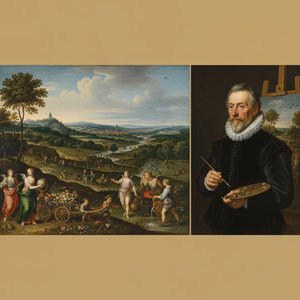
Jan Brueghel the Elder: A Master of Flemish Landscape & Allegory – Exploring Innovation & Influence
Explore the captivating world of Jan Brueghel the Elder, a Flemish Baroque master renowned for his stunning landscapes & allegorical paintings. Discover his collaborations with Rubens and lasting artistic legacy.
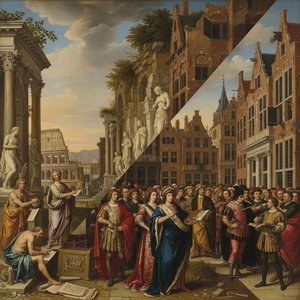
Jan Gossaert (Mabuse): Pioneering Renaissance Style & the Birth of Netherlandish Antiquity
Explore the groundbreaking art of Jan Gossaert (Mabuse), a pioneer of Renaissance painting in the Low Countries. Discover his Romanist style, stunning portraits, and influence on Northern European art history.
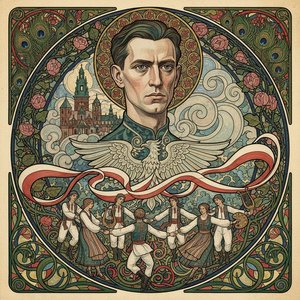
Stanisław Wyspiański: Symbolism, National Identity & the Polish Secession
Explore the life & work of Stanisław Wyspiański, a pivotal figure in Polish Symbolism and the Young Poland movement. Discover his iconic paintings, dramas, and stained glass designs reflecting national identity & artistic innovation.
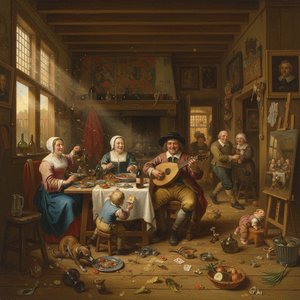
Jan Steen: A Master of Dutch Genre Painting & the Golden Age
Explore the life & art of Jan Steen, a leading Dutch Golden Age painter renowned for his humorous genre scenes & insightful social commentary. Discover his techniques, legacy, and collecting tips.
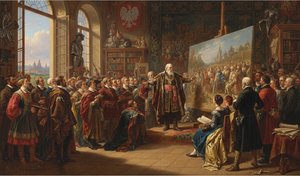
Jan Matejko: Historical Narrative & National Identity in 19th-Century Polish Painting
Explore the powerful historical paintings of Jan Matejko, Poland's national artist. Discover his iconic works & learn how he shaped Polish identity in the 19th century. High-quality reproductions available.

