

 Προεπισκόπηση
 Αποστολή
 Κοινοποίηση
 Λεπτομέρειες
 Οδηγός

 Λήψη
Λήψη
 Παρόμοια αντικείμενα συλλογής
 Ακτινογραφία
 Παρουσίαση
 Στατιστικά
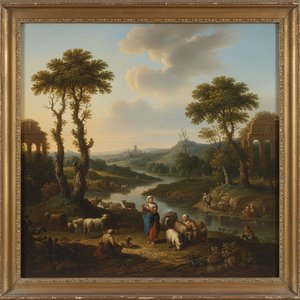
Imaginary Italian Landscape


 Περισσότερα λεπτομέρεια
Χειροποίητη Αναπαραγωγή σε Έλαιο
Χειροποίητη ελαιογραφία σε καμβά στο δικό σας μέγεθος και πλαίσιο, κατά παραγγελία από τους καλλιτέχνες μας. ( Μετάβαση σε Εκτυπώσεις Μετάβαση σε Ψηφιακή Εικόνα)




P118B $10

P118H $10

P118W $10

P438Z $10

P508JH $12

P508YH $12

P805H $10

P805Z $10

P919BZ $10

P919G $10

P919XJ $10

P959ZH $10

P968JZ $12

W106C $8

W218G $10

W218JH $8

W218Y $10

W307PJ $10

W316G $10

W316PJ $8

W316Y $10

W398PJ $8

W4111J $10

W500HY $15

W500JH $15

W692G $12

W849H $8

W940BG $15

W953PJ $8




Επιλέξτε από τις προκαθορισμένες διαστάσεις μας που διατηρούν τις αρχικές αναλογίες του έργου τέχνης.

Μπορείτε να ορίσετε δικές σας διαστάσεις ώστε το έργο να ταιριάζει σε ένα συγκεκριμένο πλαίσιο ή χώρο. Εάν το επιλεγμένο μέγεθος δεν συμπίπτει με τις αναλογίες της αρχικής εικόνας, θα περικοψούμε το έργο ή θα επεκτείνουμε τη ζωγραφιά με πρόσθετα χειρόγραφα στοιχεία. Ένα ψηφιακό προσχέδιο θα σας αποσταλεί για έγκριση πριν την έναρξη της παραγωγής.
Παρακαλούμε σημειώστε ότι η προεπισκόπηση στην οθόνη δεν αντικατοπτρίζει την πραγματική περικοπή ή επέκταση. Μόνο το προσχέδιο θα δείξει με ακρίβεια την τελική σύνθεση.
Παρόλο που είναι διαθέσιμα προσαρμοσμένα μεγέθη, συνιστούμε να επιλέξετε μια διάσταση από τη λίστα των προκαθορισμένων μεγεθών για τη διατήρηση των αρχικών αναλογιών.
Μετά την παραγγελία, η ομάδα του OriginalUniqueArt.com θα στείλει email στον πελάτη με οδηγίες και θα παρέχει μια προεπισκόπηση προσχεδίου
Παγκόσμια Αποστολή () σε 3-4 εβδομάδες αντί για τις συνήθεις 5 εβδομάδες. (26 Σεπτέμβριος). Χωρίς συμβιβασμούς στην ποιότητα.

Δωρεάν γρήγορη διεθνής αποστολή

Κάμβας από Λινό Υψηλής Ποιότητας

Πλήρης ασφάλιση μεταφοράς

Εγγύηση επιστροφής δασμών και φόρων εισαγωγής

Εγγύηση Απόλυτης Ομοιότητας Χρωμάτων

Πολιτική Επιστροφής 100 Ημερών (Μόνο σε περίπτωση ελαττωμάτων)

Εγγύηση επιστροφής 100% των χρημάτων

Έκπτωση για πολλαπλές παραγγελίες
 Η επιλογή με γυαλί είναι διαθέσιμη μόνο για μεγέθη κάτω από 110 εκ.

Imaginary Italian Landscape
Τεχνική Αναπαραγωγής
Διαστάσεις Αναπαραγωγής
-


Συνολικό Κόστος
$ 300
Jan Asselijn’s Imaginary Italian Landscape: A Reflection of Faith and Artistic Innovation
The year is 1652. Amsterdam thrives as a center of artistic brilliance, yet Jan Asselijn’s gaze turned south – specifically to Italy – where he embarked on a transformative journey that irrevocably shaped his artistic sensibilities and cemented his place within the pantheon of Dutch Golden Age painters.
Asselijn's work embodies the spirit of the era, capturing not merely visual beauty but also profound emotional resonance. “Imaginary Italian Landscape,” housed in private collections worldwide, exemplifies this characteristic. It’s a scene brimming with life – figures strolling along a waterfront promenade amidst statues and accompanied by dogs, all bathed in the diffused glow of an expansive sky dotted with clouds.
Style and Technique: Embracing Atmospheric Perspective
Unlike the rigid conventions of earlier Baroque landscapes, Asselijn eschewed dramatic chiaroscuro—the stark contrasts between light and dark—favoring instead a technique that prioritizes atmospheric perspective. This masterful approach skillfully renders depth and distance through subtle gradations of color and tonal variation. Notice how blues deepen into indigo as they recede into the background, creating an illusion of vastness and conveying a sense of serenity.
Historical Context: The Huguenot Diaspora and Artistic Renaissance
Asselijn’s artistic development coincided with the turbulent period of Huguenot emigration from France. Forced to flee religious persecution, his family sought refuge in Amsterdam, exposing him to an environment acutely aware of intellectual ferment and artistic revival. This backdrop fueled Asselijn's fascination with Italian landscape painting—a genre that had experienced a resurgence during the Renaissance, championed by artists like Leonardo da Vinci and Raphael.
The influence of these masters is palpable in Asselijn’s composition. The careful placement of statues – symbols of classical ideals – underscores the humanist ethos prevalent at the time. Furthermore, the inclusion of dogs—often interpreted as emblems of loyalty and companionship—adds a layer of narrative complexity to the scene.
Symbolism: Light, Tranquility, and Spiritual Reflection
Beyond its visual splendor, “Imaginary Italian Landscape” speaks volumes about Asselijn’s artistic vision. The dominant use of light – soft, diffused, reminiscent of Florentine skies – symbolizes enlightenment and spiritual contemplation. It invites the viewer to pause and appreciate the beauty of the natural world as a reflection of divine grace.
The tranquil promenade depicted suggests an idealized vision of human existence—a harmonious coexistence with nature underpinned by moral virtue. Asselijn’s ability to convey such profound emotion through meticulous observation and skillful execution distinguishes him as one of the most accomplished landscape painters of his generation.
Βιογραφικό Καλλιτέχνη
A Life Forged in Landscape: The World of Jan Asselijn
Born Jean Asselin around 1610 in Dieppe, France, Jan Asselijn’s life unfolded against the backdrop of turbulent religious times and burgeoning artistic innovation. His family, Huguenots fleeing persecution, relocated to Amsterdam in 1621—a vibrant metropolis brimming with commercial dynamism and a flourishing artistic milieu during the Dutch Golden Age. This pivotal move immersed young Jean into an environment where landscape painting was undergoing a transformative shift away from traditional representations toward scenes imbued with heightened atmospheric qualities and profound emotional resonance. Initially apprenticed under Jan Martszen the Younger, he honed his skills in battle paintings before discovering his true vocation—capturing the splendor and drama of both natural vistas and animal life. The Dutch light and expansive skies would soon become an indelible hallmark of Asselijn’s oeuvre, though a journey to Italy proved instrumental in solidifying his artistic vision.The Italianate Embrace & The Bentvueghels
Like many ambitious Northern European painters of the era, Asselijn pursued refinement in Italy sometime after 1635—a pilgrimage that profoundly shaped his aesthetic sensibilities. He wholeheartedly embraced the *Italianate* style—characterized by sun-drenched landscapes, classical ruins, and pastoral scenes infused with a romantic spirit. He joined the ranks of the *Bentvueghels*, a peculiar society comprised of Dutch and Flemish artists operating in Rome. These “Birds of a Feather” distinguished themselves through unconventional behavior, satirical nicknames, and an unwavering commitment to painting directly from observation—rejecting the constraints imposed by studio practice. Within this spirited community, Asselijn earned the moniker "Krabbetje"—meaning "little crab"—due to a congenital deformity affecting his hand, yet he persevered creatively. He absorbed the influence of artists such as Pieter van Laer (Bamboccio), whose depictions of Roman peasant life and landscapes resonated deeply with Asselijn’s evolving style. This formative period nurtured his ability to convey atmosphere, luminosity, and narrative depth within his canvases—a skill that would define his artistic legacy.Mastering Light & Symbolism: Key Works
Upon returning to Amsterdam, Asselijn possessed a refined technique and a distinctive artistic voice. His paintings are distinguished by exceptional clarity of execution and masterful manipulation of light—traits that swiftly garnered him acclaim among contemporaries. While he produced historical compositions and battle scenes, it was his landscapes and animal studies that truly cemented his reputation as an innovator. The Threatened Swan, completed around 1640, stands as Asselijn’s most celebrated masterpiece. More than merely a depiction of avian defense, this painting transcended its visual form to become a potent emblem of Dutch national resilience against external pressures—a reflection of anxieties prevalent during his time and interpreted as an allegory for Johan de Witt, a prominent Dutch statesman. Intriguingly, subsequent owners appended symbolic inscriptions to the canvas—“Holland” on one egg and “Enemy of the state” beside the menacing dog—further amplifying its political significance. Other noteworthy works include Cavalry Attack at Sunset, showcasing his initial training in battle painting with dramatic flair, and depictions of rural life like Drovers with Cattle Under an Arch of the Colosseum in Rome, which harmoniously blend Italianate landscapes with animal observations—demonstrating Asselijn’s capacity to capture both visual beauty and nuanced storytelling. The Breach of the Saint Anthony’s Dike Near Amsterdam exemplifies his talent for portraying pivotal moments of national crisis—reflecting the ever-present danger posed by water and necessitating ingenious solutions for Dutch land reclamation.Influence & Legacy: A Lasting Impression
Jan Asselijn's influence extended beyond his prolific output. He was revered by artists such as Rembrandt, who even created etchings depicting Asselijn at work—a gesture subtly acknowledging the artist’s physical impairment. Furthermore, he served as a mentor to Frederik de Moucheron—another accomplished Dutch landscape painter who championed the Italianate style and disseminated its precepts throughout Europe. Asselijn's pioneering approach to light and atmosphere profoundly impacted subsequent generations of painters—laying the groundwork for greater naturalism and emotional depth in landscape painting. His enduring works are housed in prominent museums across the globe, guaranteeing his place as a cornerstone figure within Dutch art history—a testament to his artistic brilliance and lasting contribution to the visual arts.
Γιάννης Ασελίης
1610 - 1652 , Γαλλία
Στοιχεία καλλιτέχνη
- Artistic Movement Or Style: Ιταλινική παράδοση τοπίου
- Artists Who Influenced This Artist:
- Ιεσαιας Βαν Ντε Βέλτε
- Μπαμπκότσιου
- Ρεμбранτ
- Date Of Birth: Περίπου 1610
- Date Of Death: 1652
- Full Name: Jean Asselin
- Nationality: Ολλανδός
- Notable Artworks:
- Η Απειλούμενη Σκύλος
- Επίθεση ιπποτών στο Κόκκινο Πύργο
- Προδοσία του Αγίου Αντωνίου
- Place Of Birth: Ντίπε, Γαλλία
Σχετικά άρθρα

Mastering Light & Land: An Art Historian's Guide to the Dutch Golden Age Landscape
Explore the breathtaking mastery of Dutch Golden Age landscapes. From Italianate light to atmospheric realism, discover the techniques of 17th-century masters and learn how to bring these timeless, museum-quality masterpieces into your home through expert oil reproductions.
Nicolaes Berchem: Dutch Golden Age Pastoralism & the Evolution of Landscape Painting
Explore the captivating world of Nicolaes Berchem, a leading Dutch Golden Age painter. Discover his idyllic landscapes, masterful technique & lasting influence on art history. Learn more at OriginalUniqueArt.

Golden Light & Dutch Skies: The Timeless Magic of Dutch Golden Age Landscapes
Discover the breathtaking beauty of Dutch Golden Age landscapes. Explore the mastery of light, chiaroscuro, and 17th-century realism through an expert art history lens, celebrating the enduring legacy of the Dutch Masters for discerning collectors and art lovers.

Golden Light & Dutch Skies: Bringing the Magic of Dutch Golden Age Landscapes into Your Home
Transform your home with the breathtaking light of Dutch Golden Age landscapes. Discover how hand-painted oil reproductions of masterworks like Ruisdael and Vermeer bring timeless elegance, atmosphere, and soulful texture to modern interiors. Elevate your space with museum-quality art.

Οι 10 Κορυφαίοι Δασκάλοι της Ολλανδικής Χρυσής Εποχής & τα Έργα τους | OriginalUniqueArt.gr
Ανακαλύψτε τα 10 αριστουργήματα της Ολλανδικής Χρυσής Εποχής! Rembrandt, Vermeer & άλλοι δάσκαλοι ζωντανεύουν. Ιστορία τέχνης, τεχνικές ζωγραφικής και έμπνευση για διακόσμηση σπιτιού. Explore the full collection on OriginalUniqueArt.com
