

 Προεπισκόπηση
 Αποστολή
 Κοινοποίηση
 Λεπτομέρειες
 Οδηγός

 Λήψη
Λήψη
 Παρόμοια αντικείμενα συλλογής
 Ακτινογραφία
 Παρουσίαση
 Στατιστικά
Cairo at Night

 Περισσότερα λεπτομέρεια
Αγοράστε μια ψηφιακή εικόνα υψηλής ανάλυσης και βελτιωμένης ποιότητας, πολύ ανώτερης από την προεπισκόπηση στο διαδίκτυο.
Κάθε αρχείο προετοιμάζεται σχολαστικά από τους εξειδικευμένους συνεργάτες μας, με τη χρήση προηγμένων εργαλείων και χειροκίνητου ρετουσαρίσματος υψηλής ακρίβειας. Εξασφαλίζουμε ότι κάθε εικόνα προσφέρει εξαιρετική ευκρίνεια, απόλυτη πιστότητα στο χρώμα και λεπτομερή ανάδραση των λεπτομερειών.
Το τελικό αρχείο παραδίδεται μέσω email εντός 72 ωρών, βελτιστοποιημένο για άμεση χρήση σε επαγγελματικά, εκδοτικά και έντυπα περιβάλλοντα. Πρόκειται για την ίδια ποιότητα που εμπιστεύονται κορυφαία studios σχεδιασμού, εκδότες και γκαλερί.
Ψηφιακή εικόνα
Κατεβάστε ένα αρχείο υψηλής ανάλυσης για προσωπική χρήση, εκτύπωση και δημιουργικά έργα. ( Μετάβαση σε Εκτυπώσεις Αγορά χειροποίητου πίνακα)
Περιλαμβάνεται σε κάθε αγορά ψηφιακής εικόνας
Επαγγελματική Ψηφιακή Παράδοση με Εγγύηση
Όταν επιλέγετε το OriginalUniqueArt.com, δεν αποκτάτε απλώς μια εικόνα – λαμβάνετε ένα επαγγελματικά αναβαθμισμένο ψηφιακό έργο τέχνης, δημιουργημένο με ακρίβεια και με εγγύηση ικανοποίησης. Δείτε όλα όσα περιλαμβάνονται στην παραγγελία σας, αυτόματα:

Άμεση αποστολή μέσω email
Το ψηφιακό σας αρχείο εικόνας υψηλής ανάλυσης θα σας σταλεί μέσω email εντός 72 ωρών από την παραγγελία σας — έτοιμο για άμεση χρήση.

Ψηφιακό Αρχείο με Τεχνητή Νοημοσύνη
Το έργο σας βελτιστοποιείται επαγγελματικά με τη χρήση προηγμένων εργαλείων Τεχνητής Νοημοσύνης και χειροκίνητης επεξεργασίας, εξασφαλίζοντας μέγιστη λεπτομέρεια, ευκρίνεια και ακρίβεια χρωμάτων.

Δωρεάν επανεκδόσεις مدى ζωής
Απώλησες ή διαγράψατε κατά λάθος το αρχείο σας; Μην ανησυχείτε — θα σας το ξαναστείλομε οποιαδήποτε στιγμή, δωρεάν.

Χωρίς Τελωνειακούς Φόρους - Ποτέ
Απολαύστε αμέσως τα έργα τέχνης σας χωρίς δασμούς, φόρους ή έξοδα αποστολής - οι ψηφιακές λήψεις είναι πάντα αφορεশিপτεία.

Εγγύηση Ακριβούς Χρωματισμού
Εξασφαλίζουμε ότι η ψηφιακή σας εικόνα αποτυπώνει τα αυθεντικά χρώματα όσο το δυνατόν πιστότερα, χρησιμοποιώντας επαγγελματικά εργαλεία και διαχείριση χρωμάτων.

Εγγύηση Ικανοποίησης 100 Ημερών
Εάν δεν είστε ικανοποιημένοι με την ψηφιακή σας εικόνα, θα την τροποποιήσουμε ή θα σας επιστρέψουμε το 100% εντός 100 ημερών - χωρίς κανένα ερώτημα.

100% Εγγύηση Επιστροφής Χρήματος
Δεν είστε ικανοποιημένοι; Λάβετε πλήρη επιστροφή των χρημάτων σας εντός 100 ημερών από τη λήψη του ψηφιακού σας αρχείου — χωρίς κανένα ερώτημα.

Εκπτώσεις σε μαζικές παραγγελίες
Αγοράστε 3 εικόνες, κάντε εξοικονόμηση 10% - Αγοράστε 5, κάντε εξοικονόμηση 15% - Αγοράστε 10+, κάντε εξοικονόμηση 20%. Ιδανικό για δημιουργικά έργα, γκαλερί και agencies.
A Nocturnal Vision: Exploring Ivan Fodorovich Choultsé's "Cairo at Night"
Ivan Fedorovich Choultsé’s “Cairo at Night” offers a captivating glimpse into the heart of an ancient city bathed in the ethereal glow of moonlight and starlight. This evocative painting transcends mere representation, inviting viewers to experience the quiet mystery and subtle drama of a desert settlement under the vast expanse of the night sky. The artwork's enduring appeal lies not only in its technical skill but also in its ability to evoke a sense of solitude, journey, and timelessness.
Subject & Style: Realism Meets Impressionistic Mood
The painting depicts a scene within what appears to be an arid or desert landscape, likely representing a village or settlement near Cairo. The composition is dominated by rough-hewn stone buildings, silhouetted palm trees reaching towards the dark sky, and figures clad in white garments moving purposefully toward the viewer. Choultsé’s style blends elements of realism with an impressionistic treatment. While architectural forms are clearly defined through careful use of lines and perspective, the overall effect prioritizes mood and atmosphere over precise detail. The geometric shapes – rectangular buildings, rounded palm trunks, and simplified human figures – contribute to a sense of order within the nocturnal scene. The visible brushwork and textured surfaces suggest an oil painting technique, adding depth and materiality to the image.
Technique & Historical Context: Arctic Influences and Artistic Lineage
“Cairo at Night” showcases Choultsé’s mastery of light and shadow, creating a dramatic nocturnal atmosphere. The strong contrasts highlight key elements while enveloping the scene in an overall sense of mystery. Choultsé's artistic journey was significantly shaped by his mentors, Constantin Jakovlevich Kryzhitsky, Arkhip Ivanovich Kuindzhi, and Alexander Calame. Notably, Choultsé’s travels to Spitzbergen with Kryzhitsky profoundly influenced his landscape painting style, imbuing it with a sensitivity to light and atmosphere reminiscent of Arctic scenes. While this work depicts a distinctly different locale than his arctic landscapes, the same attention to capturing atmospheric effects is evident. The early 20th-century setting reflects a period when artists were increasingly exploring realism while embracing impressionistic techniques to convey emotional depth.
Symbolism & Emotional Impact: Solitude and the Journey
Beyond its visual appeal, “Cairo at Night” carries subtle symbolic weight. The figures moving towards the viewer suggest a sense of journey or pilgrimage, perhaps representing a spiritual quest or a search for something beyond the immediate surroundings. The isolation of the settlement under the vast starry sky evokes feelings of solitude and introspection. The muted color palette and dramatic lighting contribute to an overall mood of quiet contemplation. Viewers are invited to reflect on themes of human resilience, the passage of time, and the enduring beauty of the natural world. This painting isn't just a depiction of a place; it’s an exploration of the human condition within a timeless landscape.
A Timeless Addition: Bringing "Cairo at Night" into Your Space
“Cairo at Night” is more than just a beautiful image; it’s a window into another time and place, offering a moment of quiet reflection. A hand-painted reproduction allows you to experience the artistry and emotional depth of Choultsé's work firsthand, bringing a touch of timeless elegance and captivating atmosphere to any interior space. Whether displayed in a living room, study, or bedroom, this painting is sure to spark conversation and inspire contemplation.
Βιογραφικό Καλλιτέχνη
Ο Μάستερ του Φωτός και του Αρκτικού Ρεαλισμού
Ο Ivan Fedorovich Choultsé δεσπόζει ως μια μοναδική μορφή στα αρχεία της ρωσικής ζωγραφικής τοπίου, ένας virtuoso που κατείχε την σπάνια ικανότητα να μεταφράζει τις εφήμερες ποιότητες του φωτός σε μια μόνιμη, μαγευτική πραγματικότητα. Γεννημένος στο Αγία Πετρούπολη το 1874 από οικογένεια γερμανικής καταγωγής, η πρώιμη ζωή του ακολούθησε ένα μονοπάτι μακριά από την καμβά; αρχικά επιδίωξε μια αυστηρή εκπαίδευση στην ηλεκτρομηχανική. Ωστόσο, κάτω από αυτό το τεχνικό θεμέλιο κρυβόταν ένα επίμονο, αναδυόμενο πάθος για τον φυσικό κόσμο. Αυτή η μοναδική τομή επιστημονικής ακρίβειας και καλλιτεχνικής ευαισθησίας θα αποτελούσε αργότερα το σήμα κατατεθέν του ύφους του, επιτρέποντάς του να αποτυπώσει τις ατμοσφαιρικές αποχρώσεις της γης με μια σχεδόν φωτογραφική ακρίβεια που έμοιαζε βαθιά ζωντανή.
Η πορεία της καριέρας του Choultsé άλλαξε δραματικά όταν, στην ηλικία των τριάντα, παρουσίασε τις πρώτες του μελετήσεις τοπίου στον σεβαστό Constantin Jakovlevich Kryzhitsky. Ως ένδοξος μέλος της Ρωσικής Ακαδημίας Καλών Τεχνών, ο Kryzhitsky αναγνώρισε ένα βαθύ κρυφό ταλέντο και προσκάλεσε τον νεαρό μηχανικό να επίσημα ολοκληρώσει την καλλιτεχτική του εκπαίδευση. Υπό αυτή την καθοδήγηση, ο Choultsé ξεπέρασε το αυτοδίδακτο πειραματισμό, απορροφώντας τις αρχές της ατμοσφαιρικής προοπτικής και το συναισθηματικό βάθος που υποστήριξαν δασκάλοι όπως ο Arkhip Ivanovich Kuindzhi. Έμαθε όχι απλώς να απεικονίζει σκηνικά, αλλά να αγγίζει την ίδια την ψυχή ενός τοπίου μέσα από το λεπτό παιχνίδι της σκιάς, της ομίχλης και της ακτινοβολίας.
ΕκπεδITIONS στο Υψίστατο
Η καθοριστική εποχή του έργου του Choultsé ξεκίνησε το 1910, μετά από μια μεταμορφωτική εκστρατεία στον αρκτικό αρχιπέλαγος Σπιτσμπέργκ. Ταξιδεύοντας μαζί με τον δάσκαλό του Kryzhitsky, ο Choulπsé συνάντησε την ωμή, ακατάσχετη μεγαλοπρέπεια του Βορρά, μια εμπειρία που θα εδραίωνε τη φήμη του ως πρωτοπόρος του αρκτικού ρεαλισμού. Τα ερημικά αλλά μεγαλειώδη τοπία νησιών όπως το Datskiy και το Medvezhiy έγιναν οι κύριες μuses του. Σε αυτά τα έργα, ο καλλιτέχνης πέτυχε κάτι εξαιρετικό: αποδίδεσε το τσιμπητό κρύο και την κρυστάλλινη διαύγεια των παγετώνων τοπίων με τόσο μελετημένη λεπτομέρεια, που ο θεατής μπορεί σχεδόν να νιώσει την παγωνιά του πολικού αέρα.
Η δεξιοτεχνία του εκτείνεται πολύ πέρα από τα παγωμένα άκρα της Αρκτικής. Ο Choultsé διέθετε ένα ευέλικτο μάτι που μπορούσε να βρει την ίδια ομορφιά στους ηλιολουσμένους Άλπους της Ελβετίας, το καταπράσινο περιβάλλον της γαλλικής υπαίθρου και τα καθηλωτικά νυχτερινά μυστήρια μακρινών χωρών. Η ικανότητά του να χειρίζεται το φως—είτε πρόκειται για τη ζεστή, χρυσή λάμψη ενός ηλιοβασιλέματος που αντανακλά σε έναν ήρεμο ποταμό, είτε για την αιθέρια, ασημένια φεγγαρική λάμψη που βαφτίζει μια αρχαία πόλη όπως η Κάιρο—του επέτρεψε να δημιουργήσει έργα που ήταν ταυτόχρονα γεωγραφικά συγκεκριμένα και καθολικά συναισθηματικά. Αυτή η τεχνική υπεροχή του κέρδισε τεράστια προπεμπλία, καθιστώντας τον αγαπημένο της αυτοκρατορικής αυλής και αργότερα εξασφαλίζοντας την αναγνώρισή του στα κορυφαία καλλιτεχνικά σαλόνια του Παρισιού και της Νέας Υόρκης.
Μια Κληρονομιά Λυμνικού Ρεαλισμού
Η ιστορική σημασία του Ivan Choultsé έγκειται στην ικανότητά του να γεφυρώνει το χάσμα μεταξύ αυστηρού ρεαλισμού και ποιητικού ιμπρεσιονισμού. Ενώ τα θέματά του ήταν ριζωμένα στην αισθητή πραγματικότητα του φυσικού κόσμου, η εκτέλεσή τους ήταν εμποτισμένη με ένα αίσθημα θαυμασμού που ξεπερνούσε την απλή τεκμηρίωση. Οι πίνακές του λειτουργούν ως παράθυρα σε μια χαμένη εποχή εξερεύνησης και ανακάλυψης, αγγίζοντας τοπία που μοιάζουν τόσο διαχρονικά όσο και έντονα παρόντα.
Για να αναλογιστούμε την αδιάλειπτη επίδραση του Choultsé, θα μπορούσαμε να εξετάσουμε τους ακόλουθους πυλώνες της καλλιτεχνικής του ταυτότητας:
- Τεχνική Ακρίβεια: Η ενσωμάτωση του μηχανικού του υπόβαθρου σε μια πειθαρχημένη προσέγγιση του φωτός, της σκιάς και της προοπτικής.
- Ατμοσφαιρική Δεξιοτεχνία: Μια απαράμιλλη ικανότητα στην απεικόνιση διαφορετικών καταστάσεων του φωτός, από την πιο απαλή πρωινή ομίχλη έως τη δραματική λάμψη του μεσημεριανού ήλιου.
- <Γεωγραφικό Πλάτος: Ένα ρεπερτόριο που εκτείνεται από την παγωμένη αρκτική ερημιά έως τα ζεστά, ιστορικά τοπία της Ευρώπης και της Βόρειας Αφρικής.
- <Συναισθηματική Αντήχηση: Η ικανότητα να προκαλεί μοναξιά, γαλήνη και την ακαταμάχητη δύναμη της φύσης μέσα από μια ρεαλιστική ματιά.
Σήμερα, τα έργα του Choultsé παραμένουν περιζήτητα από συλλέκτες που επιθυμούν την βαθιά γαλήνη που βρίσκεται στα τοπία του. Παραμένει ένας δάσκαλος του υψίστου, ένας καλλιτέχνης που δεν ζωγράφισε απλώς τον κόσμο όπως φαινόταν, αλλά όπως τον αισθανόταν κάτω από την μεταμορφωτική αφή του φωτός.
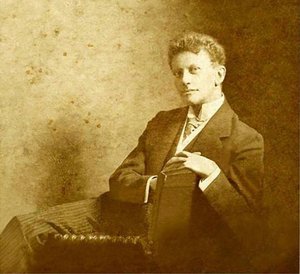
Ιβάν Φεντορόβιτς Τσόουλτσε
1875 - 1932 , Ρωσία
Συνοπτικά στοιχεία
- Artistic Movement Or Style: Ρεαλιστική Ζωγραφική Τοπίου
- Artists Or Movements Influenced By This Artist: ['Τσαρικής Ρωσίας τέχνη']
- Artists Who Influenced This Artist:
- Constantin Kryzhitsky
- Arkhip Kuindzhi
- Alexander Calame
- Date Of Birth: Saint Petersburg, Ρωσία (1875)
- Date Of Death: 1932
- Full Name: Ivan Fedorovich Choultsé
- Nationality: Ρώσος
- Notable Artworks:
- Sunset and River
- Janvier Chamonix, Haute Savoie
- Cairo at Night
- Place Of Birth: Saint Petersburg