
() ·
Ένα έργο ζωγραφικής φτιαγμένο για εσάς, με το χέρι
Χειροποίητη Αναπαραγωγή σε Έλαιο
Χειροποίητη ελαιογραφία σε καμβά στο δικό σας μέγεθος και πλαίσιο, κατά παραγγελία από τους καλλιτέχνες μας. ( Μετάβαση σε Εκτυπώσεις Μετάβαση σε Ψηφιακή Αποτέλεσμα)
Περιγραφή Συλλεκτικού Αντικειμένου
Explore Isaac Sailmaker’s ‘HMS Britannia’ – a dynamic 18th-century naval battle painting! Detailed ship scenes & dramatic action in oil on canvas. A captivating piece of maritime history.
Βιογραφικό Καλλιτέχνη
Discover Isaac Sailmaker’s maritime paintings! Dutch marine artist known for detailed ship & lighthouse scenes from 17th-century Britain, including Eddystone Lighthouse.
 Περισσότερα
από ·
Κεφάλαιο 1
Ποιο μέγεθος θα έπρεπε να έχει;
Ανακινήστε το ρυθμιστικό για να αλλάξετε το μέγεθος· η εικόνα στα αριστερά δείχνει το κάδρο στο πραγματικό του πλάτος. Οι αναλογίες του πρωτοτύπου διατηρούνται.
Επιλέξτε από τις προκαθορισμένες διαστάσεις μας που διατηρούν τις αρχικές αναλογίες του έργου τέχνης.

Πληκτρολογήστε το πλάτος και το ύψος που επιθυμείτε, ώστε να ταιριάζουν στο κάδሮ ή στον τοίχο σας. Ε เนื่องจาก πρόκειται για χειροποίητη ζωγραφική, σε περίπτωση διαστάσεων με διαφορετικό σχήμα, ο καλλιτέχνης μπορεί να ζωγραφίσει λίγο παραπάνω γύρω από το έργο ή να αφαιρέσει ένα μέρος — η επιλογή είναι δική σας. Σας στέλνουμε ένα ψηφιακό mockup για έγκριση πριν ξεκινήσει η δημιουργία του έργου. Η εικόνα που εμφανίζεται σε αυτή τη σελίδα δεν δείχνει το τελικό αποτέλεσμα — μόνο το mockup το αναδεικνύει.
Κεφάλαιο 2
Πώς θα πρέπει να παραδοθεί;
Επιλέξτε τις πλευρές του τεντωμένου καμβά
Επιλέξτε το πλαίσιο σας

Λευκό €1

Αντιστροφή με θολό φινίρισμα €1

Εκτεταμένη περιφέρεια €1

P118B €10

P118H €10

P118W €10

P438Z €10

P508JH €12

P508YH €12

P805H €10

P805Z €10

P919BZ €10

P919G €10

P919XJ €10

P959ZH €10

P968JZ €12

W106C €8

W218G €10

W218JH €8

W218Y €10

W307PJ €10

W316G €10

W316PJ €8

W316Y €10

W398PJ €8

W4111J €10

W500HY €15

W500JH €15

W692G €12

W849H €8

W940BG €15

W953PJ €8

H24-GOLD €30

H24-SILVER €30

H36-GOLD €45

H36-SILVER €45
Με πλαίσιο
Πλαισίωμα: . Συνολικές διαστάσεις με το πλαίσιο: .
Κεφάλο 3
Ποιος το ζωγραφίζει και πρέπει να αλλάξει κάτι;
Μετά την παραγγελία, η ομάδα του OriginalUniqueArt.com θα στείλει email στον πελάτη για οδηγίες και θα παρέχει μια προεπισκόπηση (mockup)
Παγκόσμια Αποστολή () σε 3-4 εβδομάδες αντί για τις συνήθεις 5 εβδομάδες. (7 Νοέμβριος). Χωρίς συμβιβασμούς στην ποιότητα.
Κεφάλαιο 4
Οι τελευταίες πινελιές
Μια πινακίδα με πληροφορίες, όπως σε ένα μουσείο;
Λεπτομέρειες Χάραξης σε Πλακέτα Χαλκού
This elegant plaque features the artist's name and the title of the artwork, finely engraved for a timeless presentation.
It is made from bronze with a refined, elegant finish. The text is precisely laser-engraved for a sharp and permanent result. Measuring 9x2 cm, the plaque is compact yet easy to read. It's built to be durable and scratch-resistant, offering a professional, museum-quality look. Mounting is simple thanks to the included adhesive backing.
Λεπτομέρειες Διαφανούς Ακρυλικής Πλακίδας
The plaque includes essential engraved details such as the artist's name, the title of the artwork, the date it was created, the type of media used-like oil on canvas or watercolor-a brief description of the piece, and a QR code that links to the complete artwork information.
It is crafted from clear acrylic, offering a sleek, modern appearance. The text is UV-engraved in black to ensure strong visual contrast. With a size of 10x15 cm, it ensures optimal readability. It comes equipped with two metal hooks for secure wall mounting. The plaque is designed to be weather-resistant, making it suitable for various environments, and it includes interactive features that work seamlessly with smartphone scanning.
Λεπτομέρειες Πλακίδας Ακρυλικού Μαύρου Χρώματος
This elegant plaque includes engraved information such as the artist's name, the title of the artwork, the date it was created, the type of media used (like oil on canvas or watercolor), a short description of the artwork, and a QR code for quick access to more information.
The plaque itself is made from refined black acrylic with a premium finish. The text is laser-engraved in white for high contrast and readability. Its size is 10x15 cm, designed to be easy to read. It comes with two metal hooks for professional mounting. The design is sleek and fits any interior style. It is also weather-resistant and durable, with built-in digital integration for mobile compatibility.
Προστατευτικό βερνίκι;
Πότε θα το χρειαστείτε;
Κεφάλαιο 5
Το έργο σας, ακριβώς όπως το παραγγείλατε

HMS 'Britannia' in Two Positions
Μέσο Αναπαραγωγής
Διαστάσεις Αναπαραγωγής
-

Κορυφαίος Καλλιτέχνης
Περισσότερη λεπτομέρεια, φινέτσα και επιπλέον χρόνος παραγωγής
-

Πλαίσιο Αναπαραγωγής
-
-
Για έργα τέχνης ή αναπαραγωγές με πλευρά υπερβαίνουσα των 105 εκ. (περίπου 41 ίντσες), το πλαίσιο θα αποσταλεί αποσυναρμολογημένο, σε μορφή κιτ. Η μέθοδος αυτή διασφαλίζει την ασφαλή παράδοση και προλαμβάνει τυχόν ζημιές κατά τη μεταφορά.
Απαιτείται επαγγελματικός συναρμολογητής - δεν πρόκειται για προϊόν αυτοσυναρμολογίας (DIY).
Το κιτ πρέπει να συναρμολογηθεί και ο καμβάς να τεντωθεί από έμπειρο επαγγελματία πλαίσιο (framer), με τη χρήση κόλλας ξύλου (δεν περιλαμβάνεται), πένσας για ένταση καμβά και σφιγκτήρων, ώστε να διατηρηθεί η ορθογωνιότητα των δοκών κατά τη διάρκεια της ξędρανσης. Η λανθασμένη συναρμολόγηση ή η ανισόρροπη ένταση του καμβά μπορεί να προκαλέσει μόνιμη ζημιά στο έργο και δεν καλύπτεται από την εγγύησή μας.
 Για έργα τέχνης ή αναπαραγωγές με πλευρά υπερβαίνουσα των 105 εκ. (περίπου 41 ίντσες), το πλαίσιο θα αποσταλεί αποσυναρμολογημένο, σε μορφή κιτ. Η μέθοδος αυτή διασφαλίζει την ασφαλή παράδοση και προλαμβάνει τυχόν ζημιές κατά τη μεταφορά.
Περιλαμβάνονται όλες οι μπάρες από μασίφ ξύλο, κομμένες με ακρίβεια στις διαστάσεις τους.
Συναρμολογείται με τις παρεχόμενες βίδες, καθώς και με κόλλα ξύλου για τις γωνιακές ενώσεις, η οποία δεν περιλαμβάνεται και θα πρέπει να προμηθευτεί από τον τεχνίτη σας.
Απαιτούνται επαγγελματικά εργαλεία που δεν περιλαμβάνονται: μια πένσα για σφίξιμο καμβά (τενωτήρας) και σφιγκτήρες για τη διατήρηση της ορθογωνιότητας των καρέ κατά τη διάρκεια της απορρόφησης της κόλλας.
Σημαντικό:
Οι γωνιακές ενώσεις απαιτούν κόλλα ξύλου, οι σπορ πρέπει να συγκρατούνται με σφιγκτήρες μέχρι να στεγνώσει πλήρως η κόλλα, και για την ένταση του καμβά στο συναρμολογημένο πλαίσιο απαιτείται μια πένσα για ένταση καμβά. Κανένα από αυτά δεν περιλαμβάνεται στο σετ. Παρακαλούμε συμβουλευτείτε έναν έμπειρο επαγγελματία κάδραρχο πριν παραγγείλετε αυτό το μέγεθος.

Πληροφορίες έργου
-
-

Βερνίκι Προστασίας
Γυαλιστερό Βερνίκι (ενισχύει τα χρώματα, προστατεύει από το φως και την υγρασία)
-

Προσαρμογή του έργου μου
Παραδείγματα αλλαγών που είναι δυνατές: Αντικατάσταση προσώπου με φωτογραφία του πελάτη· Προσθήκη κατοικίδιου (π.χ., αντικατάσταση γάτας με σκύλο)· Ενσωμάτωση κρυφού μηνύματος στο φόντο· Αλλαγή τοπίου ή στοιχείων στο φόντο.
-

Επείγουσα παραγγελία
Παγκόσμια Αποστολή () σε 3-4 εβδομάδες αντί για τις συνήθεις 5 εβδομάδες. (7 Νοέμβριος). Χωρίς συμβιβασμούς στην ποιότητα.
-
Αποστολή Express
Παγκόσμια Αποστολή () σε 5 εβδομάδες. (14 Νοέμβριος).
Συμπεριλαμβάνεται
Τελική Τιμή
€ 268
Η επιλογή με γυαλί είναι διαθέσιμη μόνο για μεγέθη κάτω από 110 εκ.
Συμπεριλαμβάνεται σε κάθε παραγγελία
- Δωρεάν γρήγορη διεθνής αποστολή
- Κάμβας από Λινό Υψηλής Ποιότητας
- Πλήρης ασφάλιση μεταφοράς
- Εγγύηση επιστροφής δασμών και φόρων εισαγωγής
- Εγγύηση Απόλυτης Ομοιότητας Χρωμάτων
- Πολιτική Επιστροφής 100 Ημερών (Μόνο σε περίπτωση ελαττωμάτων)
- Εγγύηση επιστροφής 100% των χρημάτων
- Προσφορά για πολλαπλές παραγγελίες


 Προεπισκόπηση σε πραγματική κλίμακα
 Αποστολή
 Κοινοποίηση
 Λεπτομέρειες
 Οδηγός

 Λήψη
Λήψη
 Παρόμοια αντικείμενα συλλογής
 Ακτινογραφία
 Παρουσίαση
 Ερωτήσεις & Απαντήσεις
 Στατιστικά
Με αριθμούς
- 29επιλογές καρέ
- τυπικές διαστάσεις, στις δικές τους αναλογίες
- 5εβδομάδες για τη δημιουργία και την παράδοση του
Σχετικά με το πρωτότυπο

- 96.0 x 146.0 cm


Isaac Sailmaker
1633 - 1721
Γρήγορα στοιχεία για τον/την Isaac Sailmaker
- Artistic Movement Or Style: Marine painting
- Artists Or Movements Influenced By This Artist: ['Isaac Sailmaker']
- Artists Who Influenced This Artist:
- Willem van de Velde the Elder
- Willem van de Velde the Younger
- Date Of Birth: 1633
- Date Of Death: 1721
- Full Name: Isaac Zeilmaker
- Nationality: Dutch
- Notable Artworks:
- Eddystone Lighthouse
- Shipping off Sheerness
- Place Of Birth: Scheveningen, Netherlands
Βιογραφικό Καλλιτέχνη
Isaac Sailmaker: The Father of British Sea Painting
The world of 17th and 18th-century maritime art is often dominated by the grand narratives of Dutch masters – Willem van de Velde the Elder and his son, Willem van de Velde the Younger. Yet, amidst this established order emerged a figure whose contribution was initially overshadowed, yet now increasingly recognized: Isaac Sailmaker. Born in Scheveningen, Netherlands, around 1633, Sailmaker’s life unfolded as a journey from apprenticeship to a distinguished career as a marine painter in England, earning him the title of “the father of British sea painting.” His legacy lies not just in his impressive depictions of ships and naval action, but also in his pioneering role in establishing a distinctly English style within this burgeoning genre.
Sailmaker’s early life remains somewhat shrouded in mystery. He began his artistic training as an apprentice under George Geldorp, a Flemish portraitist and art dealer who had relocated to London from the Dutch Republic. Geldorp's studio provided a foundation, but crucially, it wasn’t a traditional marine artist’s workshop. This meant Sailmaker’s initial exposure to the subject matter was likely through the lens of portraiture and broader artistic practices rather than directly immersed in the specialized techniques of depicting naval scenes. It is believed that he later worked alongside Willem van de Velde the Younger, further honing his skills within a competitive environment.
A Career Shaped by Commissions and Collaboration
Sailmaker’s career gained significant momentum through commissions from influential figures during the period of Oliver Cromwell's Lordship. Notably, he was entrusted with painting the English fleet at Fort-Mardyck in 1657 – a pivotal moment in England’s struggle against the Dutch Republic. This commission, though historically important, unfortunately resulted in the loss of all surviving paintings from this period, leaving us with only fragmented accounts and scholarly speculation about their appearance. Following Cromwell's rule, Sailmaker continued to receive commissions from other prominent figures, including Colonel John Lovett, MP, further solidifying his position within the London art market.
Despite these prestigious assignments, Sailmaker’s work remained largely unrecognized for centuries. This obscurity stemmed partly from a lack of signed paintings – a rarity in his era – and partly from the dominance of the Van de Velde family's style. His paintings were frequently attributed to other artists, particularly Willem van de Velde the Younger, until meticulous research and stylistic analysis began to reveal their unique characteristics.
A Distinctive Style: Restraint and Detail
Sailmaker’s artistic approach is immediately recognizable through a combination of technical choices and stylistic preferences. Unlike some of his contemporaries who embraced brighter palettes and dramatic compositions, Sailmaker favored a more restrained color scheme, primarily utilizing shades of grey, green, and black. This deliberate limitation created a sense of atmospheric depth and realism, particularly effective in depicting the often-dramatic conditions of the sea. His paintings are characterized by meticulous detail – from the rigging of ships to the textures of sails – reflecting a commitment to accuracy and observation.
A key element of Sailmaker’s style is his rendering of flags. He employed subtle, vertical ruffles across these emblems, adding a touch of realism and visual interest that distinguishes his work from other depictions of naval banners. Furthermore, he frequently incorporated small “gold blobs” to represent gilded details – a technique indicative of the wealth and status associated with the ships he portrayed.
Notable Works and Lasting Significance
Among Sailmaker’s surviving paintings is "Shipping off Sheerness," a captivating depiction of sailing vessels under a cloudy sky. This work, painted around 1680, exemplifies his mastery of maritime subject matter and his ability to capture the essence of naval life. Another significant piece is an engraving after his painting of the Eddystone Lighthouse (built in 1709), which was definitively attributed to Sailmaker in the 20th century based on documentary evidence. These works, along with others now housed in collections like the Yale Center for British Art, offer valuable insights into the artistic landscape of 17th and 18th-century England.
Isaac Sailmaker’s contribution to British art is often underestimated, yet he deserves recognition as a pivotal figure in establishing a distinct national style within marine painting. His dedication to realism, his restrained palette, and his meticulous attention to detail set him apart from his contemporaries and laid the groundwork for future generations of British naval artists. Today, Sailmaker’s paintings are treasured examples of maritime art, offering a glimpse into a world of seafaring adventure, political intrigue, and artistic innovation.
Σχετικά άρθρα
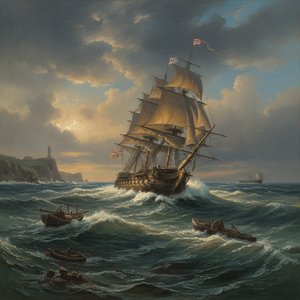
Thomas Luny (1759–1837): Maritime Mastery & the Evolution of British Marine Painting
Explore the captivating world of Thomas Luny (1759–1837), a celebrated British marine artist. Discover his dramatic naval scenes, detailed ship portraits & lasting legacy. Learn about his life, influences & artworks.

Philip James de Loutherbourg: Romantic Visions of Maritime Life & the Sublime
Explore the dramatic naval scenes & landscapes of Philip James de Loutherbourg (1740-1812), a key figure in Romantic painting. Discover his legacy, theatrical innovations & iconic works like 'The Battle of the Nile' at OriginalUniqueArt.
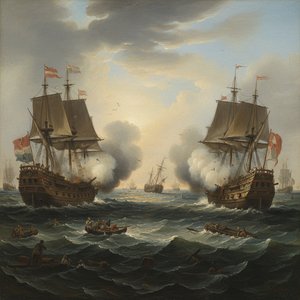
Masterpieces of Maritime Warfare: The Artistry and Intensity of Naval Combat in Historical Painting
Explore the dramatic intensity of naval combat through art history. From Romanticism to classical maritime masterpieces, discover how legendary painters captured the chaos, light, and heroism of sea battles in breathtaking oil paintings.

Willem van de Velde the Elder: Master of Maritime Painting & Chronicler of the Dutch Golden Age
Discover the captivating maritime paintings of Willem van de Velde the Elder, a master chronicler of the Dutch Golden Age. Explore his unparalleled realism and lasting influence on naval art history.