

 Προεπισκόπηση
 Αποστολή
 Κοινοποίηση
 Λεπτομέρειες

 Λήψη
Λήψη
 Παρόμοια έργα
 Ακτινογραφία
 Παρουσίαση
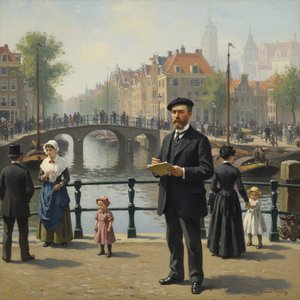
The Drummer


 Περισσότερα λεπτομέρεια
Giclée / Εκτυπώσεις Τέχνης
Εκτύπωση giclée ή σε καμβά ποιότητας μουσείου με γρήγορη παραγωγή και ευέλικτες επιλογές φινιρίσματος. ( Αγορά χειροποίητου πίνακα Αγορά εικόνας)




P118B $10

P118H $10

P118W $10

P438Z $10

P508JH $12

P508YH $12

P805H $10

P805Z $10

P919BZ $10

P919G $10

P919XJ $10

P959ZH $10

P968JZ $12

W106C $8

W218G $10

W218JH $8

W218Y $10

W307PJ $10

W316G $10

W316PJ $8

W316Y $10

W398PJ $8

W4111J $10

W500HY $15

W500JH $15

W692G $12

W849H $8

W940BG $15

W953PJ $8




Επιλέξτε από τις προκαθορισμένες διαστάσεις μας που διατηρούν τις αρχικές αναλογίες του έργου τέχνης.

Μπορείτε να εισαγάγετε δικές σας διαστάσεις ώστε να ταιριάξουν με ένα συγκεκριμένο πλαίσιο ή χώρο. Εάν το επιλεγμένο μέγεθος δεν συμπίπτει με τις αναλογίες της πρωτότυπης εικόνας, θα κόψουμε το έργο τέχνης ή θα επεκτείνουμε την εικόνα με καθρεφτισμένη ή μονόχρωμη ατέλεια. Θα σας αποσταλεί ένα ψηφιακό mockup για έγκρισή σας πριν από την έναρξη της παραγωγής.
Παρακαλούμε σημειώστε ότι η προεπισκόπηση στην οθόνη δεν αντικατοπτρίζει την πραγματική κοπή ή επέκταση. Μόνο το mockup θα δείξει με ακρίβεια την τελική σύνθεση.
Παρόλο που είναι διαθέσιμες προσαρμοσμένες διαστάσεις, προτείνουμε την επιλογή μιας διάστασης από τη προκαθορισμένη λίστα για τη διατήρηση των αρχικών αναλογιών.
Παγκόσμια Αποστολή () σε 2 εβδομάδες αντί για τις συνήθεις 4/5 εβδομάδες. (13 Αύγουστος)

Δωρεάν Παγκόσμια Αποστολή Express

Κάμβας από Λινό Υψηλής Ποιότητας

Πλήρης ασφάλιση μεταφοράς

Εγγύηση Επιστροφής Δασμών και Φόρων

Εγγύηση Απόλυτης Ομοιότητας Χρωμάτων

Πολιτική Επιστροφής 60 Ημερών (Μόνο σε περίπτωση ελαττωμάτων)

Εγγύηση επιστροφής 100% των χρημάτων

Έκπτωση για πολλαπλές παραγγελίες
 Η επιλογή με γυαλί είναι διαθέσιμη μόνο για μεγέθη κάτω από 110 εκ.

The Drummer
Giclée / Εκτυπώσεις Τέχνης
Διαστάσεις Αναπαραγωγής
-


Τελική Τιμή
$ 80
Περιγραφή Συλλεκτικού Αντικειμένου
A Portrait of Quiet Intensity: Exploring “The Drummer”
Isaac Lazarus Israëls’s “The Drummer,” painted circa 1885, isn't merely a depiction of a woman holding a drum; it’s a carefully constructed tableau brimming with understated emotion and a subtle commentary on the rhythms of everyday life in late 19th-century Amsterdam. Israëls, a pivotal figure within the Dutch Impressionist movement, masterfully captures a moment suspended between observation and engagement, inviting the viewer to contemplate the woman's gaze and the quiet power held within her posture.
The painting immediately draws attention to its central subject – a young woman seated in a simple wooden chair. Her attire is modest, suggesting a rural or working-class background, yet her presence exudes an unexpected dignity. She cradles a drum, not with flamboyant enthusiasm, but with a deliberate and almost reverent hold. The drum itself, rendered with meticulous detail, hints at its purpose – perhaps a source of entertainment, ritual, or even labor. Her eyes are fixed on something beyond the frame, lost in thought, creating an immediate sense of intimacy and inviting speculation about her inner world.
The Amsterdam Impressionist Palette: Technique and Style
Israëls’s technique is distinctly Impressionistic, characterized by loose brushstrokes, a vibrant yet muted color palette, and a focus on capturing the fleeting effects of light. He employs broken colors – applying paint in small, distinct strokes rather than blending them seamlessly – to create an atmospheric quality that suggests both warmth and shadow. The lighting, diffused and soft, washes over the scene, highlighting the textures of the wooden chair, the woman’s clothing, and the drum's surface. Notice how he uses subtle variations in tone to define form and volume, eschewing sharp outlines in favor of a more suggestive approach.
The composition is carefully balanced, with the woman occupying the central space while two figures – a seated man and a standing one – recede into the background. These secondary elements contribute to the sense of a lived-in scene, hinting at a domestic setting or perhaps a village gathering. The inclusion of the handbag adds another layer of detail, grounding the image in the realities of everyday life.
A Window into Dutch Society and Symbolism
“The Drummer” offers a poignant glimpse into the social fabric of Amsterdam during the late 19th century. Israëls was deeply interested in portraying the lives of ordinary people, particularly those who worked with their hands – farmers, laborers, and craftspeople. The woman’s humble attire and contemplative expression speak to the realities of working-class life, while her quiet strength suggests resilience and dignity. The drum itself carries symbolic weight; it can represent rhythm, tradition, community, or even a connection to ancestral roots.
Furthermore, the painting's composition echoes elements of Dutch genre paintings popular at the time, which often depicted scenes from rural life with a focus on realism and social commentary. Israëls’s work aligns with this tradition while simultaneously injecting it with his own distinctive Impressionistic style. The woman’s gaze, directed towards an unseen point, invites us to consider her thoughts and experiences – perhaps reflecting on the past, contemplating the future, or simply finding solace in the present moment.
Rediscovering Israëls: A Legacy of Observation
Isaac Lazarus Israëls remains a significant figure in Dutch art history. His ability to capture the essence of human experience through subtle observation and masterful technique continues to resonate with viewers today. “The Drummer” stands as a testament to his artistic vision, offering a captivating portrait that transcends its simple subject matter to become a profound meditation on life, memory, and the enduring power of quiet contemplation. Reproductions of this evocative work offer a beautiful way to bring Israëls’s insightful perspective into any space.
Βιογραφία Καλλιτέχνη
Isaac Israëls: A Pioneer of Amsterdam Impressionism
- Early Life and Artistic Heritage
- The Amsterdam Impressionist Movement
- Travels and Artistic Evolution
- Notable Works and Recognition
- Legacy and Influence
Early Life and Artistic Heritage
Isaac Lazarus Israëls was born in Amsterdam, Netherlands, on February 3rd, 1865, into a family deeply rooted in the Dutch art world. His father, Jozef Israëls—a towering figure of the Hague School—was renowned for his monumental depictions of maritime life and peasant scenes, establishing a tradition of realism infused with lyrical beauty. Aleida Schaap, Isaac’s mother, was herself an accomplished artist and instilled within him a profound appreciation for visual expression from childhood. This familial artistic lineage profoundly shaped Isaac's formative years, fostering an innate talent that would blossom into extraordinary creativity. From the tender age of sixteen, he demonstrated remarkable skill when he secured a sale of “Bugle Practice” to Hendrik Willem Mesdag—a visionary collector and artist—even before its completion, showcasing his prodigious ability to capture fleeting moments and convey emotion with masterful technique. Two portraits created in the same year of his grandmother and family friend Nannette Enthoven attest to this early aptitude for portraying human subjects with sensitivity and precision.The Amsterdam Impressionist Movement
Israëls’ artistic trajectory was decisively influenced by the intellectual currents swirling around him, particularly the “Tachtigers”—a group of writers and artists who championed stylistic innovation as a reflection of content. Rejecting academic conventions, they advocated for portraying subjects with intense emotion and capturing the immediacy of experience—principles that resonated deeply within Israëls’ artistic sensibilities. He honed his craft at the Royal Academy of Art in The Hague alongside George Hendrik Breitner, forging a lifelong friendship that would propel them both toward groundbreaking achievements. Together, they embraced the ethos of the Tachtigers, rejecting traditional artistic formulas and striving to convey psychological depth through vibrant color palettes and loose brushwork. Israëls’ fascination with capturing the dynamism of urban life—particularly the bustling streets and cafes of Amsterdam—became a defining characteristic of his oeuvre.Travels and Artistic Evolution
Driven by an insatiable curiosity and artistic ambition, Israëls embarked on extensive journeys throughout Europe and Asia in 1904, establishing a studio in Paris. He immersed himself in the city’s vibrant cultural landscape, studying at Paquin and Drecoll fashion houses—a pursuit that honed his observational skills and broadened his understanding of visual aesthetics. The outbreak of World War I prompted him to return to Holland, where he focused primarily on portraiture—capturing the faces of prominent figures from Dutch society with unwavering dedication. However, Israëls’ artistic explorations didn't cease there; he undertook expeditions to India and the Dutch East Indies, immersing himself in exotic landscapes and cultures. These experiences infused his work with new perspectives and techniques, enriching his artistic vocabulary and cementing his reputation as a cosmopolitan artist.Notable Works and Recognition
Israëls’ legacy rests upon a substantial body of paintings celebrated for their luminous colors, expressive brushstrokes, and astute portrayals of everyday life. Among his most iconic creations are “Transport of Colonial Soldiers”—a monumental canvas depicting the arduous journey of African soldiers—and “The Coffee Sorters”—a captivating depiction of labor amidst tropical foliage. His portrait of Mata Hari—a controversial figure shrouded in intrigue—became a symbol of artistic daring and psychological insight. Israëls’ work garnered international acclaim, culminating in a Gold Medal at the 1928 Olympic Games for his painting "Red Rider"—a testament to his artistic prowess and enduring influence.Legacy and Influence
Isaac Lazarus Israëls left an indelible mark on Dutch art history. His paintings—now housed in prestigious museums worldwide, including the Van Gogh Museum and Mauritshuis—continue to inspire artists and captivate audiences alike. He championed Impressionism’s expressive power, elevating it beyond mere visual representation to convey profound emotional resonance. Israëls' unwavering commitment to capturing the spirit of his time solidified his place as one of the most significant Dutch painters of the early 20th century—a true innovator who reshaped artistic conventions and bequeathed a timeless vision of beauty and human experience.
Ισακ Ισράελς
1865 - 1934 , Ολλανδία
Σημαντικά στοιχεία
- Artistic Movement Or Style: Ιμπρεσιανισμός
- Artists Or Movements Influenced By This Artist: ['Εμίλ Ζολά']
- Artists Who Influenced This Artist:
- Ζοζεφ Ισράελς
- Γιώργος Εντρμπέρ
- Date Of Birth: 3 Φεβρουαρίου 1865
- Date Of Death: 7 Οκτωβρίου 1934
- Full Name: Isaac Lazarus Israëls
- Nationality: Ολλανδός
- Notable Artworks:
- Μεταφορά Στρατιωτών Κόλωνος
- Οι Διαφοροστρατεύτες Καφέ
- Πορτρέτο της Ματά Χάρι
- Place Of Birth: Άμστερνταμ, Ολλανδία
Σχετικά Άρθρα
Isaac Lazarus Israëls: A Chronicle of Dutch Life & the Evolution of Impressionistic Realism
Explore the captivating world of Isaac Lazarus Israëls (1865-1934), a leading Dutch Amsterdam Impressionist. Discover his city scenes, portraits & travels through Asia – a chronicle of Dutch life and artistic evolution.

Chiaroscuro and Character: A Definitive Guide to Light and Shadow in the Dutch Baroque Era
Explore the dramatic mastery of the Dutch Baroque era. Discover how masters like Rembrandt used chiaroscuro to transform everyday life into timeless art. An expert guide for collectors and enthusiasts seeking to understand the profound interplay of light and shadow.

Golden Light & Dutch Skies: The Timeless Magic of Dutch Golden Age Landscapes
Discover the breathtaking beauty of Dutch Golden Age landscapes. Explore the mastery of light, chiaroscuro, and 17th-century realism through an expert art history lens, celebrating the enduring legacy of the Dutch Masters for discerning collectors and art lovers.

Οι 10 Κορυφαίοι Δασκάλοι της Ολλανδικής Μπαρόκ Τέχνης | OriginalUniqueArt.gr
Ανακαλύψτε τους 10 κορυφαίους πίνακες της Ολλανδικής Μπαρόκ – Rembrandt, Vermeer & άλλοι. Ιστορίες τέχνης, τεχνικές και έμπνευση για διακόσμηση σπιτιού. Βρείτε την ιδανική αναπαραγωγή πίνακα στο OriginalUniqueArt.gr

Paul Cézanne: Τα 25 Κορυφαία Έργα Τέχνης για Διακόσμηση & Συλλογή
Ανακαλύψτε τα 25 κορυφαία έργα τέχνης του Paul Cézanne! Ιμπρεσιονισμός, μετα-ιμπρεσιονισμός & η τεχνοτροπία του. Βρείτε πίνακες για διακόσμηση και συλλογή υψηλής ποιότητας στο OriginalUniqueArt.com.

