Προεπισκόπηση
 Αποστολή
 Κοινοποίηση
 Λεπτομέρειες
 Οδηγός

 Λήψη
Λήψη
 Παρόμοια αντικείμενα συλλογής
 Ακτινογραφία
 Παρουσίαση
 Στατιστικά
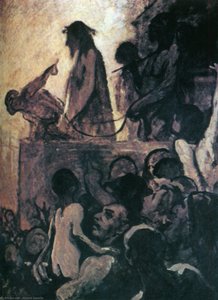
Comedy scene (scene from Molière)


 Περισσότερα λεπτομέρεια
Giclée / Εκτυπώσεις Τέχνης
Εκτύπωση giclée ή σε καμβά ποιότητας μουσείου με γρήγορη παραγωγή και ευέλικτες επιλογές φινιρίσματος. ( Αγορά χειροποίητου πίνακα Μετάβαση σε Ψηφιακή Εικόνα)




P118B €10

P118H €10

P118W €10

P438Z €10

P508JH €12

P508YH €12

P805H €10

P805Z €10

P919BZ €10

P919G €10

P919XJ €10

P959ZH €10

P968JZ €12

W106C €8

W218G €10

W218JH €8

W218Y €10

W307PJ €10

W316G €10

W316PJ €8

W316Y €10

W398PJ €8

W4111J €10

W500HY €15

W500JH €15

W692G €12

W849H €8

W940BG €15

W953PJ €8




Επιλέξτε από τις προκαθορισμένες διαστάσεις μας που διατηρούν τις αρχικές αναλογίες του έργου τέχνης.

Πληκτρολογήστε το πλάτος και το ύψος που επιθυμείτε, ώστε να ταιριάζουν στο κάδሮ ή στον τοίχο σας. Μια εκτύπωση μπορεί μόνο να κοπεί και ποτέ να μην γίνει μεγαλύτερη από την εικόνα, επομένως ένα μέγεθος με διαφορετικό σχήμα συνεπάγεται απώλεια ενός μέρους της εικόνας. Σας στέλνουμε ένα ψηφιακό mockup για έγκριση πριν εκτυπώσουμε οτιδήποτε. Η εικόνα που εμφανίζεται σε αυτή τη σελίδα δεν δείχνει την πραγματική κοπή — μόνο το mockup την παρουσιάζει.
Παγκόσμια Αποστολή () σε 2 εβδομάδες αντί για τις συνήθεις 4/5 εβδομάδες. (23 Οκτώβριος)

Δωρεάν γρήγορη διεθνής αποστολή

Κάμβας από Λινό Υψηλής Ποιότητας

Πλήρης ασφάλιση μεταφοράς

Εγγύηση επιστροφής δασμών και φόρων εισαγωγής

Εγγύηση Απόλυτης Ομοιότητας Χρωμάτων

Πολιτική Επιστροφής 100 Ημερών (Μόνο σε περίπτωση ελαττωμάτων)

Εγγύηση επιστροφής 100% των χρημάτων

Έκπτωση για πολλαπλές παραγγελίες
 Η επιλογή με γυαλί είναι διαθέσιμη μόνο για μεγέθη κάτω από 110 εκ.

Comedy scene (scene from Molière)
Giclée / Εκτυπώσεις Τέχνης
Διαστάσεις Αναπαραγωγής
-


Συνολικό Κόστος
€ 70
A Moment of Contention: Honoré Daumier’s “Comedy Scene (Scene from Molière)”
Honoré Daumier's 1862 painting, "Comedy Scene (Scene from Molière)," isn’t merely a depiction of a theatrical moment; it’s a vibrant snapshot of Parisian society grappling with wit, social commentary, and the very nature of performance. The work, rendered in stark black and white – a signature technique for Daumier – immediately draws the viewer into a scene brimming with unspoken tension and subtle gestures. Two men dominate the foreground: one, animatedly gesturing upwards, seemingly addressing an unseen audience; the other, slumped downwards, his gaze fixed on his companion, perhaps lost in thought or responding to the first man’s pronouncements.
Beyond these central figures lies a carefully constructed backdrop of three additional individuals, subtly positioned in the background. Their presence isn't one of active participation but rather serves as a quiet reminder of the broader social context surrounding this private exchange. They are not integrated into the immediate drama, yet their inclusion suggests that this scene unfolds within a larger, more complex world – a world ripe for observation and critique, precisely what Daumier excelled at capturing.
The Artist’s Vision: Realism and Social Satire
Daumier was a pivotal figure in the development of French realism, but his work transcends simple representation. He wasn't interested in idealized beauty or romanticized narratives; instead, he sought to expose the uncomfortable truths of everyday life – particularly the hypocrisy and social inequalities prevalent in 19th-century France. His art became a powerful tool for social commentary, often targeting the aristocracy, the clergy, and the legal system. “Comedy Scene” is no exception, offering a glimpse into a private conversation that hints at underlying tensions and judgments.
The painting’s monochrome palette – predominantly shades of gray and white – contributes significantly to its dramatic effect. This deliberate choice eliminates distractions, forcing the viewer to focus on the figures' expressions and body language. Daumier masterfully employs chiaroscuro—the contrast between light and dark—to sculpt the forms and heighten the sense of drama. The sharp delineation of shadows emphasizes the characters’ postures and gestures, conveying a palpable atmosphere of anticipation and potential conflict.
A Stage Within a Stage: Molière and Parisian Society
The painting's title explicitly references Molière, the renowned French playwright whose comedies satirized societal norms. Daumier wasn’t simply illustrating a scene from one of Molière’s plays; he was capturing the *spirit* of theatrical performance itself – the interplay between performer and audience, the delivery of witty dialogue, and the subtle judgments exchanged during a dramatic moment. The implied setting is likely a Parisian theater, though Daumier deliberately avoids providing specific details, allowing the viewer to project their own interpretations onto the scene.
Furthermore, the painting reflects the vibrant intellectual and artistic life of 19th-century Paris. The Comédie-Française, France’s national theatre, was a central hub for social and political discourse. Daumier's work engages with this dynamic environment, offering a critical perspective on the role of theater in shaping public opinion and exposing societal flaws.
Symbolism and Emotional Resonance
The posture of the two men is particularly revealing. The man gesturing upwards embodies assertiveness and perhaps even arrogance, projecting his thoughts or opinions to an unseen audience. His elevated position suggests a desire for recognition or validation. Conversely, the slumped figure conveys a sense of resignation, doubt, or perhaps quiet disapproval. His downward gaze hints at a critical assessment of the first man’s pronouncements – a subtle challenge to his authority or perspective.
“Comedy Scene” is not a straightforward narrative; it's an invitation to observe and interpret. It evokes a sense of unease, prompting viewers to consider the complexities of human interaction and the often-hidden judgments that shape our perceptions. Daumier’s masterful use of composition, light, and gesture creates a timeless image that continues to resonate with audiences today, reminding us of the enduring power of satire and the importance of critical engagement with the world around us.
Ερωτήσεις & Απαντήσεις
Το έργο "Comedy scene (scene from Molière)" του Ονοράν Νταμιέ είναι πορτρέτο, τοπίο ή τετράγωνη σύνθεση;
Το έργο "Comedy scene (scene from Molière)" του Ονοράν Νταμιέ έχει μορφή Portrait. Η μορφή περιγράφει τις αναλογίες της σύνθεσης.
Τι συναίσθημα αποπνέει το "Comedy scene (scene from Molière)" του Ονοράν Νταμιέ;
Η καταγεγραμμένη ατμόσφαιρα του έργου "Comedy scene (scene from Molière)" του Ονοράν Νταμιέ είναι Dramatic, ενώ ο συναισθηματικός του τόνος είναι Melancholic.
Πού μπορώ να κατεβάσω το "Comedy scene (scene from Molière)" του Ονοράν Νταμιέ;
Η εικόνα του έργου "Comedy scene (scene from Molière)" του Ονοράν Νταμιέ μπορεί να κατεβάσετε από τη σελίδα Λήψη του έργου: λήψη ψηφιακής εικόνας υψηλής ανάλυσης.
Βιογραφικό Καλλιτέχνη
Η Ζωή και το Έργο του Honoré Daumier: Ένας Καрикаτουρίστας που Άγγιξε την Ψυχή της Γαλλίας
Ο Honoré-Victorin Daumier, γεννημένος στη Μarseille το 1808, υπήρξε μια φιγούρα πολυπράγμων και βαθιά ριζωμένης στην καρδιά της γαλλικής κοινωνίας του 19ου αιώνα. Η ζωή του, ένα περίπλοκο μίγμα ποιητικών ονείρων, καλλιτεχνικής δεινότητας και σαρκαστικής κριτικής, διαμόρφωσε ένα από τα πιο σημαντικά και αντιπαραθετικά έργα τέχνης της εποχής του. Η παιδική του ηλικία, σημαδεμένη από την αναζήτηση του πατέρα του για την επιτυχία ως ποιητή και τη μετακόμιση στην Παρίσι το 1814, τον έβαλε σε μια πόλη γεμάτη καλλιτεχνική ενέργεια και αμφισβητήσεων. Αντί να ακολουθήσει το αρχικό σχέδιο για μια καριέρα στο δικαίωο, η εσωτερική του επιθυμία για την τέχνη τον οδήγησε σε ένα ταξίδι γεμάτο πειραματισμούς και αναζητήσεις.Η Άνοδος στην Καρτελιά: Καрикаτούρα και Κοινωνικός Σαρκασμός
Η καλλιτεχνική του πορεία άρχισε με την εκπαίδευσή του υπό τον Alexandre Lenoir, όπου απορρόφησε κλασικές επιρροές ενώ παράλληλα αναγνώρισε τη δραματική χρωματοδυναμική του Rubens. Η συμμετοχή του στην Ακαδημία της Σουΐτς τον εξοπλισε με τις βασικές τεχνικές, αλλά ήταν η επαφή του με το *Le Charivari*, ένα ανεξάρτητο περιοδικό καрикаτουρικής τέχνης που ιδρύθηκε από τον Charles Philipon, που πραγματικά πυροδότησε τη δημιουργική του έκρηξη. Εκεί, ο Daumier ανακτόστηκε ως ένας μαέστρος της σάτιρας, ικανός να μετατρέψει την κοινωνία και την πολιτική σε αντικείμενο κωμικής και επικριτικής ανάλυσης. Οι καрикаτούρες του δεν ήταν απλώς χιουμοριστικές απεικονίσεις – ήταν αιχμηρές καταγγελίες για τη βουρλούκη, το δικαστικό σύστημα και την πολιτική ελίτ. Η τολμηρή κριτική του, που εκφράστηκε μέσα από τις γραφικές του δημιουργίες, τον οδήγησε ακόμη και στην φυλάκιση για έξι μήνες το 1832, μετά τη δημοσίευση μιας ιδιαίτερα σαρκαστικής καрикаτούρας του βασιλιά Louis-Philippe. Αυτή η εμπειρία, αντί να τον αποθαρρύνει, ενίσχυσε την αφοσίωσή του στην έκθεση της διαφθοράς και την πρόκληση της εξουσίας μέσω της τέχνης. Η τεράστια παραγωγή των λιθογραφιών του κατά τη διάρκεια αυτής της περιόδου είναι εντυπωσιακή – χιλιάδες έργα που χρησίμευσαν ως ψυχαγωγία για το κοινό και ως ισχυρές πολιτικές δηλώσεις.Πέρα από την Καрикаτούρα: Ζωγραφική και Γλυπτική
Παρά τη φήμη του κυρίως ως λιθογράφος, ο Daumier ήταν ένας αφοσιωμένος ζωγράφος και γλύπτης, αν και αναγνώριση για αυτά τα έργα έρχεται αργότερα στη ζωή του. Οι πίνακές του, συχνά απεικονίζοντας σκηνές από την καθημερινή ζωή στο Παρίσι – το τρίτης κατηγορίας τρένο, τις λασπωμένες, τις δικηγόρους – είναι γεμάτοι μια βαθιά αίσθηση ρεαλισμού και ενσυναίσθησης. Δεν πρόκειται για ιδανικές απεικονίσεις, αλλά για αυθεντικές αναπαραστάσεις της δυσκολίας και της μάχης. Εφάρμοσε με επιτυχία ελεύθερες τεχνικές χρωμάτων και δραματικό φωτισμό για να μεταφέρει συναισθήματα και ατμόσφαιρα, προαναγγέλλοντας τις τεχνικές που αργότερα υιοθέτησαν οι ιμπρεσιονιστές. Τα γλυπτά του, κυρίως κατασκευασμένα από κεραμικό (πολλά από αυτά παρέμειναν μη κατεργασμένα κατά τη διάρκεια της ζωής του), αποκαλύπτουν μια παρόμοια δέσμευση στην απεικόνιση της ανθρώπινης μορφής με ειλικρίνεια και συναισθηματική πολυπλοκότητα. Αυτά τα γλυπτά, ανακαλυφθέντα μετά τον θάνατό του, αποδεικνύουν ένα αξιοσημείωτο ταλέντο στη μοντελιστική και την ικανότητα να μεταφέρουν ψυχολογική πολυπλοκότητα μέσω της φυσικής στάσης.Ένας Αιώνιας Σημασίας Κληρονομημένος: Επίδραση και Ιστορική Σημαντικότητα
Ο Honoré Daumier άφησε μια ανεπανάληπτη κληρονομιά στην ιστορία της τέχνης. Συγχωνεύοντας τον Ρομαντισμό με τον ρεαλισμό, ανοίγοντας το δρόμο για τις επόμενες γενιές καλλιτεχνών που επιδίωκαν να απεικονίσουν τον κόσμο όπως πραγματικά ήταν – με όλα τα του. Η αδιάκοπη κοινωνική κριτική του επηρέασε καλλιτέχνες όπως ο Gustave Courbet και ο Édouard Manet, ενώ η καινοτόμος χρήση της λιθογραφίας επανασχημάτισε την τέχνη της εκτύπωσης. Το έργο του συνεχίζει να αντηχεί σήμερα, υπενθυμίζοντάς μας τη δύναμη της τέχνης να αμφισβητεί την εξουσία, να αποκαλύπτει την αδικία και να μαρτυρεί την ανθρώπινη κατάσταση. Το Μουσείο του Λούβρου στο Παρίσι στεγάζει μια σημαντική συλλογή από τα ζωγραφικά και γλυπτικά του έργα, προσφέροντας στους επισκέπτες μια εικόνα του κόσμου που απεικόνιζε τόσο ζωντανά. Οι λιθογραφίες του είναι ευρέως διαθέσιμες μέσω συλλογών όπως αυτές που βρίσκονται στην OriginalUniqueArt, διασφαλίζοντας ότι ο σατιρικός του γέλιο συνεχίζει να προκαλεί σκέψεις και να εμπνέει διάλογο. Ο Daumier δεν ήταν απλώς ένας καλλιτέχνης – ήταν ένας χρονογράφος της εποχής του – ένας οπτικός ποιητής που χρησιμοποίησε το ταλέντο του για να δώσει φωνή στους αδύναμους και να λογοδοτήσει την εξουσία. Η κληρονομιά του παραμένει ως μαρτυρία της διαρκούς σημασίας της τέχνης ως δύναμη για κοινωνική αλλαγή.
Ονοράν Νταμιέ
1808 - 1879 , Γαλλία
Στοιχεία καλλιτέχνη
- Artistic Movement Or Style: Ρεαλισμός, Σάτιρα
- Artists Or Movements Influenced By This Artist:
- Impressionistes
- Μοντέρνα τέχνη
- Artists Who Influenced This Artist:
- Alexandre Lenoir
- David
- Date Of Birth: 26 Φεβρουαρίου 1808
- Date Of Death: 10 Φεβρουαρίου 1879
- Full Name: Honoré-Victorin Daumier
- Nationality: Γάλλος
- Notable Artworks:
- Rue Transnonain
- Les gens de justice
- Place Of Birth: Μαρσέιλι, Γαλλία
Σχετικά άρθρα

Οι 10 πιο διάσημες πίνακες με λευκό χρώμα: Ιστορία, τέχνη & διακόσμηση
Ανακαλύψτε τους 10 πιο διάσημους πίνακες με κυρίαρχο το λευκό χρώμα! Ιμπρεσιονισμός, μοντερνισμός & η ιστορία των μεγάλων καλλιτεχνών όπως ο Monet και ο Van Gogh. Βρείτε την τέλεια αναπαραγωγή πίνακα για τον χώρο σας στην OriginalUniqueArt.com.

Monochrome Visions: Exploring the Aesthetic & Historical Significance of Black & White Photography
Explore the rich history & artistic power of black and white photography. From early techniques to iconic masters like Ansel Adams, discover why monochrome continues to captivate art lovers today. Expert insights for collectors.

Οι 10 πιο διάσημοι πίνακες με κυρίαρχο το μαύρο χρώμα | OriginalUniqueArt.gr
Ανακαλύψτε τους 10 πιο διάσημους πίνακες με κυρίαρχο το μαύρο χρώμα! Από Rembrandt και Goya, εξερευνήστε την ιστορία, τις τεχνικές & τα συναισθήματα που κρύβουν αυτά τα αριστουργήματα. Βρείτε αναπαραγωγές υψηλής ποιότητας στο OriginalUniqueArt.com.

Shadow & Soul: Why Black & White Photography Remains the Ultimate Power Move in Modern Art
Discover why black & white photography remains a powerful force in contemporary art. Explore the impact of light, shadow, and texture through a visual journey of monochrome mastery and learn how to elevate your space with timeless grayscale aesthetics.

Monochrome Edge: The Ultimate Design Flex—Level Up Your Space with Bold Black & White Art
Master the monochrome aesthetic with high-impact Black & White art from OriginalUniqueArt.com. From custom hand-painted oils to iconic pop culture remixes, discover the ultimate design flex for your urban space. Elevate your decor with bold, premium, and timeless monochrome masterpieces.