
 Προεπισκόπηση σε πραγματική κλίμακα
 Αποστολή
 Κοινοποίηση
 Λεπτομέρειες
 Οδηγός

 Λήψη
Λήψη
 Παρόμοια αντικείμενα συλλογής
 Ακτινογραφία
 Παρουσίαση
 Ερωτήσεις & Απαντήσεις
 Στατιστικά
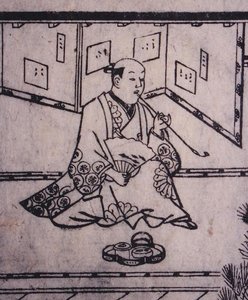
Dancer

- 78.0 x 42.0 cm
 Περισσότερα
Λάβετε ένα αρχείο έτοιμο για εκτύπωση, με ποιότητα πολύ ανώτερη από την προεπισκόπηση στον ιστότοπο. Κάθε ψηφιακή εικόνα που διαθέτουμε προέρχεται από ένα αρχείο υψηλής ανάλυσης στη βάση δεδομένων μας —συνήθως με πλάτος 5.000 έως 15.000 pixel— ώστε να μπορείτε να εκτυπώσετε σε μεγάλο μέγεθος, να κάνετε στενές κοψιμές ή να αναπαράγετε τις λεπτομέρειες με απόλυτη εμπιστοσύνη.
Κανένα αρχείο δεν φεύγει από το στούντιο μας χωρίς να υποστεί επεξεργασία. Ένας ειδικός ψηφιακών εικόνων ελέγχει τα χρώματα σε σύγκριση με το πρωτότυπο έργο και τα διορθώνει αν χρειαστεί, στη συνέχεια βελτιώνει την καθαρότητα και τις λεπτομέρειες με επαγγελματικά εργαλεία αφαίρεσης ατέλειων — παραμένοντας πάντα πιστός στις πινελιές και το ύφος του καλλιτέχνη. Το αποτέλεσμα είναι μια εικόνα που μοιάζει με το ίδιο το αριστούργημα και όχι με ένα σκανάρισμα με φίλτρα.
Εγκρίνετε πριν την ολοκλήρωση: ο ειδικός μας σας στέλνει την εικόνα μέσω e-mail εντός 72 ωρών για επανεξέταση. Δεν είστε ικανοποιημένοι; Ζητήστε βελτιώσεις ή διορθώσεις, ή ζητήστε επιστροφή χρημάτων εάν η ποιότητα δεν ανταποκρίνεται στις προσδοκίες σας.
Αυτή είναι η ποιότητα στην οποία εμπιστεύονται οι εκδότες, τα design studios, οι γκαλερί και τα εκτυπωτήρια.
Ψηφιακή εικόνα
Κατεβάστε ένα αρχείο υψηλής ανάλυσης για προσωπική χρήση, εκτύπωση και δημιουργικά έργα. ( Μετάβαση σε Εκτυπώσεις Αγορά χειροποίητου πίνακα)
Περιλαμβάνεται σε κάθε παραγγελία ψηφιακής εικόνας
Επαγγελματική Ψηφιακή Παράδοση με Εγγύηση
Όταν επιλέγετε το OriginalUniqueArt.com, δεν αποκτάτε απλώς μια εικόνα – λαμβάνετε ένα επαγγελματικά αναβαθμισμένο ψηφιακό έργο τέχνης, δημιουργημένο με ακρίβεια και με εγγύηση ικανοποίησης. Δείτε όλα όσα περιλαμβάνονται στην παραγγελία σας, αυτόματα:

Άμεση αποστολή μέσω email
Το ψηφιακό σας αρχείο εικόνας υψηλής ανάλυσης θα σας σταλεί μέσω email εντός 72 ωρών από την παραγγελία σας — έτοιμο για άμεση χρήση.

Ψηφιακό Αρχείο με Τεχνητή Νοημοσύνη
Το έργο σας βελτιστοποιείται επαγγελματικά με τη χρήση προηγμένων εργαλείων Τεχνητής Νοημοσύνης και χειροκίνητης επεξεργασίας, εξασφαλίζοντας μέγιστη λεπτομέρεια, ευκρίνεια και ακρίβεια χρωμάτων.

Δωρεάν επανεκδόσεις مدى ζωής
Απώλησες ή διαγράψατε κατά λάθος το αρχείο σας; Μην ανησυχείτε — θα σας το ξαναστείλομε οποιαδήποτε στιγμή, δωρεάν.

Χωρίς Τελωνειακούς Φόρους - Ποτέ
Απολαύστε αμέσως τα έργα τέχνης σας χωρίς δασμούς, φόρους ή έξοδα αποστολής - οι ψηφιακές λήψεις είναι πάντα αφορεশিপτεία.

Εγγύηση Ακριβούς Χρωματισμού
Εξασφαλίζουμε ότι η ψηφιακή σας εικόνα αποτυπώνει τα αυθεντικά χρώματα όσο το δυνατόν πιστότερα, χρησιμοποιώντας επαγγελματικά εργαλεία και διαχείριση χρωμάτων.

Εγγύηση Ικανοποίησης 100 Ημερών
Εάν δεν είστε ικανοποιημένοι με την ψηφιακή σας εικόνα, θα την τροποποιήσουμε ή θα σας επιστρέψουμε το 100% εντός 100 ημερών — χωρίς κανένα ερώτημα.

100% Εγγύηση Επιστροφής Χρήματος
Δεν είστε ικανοποιημένοι; Λάβετε πλήρη επιστροφή των χρημάτων σας εντός 100 ημερών από τη λήψη του ψηφιακού σας αρχείου — χωρίς κανένα ερώτημα.

Εκπτώσεις σε μεγάλες παραγγελίες
Αγοράστε 3 εικόνες, κάντε εξοικονόμηση 10% - Αγοράστε 5, κάντε εξοικονόμηση 15% - Αγοράστε 10+, κάντε εξοικονόμηση 20%. Ιδανικό για δημιουργικά έργα, γκαλερί και agencies.
Βιογραφικό Καλλιτέχνη
The Dawn of Ukiyo-e: Hishikawa Moronobu and the Floating World
Hishikawa Moronobu, born in Edo (modern Tokyo) in 1618, stands as a pivotal figure in the history of Japanese art. He wasn’t merely an artist; he was a cultural architect, instrumental in shaping the ukiyo-e movement – “pictures of the floating world” – that would come to define much of Japan's artistic legacy. Before Moronobu, painting and printmaking were largely confined to established themes: landscapes inspired by Chinese masters, portraits of the elite, and religious subjects. He dared to turn his brush towards the everyday lives of ordinary people, a radical shift that resonated deeply with the burgeoning merchant class in Edo’s vibrant urban landscape. Moronobu's early life remains somewhat shrouded in mystery, but it is known he came from a relatively humble background, initially working as a book designer and illustrator before establishing himself as an independent artist. This foundation proved crucial; his understanding of narrative composition and design would become hallmarks of his style.Forging a New Aesthetic: From Book Illustration to Popular Prints
The Edo period (1603-1868) witnessed a flourishing of urban culture, fueled by economic prosperity and relative peace. A new class of wealthy merchants emerged, eager for entertainment and self-expression. Moronobu astutely recognized this demand. He began producing single-sheet prints – nishiki-e, or brocade pictures – that depicted scenes from contemporary life: beautiful women engaged in their daily routines, actors performing on stage, legendary samurai tales brought to vivid life. These weren’t the grand historical narratives favored by earlier artists; they were intimate glimpses into the world around them. His work consolidated various Japanese art styles—the refined elegance of Kanō school painting, the decorative flair of Tosa school illustrations, and the dynamic energy of popular theater – blending these influences into a uniquely accessible aesthetic. He wasn’t simply copying existing forms; he was synthesizing them, creating something entirely new. His prints were relatively affordable, making art available to a wider audience than ever before. This democratization of art was perhaps his most significant achievement.Themes and Techniques: Capturing the Essence of Edo Life
Moronobu’s subject matter centered on the pleasures and pastimes of Edo society. Beautiful women (bijin-ga) were a recurring motif, often depicted in elegant kimonos, engaged in activities like playing musical instruments, writing poetry, or simply enjoying the scenery. He also created numerous prints featuring actors (yakusha-e), capturing their dramatic poses and expressive faces with remarkable detail. Samurai tales, though romanticized, offered a glimpse into the warrior ethos that still held sway in Japanese culture. His technique was characterized by bold outlines, flat areas of color, and meticulous attention to detail. He employed sophisticated woodblock carving and printing methods, achieving a level of precision previously unseen in ukiyo-e. The use of multiple blocks allowed for complex compositions and vibrant color palettes. Moronobu’s prints weren't merely representations of reality; they were idealized versions, imbued with a sense of grace and refinement. He skillfully used negative space to create balance and harmony within his compositions, drawing the viewer’s eye to key elements.Legacy and Influence: The Foundation of a Movement
Hishikawa Moronobu died in 1694, leaving behind a body of work that would profoundly influence generations of ukiyo-e artists. He established many of the conventions – subject matter, composition, technique – that would define the genre for centuries to come. Artists like Torii Kiyonobu, his adopted son and pupil, continued his style, further popularizing ukiyo-e. Later masters such as Hokusai and Hiroshige built upon the foundations laid by Moronobu, pushing the boundaries of the genre in new directions. His impact extends beyond the realm of art; he captured a specific moment in Japanese history – the rise of urban culture and the emergence of a vibrant merchant class – providing invaluable insights into the social values and aesthetic sensibilities of the Edo period.- He is considered the first true master of ukiyo-e.
- His work bridged the gap between traditional painting styles and popular printmaking.
- Moronobu’s prints democratized art, making it accessible to a wider audience.
- He established many of the conventions that would define ukiyo-e for centuries.
Hishikawa Moronobu
1618 - 1694 , Japan
Σύντομη Βιογραφία
- Full Name: Hishikawa Moronobu
- Nationality: Japanese
- Date Of Birth: 1618
- Date Of Death: 1694
- Place Of Birth: Tokyo, Japan
- Artistic Movement Or Style: Ukiyo-e
- Artists Or Movements Influenced By This Artist: ['Early Ukiyo-e']