Modernism
Sculptural Objects (Cramer 47) (Χένρυ Μουρ)
Ο/Η Χένρυ Μουρ (1898–1986) δημιούργησε το Sculptural Objects (Cramer 47). Ανήκει στο κίνημα Modernism. Είναι φτιαγμένο σε Painting.
- Painting

 Προεπισκόπηση σε πραγματική κλίμακα

 Ελαιογραφικό Χειροποίητο Έργο
 Αποστολή
 Κοινοποίηση
 Πληροφοριακό φύλλο


 Λήψη
 Παρόμοια αντικείμενα συλλογής
 Ακτινογραφία
 Παρουσίαση
 Ερωτήσεις & Απαντήσεις

 Στατιστικά
Sculptural Objects (Cramer 47), εν συντομία
- Τίτλος
- Sculptural Objects (Cramer 47)
- Καλλιτέχνης
- Χένρυ Μουρ (1898–1986)
- Γεννημένος/η το
- Κάστλφορντ, Ηνωμένο Βασίλειο
- Μέσο
- Painting
- Κίνηση
- Modernism
- Εποχή
- Modern
- Θέμα
- blue ball, red shoe, red ball, people, sculptures, abstract shapes
Τι απεικονίζει το Sculptural Objects (Cramer 47);
A Symphony of Form: The Modernist Vision of Henry Moore
In the vast landscape of twentieth-century modernism, few names resonate with as much tactile power and organic grace as Henry Moore. While the world often recognizes him through his monumental bronze figures that command public squares across the globe, his foray into the two-dimensional realm offers a uniquely intimate window into his creative psyche. Sculptural Objects (Cramer 47) stands as a breathtaking testament to this versatility, a painting that does not merely depict shapes but breathes life into them. In this work, Moore transcends the boundaries of his usual medium, using the canvas to explore the very essence of volume, weight, and spatial relationship that defined his sculptural career.
The composition is a masterful dance of geometry and humanity. At first glance, the viewer is greeted by an array of striking shapes—a large, commanding blue sphere, a vibrant red shoe, and smaller crimson accents that punctuate the scene like rhythmic beats in a visual melody. Yet, these are not isolated relics; they exist within a living ecosystem. Moore populates this abstract landscape with figures who interact with these objects, creating a profound dialogue between the inanimate and the animate. This interplay suggests that art is not a distant, untouchable entity, but something woven into the fabric of human experience, inviting us to touch, move, and inhabit the space alongside the subjects.
Technique, Perspective, and the Modernist Spirit
What makes Sculptural Objects (Cramer 47) so captivating for the discerning collector or interior designer is its sophisticated use of perspective and depth. Moore employs a technique that allows for multiple viewpoints to coexist within a single frame, a hallmark of modernist innovation. This creates a sense of kinetic energy, as if the painting is shifting beneath our gaze. The way light and shadow play across the blue ball and the red forms gives them a palpable three-dimensionality, tricking the eye into perceiving weight where there is only pigment. It is this illusion of mass that makes the piece feel remarkably "sculptural" despite being a flat surface.
The emotional impact of the work lies in its balance of abstraction and familiarity. While the shapes are undeniably modern and abstract, the presence of the human figures anchors the piece in a recognizable reality. There is a sense of wonderment, a childlike curiosity as the people navigate this world of colorful totems. For those looking to adorn a sophisticated interior, this painting offers more than just decoration; it provides a focal point of intellectual depth and aesthetic joy. It brings with it the legacy of the English master—a legacy of finding the eternal in the organic and the monumental in the small.
Owning a high-quality reproduction of such a masterpiece allows one to bring the revolutionary spirit of Moore into the home. Whether placed in a minimalist contemporary gallery or a richly textured traditional study, Sculptural Objects (Cramer 47) serves as a conversation starter, an invitation to contemplate the beautiful tension between the shapes we create and the lives we lead.
Εικόνες υψηλής ανάλυσης του Sculptural Objects (Cramer 47)

Protected by copyright: these files are for personal reference, not a licence to republish.
Χένρυ Μουρ, Sculptural Objects (Cramer 47).
Ερωτήσεις για το Sculptural Objects (Cramer 47), απαντημένες
Με ποιο υλικό έχει εκτελεστεί το έργο "Sculptural Objects (Cramer 47)" του Χένρυ Μουρ;
Η τεχνική του έργου "Sculptural Objects (Cramer 47)" του Χένρυ Μουρ είναι το Painting. Οι αναπαραγωγές στοχεύουν στην πιστή απόδοση της εμφάνισης αυτής της τεχνικής.
Περί τι αφορά το "Sculptural Objects (Cramer 47)";
Τα θέματα του "Sculptural Objects (Cramer 47)" είναι τα blue ball, red shoe, red ball, people, sculptures, abstract shapes.
Το έργο "Sculptural Objects (Cramer 47)" ανήκει στο δημόσιο περιουσιακό αγαθό;
Όσον αφορά τα πνευματικά δικαιώματα, το "Sculptural Objects (Cramer 47)" ανήκει στο ακόμα προστατευόμενο από δικαιώματα αυτορικού.
Ποιον καλλιτέχνη αποδίδεται το "Sculptural Objects (Cramer 47)";
Το έργο "Sculptural Objects (Cramer 47)" αποδίδεται στον/στην Χένρυ Μουρ.
Σε ποιο καλλιτεχνικό ρεύμα ανήκει το "Sculptural Objects (Cramer 47)" του Χένρυ Μουρ;
Το έργο "Sculptural Objects (Cramer 47)" του Χένρυ Μουρ ανήκει στο καλλιτεχνικό κίνημα Modernism. Αυτό το κίνημα παρέχει το στυλιστικό πλαίσιο του έργου.
Σε ποια περίοδο της καριέρας του/της Χένρυ Μουρ ανήκει το "Sculptural Objects (Cramer 47)";
Το έργο "Sculptural Objects (Cramer 47)" ανήκει στην περίοδο Modern Period της καριέρας του Χένρυ Μουρ. Αυτή η ταξινόμηση συνδέει το έργο με την εξέλιξη του καλλιτέχνη.
Το έργο "Sculptural Objects (Cramer 47)" του Χένρυ Μουρ ανήκει στο δημόσιο περιουσιακό αγαθό και γιατί;
Η κατάσταση των πνευματικών δικαιωμάτων για το "Sculptural Objects (Cramer 47)" - ακόμα προστατευόμενο από δικαιώματα αυτορικού - ορίζεται από τον θάνατο του καλλιτέχνη το έτος 1986.
Πώς συνδέεται το "Sculptural Objects (Cramer 47)" με το υπόλοιπο έργο του/της Χένρυ Μουρ;
Το "Sculptural Objects (Cramer 47)" μοιράζεται με τα υπόλοιπα έργα του Χένρυ Μουρ το στυλ της καλλιτεχνικής σχολής Modernism και τα επαναλαμβανόμενα θέματα: modernist abstraction, nature and human form, human experience interaction, versatile artistic approach, evolution of sculpture.
Πώς συνδέεται το θέμα του "Sculptural Objects (Cramer 47)" με τα συνηθισμένα θέματα του Χένρυ Μουρ;
Το έργο "Sculptural Objects (Cramer 47)" απεικονίζει τα blue ball, red shoe, red ball, people, sculptures, abstract shapes, ενώ τα αναγνωρίσιμα θέματα του Χένρυ Μουρ είναι τα modernist abstraction, nature and human form, human experience interaction, versatile artistic approach, evolution of sculpture. Η σύγκριση των δύο αναδεικνύει τον τρόπο με τον οποίο το έργο συνδέεται με τα συνηθισμένα θέματα του καλλιτέχνη.
Σχετικά με τον καλλιτέχνη, Χένρυ Μουρ

1898–1986, Ηνωμένο Βασίλειο
Χένρυ Μουρ
A Life Sculpted in Form: The World of Henry Moore Henry Spencer Moore, γεννημένος στην αγροτική πόλη Castleford της Αγγλίας το 1898, καθιέρωσε τον εαυτό του ως ένας από τους σημαντικότερους και πιο διεθνώς αναγνωρισμένους γλύπτες του 20ου αιώνα. Η πορεία του από τα συνηθισμένα περιβάλλοντα της παιδικής ηλικίας μέχρι την παγκόσμια αναγνώριση αποτελεί μια μαρτυρία στην ακλόνητη αφοσίωσή του στην καλλιτεχνική εξερεύνηση και τη βαθιά του σύνδεση με το ανθρώπινο σχήμα και τον φυσικό κόσμο. Ο πατέρας του, ένας άνθρωπος αυτοδίδακτος με πάθος για μάθηση, ενθάρρυνε την εκπαίδευση των γιων του, αποσπώντας τους από τη ζωή του άντρα-εργάτη και κατευθύνοντάς τους σε σπουδές. Ακόμα και ως μικρός, ο Moore έδειξε μια φυσική ικανότητα στη δημιουργία πλακιδίων και στην εξισορρόπηση ξύλων, προαναγγέλλοντας το μονοπάτι που θα ακολουθούσε η ζωή του.
Εργασίες του Χένρυ Μουρ
 Reclining Figure
 Falling Warrior1957
 Sheep 1
 A Miner at Work1942
Μελέτες γύρω από το Sculptural Objects (Cramer 47)
 Unveiling the Dreamer: The 25 Most Iconic Masterpieces by Gustave MoreauStep into the dreamlike world of Gustave Moreau. Explore 25 iconic Symbolist masterpieces, from mythic legends to opulent textures. Find in…
 The Power of One: Exploring Depth and Emotion in Monochromatic ArtistryExplore the profound depth of monochromatic mastery from Malevich to Klein. Discover the power of single-hue art today.
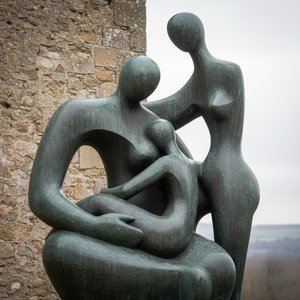 Henry Moore: Sculpting Modernity – Form, Emotion & the Human ConditionExplore the revolutionary sculptures of Henry Moore – abstract forms, reclining figures & powerful expressions of the human condition. Disc…