

 Δείτε σε πραγματικό χώρο
 Αποστολή
 Κοινοποίηση
 Λεπτομέρειες

 Λήψη
Λήψη
 Παρόμοια αντικείμενα συλλογής
 Ακτινογραφία
 Παρουσίαση
untitled (8191)


 Διαβάστε περισσότερα
Giclée / Εκτυπώσεις Τέχνης
Εκτύπωση giclée ή σε καμβά ποιότητας μουσείου με γρήγορη παραγωγή και ευέλικτες επιλογές φινιρίσματος. ( Αγορά χειροποίητου πίνακα Αγορά ψηφιακής εικόνας)




P118B $10

P118H $10

P118W $10

P438Z $10

P508JH $12

P508YH $12

P805H $10

P805Z $10

P919BZ $10

P919G $10

P919XJ $10

P959ZH $10

P968JZ $12

W106C $8

W218G $10

W218JH $8

W218Y $10

W307PJ $10

W316G $10

W316PJ $8

W316Y $10

W398PJ $8

W4111J $10

W500HY $15

W500JH $15

W692G $12

W849H $8

W940BG $15

W953PJ $8




Επιλέξτε από τις προκαθορισμένες διαστάσεις μας που διατηρούν τις αρχικές αναλογίες του έργου τέχνης.

Μπορείτε να εισαγάγετε δικές σας διαστάσεις ώστε να ταιριάξουν με ένα συγκεκριμένο πλαίσιο ή χώρο. Εάν το επιλεγμένο μέγεθος δεν συμπίπτει με τις αναλογίες της πρωτότυπης εικόνας, θα κόψουμε το έργο τέχνης ή θα επεκτείνουμε την εικόνα με καθρεφτισμένη ή μονόχρωμη ατέλεια. Θα σας αποσταλεί ένα ψηφιακό mockup για έγκρισή σας πριν από την έναρξη της παραγωγής.
Παρακαλούμε σημειώστε ότι η προεπισκόπηση στην οθόνη δεν αντικατοπτρίζει την πραγματική κοπή ή επέκταση. Μόνο το mockup θα δείξει με ακρίβεια την τελική σύνθεση.
Παρόλο που είναι διαθέσιμες προσαρμοσμένες διαστάσεις, προτείνουμε την επιλογή μιας διάστασης από τη προκαθορισμένη λίστα για τη διατήρηση των αρχικών αναλογιών.
Παγκόσμια Αποστολή () σε 2 εβδομάδες αντί για τις συνήθεις 4/5 εβδομάδες. (23 Αύγουστος)

Δωρεάν γρήγορη διεθνής αποστολή

Κάμβας από Λινό Υψηλής Ποιότητας

Πλήρης ασφάλιση μεταφοράς

Εγγύηση Επιστροφής Δασμών και Φόρων

Εγγύηση Απόλυτης Ομοιότητας Χρωμάτων

Πολιτική Επιστροφής 60 Ημερών (Μόνο σε περίπτωση ελαττωμάτων)

Εγγύηση επιστροφής 100% των χρημάτων

Προσφορά για μαζικές παραγγελίες
 Η επιλογή με γυαλί είναι διαθέσιμη μόνο για μεγέθη κάτω από 110 εκ.

untitled (8191)
Giclée / Εκτυπώσεις Τέχνης
Διαστάσεις Αναπαραγωγής
-


Συνολική Τιμή
$ 80
Περιγραφή Συλλεκτικού Αντικειμένου
A Renaissance Portrait of Dignity and Intellect
This striking portrait, executed in the style of a master like Hans Holbein the Younger, presents a compelling study of a man defined by his intellect and social standing. The composition immediately draws the eye to the subject’s face, framed by a traditional pyramidal structure that lends stability and gravitas to the image. His direct gaze engages the viewer, conveying confidence and perhaps a hint of authority.Style & Technique: Echoes of the Northern Renaissance
The artwork is deeply rooted in the traditions of the Early Netherlandish painting – a style characterized by meticulous detail and an almost photographic realism. Oil on panel was likely the medium employed, allowing for the smooth blending of colors and subtle gradations of light and shadow that define the subject’s features and clothing. The artist demonstrates exceptional skill in rendering textures; one can almost feel the weight and richness of the fabrics. Linear perspective is expertly utilized to create a convincing sense of depth, with receding planes formed by the table, books, and background wall.Historical Context: Holbein’s World
Hans Holbein the Younger (1497-1543) was a pivotal figure in the Northern Renaissance, renowned for his portraits of prominent figures – most notably within the English court of Henry VIII. While this work is currently untitled and its provenance unknown, it embodies the hallmarks of Holbein’s style: exceptional realism, precise detail, and an ability to capture not just likeness but also character. His father, Hans Holbein the Elder, was also a celebrated artist, though their styles are distinct. The period saw a flourishing of artistic innovation alongside growing humanist thought, influencing portraiture to emphasize individual personality and intellectual pursuits.Symbolism & Meaning
The inclusion of books and instruments on the table is particularly significant. These objects suggest that the subject is a man of learning – perhaps a scholar, cleric, or someone involved in scientific study. Such symbolic elements were common in Renaissance portraiture, adding layers of meaning beyond mere representation. The warm color palette—dominated by ochres, reds, and browns—creates an atmosphere of warmth and sophistication, while touches of blue and green provide subtle contrast.Emotional Impact & Interior Design
The overall emotional tone is one of dignity and contemplation. The subject appears thoughtful and reserved, inviting the viewer to ponder his story and inner life. This artwork would be a stunning addition to any interior space, particularly those seeking a touch of Renaissance elegance. Its rich colors and detailed composition make it a focal point for living rooms, libraries, or studies. A high-quality reproduction would bring a sense of historical depth and intellectual refinement to any collection. The portrait’s classic style ensures its timeless appeal, making it a versatile piece that complements both traditional and contemporary décor.Βιογραφία Καλλιτέχνη
Hans Holbein the Younger (1497-1543): Northern Renaissance Master of Realistic Portraiture, Famed for Painting Tudor Royalty and Intricate Detail
Hans Holbein the Younger (1497-1543) remains one of the most celebrated figures in Northern Renaissance art—a painter whose unparalleled skill in portraiture cemented his place as a titan of artistic innovation and psychological insight. Born around 1497 in Augsburg, Germany, he descended from a family steeped in artistic tradition; his father, Hans Holbein the Elder, was a respected painter and printmaker who instilled in young Hans an unwavering dedication to meticulous observation and masterful technique—a commitment that would define his entire career. This formative upbringing wasn’t merely about mastering brushstrokes or blending pigments; it was about cultivating a profound understanding of *seeing*, capturing not just physical likeness but the very essence of a subject's character and inner life—a distinction that distinguishes Holbein’s work from many of his contemporaries.Early Artistic Training and Basel Years
Holbein’s artistic journey commenced within the Elder’s workshop, where he honed his skills alongside his father before embarking on expeditions to Switzerland and ultimately establishing himself in Basel. During these formative years, he produced a remarkable array of artworks—spanning portraits, religious depictions, and striking woodcut designs, most notably the chilling *Dance of Death* series. These early pieces served as crucial stepping stones toward mastering compositional principles and developing an acute sensitivity to human emotion—traits that would become hallmarks of his mature style. The *Dance of Death*, a macabre allegory exploring mortality and universal human experience, exemplifies Holbein’s ability to convey complex ideas through visual symbolism, demonstrating a level of sophistication rarely achieved by artists of the period. His meticulous attention to detail in rendering textures and facial expressions foreshadowed his later triumphs as a portraitist—a testament to his unwavering commitment to artistic excellence.The Tudor Court: A Patronage That Shaped His Legacy
Fate intervened decisively in 1526 when Holbein arrived in England, invited by Erasmus of Rotterdam—a connection that swiftly propelled him into the orbit of influential Tudor figures like Sir Thomas More and Henry VIII himself. This patronage afforded Holbein unparalleled access to royal circles and provided him with opportunities to produce some of his most iconic portraits—images that continue to fascinate historians and art enthusiasts alike. His depiction of Henry VIII, arguably the most enduring portrait of the king, captures not only physical grandeur but also a subtle psychological complexity—a feat achieved through masterful use of chiaroscuro (light and shadow) and expressive facial gestures. Holbein’s portraits elevated Tudor royalty to an unprecedented level of artistic prestige, establishing him as one of the foremost artists of his time.Technique and Artistic Innovation: The Holbein Method
Holbein's distinctive artistic style—often referred to as “the Holbein method”—was characterized by a revolutionary approach to portraiture. Unlike many painters who relied on idealized representations or superficial embellishments, Holbein pursued realism with obsessive precision. He employed a technique known as *sfumato*, blurring edges and softening contours to create an illusion of depth and atmosphere—a masterful manipulation of light and shadow that rendered subjects with astonishing lifelike quality. Furthermore, he meticulously studied anatomy and musculature, incorporating scientific accuracy into his depictions of the human form. This dedication to observation and anatomical understanding distinguishes Holbein’s work from many of his peers and underscores his profound intellectual curiosity. His meticulous layering of glazes—thin translucent coats of paint applied over multiple layers—produced surfaces that shimmered with luminosity and conveyed subtle nuances of color—a technique that would become influential throughout the Renaissance.A Lasting Impression: Symbolism, Influence, and Enduring Fame
Holbein’s artistic legacy extends far beyond his technical achievements; it resides in his profound understanding of symbolism and his ability to infuse his paintings with deeper meanings. As exemplified by *The Ambassadors*, Holbein employed visual metaphors—such as the anamorphic skull—to convey philosophical concepts related to mortality and human existence—a daring stylistic choice that challenged conventional artistic norms. His influence permeated subsequent generations of artists, shaping the trajectory of portraiture and inspiring painters across Europe. He remains one of the most admired and studied figures in Renaissance art—a testament to his unparalleled skill, intellectual curiosity, and enduring contribution to Western artistic heritage. His meticulous attention to detail ensured that Holbein’s portraits transcended mere likeness; they captured moments in time, preserving them for posterity.
Χανς Χολμπίν ο Νέος
1497 - 1543 , Γερμανία
Γρήγορα στοιχεία
- Artistic Movement Or Style: Αναγέννηση Βόρειας
- Artists Or Movements Influenced By This Artist: ['Μετέπειτα καλλιτέχνες πορτρέτου']
- Artists Who Influenced This Artist: ['Άλbrecht Ντύρερ']
- Date Of Birth: c. 1497
- Date Of Death: October or November 1543
- Full Name: Hans Holbein der Jüngere
- Nationality: Γερμανός-Ελβετικός
- Notable Artworks:
- Οι Πρεσβύτεροι
- Ανέπτυξη μελέτης για την ένταση: αποκάλυψη του εικαστικού πορτρέτου του Χανς Χολμπίν του Νεότερου
- Μανώλη η Μαρία
- Place Of Birth: Augsburg, Germany
Σχετικά άρθρα
Mastering the Surface: A Historical and Technical Guide to the Art of Oil on Panel Painting
Explore the profound history and technical brilliance of oil on panel painting. From Renaissance masters to modern techniques, discover why this rigid support offers unparalleled precision and permanence for fine art lovers and collectors.
Οι 10 θρυλικοί πίνακες λαδιού σε πάνελ που άλλαξαν την τέχνη – OriginalUniqueArt.gr
Ανακαλύψτε τους 10 θρυλικούς πίνακες λάδι σε πάνελ που έγραψαν ιστορία! Μάθετε για τους διάσημους ζωγράφους, τις τεχνικές τους και τα κρυφά νοήματα των έργων τους. Βρείτε την τέλεια αναπαραγωγή στον OriginalUniqueArt.gr.

Hans Holbein the Younger: A Renaissance Portraitist's Mastery of Realism & Psychological Insight
Explore the life & art of Hans Holbein the Younger, a Renaissance master renowned for his strikingly realistic portraits and psychological insight. Discover iconic works like 'The Ambassadors' and delve into his lasting legacy.
The Timeless Charm of Oil on Board: Reimagining Texture and Light through the Impressionist Lens
Discover the profound intimacy of oil on panel. Explore how Impressionist masters used rigid supports to capture light, texture, and impasto depth through exquisite, handmade oil reproductions for discerning collectors.
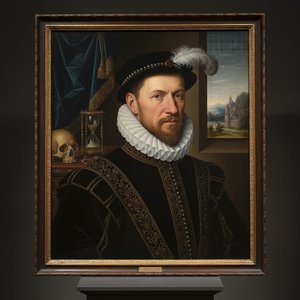
Mastering Detail: The Captivating World of Hans Holbein the Younger’s Northern Renaissance Masterpieces
Explore the breathtaking precision of Hans Holbein the Younger. From Tudor royal portraits to intricate Northern Renaissance details, discover the mastery behind his legendary works and learn how to bring this historical grandeur into your collection with museum-quality reproductions.






