

 Δείτε σε πραγματικό χώρο
 Αποστολή
 Κοινοποίηση
 Λεπτομέρειες

 Λήψη
Λήψη
 Παρόμοια αντικείμενα συλλογής
 Ακτινογραφία
 Παρουσίαση
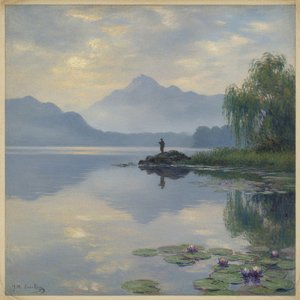
Untitled (AQRB5J)


 Διαβάστε περισσότερα
Giclée / Εκτυπώσεις Τέχνης
Εκτύπωση giclée ή σε καμβά ποιότητας μουσείου με γρήγορη παραγωγή και ευέλικτες επιλογές φινιρίσματος. ( Αγορά χειροποίητου πίνακα Αγορά ψηφιακής εικόνας)




































Επιλέξτε από τις προκαθορισμένες διαστάσεις μας που διατηρούν τις αρχικές αναλογίες του έργου τέχνης.

Μπορείτε να εισαγάγετε δικές σας διαστάσεις ώστε να ταιριάξουν με ένα συγκεκριμένο πλαίσιο ή χώρο. Εάν το επιλεγμένο μέγεθος δεν συμπίπτει με τις αναλογίες της πρωτότυπης εικόνας, θα κόψουμε το έργο τέχνης ή θα επεκτείνουμε την εικόνα με καθρεφτισμένη ή μονόχρωμη ατέλεια. Θα σας αποσταλεί ένα ψηφιακό mockup για έγκρισή σας πριν από την έναρξη της παραγωγής.
Παρακαλούμε σημειώστε ότι η προεπισκόπηση στην οθόνη δεν αντικατοπτρίζει την πραγματική κοπή ή επέκταση. Μόνο το mockup θα δείξει με ακρίβεια την τελική σύνθεση.
Παρόλο που είναι διαθέσιμες προσαρμοσμένες διαστάσεις, προτείνουμε την επιλογή μιας διάστασης από τη προκαθορισμένη λίστα για τη διατήρηση των αρχικών αναλογιών.
Παγκόσμια Αποστολή () σε 2 εβδομάδες αντί για τις συνήθεις 4/5 εβδομάδες. (22 Αύγουστος)

Δωρεάν γρήγορη διεθνής αποστολή

Κάμβας από Λινό Υψηλής Ποιότητας

Πλήρης ασφάλιση μεταφοράς

Εγγύηση Επιστροφής Δασμών και Φόρων

Εγγύηση Απόλυτης Ομοιότητας Χρωμάτων

Πολιτική Επιστροφής 60 Ημερών (Μόνο σε περίπτωση ελαττωμάτων)

Εγγύηση επιστροφής 100% των χρημάτων

Προσφορά για μαζικές παραγγελίες
 Η επιλογή με γυαλί είναι διαθέσιμη μόνο για μεγέθη κάτω από 110 εκ.

Untitled (AQRB5J)
Giclée / Εκτυπώσεις Τέχνης
Διαστάσεις Αναπαραγωγής
-


Συνολική Τιμή
$ 80
Βιογραφία Καλλιτέχνη
A Norwegian Visionary: The Life and Art of Hans Fredrik Gude
Born in Christiania (present-day Oslo) in 1825, Hans Fredrik Gude emerged as a pivotal figure in the blossoming of Norwegian National Romanticism. His lineage – his father, Ove Gude, was a respected lawyer and politician, and his mother, Marie Elisabeth Brandt, fostered an early appreciation for artistic expression – provided a nurturing environment for his burgeoning talent. From the tender age of twelve, young Hans received foundational training under Johannes Flintoe, a landscape painter who instilled in him the fundamentals of drawing and painting. This initial exposure ignited a lifelong passion that would see Gude not only capture the breathtaking beauty of Norway’s landscapes but also help define a national artistic identity. His formal education continued at the Royal School of Drawing in Christiania, where he honed his skills and began to explore the possibilities of landscape as a vehicle for emotional resonance.Early Influences and Düsseldorf Training
At just sixteen years old, Gude embarked on a transformative journey to Düsseldorf, Germany, enrolling at the prestigious Düsseldorf Academy in 1841. This marked a crucial turning point in his artistic development. Under the tutelage of Johann Wilhelm Schirmer, a leading figure in landscape painting, Gude absorbed the principles of meticulous detail, realistic representation, and romantic interpretations of nature that characterized the Düsseldorf School. He became deeply immersed in this influential circle, refining his technique and solidifying his artistic vision. The Düsseldorf School emphasized a highly detailed approach to landscape, often drawing inspiration from the works of Caspar David Friedrich and other German Romantic painters. Gude quickly mastered these techniques, learning to render light, shadow, and texture with remarkable precision. It was during this period that he forged a remarkable collaborative partnership with Adolph Tidemand, whose skill in figure painting beautifully complemented Gude’s mastery of landscape. Their most celebrated joint effort, “Bridal Procession on the Hardangerfjord” (1848), became an iconic representation of Norwegian life and scenery, capturing the spirit of national pride and romantic idealism. The collaboration with Tidemand was particularly significant; it allowed Gude to focus on his strengths – the dramatic rendering of landscapes – while Tidemand contributed figures that grounded the scenes in a sense of human experience.The Birth of a National Style
Gude’s time in Düsseldorf wasn't simply about technical training; he began to develop a distinctly Norwegian style, informed by his deep connection to his homeland. He moved beyond mere imitation of German techniques, incorporating elements of traditional Norwegian art and folklore into his work. This involved a conscious effort to depict the rugged beauty of Norway’s fjords, mountains, and forests – landscapes that held immense cultural significance for the Norwegian people. His paintings began to reflect this national identity, capturing not just the visual splendor but also the spirit of resilience and connection to nature that defined the Norwegian character. He was particularly interested in portraying the dramatic light effects characteristic of the Norwegian landscape, often using a muted palette and atmospheric perspective to create a sense of depth and mystery.Expanding Horizons: Karlsruhe and Berlin
Following his success in Düsseldorf, Gude accepted a professorship at the Academy of Art in Karlsruhe in 1854. This move allowed him to share his knowledge and experience with a new generation of artists, while also providing him with greater creative freedom. He continued to experiment with different techniques and styles during this period, refining his approach to landscape painting and exploring new subjects such as seascapes and coastal scenes. In 1880, he moved to Berlin, where he held a similar position at the Academy of Art until his death in 1903. Throughout these later years, Gude remained committed to *en plein air* painting – working directly from nature – believing that this method was essential for capturing the true essence of the landscape. He encouraged his students to embrace this practice and developed a reputation as a passionate advocate for direct observation and artistic authenticity.Key Works and Lasting Legacy
Gude’s oeuvre is defined by idyllic, sun-drenched Norwegian landscapes that seamlessly blend romantic sensibility with realistic observation. Notable paintings such as “View from Balestrand” (1845), “Fra Chiemsee” (1868), and “Hjemvendende hvalfangerskip i en norsk havn” (“Whaling Ship Returning to a Norwegian Port”) (1869) exemplify his meticulous attention to detail, atmospheric perspective, and masterful use of light. His work became synonymous with the idealized vision of Norway’s natural beauty, contributing significantly to the development of Norwegian national identity and artistic expression. Hans Fredrik Gude remains a celebrated icon of Norwegian art, whose works continue to captivate audiences with their timeless beauty and evocative power. He is remembered not only for his technical skill but also for his dedication to fostering a sense of national pride through his art. His legacy continues to inspire artists today, reminding us of the profound connection between landscape, culture, and artistic expression.
Χανς Φρέντικ Γκούδε
1825 - 1903 , Νορβηγία
Γρήγορα στοιχεία
- Artistic Movement Or Style: Ρομαντισμός
- Artists Or Movements Influenced By This Artist: ['Νορβηγικός Ρομαντισμός']
- Artists Who Influenced This Artist:
- Schirmer
- Achenbach
- Date Of Birth: 13 Μαρτ 1825
- Date Of Death: 17 Αυγ 1903
- Full Name: Hans Fredrik Gude
- Nationality: Νορβηγός
- Notable Artworks:
- Bridal Procession...
- View Balestrand
- Hjemvendende hvalfangerskip
- Place Of Birth: Οσλο, Σουδενία
Σχετικά άρθρα

Οι 10 Κορυφαίοι Πίνακες που Όρισαν τον Ρομαντισμό στην Τοπιογραφία | OriginalUniqueArt.gr
Ανακαλύψτε τους 10 πίνακες που καθόρισαν τον Ρομαντισμό στην τοπιογραφία! Friedrich, Turner & άλλοι. Ιστορίες τέχνης, τεχνικές και έμπνευση για διακόσμηση σπιτιού. Βρείτε αναπαραγωγές υψηλής ποιότητας στο OriginalUniqueArt.com.

Johan Christian Dahl: Pioneering Norwegian Romantic Landscape Painting
Explore the life & art of Johan Christian Dahl, Norway's first great Romantic painter. Discover his iconic landscapes, cultural impact, and lasting legacy with OriginalUniqueArt.

Evocations of Place: A Historical Journey Through Landscape Art
Explore the rich history of landscape art with OriginalUniqueArt. Discover renowned artists, movements like Impressionism & Romanticism, and expert guidance for collecting timeless pieces. Find your perfect serene escape today!
Capturing Stillness: A Curated Exploration of the Most Iconic Lake Landscapes in Art History
Journey through art history's most serene lake landscapes. From Romantic vistas to light-drenched Impressionist waters, discover the stories behind these iconic masterpieces and find museum-quality, hand-painted oil reproductions for your private collection.

The Sublime and the Picturesque: Exploring Emotion & Nature in Romantic Landscape Painting
Explore the emotional power of Romantic landscape painting! Discover the sublime & picturesque traditions, key artists like Friedrich & Cole, and find your perfect artwork at OriginalUniqueArt.

