

 Προεπισκόπηση
 Αποστολή
 Κοινοποίηση
 Λεπτομέρειες
 Οδηγός

 Λήψη
Λήψη
 Παρόμοια αντικείμενα συλλογής
 Ακτινογραφία
 Παρουσίαση
 Στατιστικά
In a Cafe
 Acrylic On Canvas
- WallArt
- Victorian Realism
 1880
1880- 19th Century
 Musée des Beaux-Arts et de la Céramique
 Περισσότερα λεπτομέρεια
Giclée / Εκτυπώσεις Τέχνης
Εκτύπωση giclée ή σε καμβά ποιότητας μουσείου με γρήγορη παραγωγή και ευέλικτες επιλογές φινιρίσματος. ( Αγορά χειροποίητου πίνακα Μετάβαση σε Ψηφιακή Εικόνα)




P118B €10

P118H €10

P118W €10

P438Z €10

P508JH €12

P508YH €12

P805H €10

P805Z €10

P919BZ €10

P919G €10

P919XJ €10

P959ZH €10

P968JZ €12

W106C €8

W218G €10

W218JH €8

W218Y €10

W307PJ €10

W316G €10

W316PJ €8

W316Y €10

W398PJ €8

W4111J €10

W500HY €15

W500JH €15

W692G €12

W849H €8

W940BG €15

W953PJ €8




Επιλέξτε από τις προκαθορισμένες διαστάσεις μας που διατηρούν τις αρχικές αναλογίες του έργου τέχνης.

Πληκτρολογήστε το πλάτος και το ύψος που επιθυμείτε, ώστε να ταιριάζουν στο κάδሮ ή στον τοίχο σας. Μια εκτύπωση μπορεί μόνο να κοπεί και ποτέ να μην γίνει μεγαλύτερη από την εικόνα, επομένως ένα μέγεθος με διαφορετικό σχήμα συνεπάγεται απώλεια ενός μέρους της εικόνας. Σας στέλνουμε ένα ψηφιακό mockup για έγκριση πριν εκτυπώσουμε οτιδήποτε. Η εικόνα που εμφανίζεται σε αυτή τη σελίδα δεν δείχνει την πραγματική κοπή — μόνο το mockup την παρουσιάζει.
Παγκόσμια Αποστολή () σε 2 εβδομάδες αντί για τις συνήθεις 4/5 εβδομάδες. (24 Οκτώβριος)

Δωρεάν γρήγορη διεθνής αποστολή

Κάμβας από Λινό Υψηλής Ποιότητας

Πλήρης ασφάλιση μεταφοράς

Εγγύηση επιστροφής δασμών και φόρων εισαγωγής

Εγγύηση Απόλυτης Ομοιότητας Χρωμάτων

Πολιτική Επιστροφής 100 Ημερών (Μόνο σε περίπτωση ελαττωμάτων)

Εγγύηση επιστροφής 100% των χρημάτων

Έκπτωση για πολλαπλές παραγγελίες
 Η επιλογή με γυαλί είναι διαθέσιμη μόνο για μεγέθη κάτω από 110 εκ.

In a Cafe
Giclée / Εκτυπώσεις Τέχνης
Διαστάσεις Αναπαραγωγής
-


Συνολικό Κόστος
€ 70
A Snapshot of Parisian Life: Gustave Caillebotte’s “In a Cafe”
The painting "In a Cafe," executed by Gustave Caillebotte in 1880, isn't simply a depiction of a Parisian café scene; it’s a carefully constructed observation of the anxieties and aspirations simmering beneath the veneer of Victorian society. Captured in stark black and white photography—a technique that would soon become commonplace—the artwork offers an unexpectedly modern perspective on its time, reflecting Caillebotte’s fascination with capturing fleeting moments and experimenting with compositional innovations.- Subject Matter: The scene portrays a gentleman seated alone at a table in a café, surrounded by other patrons. He gazes directly at the viewer, establishing an intimate connection that transcends the distance of time.
- Style: Caillebotte’s style is characterized by its understated realism combined with subtle stylistic choices that elevate it beyond mere documentation. He eschewed grand narratives and theatrical gestures, favoring instead a quiet contemplation of everyday life—a deliberate rejection of academic conventions prevalent during his era.
Technique and Composition: Pioneering Photographic Influence
Caillebotte’s masterful use of technique speaks volumes about his artistic sensibilities. Like many photographers of the period, he meticulously considered perspective and framing—elements borrowed directly from photographic principles—to create a sense of depth and immediacy. The slightly off-center placement of the gentleman adds dynamism to the composition, drawing the eye across the canvas and subtly disrupting traditional symmetry. Furthermore, the inclusion of a cup on the table serves as a visual anchor, grounding the scene in the tangible realities of daily life.Historical Context: Victorian Uncertainty
“In a Cafe” emerges from a pivotal moment in Parisian history—the burgeoning Industrial Revolution and its impact on urban culture. The Victorian era was marked by anxieties about social change, moral decay, and the rapid pace of technological advancement. Caillebotte’s depiction captures this atmosphere of uncertainty, presenting a scene populated with individuals absorbed in their own thoughts and activities. The café itself symbolizes both comfort and isolation—a space for socializing yet simultaneously offering refuge from the pressures of the outside world.Symbolism and Emotional Resonance
Beyond its formal elements, “In a Cafe” resonates with deeper symbolic meanings. The gentleman’s gaze toward the viewer is particularly noteworthy; it invites contemplation and suggests that Caillebotte wished to engage his audience in a dialogue about perception and experience. The solitary figure embodies the individual's struggle for identity amidst societal forces—a theme that aligns with broader artistic explorations of human psychology during the Victorian period. Ultimately, the painting evokes a feeling of quiet melancholy—a poignant reminder of the beauty found within ordinary moments and the complexities inherent in navigating modern life.Ερωτήσεις & Απαντήσεις
Ποιος καλλιτέχνης και ποιο στυλ βρίσκονται πίσω από το "In a Cafe";
Πίσω από το "In a Cafe" βρίσκονται ο/η Γουσταβός Καλιμπώττης και η καλλιτεχνική κίνηση Victorian Realism.
Γιατί η κατάσταση των πνευματικών δικαιωμάτων του "In a Cafe" είναι αυτή που είναι;
Η κατάσταση των πνευματικών δικαιωμάτων για το "In a Cafe" - δημόσιο κτήμα - τα δικαιώματα αυτορության έχουν λήξει - προκύπτει από τον θάνατο του καλλιτέχνη το έτος 1894.
Πού και για τι σκοπό συνιστάται το "In a Cafe";
Το έργο "In a Cafe" του Γουσταβός Καλιμπώττης προτείνεται για Accent, ιδανικά σε έναν/μια Living Room. Η χρήση και ο χώρος καθορίζουν το κατάλληλο μέρος για την τοποθέτηση μιας αναπαραγωγής.
Βιογραφικό Καλλιτέχνη
A Parisian of the New Age: The Life and Art of Gustave Caillebotte
Gustave Caillebotte, born into a prosperous Parisian family in 1848, stands as a uniquely positioned artist—a witness and chronicler of the dramatic transformations reshaping his city. His father, Martial Caillebotte, inherited a successful textile business and served as a judge, providing Gustave with both financial security and an invaluable vantage point from which to observe the burgeoning modern world. Initially drawn to the structured path of law – earning degrees in law in 1868 and 1870 – Caillebotte’s true calling swiftly revealed itself within the realm of art. He embarked on serious training under Léon Bonnat, immersing himself deeply in painting while simultaneously cultivating a keen fascination with photography, an emerging medium that would profoundly influence his artistic vision—its framing, perspective, and ability to capture fleeting moments becoming integral elements of his distinctive style. Caillebotte’s engagement wasn't merely about documenting change; it was a deliberate act of engaging with the aesthetic possibilities inherent in this dynamic era.Realism Infused with Impressionist Light
Caillebotte’s artistic trajectory diverged from the rigid confines of academic tradition, yet he never fully embraced the purely optical explorations characteristic of many of his Impressionist contemporaries. He found a kindred spirit in artists like Edgar Degas and Giuseppe de Nittis, sharing a fascination with modern life but approaching it through a lens of meticulous realism. His early masterpiece, Les Raboteurs de Parquet (The Floor Scrapers), exhibited at the 1875 Salon, immediately established his reputation as a bold and unconventional painter. The work depicts three laborers painstakingly scraping a wooden floor—a scene of quiet industry rendered with an unflinching honesty that initially shocked some viewers while captivating others. It wasn’t simply the subject matter – the working class rarely graced the canvases of high art – but also the composition: cropped, almost jarringly direct, and deliberately devoid of sentimental idealization. This commitment to portraying contemporary life without resorting to romantic embellishment continued in works like View of Rooftops (Snow), where he masterfully captured the stark beauty of Parisian rooftops blanketed in winter’s embrace, utilizing a high vantage point and subtle atmospheric effects—techniques that hinted at his growing influence from photography and Japanese prints. However, Caillebotte wasn't entirely immune to the allure of Impressionism; his palette gradually lightened, and he began experimenting with broken brushstrokes and shimmering reflections, particularly evident in his evocative depictions of Parisian boulevards and urban landscapes.A Patron and a Pioneer: Navigating the Art World
Beyond his own artistic endeavors, Caillebotte played an unexpectedly significant role in supporting the burgeoning Impressionist movement. His financial independence—a direct result of his father’s success – allowed him to become a crucial patron, purchasing works by Monet, Renoir, Pissarro, Cézanne, Degas, and others at a time when their art was largely dismissed by the conservative Salon jury. This wasn't merely a matter of collecting; Caillebotte actively championed these artists, tirelessly organizing and financing several of the Impressionist exhibitions that defied conventional artistic norms—a bold move that challenged the established order. He understood that the future of art lay in embracing innovation and portraying the realities of modern life. His dedication extended to his own collection, which he bequeathed to the French state upon his untimely death in 1894 – a bequest initially met with skepticism but ultimately forming the cornerstone of the Musée d’Orsay's renowned Impressionist holdings. Caillebotte’s unique perspective also manifested in his compositions; works like Boulevard vu d’en haut (Boulevard Seen from Above), painted in 1880, demonstrate a strikingly modern sensibility—employing an elevated viewpoint and dynamic cropping that subtly foreshadowed the photographic perspectives of the 20th century. This innovative approach to composition, possibly influenced by Japanese prints and his own photographic experiments, set him apart as a true pioneer, anticipating future artistic developments.Notable Works
- Les Raboteurs de Parquet (The Floor Scrapers) (1875): A groundbreaking work showcasing Caillebotte’s realism and unconventional composition.
- View of Rooftops (Snow) (1878): Demonstrates his use of high vantage points and atmospheric effects, influenced by photography and Japanese prints.
- Boulevard vu d’en haut (Boulevard Seen from Above) (1880): A strikingly modern composition with a dynamic perspective.
- Paris Street; Rainy Day (1877): Perhaps his most famous work, capturing the bustling energy of Parisian life in a unique and evocative manner.
- The Bezique Game(1881) : A captivating Impressionist painting of Parisian leisure.
Legacy and Rediscovery: A Modern Master Reclaimed
For decades following his death, Caillebotte’s work remained largely obscured, overshadowed by the more celebrated figures of Impressionism. It wasn't until the late 20th century that a comprehensive reassessment of his art began to take hold, fueled by meticulous scholarly research and major exhibitions—a testament to the enduring power of his vision. This rediscovery revealed an artist of remarkable technical skill, intellectual depth, and visionary insight. Caillebotte’s paintings are not simply depictions of modern life; they are profound meditations on the complexities of urban existence, the shifting social landscape, and the evolving relationship between art and reality. His ability to seamlessly blend realism with Impressionist techniques, his innovative compositions, and his unwavering commitment to portraying the world around him have secured his place as a pivotal figure in 19th-century art—an artist who dared to capture the spirit of a new age.
Γουσταβός Καλιμπώττης
1848 - 1894 , Γαλλία
Στοιχεία καλλιτέχνη
- Artistic Movement Or Style: Ρεαλισμός, Ενπυσηματισμός
- Artists Or Movements Influenced By This Artist: ['Ενπυσηματισμός']
- Artists Who Influenced This Artist:
- Degas
- Nittis
- Date Of Birth: 19 Αυγ 1848
- Date Of Death: 21 Φεβ 1894
- Full Name: Gustave Caillebotte
- Nationality: Γάλλος
- Notable Artworks:
- Les Raboteurs de Parquet
- Rooftops (Snow)
- Boulevard vu d’en haut
- Place Of Birth: Παρίσι, Γαλλία
Σχετικά άρθρα
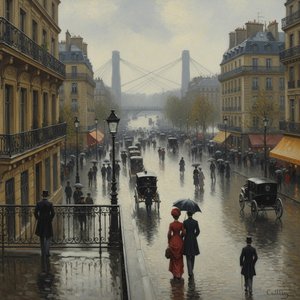
Gustave Caillebotte: Bridging Realism & Modernity in Parisian Life
Explore the life & art of Gustave Caillebotte, a pivotal figure bridging Realism & Impressionism. Discover his iconic Parisian scenes and lasting legacy with OriginalUniqueArt.

Οι 10 πιο διάσημες πίνακες με λευκό χρώμα: Ιστορία, τέχνη & διακόσμηση
Ανακαλύψτε τους 10 πιο διάσημους πίνακες με κυρίαρχο το λευκό χρώμα! Ιμπρεσιονισμός, μοντερνισμός & η ιστορία των μεγάλων καλλιτεχνών όπως ο Monet και ο Van Gogh. Βρείτε την τέλεια αναπαραγωγή πίνακα για τον χώρο σας στην OriginalUniqueArt.com.

Οι 10 πιο διάσημοι πίνακες με κυρίαρχο το μαύρο χρώμα | OriginalUniqueArt.gr
Ανακαλύψτε τους 10 πιο διάσημους πίνακες με κυρίαρχο το μαύρο χρώμα! Από Rembrandt και Goya, εξερευνήστε την ιστορία, τις τεχνικές & τα συναισθήματα που κρύβουν αυτά τα αριστουργήματα. Βρείτε αναπαραγωγές υψηλής ποιότητας στο OriginalUniqueArt.com.

Monochrome Visions: Exploring the Aesthetic & Historical Significance of Black & White Photography
Explore the rich history & artistic power of black and white photography. From early techniques to iconic masters like Ansel Adams, discover why monochrome continues to captivate art lovers today. Expert insights for collectors.

Οι 25 Κορυφαίοι Πίνακες του Gustav Klimt: Έμπνευση για Διακόσμηση και Τέχνη
Ανακαλύψτε τους 25 πιο εμβληματικούς πίνακες του Gustav Klimt! Εξερευνήστε την τέχνη Art Nouveau, τον συμβολισμό και τα χρυσά χρώματα που καθόρισαν το έργο του. Βρείτε αναπαραγωγές υψηλής ποιότητας για διακόσμηση σπιτιού στο OriginalUniqueArt.com.


