
 Αγορά εκτύπωσης Αγοράστε την αναπαραγωγή
 Αποστολή
 Κοινοποίηση
 Λεπτομέρειες
 Προσθήκη στα αγαπημένα

 Λήψη
Λήψη
 Παρόμοια έργα
 Ακτινογραφία
 Παρουσίαση
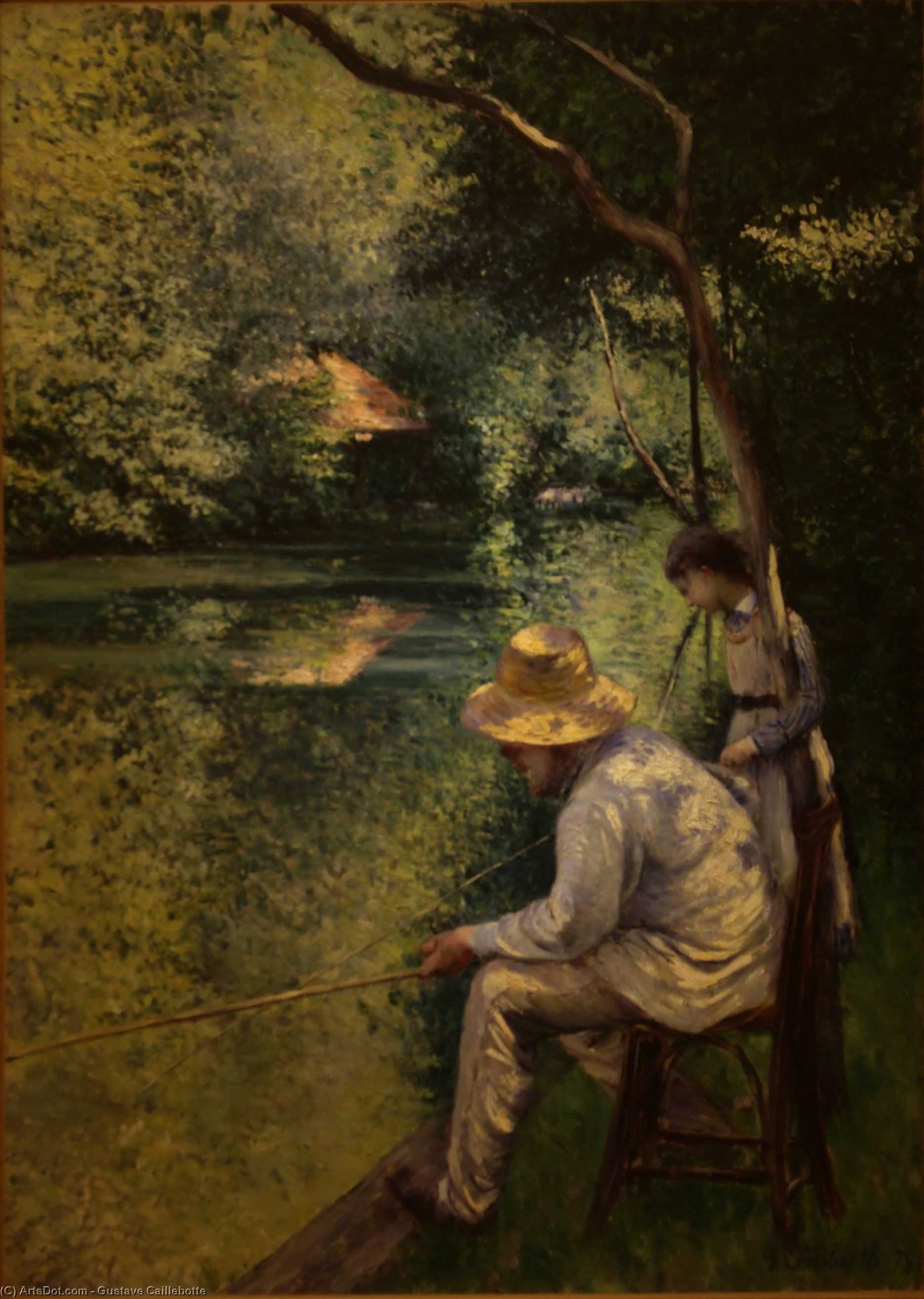
Angling
 Acrylic On Canvas
- WallArt
- Realism
 1878
1878- 19th Century
 100.0 x 75.0 cm
 Περισσότερα λεπτομέρεια
Αγοράστε μια ψηφιακή εικόνα υψηλής ανάλυσης και βελτιωμένης ποιότητας, πολύ ανώτερης από την προεπισκόπηση στο διαδίκτυο.
Κάθε αρχείο προετοιμάζεται σχολαστικά από τους ειδικούς μας, χρησιμοποιώντας προηγμένα εργαλεία και εξειδικευμένο χειροκίνητο ρετουσάρισμα. Εξασφαλίζουμε ότι κάθε εικόνα διαθέτει εξαιρετική ευκρίνεια, απόλυτη πιστότητα στο χρώμα και λεπτομερή ανάδραση των λεπτομερειών.
Το τελικό αρχείο παραδίδεται μέσω email εντός 72 ωρών, βελτιστοποιημένο για άμεση χρήση σε επαγγελματικά, εκδοτικά και έντυπα περιβάλλοντα. Πρόκειται για την ίδια ποιότητα που εμπιστεύονται κορυφαία studios σχεδιασμού, εκδότες και γκαλερί.
Ψηφιακή εικόνα
Κατεβάστε ένα αρχείο υψηλής ανάλυσης για προσωπική χρήση, εκτύπωση και δημιουργικά έργα.
Περιλαμβάνεται σε κάθε αγορά ψηφιακής εικόνας
Επαγγελματική Ψηφιακή Παράδοση, Με Εγγύηση
Όταν επιλέγετε το OriginalUniqueArt.com, δεν αποκτάτε απλώς μια εικόνα – λαμβάνετε ένα επαγγελματικά αναβαθμισμένο ψηφιακό έργο τέχνης, δημιουργημένο με ακρίβεια και με εγγύηση ικανοποίησης. Δείτε όλα όσα περιλαμβάνονται στην παραγγελία σας, αυτόματα:

Άμεση αποστολή μέσω email
Το ψηφιακό σας αρχείο εικόνας υψηλής ανάλυσης θα σας σταλεί μέσω email εντός 72 ωρών από την παραγγελία σας — έτοιμο για άμεση χρήση.

Ψηφιακό Αρχείο με Τεχνητή Νοημοσύνη
Το έργο σας βελτιστοποιείται επαγγελματικά με τη χρήση προηγμένων εργαλείων Τεχνητής Νοημοσύνης και χειροκίνητης επεξεργασίας, εξασφαλίζοντας μέγιστη λεπτομέρεια, ευκρίνεια και ακρίβεια χρωμάτων.

Δωρεάν επανεκδόσεις مدى ζωής
Απώλησες ή διαγράψατε κατά λάθος το αρχείο σας; Μην ανησυχείτε — θα σας το ξαναστείλομε οποιαδήποτε στιγμή, δωρεάν.

Χωρίς Τελωνειακούς Φόρους - Ποτέ
Απολαύστε αμέσως τα έργα τέχνης σας χωρίς δασμούς, φόρους ή έξοδα αποστολής - οι ψηφιακές λήψεις είναι πάντα αφορεশিপτεία.

Εγγύηση Ακριβούς Χρωματισμού
Εξασφαλίζουμε ότι η ψηφιακή σας εικόνα αποτυπώνει τα αυθεντικά χρώματα όσο το δυνατόν πιστότερα, χρησιμοποιώντας επαγγελματικά εργαλεία και διαχείριση χρωμάτων.

Εγγύηση Ικανοποίησης 60 Ημερών
Εάν δεν είστε ικανοποιημένοι με την ψηφιακή σας εικόνα, θα την αναθεωρήσουμε ή θα σας επιστρέψουμε το 100% της αξίας της εντός 60 ημερών - χωρίς κανένα ερώτημα.

100% Εγγύηση Επιστροφής Χρήματος
Δεν είστε ικανοποιημένοι; Λάβετε πλήρη επιστροφή των χρημάτων σας εντός 60 ημερολογιακών ημερών από τη λήψη του ψηφιακού σας αρχείου — χωρίς κανένα ερώτημα.

Εκπτώσεις για Μαζικές Παραγγελίες
Αγοράστε 3 εικόνες, κάντε εξοικονόμηση 10% - Αγοράστε 5, κάντε εξοικονόμηση 15% - Αγοράστε 10+, κάντε εξοικονόμηση 20%. Ιδανικό για δημιουργικά έργα, γκαλερί και agencies.
Περιγραφή Συλλεκτικού Αντικειμένου
Gustave Caillebotte’s “Angling”: A Snapshot of Parisian Leisure
Angling, painted in 1878, offers a remarkably intimate glimpse into the burgeoning leisure culture of late nineteenth-century Paris. Executed by Gustave Caillebotte, a pivotal figure of the Impressionist movement yet distinctly his own, this work transcends a simple depiction of two individuals fishing; it’s a carefully constructed tableau that speaks volumes about social life, artistic innovation, and the evolving relationship between art and modernity.
- Subject Matter: The scene unfolds along the banks of a tranquil river, capturing a quintessential Parisian pastime – angling. Two figures, a man and a woman, are engaged in this activity, their postures relaxed and suggesting a shared moment of quiet enjoyment.
- Composition: Caillebotte’s masterful composition utilizes a shallow depth of field, characteristic of his engagement with photography, to draw the viewer into the scene. The placement of the figures, the strategically positioned chairs and bench, and the framing by the surrounding trees create a sense of immediacy and invite participation.
Technique and Artistic Innovation
Caillebotte’s technique is both precise and subtly impressionistic. He employs short, broken brushstrokes – a direct influence from his early fascination with photography – to render the textures of the riverbank, the clothing of the figures, and the foliage. The use of light and shadow is particularly noteworthy, creating a luminous quality that enhances the sense of atmosphere. Unlike many of his contemporaries who sought to capture fleeting moments in vibrant color, Caillebotte favors a more subdued palette, dominated by earthy tones – browns, greens, and blues – reflecting the natural environment.
His approach reflects a key shift within Parisian art circles at this time. While Impressionists were pushing boundaries with bold color and loose brushwork, Caillebotte demonstrated an ability to combine these influences with a rigorous attention to detail and perspective, reminiscent of academic training but filtered through a distinctly modern sensibility.
Historical Context and Symbolism
Painted in 1878, “Angling” reflects the growing importance of leisure activities within Parisian society. The rise of industrialization had created a new class of wealthy individuals who sought escape from the pressures of urban life. Fishing became a popular pastime, offering an opportunity for relaxation and social interaction. The inclusion of both a man and a woman suggests a depiction of bourgeois domesticity – a carefully constructed image of respectability and refinement.
Furthermore, Caillebotte’s interest in photography is evident in the painting's precise composition and attention to detail. This fascination with the medium would become increasingly central to his artistic practice, influencing his approach to subject matter, perspective, and ultimately, his unique visual language.
Emotional Impact and Aesthetic Value
“Angling” possesses a quiet charm that resonates deeply. It’s not a dramatic or overtly emotional scene, but rather one imbued with a sense of tranquility and understated beauty. The painting invites the viewer to contemplate the simple pleasures of life – the connection between people and nature, the pursuit of leisure, and the enduring appeal of a timeless activity. This 100 x 75 cm reproduction captures the essence of Caillebotte’s vision with exceptional fidelity, offering an ideal addition to any discerning collection or a captivating element for interior design.
Βιογραφικό Καλλιτέχνη
A Parisian of the New Age: The Life and Art of Gustave Caillebotte
Gustave Caillebotte, born into a prosperous Parisian family in 1848, stands as a uniquely positioned artist—a witness and chronicler of the dramatic transformations reshaping his city. His father, Martial Caillebotte, inherited a successful textile business and served as a judge, providing Gustave with both financial security and an invaluable vantage point from which to observe the burgeoning modern world. Initially drawn to the structured path of law – earning degrees in law in 1868 and 1870 – Caillebotte’s true calling swiftly revealed itself within the realm of art. He embarked on serious training under Léon Bonnat, immersing himself deeply in painting while simultaneously cultivating a keen fascination with photography, an emerging medium that would profoundly influence his artistic vision—its framing, perspective, and ability to capture fleeting moments becoming integral elements of his distinctive style. Caillebotte’s engagement wasn't merely about documenting change; it was a deliberate act of engaging with the aesthetic possibilities inherent in this dynamic era.Realism Infused with Impressionist Light
Caillebotte’s artistic trajectory diverged from the rigid confines of academic tradition, yet he never fully embraced the purely optical explorations characteristic of many of his Impressionist contemporaries. He found a kindred spirit in artists like Edgar Degas and Giuseppe de Nittis, sharing a fascination with modern life but approaching it through a lens of meticulous realism. His early masterpiece, Les Raboteurs de Parquet (The Floor Scrapers), exhibited at the 1875 Salon, immediately established his reputation as a bold and unconventional painter. The work depicts three laborers painstakingly scraping a wooden floor—a scene of quiet industry rendered with an unflinching honesty that initially shocked some viewers while captivating others. It wasn’t simply the subject matter – the working class rarely graced the canvases of high art – but also the composition: cropped, almost jarringly direct, and deliberately devoid of sentimental idealization. This commitment to portraying contemporary life without resorting to romantic embellishment continued in works like View of Rooftops (Snow), where he masterfully captured the stark beauty of Parisian rooftops blanketed in winter’s embrace, utilizing a high vantage point and subtle atmospheric effects—techniques that hinted at his growing influence from photography and Japanese prints. However, Caillebotte wasn't entirely immune to the allure of Impressionism; his palette gradually lightened, and he began experimenting with broken brushstrokes and shimmering reflections, particularly evident in his evocative depictions of Parisian boulevards and urban landscapes.A Patron and a Pioneer: Navigating the Art World
Beyond his own artistic endeavors, Caillebotte played an unexpectedly significant role in supporting the burgeoning Impressionist movement. His financial independence—a direct result of his father’s success – allowed him to become a crucial patron, purchasing works by Monet, Renoir, Pissarro, Cézanne, Degas, and others at a time when their art was largely dismissed by the conservative Salon jury. This wasn't merely a matter of collecting; Caillebotte actively championed these artists, tirelessly organizing and financing several of the Impressionist exhibitions that defied conventional artistic norms—a bold move that challenged the established order. He understood that the future of art lay in embracing innovation and portraying the realities of modern life. His dedication extended to his own collection, which he bequeathed to the French state upon his untimely death in 1894 – a bequest initially met with skepticism but ultimately forming the cornerstone of the Musée d’Orsay's renowned Impressionist holdings. Caillebotte’s unique perspective also manifested in his compositions; works like Boulevard vu d’en haut (Boulevard Seen from Above), painted in 1880, demonstrate a strikingly modern sensibility—employing an elevated viewpoint and dynamic cropping that subtly foreshadowed the photographic perspectives of the 20th century. This innovative approach to composition, possibly influenced by Japanese prints and his own photographic experiments, set him apart as a true pioneer, anticipating future artistic developments.Notable Works
- Les Raboteurs de Parquet (The Floor Scrapers) (1875): A groundbreaking work showcasing Caillebotte’s realism and unconventional composition.
- View of Rooftops (Snow) (1878): Demonstrates his use of high vantage points and atmospheric effects, influenced by photography and Japanese prints.
- Boulevard vu d’en haut (Boulevard Seen from Above) (1880): A strikingly modern composition with a dynamic perspective.
- Paris Street; Rainy Day (1877): Perhaps his most famous work, capturing the bustling energy of Parisian life in a unique and evocative manner.
- The Bezique Game(1881) : A captivating Impressionist painting of Parisian leisure.
Legacy and Rediscovery: A Modern Master Reclaimed
For decades following his death, Caillebotte’s work remained largely obscured, overshadowed by the more celebrated figures of Impressionism. It wasn't until the late 20th century that a comprehensive reassessment of his art began to take hold, fueled by meticulous scholarly research and major exhibitions—a testament to the enduring power of his vision. This rediscovery revealed an artist of remarkable technical skill, intellectual depth, and visionary insight. Caillebotte’s paintings are not simply depictions of modern life; they are profound meditations on the complexities of urban existence, the shifting social landscape, and the evolving relationship between art and reality. His ability to seamlessly blend realism with Impressionist techniques, his innovative compositions, and his unwavering commitment to portraying the world around him have secured his place as a pivotal figure in 19th-century art—an artist who dared to capture the spirit of a new age.
Γουσταβός Καλιμπώττης
1848 - 1894 , Γαλλία
Σύντομα στοιχεία
- Artistic Movement Or Style: Ρεαλισμός, Ενπυσηματισμός
- Artists Or Movements Influenced By This Artist: ['Ενπυσηματισμός']
- Artists Who Influenced This Artist:
- Degas
- Nittis
- Date Of Birth: 19 Αυγ 1848
- Date Of Death: 21 Φεβ 1894
- Full Name: Gustave Caillebotte
- Nationality: Γάλλος
- Notable Artworks:
- Les Raboteurs de Parquet
- Rooftops (Snow)
- Boulevard vu d’en haut
- Place Of Birth: Παρίσι, Γαλλία

