
 Προεπισκόπηση σε πραγματική κλίμακα
 Αποστολή
 Κοινοποίηση
 Λεπτομέρειες
 Οδηγός

 Λήψη
Λήψη
 Παρόμοια αντικείμενα συλλογής
 Ακτινογραφία
 Παρουσίαση
 Ερωτήσεις & Απαντήσεις
 Στατιστικά
Cup


 Περισσότερα
Giclée / Εκτυπώσεις Τέχνης
Εκτύπωση giclée ή σε καμβά ποιότητας μουσείου με γρήγορη παραγωγή και ευέλικτες επιλογές φινιρίσματος. ( Αγορά χειροποίητου πίνακα Μετάβαση σε Ψηφιακή Αποτέλεσμα)




P118B €10

P118H €10

P118W €10

P438Z €10

P508JH €12

P508YH €12

P805H €10

P805Z €10

P919BZ €10

P919G €10

P919XJ €10

P959ZH €10

P968JZ €12

W106C €8

W218G €10

W218JH €8

W218Y €10

W307PJ €10

W316G €10

W316PJ €8

W316Y €10

W398PJ €8

W4111J €10

W500HY €15

W500JH €15

W692G €12

W849H €8

W940BG €15

W953PJ €8




Επιλέξτε από τις προκαθορισμένες διαστάσεις μας που διατηρούν τις αρχικές αναλογίες του έργου τέχνης.

Εισάγετε το πλάτος και το ύψος που επιθυμείτε, ώστε να ταιριάζουν στο κάδሮ ή στον τοίχο σας. Μια εκτύπωση μπορεί μόνο να υποστεί κοψίμό και ποτέ να μην γίνει μεγαλύτερη από την αρχική εικόνα, επομένως η επιλογή μεγέθους με διαφορετικό σχήμα συνεπάγεται απώλεια ενός μέρους της εικόνας. Σας στέλνουμε ένα ψηφιακό mockup για έγκριση πριν προχωρήσουμε σε οποιαδήποτε εκτύπωση. Η εικόνα που εμφανίζεται σε αυτή τη σελίδα δεν δείχνει την πραγματική κοπή — μόνο το mockup την παρουσιάζει.
Παγκόσμια Αποστολή () σε 2 εβδομάδες αντί για τις συνήθεις 4/5 εβδομάδες. (7 Νοέμβριος)

Δωρεάν γρήγορη διεθνής αποστολή

Κάμβας από Λινό Υψηλής Ποιότητας

Πλήρης ασφάλιση μεταφοράς

Εγγύηση επιστροφής δασμών και φόρων εισαγωγής

Εγγύηση Απόλυτης Ομοιότητας Χρωμάτων

Πολιτική Επιστροφής 100 Ημερών (Μόνο σε περίπτωση ελαττωμάτων)

Εγγύηση επιστροφής 100% των χρημάτων

Προσφορά για πολλαπλές παραγγελίες
 Η επιλογή με γυαλί είναι διαθέσιμη μόνο για μεγέθη κάτω από 110 εκ.

Cup
Giclée / Εκτυπώσεις Τέχνης
Διαστάσεις Αναπαραγωγής
-


Τελική Τιμή
€ 72
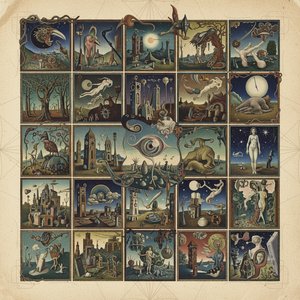
Giovanni Battista Gariboldi: Cup - A Study in Organic Texture and Serene Green
Giovanni Battista Gariboldi’s 1936 ceramic bowl stands as a testament to the enduring power of Italian craftsmanship and a masterful exploration of natural forms. More than just tableware, it embodies a deliberate aesthetic choice—a commitment to capturing the essence of organic beauty within a meticulously crafted medium.
- Subject Matter: The bowl’s central focus is simplicity itself: a single ceramic vessel designed to hold liquid. However, its unassuming appearance belies a profound consideration for visual harmony and textural richness.
- Style: Gariboldi's work aligns squarely with the principles of ceramic art—a tradition rooted in ancient techniques and celebrated for its ability to transform raw materials into objects of enduring elegance. Influenced by Art Deco sensibilities, it leans towards geometric forms softened by organic contours.
- Technique: The bowl’s surface is achieved through a painstaking process of hand-building – likely utilizing coil construction—followed by careful glazing application. This technique ensures that every piece possesses unique variations in tone and texture, reflecting the inherent irregularities of natural materials.
The glaze itself contributes significantly to the overall impression. Gariboldi skillfully employs a palette dominated by shades of green – from deep olive tones reminiscent of ancient woodlands to lighter hues suggestive of tranquil lagoons. These colors aren’t merely decorative; they evoke feelings of serenity and connection with the natural world.
Historical Context: Created in 1936, Gariboldi's bowl reflects the broader artistic currents of its time—a period marked by a renewed interest in organic forms and a desire to express emotion through visual language. It stands as an exemplar of Italian ceramic art during the Fascist era, showcasing a dedication to tradition while embracing stylistic innovations.
Symbolism: The bowl’s textured surface – resembling a leaf or petal – speaks to themes of growth, fragility, and renewal. These symbols resonate deeply within Pre-Raphaelite aesthetics—a movement that championed idealized beauty and sought inspiration in medieval myths and legends. Gariboldi's piece invites contemplation on the relationship between humanity and nature.
Emotional Impact: Viewing Gariboldi’s bowl is an experience of quiet contemplation. Its understated elegance and harmonious color palette inspire a sense of calm and appreciation for artisanal skill—a reminder that beauty can be found in simplicity and that objects crafted with care hold profound emotional resonance.
Ερωτήσεις και Απαντήσεις
Είναι νόμιμη η αναπαραγωγή του έργου "Cup" του Giovanni Battista Gariboldi, το οποίο βρίσκεται στο Κάστρο Σφόρζε;
Το έργο "Cup" του Giovanni Battista Gariboldi, το οποίο βρίσκεται στο Κάστρο Σφόρζε, ανήκει στο δημόσιο κτήμα - τα δικαιώματα αυτορության έχουν λήξει. Η κατάσταση αυτή καθορίζει εάν επιτρέπεται η δημιουργία αναπαραγωγών της εικόνας.
Ποια εποχή της καριέρας του/της Giovanni Battista Gariboldi αντιπροσωπεύει το έργο "Cup";
Στο πλαίσιο της καριέρας του/της Giovanni Battista Gariboldi, το έργο "Cup" ανήκει στην περίοδο Early Modern. Αυτή η φάση διευκολύνει τη σύγκρισή του με άλλα έργα του/της καλλιτέχνη/της.
Ποιος δημιούργησε το "Cup" και σε ποια χρονιά;
Το έργο "Cup" δημιουργήθηκε από τον/την Giovanni Battista Gariboldi το 1936.
Σχετικά άρθρα

The Alchemy of Clay: A Collector's Guide to the Mastery, Texture, and Timeless Form of Ceramic Art
Discover the profound beauty of ceramic art. Our expert guide explores the alchemy of clay, texture, and glaze, offering collectors deep insights into mastering earth and fire to create timeless, sculptural masterpieces for any curated collection.

The Art of Ceramics: A Guide to Mastery, Texture, and Timeless Form for the Discerning Collector
Explore the profound elegance of ceramic art. From master glazes to sculptural forms, our expert guide offers discerning collectors deep insights into the mastery, texture, and timeless value of fine ceramics for sophisticated collections and luxury interiors.

Φερνάν Λεζέ: Τα 25 Κορυφαία Έργα Τέχνης για Διακόσμηση με Στυλ
Ανακαλύψτε τα 25 κορυφαία έργα τέχνης του Φερνάν Λεζέ! Εξερευνήστε την ιστορία, τις τεχνικές και το χρώμα πίσω από τους εμβληματικούς πίνακες του κυβισμού & Tubism. Βρείτε αναπαραγωγές υψηλής ποιότητας για διακόσμηση στο OriginalUniqueArt.com.
Max Ernst: Τα 25 Εμβληματικότερα Έργα του Σουρεαλιστή Καλλιτέχνη | OriginalUniqueArt.gr
Ανακαλύψτε τα 25 εμβληματικότερα έργα του Max Ernst, πρωτοπόρου του σουρεαλισμού. Εξερευνήστε την ιστορία, τις τεχνικές και το όραμα πίσω από πίνακες που άλλαξαν την τέχνη. Υψηλής ποιότητας αναπαραγωγές & διακόσμηση στο OriginalUniqueArt.com.

Paul Cézanne: Τα 25 Κορυφαία Έργα Τέχνης για Διακόσμηση & Συλλογή
Ανακαλύψτε τα 25 κορυφαία έργα τέχνης του Paul Cézanne! Ιμπρεσιονισμός, μετα-ιμπρεσιονισμός & η τεχνοτροπία του. Βρείτε πίνακες για διακόσμηση και συλλογή υψηλής ποιότητας στο OriginalUniqueArt.com.