Baroque Landscape
Landscape (Χίλλις Φαν Κόνινξλοο)
Ο/Η Χίλλις Φαν Κόνινξλοο (1544–1607) δημιούργησε το Landscape. Ανήκει στο κίνημα Baroque Landscape. Είναι φτιαγμένο σε Oil On Copper. Αποθηκεύεται στο Μουσείο του Πράδο στο Μαδρίτη, Ισπανία. Οι διαστάσεις είναι 24 × 19 cm.
- Oil On Copper
- 24 × 19 cm
- Μουσείο του Πράδο, Μαδρίτη

 Προεπισκόπηση σε πραγματική κλίμακα

 Ελαιογραφικό Χειροποίητο Έργο
 Αποστολή
 Κοινοποίηση
 Πληροφοριακό φύλλο


 Λήψη
 Παρόμοια αντικείμενα συλλογής
 Ακτινογραφία
 Παρουσίαση
 Ερωτήσεις & Απαντήσεις

 Στατιστικά
Landscape, εν συντομία
- Τίτλος
- Landscape
- Καλλιτέχνης
- Χίλλις Φαν Κόνινξλοο (1544–1607)
- Γεννημένος/η το
- Αμβέρσα, Βέλγιο
- Μέσο
- Oil On Copper
- Διαστάσεις
- 24 × 19 cm
- Πού εκτίθεται
- Μουσείο του Πράδο, Μαδρίτη, Ισπανία
- Κίνηση
- Baroque Landscape
- Θέμα
- landscape, flemish style, baroque art, forest scene, castle architecture, atmospheric perspective
Τι απεικονίζει το Landscape;
A Flemish Master’s Woodland Reverie: Gillis van Coninxloo's “Landscape”
Gillis van Coninxloo’s “Landscape,” a captivating oil on copper panel, transports the viewer to a realm of serene contemplation within a meticulously rendered Flemish forest. Painted around 1598, this work stands as a pivotal example of the artist’s mastery in capturing the atmospheric depth and intricate detail characteristic of the early 16th-century Golden Age. More than just a depiction of nature, it's an invitation to lose oneself within a carefully constructed world of light, shadow, and subtle symbolism – a testament to van Coninxloo’s profound understanding of both landscape painting and the human experience.
The scene unfolds before us with remarkable realism. A dense thicket of trees dominates the foreground, their leaves rendered with an almost obsessive attention to detail; each vein, each curl of bark, is painstakingly observed and faithfully reproduced. These trees aren’t merely static elements; they create a palpable sense of depth, drawing the eye into the heart of the forest. Beyond them, a modest collection of buildings – likely farmhouses or small dwellings – nestles amongst the foliage, suggesting a quiet rural existence. The architecture is understated yet solid, reflecting a pragmatic approach to building within this natural setting. In the distance, a formidable castle rises above the horizon, its imposing silhouette anchoring the composition and hinting at notions of power, protection, and perhaps even isolation.
The Alchemy of Light and Shadow: Technique and Style
Van Coninxloo’s technical skill is immediately apparent in his masterful use of oil on copper. This medium allowed for a remarkable level of detail and luminosity – the surface retains a subtle sheen that enhances the richness of the colors and creates an almost three-dimensional effect. The artist employs a technique known as “chiaroscuro,” skillfully manipulating light and shadow to sculpt the forms and create a dramatic sense of depth. Notice how the sunlight filters through the trees, dappling the ground in pools of brightness while simultaneously casting deep shadows beneath the foliage. This interplay of light and dark isn’t merely decorative; it imbues the scene with a palpable atmosphere – a feeling of both tranquility and mystery.
Stylistically, “Landscape” aligns itself with the Flemish tradition of landscape painting, yet van Coninxloo departs from some of the more rigid conventions of the time. While influenced by the Northern Mannerist style—characterized by its emphasis on detail and symbolic imagery—he introduces a greater sense of naturalism and emotional resonance. The composition is carefully balanced, creating a harmonious whole that invites contemplation. The muted color palette – dominated by greens, browns, and grays – contributes to the overall feeling of serenity and timelessness.
A Window into 16th-Century Life and Belief
To fully appreciate “Landscape,” it’s important to consider its historical context. Painted during a period of religious upheaval and political instability in the Netherlands, this work reflects both the anxieties and the enduring values of the era. The castle, for instance, can be interpreted as a symbol of authority – whether representing secular power or divine protection. The humble dwellings nestled within the forest suggest a connection to the land and a reverence for rural life. Furthermore, the dense woodland itself has long been associated with themes of solitude, introspection, and the spiritual realm.
Interestingly, this painting was originally housed in the Museo del Prado in Madrid, Spain, a testament to its enduring appeal across national boundaries. The artist’s biography reveals a fascinating journey – from Antwerp to Germany and eventually Amsterdam—reflecting the shifting political landscape of the time. His work served as a bridge between artistic styles, incorporating elements of Mannerism while embracing the burgeoning realism of the Dutch Golden Age.
A Timeless Masterpiece: Reproduction and Inspiration
Reproductions of “Landscape” capture only a fraction of its original impact. The subtle nuances of light, texture, and atmosphere are difficult to replicate fully, but OriginalUniqueArt’s hand-painted reproductions strive to honor the artist's vision with remarkable fidelity. This piece offers an exceptional opportunity for interior designers seeking to evoke a sense of tranquility and connection to nature – imagine it adorning a study or a living room, providing a focal point that invites contemplation. Collectors will find “Landscape” to be a valuable addition to any art collection, representing a significant moment in the history of Flemish landscape painting.
For further exploration, we encourage you to visit the linked resources:
Σε ποιο μουσείο βρίσκεται το Landscape;
Μουσείο του Πράδο
Μαδρίτη, Ισπανία
Ένα Παλάτι που Αναπνέει Μέσα από τους Αιώνες: Το Εθνικό Μουσείο Prado Βαδίζοντας στην επιβλητική είσοδο του Εθνικού Μουσείου Prado είναι σαν να εισέρχεσαι σε μια ζωντανή χρονογράφηση – μια μαρτυρία για την καλλιτεχνική εξέλιξη της Ισπανίας και τη βασιλική προστάτη. Περισσότερο από ένα απλό αποθετήριο αριστουργημάτων, αυτό το μεγαλειώδες παλάτι στη Μαδρίτη αναπνέει με τους αιώνες, τα τείχη του αντηχούν με τις πινελιές των Βελάθκεζ, Γκόγια, Ελ Γκρέκο και αμέτρητων άλλων. Αρχικά σχεδιασμένο ως ένα «Φυσικής Ιστορίας Καμπίνε» από τον Φερδινάνδο Ζ’, μια τολμηρή στροφή προς τη γιορτή της καλλιτεχνικής κληρονομιάς της Ισπανίας μεταμόρφωσε αυτό το φιλόδοξο σχέδιο σε ένα από τα πιο φημισμένα μουσεία τέχνης του κόσμου – έναν τόπο όπου η μεγαλοπρέπεια του παρελθόντος συνυπάρχει άψογα με τον ζωντανό παλμό της σύγχρονης επιστημονικής έρευνας.


Εικόνες υψηλής ανάλυσης του Landscape
Δημόσιος τομέας: ο καλλιτέχνης απεβίωσε το 1607.
Χίλλις Φαν Κόνινξλοο, Landscape, Μουσείο του Πράδο. Δημόσιο περιουσιακό δικαίωμα
Ερωτήσεις για το Landscape, απαντημένες
Πού εκτίθεται σήμερα το "Landscape" του Χίλλις Φαν Κόνινξλοο;
Το πρωτότυπο έργο "Landscape" του Χίλλις Φαν Κόνινξλοο βρίσκεται στο Μουσείο του Πράδο, Μαδρίτη, Ισπανία. Μια αναπαραγωγή σας επιτρέπει να εκθέσετε το έργο στο σπίτι σας.
Με ποια τεχνική δημιουργήθηκε το "Landscape" του Χίλλις Φαν Κόνινξλοο;
Η τεχνική του έργου "Landscape" του Χίλλις Φαν Κόνινξλοο είναι το Oil On Copper. Οι αναπαραγωγές στοχεύουν στην πιστή απόδοση της εμφάνισης αυτής της τεχνικής.
Ποια είναι οι διαστάσεις του πρωτότυπου "Landscape";
Οι καταγεγραμμένες διαστάσεις του έργου "Landscape" του Χίλλις Φαν Κόνινξλοο είναι 24 x 19 cm. Αναπαραγωγές μπορούν να παραγγηθούν σε άλλες διαστάσεις, διατηρώντας τις ίδιες αναλογίες.
Τι απεικονίζει το "Landscape" του Χίλλις Φαν Κόνινξλοο;
Το έργο "Landscape" του Χίλλις Φαν Κόνινξλοο απεικονίζει: landscape, flemish style, baroque art, forest scene, castle architecture, atmospheric perspective, detailed rendering.
Το έργο "Landscape" ανήκει στο δημόσιο περιουσιακό αγαθό;
Η κατάσταση των πνευματικών δικαιωμάτων για το έργο "Landscape" του Χίλλις Φαν Κόνινξλοο είναι η εξής: το έργο ανήκει στο δημόσιο κτήμα - τα δικαιώματα αυτορության έχουν λήξει. Αυτό καθορίζει εάν επιτρέπεται η ελεύθερη αναπαραγωγή της εικόνας.
Ποιος δημιούργησε το "Landscape";
Το έργο "Landscape" αποδίδεται στον/στην Χίλλις Φαν Κόνινξλοο.
Προς ποιο καλλιτεχνικό ρεύμα ανήκει το έργο "Landscape" του Χίλλις Φαν Κόνινξλοο;
Το έργο "Landscape" ανήκει στο καλλιτεχνικό ρεύμα Baroque Landscape, το οποίο ορίζει την καλλιτεχνική παράδοση στην οποία εντάσσεται.
Σε ποια περίοδο της καριέρας του/της Χίλλις Φαν Κόνινξλοο ανήκει το "Landscape";
Το "Landscape" αντιπροσωπεύει την περίοδο Late Baroque του Χίλλις Φαν Κόνινξλοο.
Το έργο "Landscape" του Χίλλις Φαν Κόνινξλοο ανήκει στο δημόσιο περιουσιακό αγαθό και γιατί;
Το έργο "Landscape" του Χίλλις Φαν Κόνινξλοο ανήκει στο δημόσιο κτήμα - τα δικαιώματα αυτορության έχουν λήξει. Οι όροι πνευματικών δικαιωμάτων υπολογίζονται από το έτος θανάτου του καλλιτέχνη, και ο/η Χίλλις Φαν Κόνινξλοο απεβίωσε το 1607.
Σχετικά με τον καλλιτέχνη, Χίλλις Φαν Κόνινξλοο
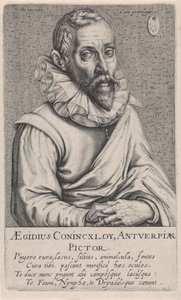
1544–1607, Βέλγιο
Χίλλις Φαν Κόνινξλοο
A Master of the Verdant Realm Gillis van Coninxloo stands as a pivotal figure in the evolution of Northern landscape art, serving as a vital bridge between the intricate Mannerist traditions and the burgeoning atmospheric depth of the early Baroque. Born in Antwerp, Belgium, his life was deeply intertwined with the rich artistic lineage of the Low Countries. The son of a painter, he was immersed in a world where craftsmanship and natural observation were paramount. His early training under masters such as Pieter Coecke van Aelst the Younger and Lenaert Kroes provided him with a rigorous foundation, but it was his time working in the workshop of Gillis Mostaert that truly allowed his talent to flourish, permitting him to contribute to professional works while honing his unique vision.
Σχετικά με τον Χίλλις Φαν Κόνινξλοο Σημαντικά έργα του Χίλλις Φαν Κόνινξλοο
Εργασίες του Χίλλις Φαν Κόνινξλοο
 Jonah Preaching to the Ninevites1583
 Woodland with Saint Jerome1583
 Landscape with the judgment of Midas1598
 Landscape with the Judgement of Paris1610
Μελέτες γύρω από το Landscape
 Masterpieces of Jan van Goyen: Top 25 Iconic Dutch LandscapesExplore 25 iconic Jan van Goyen landscapes from the Dutch Golden Age. Discover these tonal masterpieces on OriginalUniqueArt.com.
 Chiaroscuro & Shadows: The High-Impact Power of Moonlight in Masterpiece LandscapesMaster the drama of chiaroscuro and moonlight in classical landscapes. Explore the power of light and shadow now.
 Masterpieces of Nature: The Top 25 Artworks by Jacob van RuisdaelExplore 25 iconic Jacob van Ruisdael landscapes. Discover the soul of Dutch Golden Age art. Explore the full collection online at OriginalU…