Fauvism · 1911
Spring (Γιώργος Ρουάουλτ, 1911)
Ο/Η Γιώργος Ρουάουλτ (1871–1958) δημιούργησε το Spring. Χρονολογείται στο 1911. Ανήκει στο κίνημα Fauvism.
- 1911

 Προεπισκόπηση σε πραγματική κλίμακα

 Ελαιογραφικό Χειροποίητο Έργο
 Αποστολή
 Κοινοποίηση
 Πληροφοριακό φύλλο


 Λήψη
 Παρόμοια αντικείμενα συλλογής
 Ακτινογραφία
 Παρουσίαση
 Ερωτήσεις & Απαντήσεις

 Στατιστικά
Spring, εν συντομία
- Τίτλος
- Spring
- Καλλιτέχνης
- Γιώργος Ρουάουλτ (1871–1958)
- Γεννημένος/η το
- 19ο δημοτικό διαμέρισμα του Παρισιού, Γαλλία
- Ημερομηνία
- 1911
- Κίνηση
- Fauvism
- Θέμα
- forest scene, figures outdoors, dog companion, rouault style, human interaction, 1911 painting
Τι απεικονίζει το Spring;
Georges Rouault’s “Spring”: A Chronicle of Human Empathy
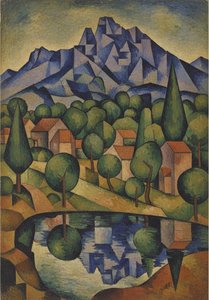
Georges Rouault's "Spring," painted in 1911, is far more than a simple depiction of a forest scene; it’s a profound meditation on humanity – its joys, sorrows, and the quiet dignity found within everyday life. Executed with Rouault’s signature style, immediately recognizable for its stark contrasts and emotionally charged palette, this work offers a window into the artist's deeply felt empathy for the marginalized and suffering, a core tenet of his artistic vision. The painting captures a fleeting moment of rural tranquility, yet it resonates with an underlying sense of melancholy and contemplation – qualities that would become hallmarks of Rouault’s oeuvre.
The composition itself is deliberately un-idealized. There are no heroic figures or grand vistas; instead, we encounter three individuals engaged in seemingly simple activities: one seated, another standing attentively, and a third observing from a distance. A dog lies nearby, adding to the sense of domesticity and companionship. Rouault’s masterful use of dark contours – a technique inherited directly from his apprenticeship with stained glass artisans – frames luminous color fields, creating an almost theatrical effect. This layering of light and shadow isn't merely aesthetic; it serves to heighten the emotional impact of each figure, drawing our attention to their individual expressions and postures.
The Roots of Rouault’s Vision: Glass and Spiritual Seeking
Understanding Georges Rouault requires acknowledging his unique artistic journey. Born in the immediate aftermath of the Paris Commune, a period of immense upheaval and violence, Rouault's early life was shaped by hardship and a profound sense of loss. This experience profoundly influenced his worldview, fostering a deep compassion for those less fortunate. His apprenticeship as a glass painter from the age of fourteen proved formative, instilling in him an appreciation for vibrant color and precise execution – skills he would later translate to canvas with remarkable power.
Rouault’s fascination with stained glass extended beyond mere technical skill; it was deeply intertwined with his spiritual seeking. The luminous quality of the glass, its ability to transform light into something ethereal, mirrored his own desire for transcendence. This influence is readily apparent in “Spring,” where the use of dark outlines and intense color fields evokes a sense of sacredness, reminiscent of medieval religious art. His mother’s devout Catholic upbringing further solidified this spiritual connection, shaping his artistic themes and fueling his commitment to portraying the dignity of ordinary people.
Symbolism and Emotional Resonance
While seemingly straightforward, “Spring” is rich in symbolic potential. The figures themselves – a seated individual, perhaps representing contemplation or rest; two standing ones, possibly engaged in conversation or observation – invite interpretation. The dog, a traditional symbol of loyalty and companionship, adds to the painting’s sense of warmth and connection. Rouault wasn't interested in simply recording a scene; he was striving to capture an *emotion*, a feeling of quiet beauty amidst the complexities of human existence.
The muted color palette – dominated by browns, greens, and ochres – contributes significantly to the painting’s melancholic mood. However, strategically placed bursts of brighter hues – particularly in the figures' clothing – draw our eye and emphasize their presence. This careful manipulation of color creates a dynamic tension between darkness and light, reflecting the inherent duality of human experience. “Spring” is not a celebration of springtime itself; it’s an exploration of the human condition—a poignant reminder of life’s fleeting beauty and enduring sorrows.
Εικόνες υψηλής ανάλυσης του Spring

Protected by copyright: these files are for personal reference, not a licence to republish.
Γιώργος Ρουάουλτ, Spring (1911).
Ερωτήσεις για το Spring, απαντημένες
Σε ποια χρονιά δημιουργήθηκε το "Spring" του Γιώργος Ρουάουλτ;
Το έργο "Spring" χρονολογείται από το 1911. Η ημερομηνία αυτό το έργο το τοποθετεί μέσα στην καριέρα του/της Γιώργος Ρουάουλτ και την εποχή του/της.
Περί τι αφορά το "Spring";
Τα θέματα του "Spring" είναι τα forest scene, figures outdoors, dog companion, rouault style, human interaction, 1911 painting, religious themes.
Το έργο "Spring" του Γιώργος Ρουάουλτ ανήκει στο δημόσιο περιουσιακό αγαθό;
Η κατάσταση των πνευματικών δικαιωμάτων για το έργο "Spring" του Γιώργος Ρουάουλτ είναι η εξής: το έργο ανήκει στο ακόμα προστατευόμενο από δικαιώματα αυτορικού. Αυτό καθορίζει εάν επιτρέπεται η ελεύθερη αναπαραγωγή της εικόνας.
Ποιος είναι ο καλλιτέχνης πίσω από το "Spring";
Το έργο "Spring" αποδίδεται στον/στην Γιώργος Ρουάουλτ.
Σε ποιο καλλιτεχνικό ρεύμα ανήκει το "Spring";
Το έργο "Spring" ανήκει στο καλλιτεχνικό ρεύμα Fauvism, το οποίο ορίζει την καλλιτεχνική παράδοση στην οποία εντάσσεται.
Ποια εποχή της καριέρας του/της Γιώργος Ρουάουλτ αντιπροσωπεύει το έργο "Spring";
Το "Spring" αντιπροσωπεύει την περίοδο Early Expressionism του Γιώργος Ρουάουλτ.
Πόσο είχε ο/η Γιώργος Ρουάουλτ όταν δημιουργήθηκε το "Spring";
Ο/Η Γιώργος Ρουάουλτ δημιούργησε το έργο "Spring" στην ηλικία των 40 ετών. Ο/Η καλλιτέχνης γεννήθηκε το 1871 και το έργο χρονολογείται στο 1911.
Ποια είναι η αιτία της κατάστασης των πνευματικών δικαιωμάτων για το έργο "Spring" του Γιώργος Ρουάουλτ;
Το έργο "Spring" του Γιώργος Ρουάουλτ ανήκει στο ακόμα προστατευόμενο από δικαιώματα αυτορικού. Οι όροι πνευματικών δικαιωμάτων υπολογίζονται από το έτος θανάτου του καλλιτέχνη, και ο/η Γιώργος Ρουάουλτ απεβίωσε το 1958.
Πού τοποθετείται το "Spring" στο σύνολο του έργου του/της Γιώργος Ρουάουλτ;
Στο συνολικό έργο του/της Γιώργος Ρουάουλτ, το "Spring" εντάσσεται στο στυλ του/της Fauvism, συνδέοντας τα θέματα του/της stained glass influence, catholic faith, marginalized figures, social critique, fauvist color, emotional intensity, spiritual seeking, existential themes.
Σχετικά με τον καλλιτέχνη, Γιώργος Ρουάουλτ

1871–1958, Γαλλία
Γιώργος Ρουάουλτ
Georges Rouault: Ένας Καλλιτέχνης Σκιών και Φώτων Georges Rouault, γεννημένος στο Παρίσι το 1871 μέσα στην αναταραχή της Κομμουνής, έζησε μια ζωή βαθιά χαραγμένη από δυσκολίες και πνευματική αναζήτηση. Οι πρώτες του μέρες περάσανε ουσιαστικά στις σκιές – η οικογένειά του αναζητούσε καταφύγιο σε ένα υπόγειο κατά τη διάρκεια της πολιορκίας της πόλης, γεγονός που θα αντηχούσε σε όλη την καλλιτεχνική του οπτική. Αυτή η ταπεινή αρχή, σε συνδυασμό με μια βαθιά καθολική παιδεία που έλαβε από τη μητέρα του, εμφυσά μέσα του μια βαθιά ενσυναίσθηση για τους περιθωριακούς και τους καταπιεσμένους, θέματα που θα γίνονταν κεντρικά στην καλλιτεχνική του δουλειά. Δεν ήταν προορισμένος για ακαδημαϊκή εξέχουσα θέση; Αντίθετα, ξεκίνησε μια εκμάθηση ως γυάλινος ζωγράφος στα δεκάξι του χρόνια, μια τέχνη που διαμόρφωσε βαθιά τις αισθητικές του προτιμήσεις.
Σχετικά με τον Γιώργος Ρουάουλτ Σημαντικά έργα του Γιώργος Ρουάουλτ
Εργασίες του Γιώργος Ρουάουλτ
 Head of Christ
 Head of Christ 1
 The Breton Wedding1937
 The old king1937
Μελέτες γύρω από το Spring
 French rococo paintersMasterpieces by Fragonard and Watteau define French Rococo elegance. Explore the full collection online at OriginalUniqueArt.com.
 19th century French paintersMasterpieces by Monet, Renoir, and Cézanne define 19th century French art. Explore the full collection online at OriginalUniqueArt.com.
 Mastering the Post-Impressionist Vision: A Definitive Guide to the Geometric Soul of Cézanne’s ArtistryExplore the profound legacy of Paul Cézanne. Discover how his mastery of geometric forms and vibrant color bridged Impressionism and Cubism…