

 Προεπισκόπηση σε πραγματική κλίμακα
 Αποστολή
 Κοινοποίηση
 Λεπτομέρειες
 Οδηγός

 Λήψη
Λήψη
 Παρόμοια αντικείμενα συλλογής
 Ακτινογραφία
 Παρουσίαση
 Στατιστικά
The Fall of Phaëton
 Oil On Canvas
- WallArt
- Romanticism
 1777
1777 97.0 x 122.0 cm
 Εθνική Πινάκοθήκη της Σκωτίας
 Περισσότερα
Giclée / Εκτυπώσεις Τέχνης
Εκτύπωση giclée ή σε καμβά ποιότητας μουσείου με γρήγορη παραγωγή και ευέλικτες επιλογές φινιρίσματος. ( Αγορά χειροποίητου πίνακα Μετάβαση σε Ψηφιακή Αποτέλεσμα)




P118B €10

P118H €10

P118W €10

P438Z €10

P508JH €12

P508YH €12

P805H €10

P805Z €10

P919BZ €10

P919G €10

P919XJ €10

P959ZH €10

P968JZ €12

W106C €8

W218G €10

W218JH €8

W218Y €10

W307PJ €10

W316G €10

W316PJ €8

W316Y €10

W398PJ €8

W4111J €10

W500HY €15

W500JH €15

W692G €12

W849H €8

W940BG €15

W953PJ €8




Επιλέξτε από τις προκαθορισμένες διαστάσεις μας που διατηρούν τις αρχικές αναλογίες του έργου τέχνης.

Εισάγετε το πλάτος και το ύψος που επιθυμείτε, ώστε να ταιριάζουν στο κάδሮ ή στον τοίχο σας. Μια εκτύπωση μπορεί μόνο να υποστεί κοψίμό και ποτέ να μην γίνει μεγαλύτερη από την αρχική εικόνα, επομένως η επιλογή μεγέθους με διαφορετικό σχήμα συνεπάγεται απώλεια ενός μέρους της εικόνας. Σας στέλνουμε ένα ψηφιακό mockup για έγκριση πριν προχωρήσουμε σε οποιαδήποτε εκτύπωση. Η εικόνα που εμφανίζεται σε αυτή τη σελίδα δεν δείχνει την πραγματική κοπή — μόνο το mockup την παρουσιάζει.
Παγκόσμια Αποστολή () σε 2 εβδομάδες αντί για τις συνήθεις 4/5 εβδομάδες. (26 Οκτώβριος)

Δωρεάν γρήγορη διεθνής αποστολή

Κάμβας από Λινό Υψηλής Ποιότητας

Πλήρης ασφάλιση μεταφοράς

Εγγύηση επιστροφής δασμών και φόρων εισαγωγής

Εγγύηση Απόλυτης Ομοιότητας Χρωμάτων

Πολιτική Επιστροφής 100 Ημερών (Μόνο σε περίπτωση ελαττωμάτων)

Εγγύηση επιστροφής 100% των χρημάτων

Προσφορά για πολλαπλές παραγγελίες
 Η επιλογή με γυαλί είναι διαθέσιμη μόνο για μεγέθη κάτω από 110 εκ.

The Fall of Phaëton
Giclée / Εκτυπώσεις Τέχνης
Διαστάσεις Αναπαραγωγής
-


Τελική Τιμή
€ 70
A Collision of Myth and Mastery: Unveiling George Stubbs’s ‘The Fall of Phaëton’
George Stubbs's “The Fall of Phaëton,” painted in 1777, isn’t merely a depiction of a Greek myth; it’s a visceral experience. This monumental canvas, now residing within the National Trust at Saltram, transcends its narrative origins to become a profound meditation on power, destruction, and the sublime beauty of chaos. Stubbs, a revolutionary figure in 18th-century art, deliberately eschewed the idealized forms favored by his contemporaries, instead opting for an anatomical realism that bordered on the unsettling, particularly when applied to subjects as grand and terrifying as the sun god’s son attempting to wrest control from his father.
The scene unfolds with breathtaking dynamism. Phaeton, a young man consumed by ambition and perhaps hubris, is shown at the apex of his disastrous journey – driving the chariot of the sun across the heavens. His face, contorted in panic and exertion, reflects the impending doom that threatens to engulf him and all beneath. The horses themselves are rendered with astonishing detail, their muscular forms straining against the reins, each a testament to Stubbs’s meticulous study of equine anatomy. The composition is dominated by diagonals – the sweeping arc of the chariot, the downward plunge of the thunderbolts, and the frantic movement of the steeds – creating a sense of relentless forward momentum that pulls the viewer directly into the heart of the drama.
Anatomy as Revelation: Stubbs’s Scientific Approach
Stubbs's commitment to anatomical accuracy was legendary. His fascination with the inner workings of animals, fueled by his time dissecting horses at York County Hospital, informed every brushstroke. “The Fall of Phaëton” is a prime example of this approach; Stubbs didn’t simply paint a horse; he painted its very essence – the sinews beneath the skin, the skeletal structure supporting the musculature, and the intricate network of veins pulsing with life. This dedication to realism was considered radical at the time, challenging the prevailing artistic conventions that prioritized idealized beauty over scientific observation.
The painting’s color palette further enhances its dramatic effect. Stark contrasts between light and shadow – a consequence of Stubbs's masterful use of chiaroscuro – heighten the sense of urgency and impending disaster. The fiery hues of the sun chariot are juxtaposed against the deepening blues and purples of the approaching night, symbolizing the irreversible shift from day to darkness. The subtle gradations of color within each figure’s form contribute to a remarkable sense of volume and depth, drawing the viewer into the scene with an almost unsettling immediacy.
Mythic Symbolism and Emotional Resonance
Beyond its technical brilliance, “The Fall of Phaëton” is rich in symbolic meaning. The myth itself speaks to themes of unchecked ambition, divine retribution, and the consequences of defying fate. Phaeton’s downfall serves as a cautionary tale against hubris and a reminder that even those blessed with extraordinary power are ultimately subject to mortality. The figures surrounding the event – the Heliades, transformed into poplar trees in mourning for their brother, and Cycnus, hiding his face in despair – amplify this sense of loss and tragedy.
However, the painting transcends mere allegory. It evokes a profound emotional response—a mixture of awe, terror, and pity. The sheer scale of the scene, combined with Stubbs’s dramatic composition and masterful use of color, creates an overwhelming sensory experience that leaves the viewer breathless. “The Fall of Phaëton” is not simply a depiction of a myth; it's a powerful meditation on human nature, the forces of destruction, and the enduring beauty of tragedy—a timeless masterpiece that continues to captivate audiences centuries after its creation.
A Legacy Enduring: Reproductions and Artistic Inspiration
Reproductions of “The Fall of Phaëton” offer a remarkable opportunity to experience Stubbs’s artistic vision firsthand. Whether displayed in a grand salon or a more intimate setting, this painting commands attention with its dramatic intensity and technical brilliance. Collectors appreciate the work's historical significance, scientific rigor, and enduring aesthetic appeal. Interior designers often incorporate reproductions into spaces seeking to evoke a sense of grandeur, drama, and intellectual curiosity – a testament to Stubbs’s lasting influence on art history.
Ερωτήσεις και Απαντήσεις
Από ποια χώρα προέρχεται το έργο του Romanticism "The Fall of Phaëton";
Το έργο "The Fall of Phaëton" δημιουργήθηκε από τον/την Γεώργιος Στάβμς, που γεννήθηκε στην/στη Ηνωμένο Βασίλειο, στο πλαίσιο του movements Romanticism. Η καταγωγή του/της καλλιτέχνη συνδέει το έργο με το Romanticism, όπως αυτό προβάλλεται από καλλιτέχνες της/του Ηνωμένο Βασίλειο.
Πώς μπορεί το "The Fall of Phaëton" του Γεώργιος Στάβμς να ενταχθεί στη διακόσμηση του σπιτιού;
Το έργο "The Fall of Phaëton" προτείνεται για Statement, ενώ ο ιδανικός χώρος για την τοποθέτησή του είναι το/η Living Room.
Ποιο μέγεθος προτείνεται για το "The Fall of Phaëton" σε ένα Living Room;
Για ένα Living Room, το προτεινόμενο μέγεθος εκτύπωσης του έργου "The Fall of Phaëton" του Γεώργιος Στάβμς είναι Large.
Βιογραφικό Καλλιτέχνη
Early Life and Training
Ο Γεώργιος Στάμπους, ένας από τους πιο σημαντικούς ζωγράφους της Αγγλίας, γεννήθηκε το 1724 στο Λίβερπουλ, μια πόλη που τότε αποτελούσε ένα σημαντικό κέντρο εμπορίου και πολιτισμού. Η παιδική του ηλικία ήταν σχετικά ανώνυμη, με τις περισσότερες πληροφορίες να προέρχονται από τα απομνημονεύματα του Ούζιας Χάμπρι, βασισμένα σε συνομιλίες με τον ίδιο τον Στάμπους το 1794. Η καλλιτεχνική του πορεία ξεκίνησε στα 15 του χρόνια, όταν εργάστηκε αρχικά ως βοηθός του πατέρα του, ενός τεχνίτη δέρματος. Στη συνέχεια, αναζήτησε την καθοδήγηση του Χάμλετ Γουίνσταϊνλει, ενός ζωγράφου και χαρακτικής από τη Λανκασάιρ, για μια σύντομη πρακτική άσκηση. Αυτή η μικρή περίοδος σπούδασε στην συλλογή στο Knowsley Hall, ένα σημαντικό βήμα για την ανάπτυξη του καλλιτεχνικού του ταλέντου. Η παιδική του εκπαίδευση και οι πρώτες του εμπειρίες τον οδήγησαν να αναπτύξει μια βαθιά αγάπη για την ανθρώπινη ανατομία, η οποία θα επηρέαζε σημαντικά το έργο του αργότερα.Artistic Development and Notable Works
Η αφοσίωσή του στην ανατομία τον οδήγησε στη μετακίνηση στην έδρα της Γιορκ το 1744, όπου σπούδασε υπό την επίβλεψη του χειρουργού Τσαρλς Άτκινσον στο νοσοκομείο της κομητείας. Ένα από τα πρώτα επιτυχημένα έργα του ήταν μια σειρά εικονογραφήσεων για το βιβλίο του Τζον Μπάρτον σχετικά με την τοκετολογία, που εκδόθηκε το 1751. Το 1756, ο Στάμπους νοίκιασε ένα αγρόκτημα στη Λινκολνσάιρ και αφιερώθηκε σε 18 μήνες στην απογευματινή εξέταση αλόγων, με τη βοήθεια της συνηθέστερης γυναίκεώς του, Μαιρή Σπένσερ. Αυτό οδήγησε στην έκδοση της ανατομίας των ιπποπόρων το 1766, με πρωτότυπα σχέδια που φυλάσσονται σήμερα στο Βασιλικό Αcademy. Η δουλειά του Στάμπους γρήγορα αναγνωρίστηκε από σημαντικούς αριστοκρατικές πελάτες, συμπεριλαμβανομένου του 3ου Δούκα της Ρίχμοντ, ο οποίος διέταξε την παραγωγή τριών μεγάλων έργων τέχνης το 1759. Αυτό σηματοδότησε την αρχή μιας επιτυχημένης καλλιτεχνικής καριέρας, με έργα που δημιουργήθηκαν για πολλούς Δούκες και Λόρδους, καταλήγοντας στην αγορά ενός σπιτιού στο Μάριλεμπόν, Λονδίνο.The Lion and the Horse – A Revolutionary Approach
Ο Στάμπους είναι κυρίως γνωστός για το έργο του "Λιοντάρι που επιτίθεται σε έναν ίππο" (Lion and Horse), ένα από τα πιο σημαντικά και πρωτοποριακά έργα της εποχής του. Η σκηνή, η οποία απεικονίζει ένα λιοντάρι να επιτίθεται σε έναν ίππο, δεν ήταν μια τυπική απεικόνιση μάχης. Αντίθετα, ο Στάμπους προσπάθησε να αποτυπώσει την έντονη ενέργεια και τη δυναμική της σύγκρουσης με έναν τρόπο που ήταν τόσο δραματικός όσο και αληθινός. Η επιλογή του θέματος – μια μάχη μεταξύ φύσης και θηρίου – ήταν επίσης σημαντική, καθώς αντικατόπτει τις φιλοσοφικές τάσεις της εποχής του Ρομαντισμού. Το έργο αυτό έθεσε νέα πρότυπα για την απεικόνιση των ζώων στην τέχνη, δίνοντας έμφαση στην κίνηση, τον ρυθμό και την ψυχολογική διάσταση των υποκείμενων όντων.Whistlejacket – A Masterpiece of Equestrian Art
Το "Whistlejacket" (Whistlejacket) είναι πιθανώς το πιο διάσημο έργο του Στάμπους, ένα πορτρέτο ενός ιπποπόρου που αναδύεται από τα πίσω πόδια του. Η σκηνή, η οποία απεικονίζει έναν ιπποπόρο σε μια δυνατή κίνηση, είναι ένα παράδειγμα της ικανότητας του Στάμπους να αποτυπώνει την ουσία των ζώων με ακρίβεια και κομψότητα. Το έργο αυτό ξεχωρίζει για το γεγονός ότι οι φόντοι είναι απλοί και ουδέτεροι, μια ασυνήθιστη πρακτική για την εποχή του. Η επιλογή αυτή υπογραμμίζει την εστίαση του Στάμπους στην απεικόνιση του ίδιου του ζώου, δίνοντας έμφαση στη λεπτομέρεια και την αληθινή του φύση. Το "Whistlejacket" είναι ένα σημαντικό έργο της ιπποτικής ζωγραφικής και αποτελεί μια από τις πιο αξιοσημείωτες στιγμές στην καλλιτεχνική του πορεία.Legacy and Historical Significance
Ο Γεώργιος Στάμπους άφησε πίσω του ένα σημαντικό και διαρκές ηθικό κληροδιάδοτο στην ιστορία της τέχνης. Η ακρίβεια των ανατομικών του απεικονίσεων, σε συνδυασμό με την ικανότητά του να αποτυπώνει την ομορφιά και τη δύναμη των ζώων, τον καθιστούν έναν από τους πιο σημαντικούς ζωγράφους της εποχής του. Το έργο του επηρέασε πολλούς καλλιτέχνες που ακολούθησαν, ενώ η "Lion and the Horse" και το "Whistlejacket" παραμένουν σύμβολα της ρομαντικής τέχνης και της ικανότητας των ανθρώπων να κατανοούν και να εκτιμούν τη φύση. Η δουλειά του Στάμπους συνεχίζει να εμπνέει και να εντυπωσιάζει τους θεατές σε όλο τον κόσμο, διατηρώντας την αξία του ως ένας από τους μεγαλύτερους ζωγράφους της Αγγλίας.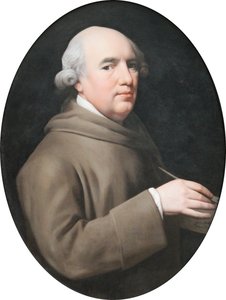
Γεώργιος Στάβμς
1724 - 1806 , Ηνωμένο Βασίλειο
Γρήγορα στοιχεία
- Artistic Movement Or Style: Ρομαντισμός, Τέχνη ιπποειδών
- Artists Or Movements Influenced By This Artist: ['Joshua Reynolds']
- Artists Who Influenced This Artist: ['Hamlet Winstanley']
- Date Of Birth: 25 Αυγούστου 1724
- Date Of Death: 10 Ιουλίου 1806
- Full Name: George Stubbs
- Nationality: Βρετανός
- Notable Artworks:
- Whistlejacket
- Λιοντάρι και Ίππος
- Αντομία του Ιπποειδούς
- Place Of Birth: Λίβερπουλ, Ηνωμένο Βασίλειο
Σχετικά άρθρα
Timeless Legends: A Curated Guide to the Eternal Allure of Mythological Masterpieces
Embark on a sophisticated journey through the eternal allure of mythological art. Discover how master painters breathe life into ancient legends, from Greek deities to Baroque masterpieces, and learn to curate these timeless narratives within your own exquisite art collection.
George Stubbs: Anatomical Precision & Romantic Vision in 18th-Century British Art
Explore the captivating world of George Stubbs, the 18th-century master renowned for his anatomical precision & Romantic animal paintings. Discover his legacy and investment potential.
Echoes of Olympus: Mythological Narratives in Western Art Through the Ages
Explore the captivating history of mythological narratives in Western art! From ancient Greece to modern masterpieces, discover iconic artworks & symbolism. Expert analysis and high-quality reproductions at OriginalUniqueArt.
The Noble Steed: A Historical and Artistic Exploration of Horses in Fine Art
Explore the rich history of horses in fine art! From ancient depictions to Renaissance masterpieces & beyond, discover iconic artworks and artists. Learn about symbolism, techniques, and find museum-quality reproductions at OriginalUniqueArt.
The Noble Steed on Canvas: A Historical & Artistic Exploration of Horse Painting Across Cultures
Explore the rich history of horse painting! Discover masterpieces from Stubbs to Munnings & learn about symbolism, techniques & artists. Find museum-quality reproductions at OriginalUniqueArt.


