

 Προεπισκόπηση
 Αποστολή
 Κοινοποίηση
 Λεπτομέρειες

 Λήψη
Λήψη
 Παρόμοια έργα
 Ακτινογραφία
 Παρουσίαση
Wolf Point


 Περισσότερα λεπτομέρεια
Αγοράστε μια ψηφιακή εικόνα υψηλής ανάλυσης και βελτιωμένης ποιότητας, πολύ ανώτερης από την προεπισκόπηση στο διαδίκτυο.
Κάθε αρχείο προετοιμάζεται σχολαστικά από τους ειδικούς μας, χρησιμοποιώντας προηγμένα εργαλεία και εξειδικευμένο χειροκίνητο ρετουσάρισμα. Εξασφαλίζουμε ότι κάθε εικόνα διαθέτει εξαιρετική ευκρίνεια, απόλυτη πιστότητα στο χρώμα και λεπτομερή ανάδραση των λεπτομερειών.
Το τελικό αρχείο παραδίδεται μέσω email εντός 72 ωρών, βελτιστοποιημένο για άμεση χρήση σε επαγγελματικά, εκδοτικά και έντυπα περιβάλλοντα. Πρόκειται για την ίδια ποιότητα που εμπιστεύονται κορυφαία studios σχεδιασμού, εκδότες και γκαλερί.
Ψηφιακή εικόνα
Κατεβάστε ένα αρχείο υψηλής ανάλυσης για προσωπική χρήση, εκτύπωση και δημιουργικά έργα. ( Μετάβαση στην Εκτύπωση Μετάβαση σε χειροποίητη ζωγραφική)
Περιλαμβάνεται σε κάθε αγορά ψηφιακής εικόνας
Επαγγελματική Ψηφιακή Παράδοση, Με Εγγύηση
Όταν επιλέγετε το OriginalUniqueArt.com, δεν αποκτάτε απλώς μια εικόνα – λαμβάνετε ένα επαγγελματικά αναβαθμισμένο ψηφιακό έργο τέχνης, δημιουργημένο με ακρίβεια και με εγγύηση ικανοποίησης. Δείτε όλα όσα περιλαμβάνονται στην παραγγελία σας, αυτόματα:

Άμεση αποστολή μέσω email
Το ψηφιακό σας αρχείο εικόνας υψηλής ανάλυσης θα σας σταλεί μέσω email εντός 72 ωρών από την παραγγελία σας — έτοιμο για άμεση χρήση.

Ψηφιακό Αρχείο με Τεχνητή Νοημοσύνη
Το έργο σας βελτιστοποιείται επαγγελματικά με τη χρήση προηγμένων εργαλείων Τεχνητής Νοημοσύνης και χειροκίνητης επεξεργασίας, εξασφαλίζοντας μέγιστη λεπτομέρεια, ευκρίνεια και ακρίβεια χρωμάτων.

Δωρεάν επανεκδόσεις مدى ζωής
Απώλησες ή διαγράψατε κατά λάθος το αρχείο σας; Μην ανησυχείτε — θα σας το ξαναστείλομε οποιαδήποτε στιγμή, δωρεάν.

Χωρίς Τελωνειακούς Φόρους - Ποτέ
Απολαύστε αμέσως τα έργα τέχνης σας χωρίς δασμούς, φόρους ή έξοδα αποστολής - οι ψηφιακές λήψεις είναι πάντα αφορεশিপτεία.

Εγγύηση Ακριβούς Χρωματισμού
Εξασφαλίζουμε ότι η ψηφιακή σας εικόνα αποτυπώνει τα αυθεντικά χρώματα όσο το δυνατόν πιστότερα, χρησιμοποιώντας επαγγελματικά εργαλεία και διαχείριση χρωμάτων.

Εγγύηση Ικανοποίησης 60 Ημερών
Εάν δεν είστε ικανοποιημένοι με την ψηφιακή σας εικόνα, θα την αναθεωρήσουμε ή θα σας επιστρέψουμε το 100% της αξίας της εντός 60 ημερών - χωρίς κανένα ερώτημα.

100% Εγγύηση Επιστροφής Χρήματος
Δεν είστε ικανοποιημένοι; Λάβετε πλήρη επιστροφή των χρημάτων σας εντός 60 ημερολογιακών ημερών από τη λήψη του ψηφιακού σας αρχείου — χωρίς κανένα ερώτημα.

Εκπτώσεις για Μαζικές Παραγγελίες
Αγοράστε 3 εικόνες, κάντε εξοικονόμηση 10% - Αγοράστε 5, κάντε εξοικονόμηση 15% - Αγοράστε 10+, κάντε εξοικονόμηση 20%. Ιδανικό για δημιουργικά έργα, γκαλερί και agencies.
Βιογραφικό Καλλιτέχνη
The Architect of Molecular Innovation
In the grand tapestry of the nineteenth century, where the soot of the Industrial Revolution met the burgeoning light of scientific inquiry, few figures cast a shadow as profound yet specialized as George Edward Davis. Born in the historic enclave of Eton, Buckinghamshire, in 1850, Davis was not an artist of the brush, but rather an architect of the unseen. While his contemporaries were capturing the fleeting light of the English landscape on canvas, Davis was meticulously mapping the complex, invisible flows of chemical reactions that would eventually give birth to a new discipline: chemical engineering. His life story is one of remarkable transition, moving from the tactile, traditional craft of bookbinding—an apprenticeship he began at the tender age of fourteen—to the rigorous, transformative world of industrial chemistry.
The evolution of Davis’s intellect was fueled by a relentless curiosity that could not be contained by the leather and glue of his early training. Driven by an innate passion for the molecular, he sought higher learning at the Slough Mechanics Institute and later at the prestigious Royal School of Mines in London. This period of intense academic immersion provided him with the theoretical scaffolding necessary to navigate the burgeoning chemical landscape of the United Kingdom. As he moved through the industrial heartlands around Manchester, Davis did not merely observe the progress of science; he became its primary navigator, applying a meticulous attention to detail that mirrored the precision of a master engraver.
A Legacy Written in Industry and Science
The true brilliance of George Edward Davis lay in his ability to bridge the gap between pure laboratory chemistry and the massive, roaring scale of industrial production. His career was marked by a series of monumental achievements that reshaped the very infrastructure of modern manufacturing. From his early days as an inspector for the Alkali Act of 1863—a pioneering piece of environmental legislation—to his transformative role as manager at the Lichfield Chemical Company, Davis demonstrated an unparalleled capacity for innovation. It was during this tenure that he designed and constructed facilities featuring what was then the tallest chimney in the United Kingdom, a towering symbol of his ability to manifest scientific theory into physical, monumental reality.
Beyond the construction of chimneys and chemical plants, Davis’s intellectual contributions were equally enduring. He is widely revered as the founding father of chemical engineering, a title earned through his seminal lectures and his landmark 1901 publication, "A Handbook of Chemical Engineering." This work served as a foundational text, codifying the principles of unit operations that remain central to the field today. His influence extended into the very fabric of scientific community building; he was instrumental in the formation of the Society of Chemical Industry in 1881 and founded the Chemical Trade Journal, ensuring that the rapid advancements of his era were documented and shared among his peers.
Even within the realm of pure science, Davis found a secondary passion in the delicate art of microscopy. As a founding member and former President of the Manchester Microscopical Society, he approached the microscopic world with the same reverence an artist might approach a fine detail in a portrait. His work as an amateur microscopist, characterized by skillfully prepared slides and influential publications like Practical Microscopy, showcased a man who found beauty in the minute and profound meaning in the infinitesimal. Through his dual mastery of the industrial and the microscopic, George Edward Davis left behind a legacy that continues to underpin the technological and scientific foundations of our modern world.
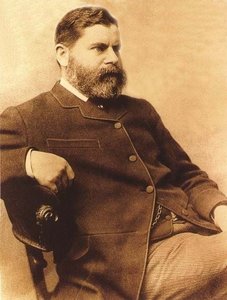
george edward davis
1850 - 1907 , United Kingdom
Σύντομα στοιχεία
- Artistic Movement Or Style: Chemical engineering art
- Artists Or Movements Influenced By This Artist:
- George Chinnery
- Sir Alfred James Munnings
- Artists Who Influenced This Artist: ['Nicholas Leblanc']
- Date Of Birth: July 27, 1850
- Date Of Death: April 20, 1907
- Full Name: George Edward Davis
- Nationality: British
- Notable Artworks: ['Wolf Point']
- Place Of Birth: Eton, United Kingdom

