

 Προεπισκόπηση σε πραγματική κλίμακα
 Αποστολή
 Κοινοποίηση
 Λεπτομέρειες
 Οδηγός

 Λήψη
Λήψη
 Παρόμοια αντικείμενα συλλογής
 Ακτινογραφία
 Παρουσίαση
 Q&A
Q&A Στατιστικά
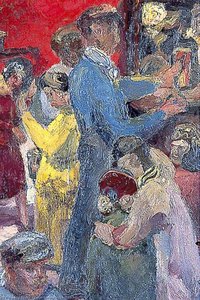
East End Pub
 1933
1933 47.0 x 33.0 cm
 Charleston
 Περισσότερα
Λάβετε ένα αρχείο έτοιμο για εκτύπωση, με ποιότητα πολύ ανώτερη από την προεπισκόπηση στον ιστότοπο. Κάθε ψηφιακή εικόνα που διαθέτουμε προέρχεται από ένα αρχείο υψηλής ανάλυσης στη βάση δεδομένων μας —συνήθως με πλάτος 5.000 έως 15.000 pixel— ώστε να μπορείτε να εκτυπώσετε σε μεγάλο μέγεθος, να κάνετε στενές κοψιμές ή να αναπαράγετε τις λεπτομέρειες με απόλυτη εμπιστοσύνη.
Κανένα αρχείο δεν φεύγει από το στούντιο μας χωρίς να υποστεί επεξεργασία. Ένας ειδικός ψηφιακών εικόνων ελέγχει τα χρώματα σε σύγκριση με το πρωτότυπο έργο και τα διορθώνει αν χρειαστεί, στη συνέχεια βελτιώνει την καθαρότητα και τις λεπτομέρειες με επαγγελματικά εργαλεία αφαίρεσης ατέλειων — παραμένοντας πάντα πιστός στις πινελιές και το ύφος του καλλιτέχνη. Το αποτέλεσμα είναι μια εικόνα που μοιάζει με το ίδιο το αριστούργημα και όχι με ένα σκανάρισμα με φίλτρα.
Εγκρίνετε πριν την ολοκλήρωση: ο ειδικός μας σας στέλνει την εικόνα μέσω e-mail εντός 72 ωρών για επανεξέταση. Δεν είστε ικανοποιημένοι; Ζητήστε βελτιώσεις ή διορθώσεις, ή ζητήστε επιστροφή χρημάτων εάν η ποιότητα δεν ανταποκρίνεται στις προσδοκίες σας.
Αυτή είναι η ποιότητα στην οποία εμπιστεύονται οι εκδότες, τα design studios, οι γκαλερί και τα εκτυπωτήρια.
Ψηφιακή εικόνα
Κατεβάστε ένα αρχείο υψηλής ανάλυσης για προσωπική χρήση, εκτύπωση και δημιουργικά έργα. ( Μετάβαση σε Εκτυπώσεις Αγορά χειροποίητου πίνακα)
Περιλαμβάνεται σε κάθε παραγγελία ψηφιακής εικόνας
Επαγγελματική Ψηφιακή Παράδοση με Εγγύηση
Όταν επιλέγετε το OriginalUniqueArt.com, δεν αποκτάτε απλώς μια εικόνα – λαμβάνετε ένα επαγγελματικά αναβαθμισμένο ψηφιακό έργο τέχνης, δημιουργημένο με ακρίβεια και με εγγύηση ικανοποίησης. Δείτε όλα όσα περιλαμβάνονται στην παραγγελία σας, αυτόματα:

Άμεση αποστολή μέσω email
Το ψηφιακό σας αρχείο εικόνας υψηλής ανάλυσης θα σας σταλεί μέσω email εντός 72 ωρών από την παραγγελία σας — έτοιμο για άμεση χρήση.

Ψηφιακό Αρχείο με Τεχνητή Νοημοσύνη
Το έργο σας βελτιστοποιείται επαγγελματικά με τη χρήση προηγμένων εργαλείων Τεχνητής Νοημοσύνης και χειροκίνητης επεξεργασίας, εξασφαλίζοντας μέγιστη λεπτομέρεια, ευκρίνεια και ακρίβεια χρωμάτων.

Δωρεάν επανεκδόσεις مدى ζωής
Απώλησες ή διαγράψατε κατά λάθος το αρχείο σας; Μην ανησυχείτε — θα σας το ξαναστείλομε οποιαδήποτε στιγμή, δωρεάν.

Χωρίς Τελωνειακούς Φόρους - Ποτέ
Απολαύστε αμέσως τα έργα τέχνης σας χωρίς δασμούς, φόρους ή έξοδα αποστολής - οι ψηφιακές λήψεις είναι πάντα αφορεশিপτεία.

Εγγύηση Ακριβούς Χρωματισμού
Εξασφαλίζουμε ότι η ψηφιακή σας εικόνα αποτυπώνει τα αυθεντικά χρώματα όσο το δυνατόν πιστότερα, χρησιμοποιώντας επαγγελματικά εργαλεία και διαχείριση χρωμάτων.

Εγγύηση Ικανοποίησης 100 Ημερών
Εάν δεν είστε ικανοποιημένοι με την ψηφιακή σας εικόνα, θα την τροποποιήσουμε ή θα σας επιστρέψουμε το 100% εντός 100 ημερών — χωρίς κανένα ερώτημα.

100% Εγγύηση Επιστροφής Χρήματος
Δεν είστε ικανοποιημένοι; Λάβετε πλήρη επιστροφή των χρημάτων σας εντός 100 ημερών από τη λήψη του ψηφιακού σας αρχείου — χωρίς κανένα ερώτημα.

Εκπτώσεις σε μεγάλες παραγγελίες
Αγοράστε 3 εικόνες, κάντε εξοικονόμηση 10% - Αγοράστε 5, κάντε εξοικονόμηση 15% - Αγοράστε 10+, κάντε εξοικονόμηση 20%. Ιδανικό για δημιουργικά έργα, γκαλερί και agencies.
Artistic Style and Influences
George Bergen's style is reminiscent of the modernist movement, which emphasized capturing the reality of modern life. The use of bold colors and geometric shapes adds to the overall sense of energy and dynamism in the painting. As seen in other works by George Bergen, such as The Policeman and Peñiscola, Spain, the artist's attention to detail and ability to convey emotion through his subjects are notable.Historical Context and Significance
The Charleston Museum in Lewes, United Kingdom, is home to an impressive collection of artworks, including pieces by Frederick Etchells, such as The Entry into Jerusalem. This museum is a treasure trove for art enthusiasts, offering insights into the lives and works of various artists. For those interested in learning more about the Charleston Museum and its collection, visit Discovering the Artworks of Charleston Museum, Lewes, United Kingdom.- View East End Pub by George Bergen at Painting by 'George Bergen' | George Bergen:East End Pub
- Explore other works by George Bergen, including The Policeman and Peñiscola, Spain
- Learn more about the Charleston Museum and its collection at Discovering the Artworks of Charleston Museum, Lewes, United Kingdom
The East End Pub painting by George Bergen is a significant work that showcases the artist's skill in capturing the essence of everyday life. With its vibrant colors and lively scene, this piece is sure to captivate art enthusiasts and inspire further exploration of the Charleston Museum's collection.
Ερωτήσεις και Απαντήσεις
Πόσο είχε ηλικία ο/η George Bergen όταν δημιούργησε το "East End Pub" το 1933;
Ο/Η George Bergen δημιούργησε το έργο "East End Pub" στην ηλικία των 30 ετών. Ο/Η καλλιτέχνης γεννήθηκε το 1903 και το έργο χρονολογείται στο 1933.
Το έργο "East End Pub" ανήκει στο δημόσιο περιουσιακό αγαθό;
Όσον αφορά τα πνευματικά δικαιώματα, το "East End Pub" ανήκει στο ακόμα προστατευόμενο από δικαιώματα αυτορικού.
Πόσο αρμονικά είναι τα χρώματα του έργου "East End Pub" του George Bergen;
Το έργο "East End Pub" του George Bergen παρουσιάζει μια χρωματική αρμονία τύπου Discordant Palette.
Βιογραφικό Καλλιτέχνη
George Bergen: A Painter of English Shadows
George Bergen (1903–1984) wasn’t a name that dominated the art world during his lifetime, yet his quietly observant paintings offer a remarkably intimate glimpse into the social fabric and atmospheric details of early to mid-20th century England. Born in Minsk, Russia, and immigrating to Brooklyn, New York, with his family in 1909, Bergen’s artistic journey was shaped by exposure to diverse influences – from the rigorous training at Yale School of Fine Arts under George Bellows to a significant period spent immersed in the vibrant intellectual circles of the Bloomsbury Group. His work transcends simple representation; it's imbued with a melancholic beauty and a keen awareness of the everyday, capturing scenes of pubs, streets, and landscapes with a distinctive, almost understated emotional resonance.
Bergen’s early career was marked by a steady progression through various artistic avenues. He began his training in New York, absorbing the techniques of Bellows while simultaneously developing an interest in European modernism. A pivotal moment arrived in 1925 when he secured a Yale travelling scholarship, allowing him to spend a year studying in Europe – a period that profoundly shaped his aesthetic sensibilities. This exposure to continental art movements, particularly Post-Impressionism and early Cubism, informed his approach to composition and color. Returning to America, Bergen quickly established himself as a respected artist, exhibiting at prominent galleries like Goupil and Lefevre, and gaining recognition for his evocative depictions of urban life.
A defining characteristic of Bergen’s work is his fascination with the British pub. Paintings such as “East End Pub” (1931) are not merely snapshots of a social gathering; they're carefully constructed narratives that reveal the quiet dramas and unspoken connections within these quintessential English institutions. The use of muted tones, textured brushwork, and a deliberate lack of dramatic lighting contribute to an atmosphere of contemplative melancholy. Bergen’s ability to capture the essence of these spaces – the worn furniture, the flickering gaslight, the faces of the patrons – speaks volumes about the social and cultural life of his time. His paintings aren't celebratory; they are imbued with a subtle sense of loss or nostalgia for a disappearing way of life.
Beyond the pub scenes, Bergen’s oeuvre encompasses a range of subjects, including streetscapes, landscapes, and portraits. “A London Street” (1932) exemplifies his skill in rendering urban detail – the weathered facades of buildings, the bustling crowds, the interplay of light and shadow. His approach to portraiture is equally notable; he eschewed idealized representations, instead favoring a more realistic and psychologically astute portrayal of his subjects. Bergen’s connection with the Bloomsbury Group—a group of influential artists, writers, and intellectuals—is significant. He shared their interest in exploring the complexities of human experience and challenging conventional artistic norms. His work reflects this intellectual engagement, demonstrating a sensitivity to social issues and a willingness to experiment with form and technique.
The Bloomsbury Connection and Artistic Influences
Bergen’s association with the Bloomsbury Group profoundly influenced his artistic development. This influential circle of artists and intellectuals—including Vanessa Bell, Duncan Grant, and Virginia Woolf—championed experimentation, challenged established conventions, and explored themes of sexuality, social class, and personal identity. Bergen's friendship with these figures provided him with a stimulating intellectual environment and exposed him to new ideas and perspectives. His work began to reflect the group’s interest in psychological realism and their rejection of traditional artistic values.
The influence of European modernism is also evident in Bergen’s paintings. He was particularly drawn to the works of Post-Impressionists like Paul Gauguin and Vincent van Gogh, whose use of color and expressive brushwork paved the way for later developments in abstract art. Bergen's own approach to color is characterized by a subtle palette—often dominated by muted browns, grays, and greens—that creates a sense of atmosphere and mood. He employed broken color techniques, layering thin washes of paint to build up complex textures and visual effects.
Furthermore, Bergen’s exposure to the work of Cubist artists like Pablo Picasso and Georges Braque influenced his approach to composition. While he never fully embraced Cubism's radical fragmentation of form, he incorporated elements of this style—such as multiple viewpoints and flattened perspectives—into his paintings. This experimentation with perspective contributed to the sense of depth and spatial ambiguity that characterizes much of his work.
Technique and Style
Bergen’s artistic technique is characterized by a meticulous attention to detail and a masterful control of paint. He employed a layered approach, building up surfaces through multiple thin washes of color—a technique known as glazing. This method allowed him to create subtle gradations of tone and achieve remarkable luminosity. His brushwork is often loose and expressive, particularly in his depictions of landscapes and street scenes. Bergen’s use of light and shadow is particularly noteworthy; he skillfully manipulated these elements to create a sense of atmosphere and mood.
His paintings are not defined by bold colors or dramatic compositions. Instead, they rely on subtle nuances—a carefully placed brushstroke, a delicate shift in tone—to convey meaning and emotion. Bergen’s style can be described as quietly evocative, understated, and deeply perceptive. He possessed an extraordinary ability to capture the essence of his subjects—not through literal representation, but through a nuanced understanding of their psychological and emotional qualities.
Legacy and Significance
Despite not achieving widespread fame during his lifetime, George Bergen’s work has gained increasing recognition in recent decades. His paintings are now exhibited in public galleries across the United Kingdom and America, and they are valued for their quiet beauty, psychological depth, and historical significance. Bergen's contribution to British art lies in his ability to capture the everyday realities of life in early 20th-century England—the social rituals, the atmospheric details, and the unspoken emotions that shaped the lives of ordinary people.
His paintings offer a valuable window into a bygone era, providing insights into the cultural landscape of Britain during a period of profound social and political change. Bergen’s work continues to resonate with viewers today because it speaks to universal themes—loss, memory, and the search for meaning in a complex world. He remains an important figure in British art history, a painter who quietly observed and powerfully rendered the shadows and light of his time.
George Bergen
1903 - 1984
Σύντομη Βιογραφία
- Full Name: George Bergen
- Nationality: Russian-Jewish
- Date Of Birth: 1903
- Date Of Death: 1984
- Place Of Birth: Minsk, Russia
- Notable Artworks:
- The Policeman
- East End Pub
- Artistic Movement Or Style: Post-Impressionist
- Artists Who Influenced This Artist: ['George Bellows']
- Artists Or Movements Influenced By This Artist: ['Bloomsbury Group']