
 Προεπισκόπηση σε πραγματική κλίμακα
 Αποστολή
 Κοινοποίηση
 Λεπτομέρειες
 Οδηγός

 Λήψη
Λήψη
 Παρόμοια αντικείμενα συλλογής
 Ακτινογραφία
 Παρουσίαση
 Ερωτήσεις & Απαντήσεις
 Στατιστικά
Composition No. 15

- 150.0 x 125.0 cm

 Περισσότερα
Το έργο τέχνης που εμφανίζεται σε αυτή τη σελίδα προστατεύεται από τους νόμους περί πνευματικών δικαιωμάτων, γεγονός που σημαίνει ότι δεν μπορούμε νομικά να δημιουργήσουμε ή να πουλήσουμε μια ταυτόσημη αναπαραγωγή του. Αυτή η προστασία επιβάλλεται βάσει διεθνών συμφωνιών, όπως η Σύμβαση της Βέρνης καθώς και από τους εθνικούς νόμους, συμπεριλαμβανομένων αυτών που ορίζονται από το Νομοθεσία περί πνευματικών δικαιωμάτων των ΗΠΑ - Τίτλος 17. Όλα τα δικαιώματα κατοχυρωμένα. Απαγορεύεται η αναπαραγωγή χωρίς άδεια.
Αυτή η μέθοδος συμμορφώνεται πλήρως με τους κανονισμούς περί πνευματικών δικαιωμάτων, καθώς δεν περιλαμβάνει την αντιγραφή ή την αναπαραγωγή του προστατευόμενου έργου. Αντίθετα, πρόκειται για μια δημιουργική ερμηνεία — ένα νέο έργο που επηρεάζεται από το πρωτότυπο, χωρίς όμως να είναι πανομοιότυπο με αυτό.
Giclée / Εκτυπώσεις Τέχνης
Εκτύπωση giclée ή σε καμβά ποιότητας μουσείου με γρήγορη παραγωγή και ευέλικτες επιλογές φινιρίσματος. ( Αγορά χειροποίητου πίνακα Μετάβαση σε Ψηφιακή Αποτέλεσμα)




































Επιλέξτε από τις προκαθορισμένες διαστάσεις μας που διατηρούν τις αρχικές αναλογίες του έργου τέχνης.

Εισάγετε το πλάτος και το ύψος που επιθυμείτε, ώστε να ταιριάζουν στο κάδሮ ή στον τοίχο σας. Μια εκτύπωση μπορεί μόνο να υποστεί κοψίμό και ποτέ να μην γίνει μεγαλύτερη από την αρχική εικόνα, επομένως η επιλογή μεγέθους με διαφορετικό σχήμα συνεπάγεται απώλεια ενός μέρους της εικόνας. Σας στέλνουμε ένα ψηφιακό mockup για έγκριση πριν προχωρήσουμε σε οποιαδήποτε εκτύπωση. Η εικόνα που εμφανίζεται σε αυτή τη σελίδα δεν δείχνει την πραγματική κοπή — μόνο το mockup την παρουσιάζει.
Παγκόσμια Αποστολή () σε 2 εβδομάδες αντί για τις συνήθεις 4/5 εβδομάδες. (8 Νοέμβριος)

Δωρεάν γρήγορη διεθνής αποστολή

Κάμβας από Λινό Υψηλής Ποιότητας

Πλήρης ασφάλιση μεταφοράς

Εγγύηση επιστροφής δασμών και φόρων εισαγωγής

Εγγύηση Απόλυτης Ομοιότητας Χρωμάτων

Πολιτική Επιστροφής 100 Ημερών (Μόνο σε περίπτωση ελαττωμάτων)

Εγγύηση επιστροφής 100% των χρημάτων

Προσφορά για πολλαπλές παραγγελίες
 Η επιλογή με γυαλί είναι διαθέσιμη μόνο για μεγέθη κάτω από 110 εκ.

Composition No. 15
Giclée / Εκτυπώσεις Τέχνης
Διαστάσεις Αναπαραγωγής
-


Τελική Τιμή
€ 72
Βιογραφικό Καλλιτέχνη
Friedrich Vordemberge-Gildewart: Architect of Geometric Abstraction
Born in Osnabrück, Germany, in 1899, Friedrich Vordemberge-Gildewart’s artistic journey was a radical departure from traditional representation, charting instead a course toward pure abstraction and the exploration of geometric forms. His life, intertwined with the burgeoning movements of De Stijl and Abstraction-Création, reflects a profound engagement with modernism's quest for universal visual language. From his early studies in architecture and sculpture at Hanover’s prestigious art institutions to his eventual exile from Germany due to the rise of Nazism, Vordemberge-Gildewart’s career was marked by both artistic innovation and personal displacement.
Vordemberge-Gildewart's formative years were deeply influenced by the intellectual currents swirling around him. He initially studied architecture and sculpture, disciplines that instilled in him a meticulous understanding of structure and form – qualities he would later translate into his abstract compositions. Crucially, he became involved with *Gruppe K* (K for Konstructivismus) in Hanover, a group dedicated to exploring constructivist principles within the context of German art. This association exposed him to the ideas of El Lissitzky, a Russian pioneer of geometric abstraction, and provided a crucial foundation for his later work. His time in Hanover also coincided with his encounter with Theo van Doesburg, one of the founders of De Stijl, a movement that championed a reductive aesthetic based on primary colors, black, white, and bold geometric shapes. This exposure to De Stijl’s philosophy – emphasizing universal harmony through simplified forms – profoundly shaped Vordemberge-Gildewart's artistic vision.
The Rise of Geometric Abstraction
Vordemberge-Gildewart’s artistic development during the 1920s witnessed a pivotal shift toward abstraction. He began experimenting with non-objective compositions, moving away from representational imagery and embracing a purely visual language built upon geometric elements. His early works, such as “Composition No. 15” (1925), demonstrate this transition – dynamic arrangements of intersecting lines, rectangles, and circles that eschew any illusionistic depth or narrative content. These paintings weren’t merely decorative; they were explorations of spatial relationships, color theory, and the inherent balance within geometric forms.
His involvement with De Stijl extended beyond mere stylistic influence. He actively participated in the group's theoretical discussions, contributing to their exploration of universal harmony and the potential of abstract art to transcend cultural boundaries. He also formed the ‘Abstrakten Hannover’ group alongside Kurt Schwitters and Carl Buchheister, further solidifying his position within the avant-garde artistic landscape of Germany. This period saw him experimenting with collage techniques, incorporating paper and other materials into his paintings to create layered textures and complex visual rhythms.
Exile and Artistic Evolution
The rise of Nazism in Germany dramatically altered Vordemberge-Gildewart’s trajectory. His work was deemed “degenerate” by the regime, leading to its confiscation and his forced exile in 1937. This displacement marked a significant turning point in his career, propelling him to Amsterdam where he continued to develop his abstract style, albeit under challenging circumstances.
In Amsterdam, Vordemberge-Gildewart’s artistic practice evolved further. He embraced the principles of Abstraction-Création, a group that sought to revitalize abstraction after a period of relative decline. He explored new techniques and materials, including collage, creating works that combined geometric forms with textural elements. His later paintings, such as “Composition No. 154” (1946), demonstrate a refined mastery of color and composition, characterized by a sense of quiet contemplation and understated elegance. Despite the hardships he faced during World War II, Vordemberge-Gildewart remained committed to his artistic vision, producing a significant body of work that continues to resonate with viewers today.
Legacy and Influence
Friedrich Vordemberge-Gildewart’s contribution to the development of abstract art is undeniable. He was one of the first artists to dedicate his entire career to an exclusively abstract style, pioneering a visual language based on geometric forms and color relationships. His work profoundly influenced subsequent generations of abstract painters, including Josef Albers and Barnett Newman. His exploration of spatial relationships and dynamic compositions established new possibilities for non-representational art, demonstrating that abstraction could be both intellectually stimulating and aesthetically compelling.
Vordemberge-Gildewart’s legacy extends beyond his individual artworks. He played a crucial role in shaping the theoretical foundations of De Stijl and Abstraction-Création, contributing to the broader discourse on modernism and the potential of art to express universal truths. His story serves as a poignant reminder of the challenges faced by artists during times of political upheaval and the enduring power of artistic vision to transcend adversity.

Γρήγορα στοιχεία
- Full Name: Friedrich Vordemberge-Gildewart
- Nationality: German
- Date Of Birth: 1899
- Date Of Death: December 19, 1962
- Place Of Birth: Osnabrück, Germany
- Notable Artworks:
- Composition No. 15
- Composition No. 104
- Composition No. 154
- Artistic Movement Or Style: Neo-Plasticism (De Stijl)
- Artists Who Influenced This Artist:
- Theo van Doesburg
- Kurt Schwitters
- Artists Or Movements Influenced By This Artist:
- El Lissitzky
- De Stijl
Σχετικά άρθρα

25 Iconic Masterpieces by Valentin Laurent de Courcey: The Ultimate Art Deco Collection
Explore 25 iconic works by Valentin de Courcey. Discover high Art Deco fashion masterpieces on OriginalUniqueArt.com.
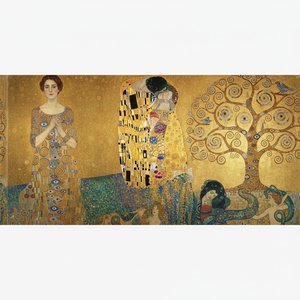
Οι 25 Κορυφαίοι Πίνακες του Gustav Klimt: Έμπνευση για Διακόσμηση και Τέχνη
Ανακαλύψτε τους 25 πιο εμβληματικούς πίνακες του Gustav Klimt! Εξερευνήστε την τέχνη Art Nouveau, τον συμβολισμό και τα χρυσά χρώματα που καθόρισαν το έργο του. Βρείτε αναπαραγωγές υψηλής ποιότητας για διακόσμηση σπιτιού στο OriginalUniqueArt.com.

Golden Splendor: The Top 25 Masterpieces by Gustav Klimt
Immerse yourself in the golden splendor of Gustav Klimt. Explore 25 iconic masterpieces from the Vienna Secession, featuring breathtaking Art Nouveau textures and gold leaf beauty. Find museum-quality reproductions for your decor. Discover all masterpieces on OriginalUniqueArt.com.

Golden Splendor: The 25 Most Iconic Masterpieces by Gustav Klimt
Immerse yourself in the golden splendor of Gustav Klimt. Explore 25 iconic Art Nouveau masterpieces, from The Kiss to his legendary portraits. Discover the stories behind these timeless works and find museum-quality art reproductions at OriginalUniqueArt.com.

Golden Splendor: The 25 Most Iconic Masterpieces by Gustav Klimt
Immerse yourself in the golden splendor of Gustav Klimt. Explore 25 iconic Art Nouveau masterpieces, from The Kiss to his legendary portraits. Discover the stories behind these timeless works and find museum-quality art reproductions on OriginalUniqueArt.com.