
 Δείτε σε πραγματικό χώρο
 Αποστολή
 Κοινοποίηση
 Λεπτομέρειες

 Λήψη
Λήψη
 Παρόμοια αντικείμενα συλλογής
 Ακτινογραφία
 Παρουσίαση
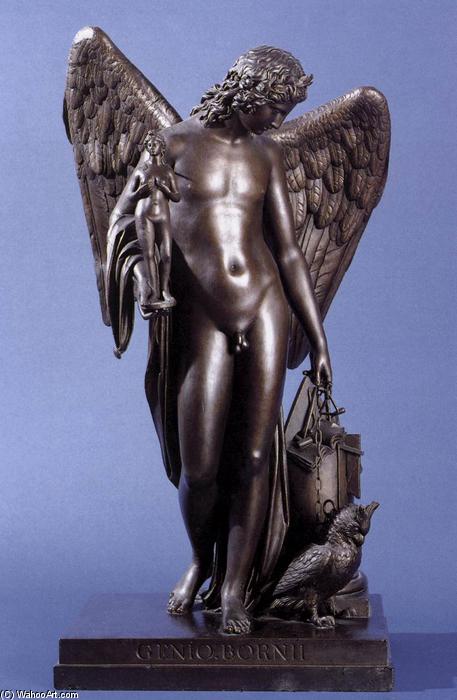
Genius Bornii


 Διαβάστε περισσότερα
Χειροποίητη Αναπαραγωγή σε Έλαιο
Χειροποίητη oil painting σε καμβά στο δικό σας μέγεθος και πλαίσιο, κατά παραγγελία από τους καλλιτέχνες μας. ( Αγορά εκτύπωσης Αγορά ψηφιακής εικόνας)




































Επιλέξτε από τις προκαθορισμένες διαστάσεις μας που διατηρούν τις αρχικές αναλογίες του έργου τέχνης.

Μπορείτε να ορίσετε δικές σας διαστάσεις ώστε το έργο να ταιριάζει σε ένα συγκεκριμένο πλαίσιο ή χώρο. Εάν το επιλεγμένο μέγεθος δεν συμπίπτει με τις αναλογίες της αρχικής εικόνας, θα περικοψούμε το έργο ή θα επεκτείνουμε τη ζωγραφιά με πρόσθετα χειρόγραφα στοιχεία. Ένα ψηφιακό προσχέδιο θα σας αποσταλεί για έγκριση πριν την έναρξη της παραγωγής.
Παρακαλούμε σημειώστε ότι η προεπισκόπηση στην οθόνη δεν αντικατοπτρίζει την πραγματική περικοπή ή επέκταση. Μόνο το προσχέδιο θα δείξει με ακρίβεια την τελική σύνθεση.
Παρόλο που είναι διαθέσιμα προσαρμοσμένα μεγέθη, συνιστούμε να επιλέξετε μια διάσταση από τη λίστα των προκαθορισμένων μεγεθών για τη διατήρηση των αρχικών αναλογιών.
Μετά την παραγγελία, η ομάδα του OriginalUniqueArt.com θα στείλει email στον πελάτη με οδηγίες και θα παρέχει μια προεπισκόπηση προσχεδίου
Παγκόσμια Αποστολή () σε 3-4 εβδομάδες αντί για τις συνήθεις 5 εβδομάδες. (20 Αύγουστος). Χωρίς συμβιβασμούς στην ποιότητα.

Δωρεάν γρήγορη διεθνής αποστολή

Κάμβας από Λινό Υψηλής Ποιότητας

Πλήρης ασφάλιση μεταφοράς

Εγγύηση Επιστροφής Δασμών και Φόρων

Εγγύηση Απόλυτης Ομοιότητας Χρωμάτων

Πολιτική Επιστροφής 60 Ημερών (Μόνο σε περίπτωση ελαττωμάτων)

Εγγύηση επιστροφής 100% των χρημάτων

Προσφορά για μαζικές παραγγελίες
 Η επιλογή με γυαλί είναι διαθέσιμη μόνο για μεγέθη κάτω από 110 εκ.

Genius Bornii
Μέσο Αναπαραγωγής
Διαστάσεις Αναπαραγωγής
-


Συνολική Τιμή
$ 300
Βιογραφία Καλλιτέχνη
Franz Anton von Zauner (1746 - 1822): Sculptor of Imperial Dignity
Franz Anton von Zauner (5 July 1746/48, Kaunerberg – 3 March 1822, Vienna) was an Austrian sculptor who flourished during the Neoclassical era, leaving behind a legacy marked by monumental equestrian statues and refined portrait sculptures that captured the spirit of his time. Born in Untervalpatann (modern Austria), Zauner’s artistic journey began with humble beginnings – his parents instilled in him a passion for art despite their modest circumstances—a formative influence that would shape his lifelong dedication to sculpting. Early training under Balthasar Horer, a distant relative on his mother's side and later Josef Deutschmann in Passau provided foundational skills in woodcarving, establishing a bedrock of technique that underpinned his subsequent endeavors.- Early Training & Apprenticeship: Zauner’s formative years were spent honing his craft under Horer and Deutschmann, absorbing the principles of craftsmanship and mastering essential sculptural techniques.
- Academic Pursuits: Enrollment at the Academy of Fine Arts in Vienna (1766) marked a pivotal moment, propelling him toward formal artistic education and exposing him to influential mentors like Anton Raphael Mengs.
Rome & The Pursuit of Classical Idealism
A commission from Prince Kaunitz for fountains at Schönbrunn Palace afforded Zauner the opportunity to embark on a transformative journey to Rome between 1776 and 1781—a period profoundly shaped by Mengs’ patronage. Dissatisfaction with prevailing sculptural trends fueled his determination to champion a purer Classical style, rejecting what he perceived as superfluous ornamentation and striving for elegance rooted in ancient artistic ideals. This commitment would become central to his artistic philosophy and inform his subsequent creations.- Mengs' Influence: Anton Raphael Mengs’ guidance instilled in Zauner a critical understanding of classical aesthetics and encouraged him to prioritize simplicity and harmony.
- Rejection of Ornamentation: Zauner actively opposed excessive embellishment, advocating for sculptural forms that embodied the purity and grandeur of antiquity.
The Joseph II Equestrian Statue – A Triumph of Neoclassical Style
Perhaps Zauner’s most celebrated achievement was the monumental equestrian statue of Emperor Joseph II (Holy Roman Emperor), commissioned in 1786. This ambitious undertaking cemented his reputation as a sculptor of distinction and exemplifies the zenith of Neoclassical art—a style characterized by restrained elegance, idealized proportions, and meticulous attention to detail. The statue’s success resonated deeply within Viennese society and garnered Zauner international acclaim, securing him a knighthood from Kaiser Franz I. As Anastasius Grün famously penned in his poem, “The Emperor,” Zauner's masterpiece captured the essence of imperial dignity and reflected the artistic sensibilities of the era.- Technical Mastery: The statue’s construction demanded unparalleled technical skill—Zauner skillfully employed bronze casting techniques to achieve remarkable accuracy and expressiveness.
- Symbolic Significance: Joseph II's posture and attire conveyed notions of authority, virtue, and stability—elements meticulously crafted to embody the ideals of Enlightenment governance.
Later Works & Legacy
Beyond the Joseph II statue, Zauner produced several other notable sculptures, including a monument to Leopold II in the Augustinian Church and the tomb of Field Marshal Ernst Gideon von Laudon at Schloss Laudon—works that showcased his continued dedication to classical principles and solidified his position as one of Vienna’s foremost sculptors. His influence extended beyond his own lifetime, inspiring subsequent generations of artists who embraced Neoclassical aesthetics and sought to emulate Zauner's masterful craftsmanship. Today, Franz Anton von Zauner remains remembered not merely as a sculptor but as an embodiment of Viennese artistic excellence—a testament to the enduring power of Classical ideals and the transformative potential of artistic vision.
franz anton zauner
1746 - 1822 , Italy
Γρήγορα στοιχεία
- Artistic Movement Or Style: Neoclassical
- Artists Or Movements Influenced By This Artist: ['Anastasius Grün']
- Artists Who Influenced This Artist:
- Anton Raphael Mengs
- Balthasar Horer
- Date Of Birth: July 5, 1746/48
- Full Name: Franz Anton von Zauner
- Nationality: Austrian
- Notable Artworks:
- Joseph II Statue
- Leopold II Tomb
- Place Of Birth: Kaunerberg, Italy

