
 Προεπισκόπηση σε πραγματική κλίμακα
 Αποστολή
 Κοινοποίηση
 Λεπτομέρειες
 Οδηγός

 Λήψη
Λήψη
 Παρόμοια αντικείμενα συλλογής
 Ακτινογραφία
 Παρουσίαση
 Ερωτήσεις & Απαντήσεις
 Στατιστικά
A Lady in Her Bath

- 117.0 x 107.0 cm


 Περισσότερα
Giclée / Εκτυπώσεις Τέχνης
Εκτύπωση giclée ή σε καμβά ποιότητας μουσείου με γρήγορη παραγωγή και ευέλικτες επιλογές φινιρίσματος. ( Αγορά χειροποίητου πίνακα Μετάβαση σε Ψηφιακή Αποτέλεσμα)




P118B €10

P118H €10

P118W €10

P438Z €10

P508JH €12

P508YH €12

P805H €10

P805Z €10

P919BZ €10

P919G €10

P919XJ €10

P959ZH €10

P968JZ €12

W106C €8

W218G €10

W218JH €8

W218Y €10

W307PJ €10

W316G €10

W316PJ €8

W316Y €10

W398PJ €8

W4111J €10

W500HY €15

W500JH €15

W692G €12

W849H €8

W940BG €15

W953PJ €8




Επιλέξτε από τις προκαθορισμένες διαστάσεις μας που διατηρούν τις αρχικές αναλογίες του έργου τέχνης.

Εισάγετε το πλάτος και το ύψος που επιθυμείτε, ώστε να ταιριάζουν στο κάδሮ ή στον τοίχο σας. Μια εκτύπωση μπορεί μόνο να υποστεί κοψίμό και ποτέ να μην γίνει μεγαλύτερη από την αρχική εικόνα, επομένως η επιλογή μεγέθους με διαφορετικό σχήμα συνεπάγεται απώλεια ενός μέρους της εικόνας. Σας στέλνουμε ένα ψηφιακό mockup για έγκριση πριν προχωρήσουμε σε οποιαδήποτε εκτύπωση. Η εικόνα που εμφανίζεται σε αυτή τη σελίδα δεν δείχνει την πραγματική κοπή — μόνο το mockup την παρουσιάζει.
Παγκόσμια Αποστολή () σε 2 εβδομάδες αντί για τις συνήθεις 4/5 εβδομάδες. (4 Νοέμβριος)

Δωρεάν γρήγορη διεθνής αποστολή

Κάμβας από Λινό Υψηλής Ποιότητας

Πλήρης ασφάλιση μεταφοράς

Εγγύηση επιστροφής δασμών και φόρων εισαγωγής

Εγγύηση Απόλυτης Ομοιότητας Χρωμάτων

Πολιτική Επιστροφής 100 Ημερών (Μόνο σε περίπτωση ελαττωμάτων)

Εγγύηση επιστροφής 100% των χρημάτων

Προσφορά για πολλαπλές παραγγελίες
 Η επιλογή με γυαλί είναι διαθέσιμη μόνο για μεγέθη κάτω από 110 εκ.

A Lady in Her Bath
Giclée / Εκτυπώσεις Τέχνης
Διαστάσεις Αναπαραγωγής
-


Τελική Τιμή
€ 72
An Intimate Encounter with the French Renaissance
In the quiet, luminous atmosphere of François Clouet’s A Lady in Her Bath, the viewer is not merely an observer but a silent guest invited into a moment of profound domestic intimacy. Painted around 1571, this masterpiece serves as a breathtaking window into the private lives of the French aristocracy during the late Renaissance. The composition unfolds with a theatrical grace, where heavy red satin drapes are pulled back like a stage curtain to reveal a scene of serene vulnerability. At the heart of this narrative sits a woman of ethereal beauty, her pale skin glowing against the crisp white linens of her tub. She is captured in a state of poised repose, her gaze drifting toward the distance as if lost in a private reverie, while the delicate details of her attire—pearl earrings, gold bracelets, and a jeweled cap—hint at a status of immense refinement and courtly elegance.
The painting transcends a simple portrait through its rich, layered storytelling. Surrounding the central figure is a tender tableau of life and continuity; a woman nursing a swaddled infant and a curious child reaching for fruit create a sense of maternal warmth that softens the formal grandeur of the setting. Clouet masterfully weaves together elements of luxury and nature, from the carnation held delicately in the lady's hand—a traditional symbol of love and engagement—to the lush landscape visible through open windows. Every corner of the room is imbued with meaning, whether it be the symbolic presence of a unicorn in a distant painting or the bountiful fruit scattered across the tub, suggesting themes of fertility, abundance, and the fleeting sweetness of life.
Mastery of Light and Flemish Naturalism
Technically, A Lady in Her Bath stands as a testament to Clouet’s unparalleled ability to blend the meticulous precision of Flemish naturalism with the burgeoning grace of the Italianate style. The artist employs a sophisticated command of light to sculpt the forms of the figures, creating a tactile quality that makes the smoothness of the skin and the heavy texture of the satin feel almost touchable. His brushwork is invisible yet incredibly expressive, focusing the viewer's attention on the subtle transitions of shadow across the lady's face and the intricate reflections in her jewelry. This level of detail is what makes a high-quality reproduction of this work so captivating for collectors; it allows the play of light and the delicate textures to breathe within a contemporary interior.
For the discerning interior designer or art enthusiast, this piece offers more than just visual beauty; it provides an emotional anchor. The painting’s palette—a sophisticated harmony of deep crimsons, brilliant whites, and warm golds—possesses a timeless versatility that can elevate a room from a mere living space to a curated gallery. Whether placed in a sunlit study or a grand dining hall, the artwork radiates a sense of historical depth and quiet sophistication. It is a work that invites contemplation, encouraging anyone who gazes upon it to pause and appreciate the enduring elegance of a bygone era, making it an incomparable centerpiece for any collection dedicated to the splendor of the French Renaissance.
Ερωτήσεις και Απαντήσεις
Πώς μπορώ να κατεβάσω την εικόνα του έργου "A Lady in Her Bath" του Φρανσουά Λεμόν;
Η λήψη είναι διαθέσιμη για το "A Lady in Her Bath": στη σελίδα Λήψη ψηφιακού αρχείου του έργου μπορείτε να κάνετε λήψη ψηφιακής εικόνας υψηλής ανάλυσης.
Ποιος δημιούργησε το "A Lady in Her Bath" και σε ποια χρονιά;
Το έργο "A Lady in Her Bath" δημιουργήθηκε από τον/την Φρανσουά Λεμόν το 1571.
Είναι το "A Lady in Her Bath" τυπικό για όσα δημιουργούσε συνήθως ο/η Φρανσουά Λεμόν;
Τα επαναλαμβανόμενα θέματα του/της Φρανσουά Λεμόν περιλαμβάνουν το/την flemish naturalism influence, italianate grace, french renaissance court life, valois monarchy era, refined portraiture style, mastery of detailed likeness, ενώ το/η "A Lady in Her Bath" εστιάζει στο/στην portrait, nude, renaissance, bath, family, still life, french art.
Βιογραφικό Καλλιτέχνη
A Legacy of Likeness: The World of François Clouet
François Clouet, a name synonymous with the refined portraiture of the French Renaissance, emerged from a lineage steeped in artistic skill and courtly favor. Born around 1510 in Tours, France, his life unfolded against a backdrop of evolving artistic sensibilities and the opulent world of the Valois monarchy. He wasn’t merely a painter; he was a chronicler of an era, capturing the essence of kings, queens, and courtiers with a meticulousness that continues to captivate viewers today. The shadow of his father, Jean Clouet, loomed large – both artists shared not only a profession but also the familiar nickname ‘Janet,’ leading to occasional confusion in attributing their works across generations. Yet, François carved his own distinct path, blending Flemish naturalism with an emerging Italianate grace, and establishing himself as one of France’s most celebrated portraitists.Inheriting a Tradition: Early Life and Artistic Formation
The early years of François Clouet remain somewhat veiled in historical obscurity, but his artistic trajectory was undeniably shaped by the legacy of his father. Jean Clouet, originating from the Southern Netherlands, brought with him to the French court the meticulous detail and realistic approach characteristic of Flemish painting. This foundation formed the bedrock of François’s training. A pivotal moment arrived in 1541 when François inherited his father's estate, formally stepping into his artistic inheritance and assuming the responsibilities that came with it. This wasn’t simply a transfer of property; it was an assumption of a role within the very fabric of the French court. The Clouet family also enjoyed a unique connection to the Italian Renaissance through Jean’s time in Amboise, exposing François to the burgeoning ideals and innovative techniques emanating from Italy – a subtle but significant influence that would later manifest in his work. He absorbed not just technique, but an understanding of how art could serve as both documentation and celebration of power and status. He mastered the Flemish style, diligently studying the works of Hans Holbein the Younger, whose masterful draughtsmanship mirrored Clouet’s own dedication to precision and anatomical accuracy.The Art of Revelation: Style and Major Works
François Clouet’s distinctive artistic vision was characterized by an unwavering commitment to realism and elegance. His portraits weren't merely representations of physical appearance; they were profound explorations of character, conveying not only facial features but also psychological nuance—a hallmark of Renaissance humanist thought. He achieved this remarkable feat through a masterful manipulation of light and shadow (*chiaroscuro*), subtly enhancing the contours of his subjects’ faces and garments. His meticulous attention to detail extended beyond mere depiction; it encompassed every element of the composition, from drapery folds to jewelry embellishments—creating immersive visual experiences that reflected the grandeur of the royal court. Among his most celebrated achievements were depictions of Francis I – notably the iconic portrait housed in the Louvre Museum, which exemplifies Clouet’s ability to capture regal dignity and authority with breathtaking subtlety. He also immortalized Catherine de' Medici, portraying her with dignified grace—a testament to his skill in conveying aristocratic composure. Furthermore, he undertook commissions for numerous prominent figures of the era, documenting their likenesses with unwavering accuracy and artistic finesse.A Defining Aesthetic: Characteristics of Clouet’s Art
Several stylistic traits distinguished François Clouet's oeuvre from that of his contemporaries. His drawings possessed an unparalleled level of anatomical precision—reflecting a deep understanding of human anatomy gleaned from classical texts and observation—demonstrating a mastery of draughtsmanship that underpinned his artistic vision. Unlike Holbein, whose drawings prioritized linear perspective and dramatic composition, Clouet’s sketches favored delicate hatching techniques—creating subtle gradations of tone that conveyed depth and volume with remarkable finesse. His paintings were imbued with an understated elegance—characterized by restrained color palettes and harmonious compositions—reflecting the refined sensibilities of the French court. He skillfully employed *chiaroscuro*, subtly modulating light and shadow to sculpt the forms of his subjects—enhancing their visual impact without resorting to theatrical contrasts. This meticulous approach ensured that each portrait conveyed not only likeness but also a sense of inner life—capturing the essence of his subjects’ personalities with profound insight.A Lasting Impression: Historical Significance and Legacy
François Clouet's contribution to French Renaissance art is undeniable. He established portraiture as a dominant genre in France, elevating the status of the artist and providing invaluable visual records of the royal court—a legacy that continues to inspire admiration centuries later. His stylistic innovations influenced subsequent generations of painters—solidifying his place as one of the foremost figures in French artistic history. Clouet’s meticulous drawings and paintings stand as enduring symbols of Renaissance artistry—testaments to his unwavering dedication to precision, elegance, and psychological insight. He died on December 22, 1572, marking the end of an era—a poignant reminder that even the most brilliant artistic minds eventually succumb to time's relentless march. His legacy persists in the masterpieces he created—works that continue to captivate viewers with their beauty and intellectual depth—affirming his enduring significance as a pivotal figure in French cultural heritage.
Φρανσουά Λεμόν
1510 - 1572 , Γαλλία
Γρήγορα στοιχεία
- Artistic Movement Or Style: Ροκοκό ζωγράφος
- Artists Or Movements Influenced By This Artist: ['Γάλλοι ζωγράφοι']
- Artists Who Influenced This Artist:
- Ζαν Κλουέ
- Λεονάρδος Ντα Βίντσι
- Date Of Birth: c. 1510
- Date Of Death: 1572
- Full Name: François Clouet
- Nationality: Γαλλικός
- Notable Artworks:
- Η αγάπη επιστολή
- Ο βασιλιάς Φραντσίσκος Ι
- Μαρία Η Βασίλισσα Σκωτίας
- Place Of Birth: Tours, France
Σχετικά άρθρα
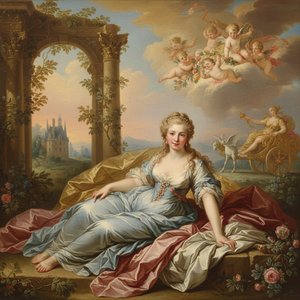
François Boucher: Rococo Master of Myth, Sensuality, and the French Court
Explore the captivating world of François Boucher, master of Rococo painting! Discover his iconic works, aristocratic patronage, and lasting influence on French art history. Learn more at OriginalUniqueArt.

The Eloquent Form: A Historical & Aesthetic Exploration of the Nude in Art
Explore the captivating history of the nude in art! From ancient Greece to modern masters, discover its evolving symbolism, techniques & enduring beauty. Expert insights for collectors and enthusiasts.

The Enduring Allure of the Nude: A Historical & Artistic Exploration of the Human Form
Explore the captivating history of nude art! Discover iconic paintings & artists from classical to modern eras. Uncover symbolism, techniques & find museum-quality reproductions at OriginalUniqueArt.
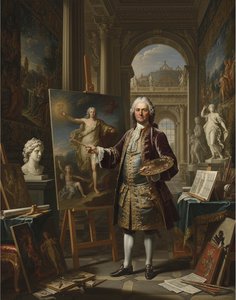
Charles Le Brun: Master of French Baroque Classicism & His Enduring Legacy
Explore the life & art of Charles Le Brun, master of French Baroque Classicism. Discover his royal commissions, influence on Versailles, and enduring legacy through detailed analysis & stunning artworks.

François Flameng: Bridging Academic Tradition & Impressionistic Sensibility
Explore the captivating works of François Flameng, a celebrated French painter bridging academic tradition & Impressionistic sensibilities. Discover his portraits, landscapes, and poignant WWI art with insights from OriginalUniqueArt.

