
 Δείτε σε πραγματικό χώρο
 Αποστολή
 Κοινοποίηση
 Λεπτομέρειες

 Λήψη
Λήψη
 Παρόμοια αντικείμενα συλλογής
 Ακτινογραφία
 Παρουσίαση
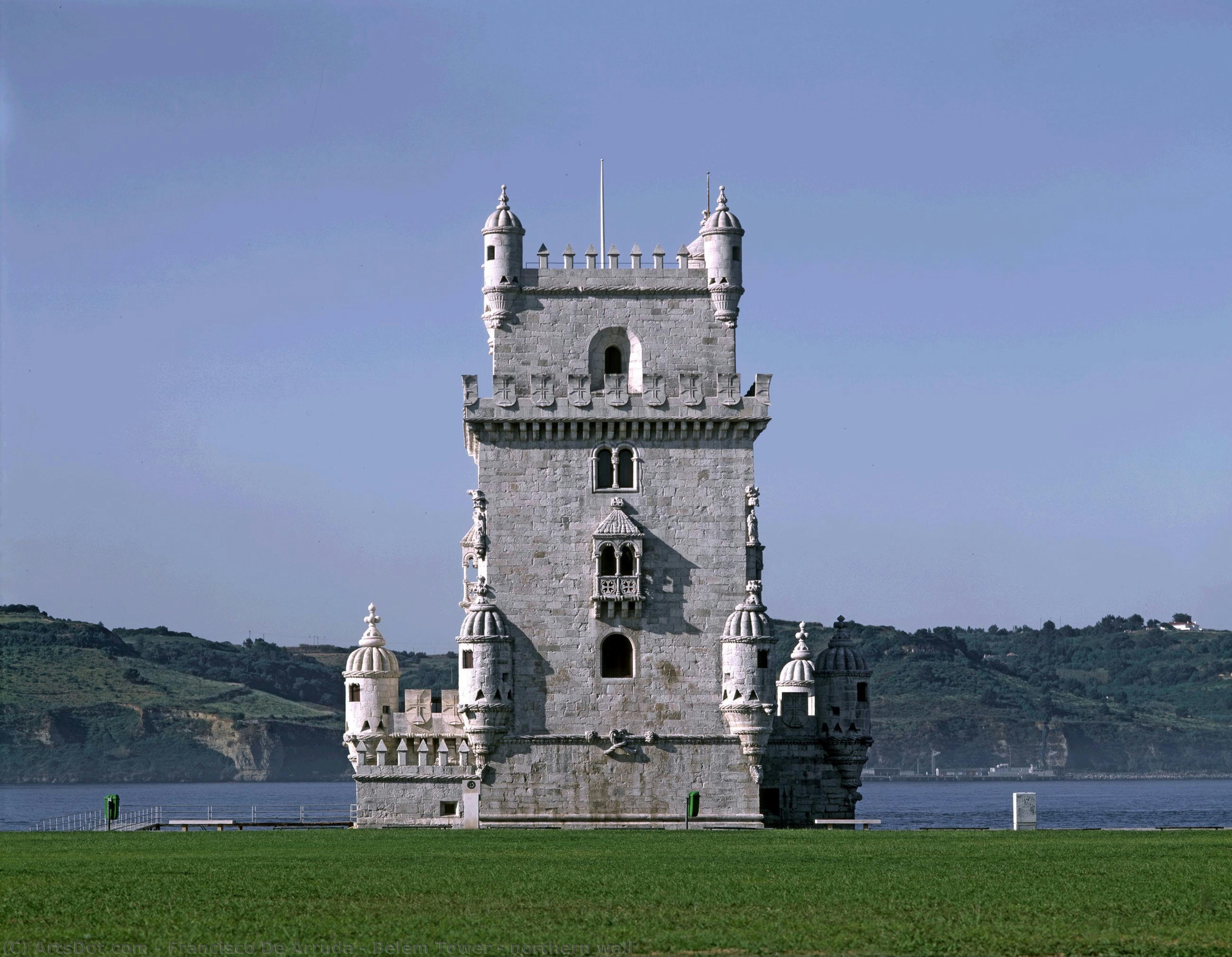
Belém Tower - northern wall


 Διαβάστε περισσότερα
Αγοράστε μια ψηφιακή εικόνα υψηλής ανάλυσης και βελτιωμένης ποιότητας, πολύ ανώτερης από την προεπισκόπηση στο διαδίκτυο.
Κάθε αρχείο προετοιμάζεται σχολαστικά από τους εξειδικευμένους συνεργάτες μας, με τη χρήση προηγμένων εργαλείων και χειροκίνητου ρετουσαρίσματος υψηλής ακρίβειας. Εξασφαλίζουμε ότι κάθε εικόνα προσφέρει εξαιρετική ευκρίνεια, απόλυτη πιστότητα στο χρώμα και λεπτομερή ανάδραση των λεπτομερειών.
Το τελικό αρχείο παραδίδεται μέσω email εντός 72 ωρών, βελτιστοποιημένο για άμεση χρήση σε επαγγελματικά, εκδοτικά και έντυπα περιβάλλοντα. Πρόκειται για την ίδια ποιότητα που εμπιστεύονται κορυφαία studios σχεδιασμού, εκδότες και γκαλερί.
Ψηφιακή εικόνα
Κατεβάστε ένα αρχείο υψηλής ανάλυσης για προσωπική χρήση, εκτύπωση και δημιουργικά έργα. ( Αγορά εκτύπωσης Αγορά χειροποίητου πίνακα)
Περιλαμβάνεται σε κάθε παραγγελία ψηφιακής εικόνας
Επαγγελματική Ψηφιακή Παράδοση με Εγγύηση
Όταν επιλέγετε το OriginalUniqueArt.com, δεν αποκτάτε απλώς μια εικόνα – λαμβάνετε ένα επαγγελματικά αναβαθμισμένο ψηφιακό έργο τέχνης, δημιουργημένο με ακρίβεια και με εγγύηση ικανοποίησης. Δείτε όλα όσα περιλαμβάνονται στην παραγγελία σας, αυτόματα:

Άμεση αποστολή μέσω email
Το ψηφιακό σας αρχείο εικόνας υψηλής ανάλυσης θα σας σταλεί μέσω email εντός 72 ωρών από την παραγγελία σας — έτοιμο για άμεση χρήση.

Ψηφιακό Αρχείο με Τεχνητή Νοημοσύνη
Το έργο σας βελτιστοποιείται επαγγελματικά με τη χρήση προηγμένων εργαλείων Τεχνητής Νοημοσύνης και χειροκίνητης επεξεργασίας, εξασφαλίζοντας μέγιστη λεπτομέρεια, ευκρίνεια και ακρίβεια χρωμάτων.

Δωρεάν επανεκδόσεις مدى ζωής
Απώλησες ή διαγράψατε κατά λάθος το αρχείο σας; Μην ανησυχείτε — θα σας το ξαναστείλομε οποιαδήποτε στιγμή, δωρεάν.

Χωρίς Τελωνειακούς Φόρους - Ποτέ
Απολαύστε αμέσως τα έργα τέχνης σας χωρίς δασμούς, φόρους ή έξοδα αποστολής - οι ψηφιακές λήψεις είναι πάντα αφορεশিপτεία.

Εγγύηση Ακριβούς Χρωματισμού
Εξασφαλίζουμε ότι η ψηφιακή σας εικόνα αποτυπώνει τα αυθεντικά χρώματα όσο το δυνατόν πιστότερα, χρησιμοποιώντας επαγγελματικά εργαλεία και διαχείριση χρωμάτων.

Εγγύηση Ικανοποίησης 60 Ημερών
Εάν δεν είστε ικανοποιημένοι με την ψηφιακή σας εικόνα, θα την αναθεωρήσουμε ή θα σας επιστρέψουμε το 100% της αξίας της εντός 60 ημερών - χωρίς κανένα ερώτημα.

100% Εγγύηση Επιστροφής Χρήματος
Δεν είστε ικανοποιημένοι; Λάβετε πλήρη επιστροφή των χρημάτων σας εντός 60 ημερολογιακών ημερών από τη λήψη του ψηφιακού σας αρχείου — χωρίς κανένα ερώτημα.

Εκπτώσεις για μαζικές παραγγελίες
Αγοράστε 3 εικόνες, κάντε εξοικονόμηση 10% - Αγοράστε 5, κάντε εξοικονόμηση 15% - Αγοράστε 10+, κάντε εξοικονόμηση 20%. Ιδανικό για δημιουργικά έργα, γκαλερί και agencies.
Περιγραφή Συλλεκτικού Αντικειμένου
Βιογραφικό Καλλιτέχνη
The Architect of Portugal’s Golden Age
Francisco de Arruda stands as a pivotal figure in the grand tapestry of Portuguese architectural history, a master builder whose hands helped shape the very identity of a nation at the height of its maritime dominion. Emerging during the sixteenth century, Arruda became one of the most influential proponents of the Manueline style—a uniquely opulent and exuberant fusion of Gothic grandeur and Renaissance humanism. This aesthetic, characterized by intricate ornamentation and naturalistic motifs, served as a visual language for Portugal’s Age of Discovery, reflecting the wealth, power, and global reach of the Portuguese crown under King Manuel I.
Born into a noble family steeped in architectural tradition, Francisco was not an isolated talent but part of a formidable lineage of creators. He was the younger brother of the celebrated architect Diogo de Arruda, and together with their father, Miguel de Arruda, they formed a familial nucleus of craftsmanship. This shared heritage ensured that the brothers would become instrumental in transforming the Portuguese landscape. While much of his early life remains shrouded in the mists of history, it is believed he hailed from the Alentejo region, a territory where many of his most enduring structural legacies still stand as silent witnesses to his genius.
A Legacy Carved in Stone and Sea
The true brilliance of Francisco de Arruda lies in his ability to synthesize disparate cultural influences into a cohesive, breathtaking whole. His work was deeply informed by the soaring arches of the Gothic tradition, yet it breathed with the new, humanist ideals emerging from Italy. Furthermore, his travels to North Africa to construct fortifications in Morocco introduced a subtle Moorish influence to his repertoire, adding a layer of complexity and exoticism to his designs. This ability to blend local traditions with international currents allowed him to create structures that were both profoundly Portuguese and cosmopolitically aware.
His most enduring achievement, and perhaps the most iconic symbol of Portugal’s maritime soul, is the Belém Tower in Lisbon. Constructed between 1514 and 1519, this UNESCO World Heritage Site is a masterpiece of military architecture and decorative art. In the tower's stone carvings, one can observe the quintessential elements of the Manueline style: maritime symbols, ropes, and organic forms that evoke the spirit of the great explorers who departed from these very shores. Beyond this monumental fortification, his hand can be seen in several other vital structures:
- The Belém Tower: A breathtaking sentinel of the Tagus River, embodying the strength and elegance of the Portuguese maritime empire.
- Aqueduto da Água de Prata: An impressive feat of engineering in Évora that demonstrates his mastery over large-scale hydraulic architecture.
- Fortifications of the Alentejo: His early work repairing the forts at Moura, Mourao, and Portel, which laid the foundation for his reputation as a premier military architect.
- Church of Nossa Senhora da Assunção: A significant religious structure in Elvas that showcases his ability to blend sacred space with architectural grandeur.
The Enduring Echo of a Master
Though Francisco de Arruda passed away on November 30, 1547, his influence did not vanish with his death. His architectural language paved the way for future generations, including his son Miguel de Arruda, who carried the family's tradition of building into the colonies of Brazil and Mozambique. The structural innovations introduced by Francisco helped cement Portugal's reputation as a beacon of artistic innovation in Europe, creating a lasting aesthetic that remains inseparable from the nation's historical identity.
To study the works of Arruda is to walk through the very heart of the Portuguese Renaissance. His buildings are more than mere stone and mortar; they are poetic expressions of an era defined by curiosity, courage, and conquest. Through his mastery of the Manueline style, he captured the ephemeral glory of the Age of Discovery and rendered it permanent, ensuring that the spirit of Portugal's golden age would endure long after the great caravels had returned to port.

francisco de arruda
1547 , Portugal
Γρήγορα στοιχεία
- Artistic Movement Or Style: Manueline
- Artists Or Movements Influenced By This Artist: ['Italian Renaissance']
- Artists Who Influenced This Artist:
- Diogo de Arruda
- Benedetto da Ravenna
- Date Of Death: 1547
- Full Name: Francisco de Arruda
- Nationality: Portuguese
- Notable Artworks:
- Belém Tower
- Bulwark (interior)
- Cloister of Tomar
- Place Of Birth: Lisbon, Portugal

