
 Προεπισκόπηση σε πραγματική κλίμακα
 Αποστολή
 Κοινοποίηση
 Λεπτομέρειες
 Οδηγός

 Λήψη
Λήψη
 Παρόμοια αντικείμενα συλλογής
 Ακτινογραφία
 Παρουσίαση
 Q&A
Q&A Στατιστικά
Work

- 137.0 x 197.0 cm


 Περισσότερα
Giclée / Εκτυπώσεις Τέχνης
Εκτύπωση giclée ή σε καμβά ποιότητας μουσείου με γρήγορη παραγωγή και ευέλικτες επιλογές φινιρίσματος. ( Αγορά χειροποίητου πίνακα Μετάβαση σε Ψηφιακή Αποτέλεσμα)




P118B €10

P118H €10

P118W €10

P438Z €10

P508JH €12

P508YH €12

P805H €10

P805Z €10

P919BZ €10

P919G €10

P919XJ €10

P959ZH €10

P968JZ €12

W106C €8

W218G €10

W218JH €8

W218Y €10

W307PJ €10

W316G €10

W316PJ €8

W316Y €10

W398PJ €8

W4111J €10

W500HY €15

W500JH €15

W692G €12

W849H €8

W940BG €15

W953PJ €8




Επιλέξτε από τις προκαθορισμένες διαστάσεις μας που διατηρούν τις αρχικές αναλογίες του έργου τέχνης.

Εισάγετε το πλάτος και το ύψος που επιθυμείτε, ώστε να ταιριάζουν στο κάδሮ ή στον τοίχο σας. Μια εκτύπωση μπορεί μόνο να υποστεί κοψίμό και ποτέ να μην γίνει μεγαλύτερη από την αρχική εικόνα, επομένως η επιλογή μεγέθους με διαφορετικό σχήμα συνεπάγεται απώλεια ενός μέρους της εικόνας. Σας στέλνουμε ένα ψηφιακό mockup για έγκριση πριν προχωρήσουμε σε οποιαδήποτε εκτύπωση. Η εικόνα που εμφανίζεται σε αυτή τη σελίδα δεν δείχνει την πραγματική κοπή — μόνο το mockup την παρουσιάζει.
Παγκόσμια Αποστολή () σε 2 εβδομάδες αντί για τις συνήθεις 4/5 εβδομάδες. (2 Νοέμβριος)

Δωρεάν γρήγορη διεθνής αποστολή

Κάμβας από Λινό Υψηλής Ποιότητας

Πλήρης ασφάλιση μεταφοράς

Εγγύηση επιστροφής δασμών και φόρων εισαγωγής

Εγγύηση Απόλυτης Ομοιότητας Χρωμάτων

Πολιτική Επιστροφής 100 Ημερών (Μόνο σε περίπτωση ελαττωμάτων)

Εγγύηση επιστροφής 100% των χρημάτων

Προσφορά για πολλαπλές παραγγελίες
 Η επιλογή με γυαλί είναι διαθέσιμη μόνο για μεγέθη κάτω από 110 εκ.

Work
Giclée / Εκτυπώσεις Τέχνης
Διαστάσεις Αναπαραγωγής
-


Τελική Τιμή
€ 71
Ford Madox Brown’s “Work”: A Symphony of Labor and Salvation
Ford Madox Brown's "Work," completed between 1852 and 1865, isn’t merely a depiction of a bustling Victorian street scene; it’s a profound meditation on the very nature of labor, morality, and the spiritual condition of an era grappling with rapid industrialization. This monumental oil painting, now residing in the Manchester City Art Gallery, stands as a testament to Brown's Pre-Raphaelite vision—a fusion of meticulous realism, vibrant color, and deeply embedded social commentary. The canvas explodes with activity, yet within this apparent chaos lies a carefully orchestrated narrative designed to provoke reflection on the value of honest toil and its connection to divine grace.
The scene unfolds in Hampstead Heath, capturing a group of navvies – laborers constructing a new water supply system—engaged in their arduous task. Brown’s genius lies not just in his technical mastery but in his ability to imbue these figures with dignity and humanity. He avoids the typical romanticized portrayal of manual labor often found in earlier works; instead, he presents them as complex individuals, each contributing to a larger communal effort. The composition is dominated by a semi-circular arrangement, drawing the viewer’s eye towards a central female figure, arguably representing both the Virgin Mary and a symbol of domestic virtue. Surrounding her are a diverse cast—a young couple struggling to feed their child, an unemployed haymaker, a pious middle-class woman distributing temperance tracts, and even a skeptical aristocrat observing the scene from horseback.
A Pre-Raphaelite Vision: Color, Detail, and Symbolism
Brown’s artistic approach is deeply rooted in the Pre-Raphaelite movement's core tenets. He employs a remarkably rich and vibrant palette—a departure from the muted tones often associated with academic painting—to capture the intensity of sunlight and the textures of clothing and skin. The meticulous detail, evident in every brushstroke, invites close scrutiny, revealing an astonishing level of observation and technical skill. The figures are rendered with a heightened sense of realism, yet imbued with a symbolic weight that elevates the scene beyond a simple snapshot of daily life.
Symbolism permeates “Work.” The bright sunlight, for instance, isn’t merely atmospheric; it represents divine illumination—a metaphorical light guiding the laborers towards salvation through honest labor. The placement of figures within the composition is deliberate, creating a visual hierarchy that underscores Brown's moral argument. The central female figure acts as a focal point, connecting the earthly realm of labor with the spiritual realm of grace. Even seemingly mundane details, such as the discarded temperance leaflet or the broken wheelbarrow, carry symbolic weight, highlighting the social injustices and inequalities prevalent in Victorian England.
Historical Context: Industrialization and Moral Reform
“Work” was painted during a period of profound social and economic upheaval. The rise of industrialization had transformed Britain into an empire fueled by factories and railways, but it also created immense poverty, overcrowding, and social unrest. The Pre-Raphaelites, including Brown, sought to challenge the prevailing artistic conventions and address pressing social issues through their art. They were influenced by thinkers like Thomas Carlyle, who argued that labor was a moral imperative—a means of achieving spiritual fulfillment. Carlyle’s ideas resonated deeply with Brown, informing his depiction of work as a pathway to salvation.
The painting reflects the broader intellectual and religious currents of the time. The Victorian era witnessed a resurgence of interest in biblical themes and a renewed emphasis on Christian morality. Brown's decision to depict laborers—often marginalized and ignored by mainstream society—as potential heroes underscores this shift in values. He suggests that true nobility lies not in wealth or status, but in the dedication and perseverance required to earn one’s livelihood through honest work.
Emotional Resonance: A Timeless Message
“Work” continues to resonate with viewers today because of its enduring message about the dignity of labor and the importance of social justice. The painting's raw energy, vibrant colors, and complex symbolism create a powerful emotional experience—one that challenges us to consider our own relationship to work, community, and spirituality. It’s a reminder that even in the midst of hardship and struggle, there is inherent value in contributing to something larger than oneself.
Reproductions of “Work” offer a remarkable opportunity to bring this masterpiece into your home or office—a visual testament to the enduring power of art to inspire reflection and promote social awareness. Each brushstroke captures not just a scene, but an entire era’s anxieties and aspirations, making it a truly timeless addition to any collection.
Ερωτήσεις και Απαντήσεις
Τι θέμα και ατμόσφαιρα αποπνέει το "Work" του Φορτ Μάντοξ Μπράουν;
Το έργο "Work" του Φορτ Μάντοξ Μπράουν συνδυάζει τα labor, victorian england, social commentary, pre-raphaelite, morality, figures, industry με μια ατμόσφαιρα Dramatic.
Ποια χρώματα κυριαρχούν στο "Work" του Φορτ Μάντοξ Μπράουν;
Το έργο "Work" του Φορτ Μάντοξ Μπράουν χρησιμοποιεί μια παλέτα με αποχρώσεις Earthy, με το Phthalo Green (#2a241e) να αποτελεί το κυρίαρχο χρώμα.
Ποια είναι η διάταξη του έργου "Work" του Φορτ Μάντοξ Μπράουν;
Το έργο "Work" του Φορτ Μάντοξ Μπράουν είναι μια σύνθεση σε μορφή Landscape. Αξίζει να ελέγξετε τις αναλογίες πριν επιλέξετε το μέγεθος της εκτύπωσης.
Βιογραφικό Καλλιτέχνη
Ford Madox Brown: A Visionary of Victorian Realism
Ford Madox Brown (1821–1893) stands as a pivotal figure in British art history, embodying the spirit of Pre-Raphaelitism while forging his own distinctive artistic path. Born in Calais, France, to a naval officer and a physician, Brown’s upbringing instilled in him an appreciation for observation and meticulous detail—qualities that would define his oeuvre. His early studies focused on copying Old Master prints, absorbing techniques and compositional strategies from artists like Rembrandt and Raphael, establishing a foundational understanding of artistic tradition. This grounding proved crucial as he embarked upon his formal artistic education in Bruges, Ghent, and Antwerp under the tutelage of Albert Gregorius and Pieter van Hanselaere—institutions that championed scientific accuracy alongside aesthetic beauty.- Early Influences: Brown’s formative years were profoundly shaped by the Nazarene movement, spearheaded by Gustave Wappers, which emphasized spiritual contemplation and a return to medieval artistic ideals. This influence instilled in him a reverence for biblical narratives and a commitment to portraying human emotion with unflinching honesty.
- The Pre-Raphaelite Brotherhood: Though never formally affiliated with the PRB, Brown cultivated close relationships with its founding members—Dante Gabriel Rossetti, William Holman Hunt, and John Everett Millais—and shared their core convictions regarding artistic truthfulness and moral responsibility. His friendship with Rossetti particularly fostered a dialogue about artistic innovation and stylistic experimentation.
A Distinctive Style: Combining Hogarthian Detail with Vibrant Color
Brown’s artistic style distinguished itself from prevailing academic conventions through its masterful blend of Hogarthian realism—characterized by dramatic narrative detail and social commentary—and luminous color palettes inspired by Hans Holbein the Younger. Unlike many of his contemporaries who prioritized idealized representations, Brown relentlessly pursued accuracy in depicting everyday life, capturing the textures and nuances of Victorian society with remarkable sensitivity. His meticulous attention to observation is evident throughout his work, from *Work* (1852–63), a monumental depiction of industrial labor that confronts viewers with uncomfortable truths about social inequality, to *The Last of England* (1855), which portrays the poignant farewells of emigrants leaving Britain for Australia.- Technique: Brown’s technique involved painstaking layering of glazes and pigments—a method honed during his Antwerp studies—to achieve unparalleled tonal depth and luminosity.
- Subject Matter: He consistently tackled ambitious historical narratives, exploring themes of faith, morality, and social justice with unwavering conviction.
The Manchester Murals: A Triumph of Narrative Painting
Perhaps Brown’s most enduring legacy resides in the twelve murals commissioned for Manchester Town Hall—a project that cemented his reputation as Britain's foremost mural painter. These monumental canvases chronicle Manchester’s history from Roman times to the Industrial Revolution, demonstrating Brown’s ability to synthesize historical research with artistic vision. The murals are celebrated for their dramatic composition, vibrant color palettes, and masterful depiction of human emotion—qualities that resonate powerfully with viewers today. They represent a pinnacle of Victorian narrative painting and stand as testament to Brown's dedication to capturing the spirit of his era.Lasting Influence
Ford Madox Brown’s artistic innovations profoundly impacted subsequent generations of British painters, inspiring artists like Thomas Benjamin Kennington—whose work echoes Brown’s commitment to realism and social observation—and establishing him as a cornerstone of Victorian art history. His unwavering belief in the transformative power of art continues to inspire admiration and scholarly inquiry, securing his place among Britain's most influential artistic figures."
Φορτ Μάντοξ Μπράουν
1821 - 1893 , Γαλλία
Γρήγορα στοιχεία
- Artistic Movement Or Style: Πρεραφαέλειτες
- Artists Or Movements Influenced By This Artist: ['Πρεραφαέλειτες']
- Artists Who Influenced This Artist:
- Γουίλιαμ Χόγκαρθ
- Γουίλιαμος Μορρίς
- Date Of Birth: 16 Απρ. 1821
- Date Of Death: 6 Οκτ. 1893
- Full Name: Ford Madox Brown
- Nationality: Βρετανός
- Notable Artworks:
- Εργασία
- Η Τελευταία Εθνική
- Place Of Birth: Καλώςς, Γαλλία
Σχετικά άρθρα

Pre-Raphaelite Romanticism: A Guide to Vivid Detail and Medieval Beauty in Victorian Art
Explore the vivid detail and medieval beauty of Pre-Raphaelite Romanticism. Discover the history of masters like Rossetti and Millais through our expert guide to Victorian art, perfect for collectors and professionals seeking authentic, museum-quality reproductions.

Sir John Everett Millais: Pre-Raphaelite Rebellion & Victorian Narrative Detail
Explore the revolutionary art of Sir John Everett Millais & the Pre-Raphaelite Brotherhood. Discover their radical realism, symbolic narratives, and lasting impact on Victorian aesthetics. A deep dive into 19th-century masterpieces.
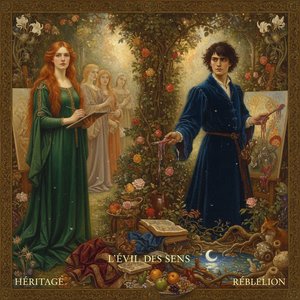
The Pre-Raphaelite Brotherhood: Reclaiming Beauty, Nature, and Truth in Victorian Art History
Explore the revolutionary Pre-Raphaelite Brotherhood. Discover how these visionary artists rejected academic tradition to reclaim beauty, nature, and truth through luminous detail and literary depth in Victorian art history.

Dante Gabriel Rossetti: Τα 25 Εμβληματικότερα Έργα Τέχνης | OriginalUniqueArt.gr
Ανακαλύψτε τα 25 εμβληματικότερα έργα του Dante Gabriel Rossetti! Εξερευνήστε την ιστορία, τον συμβολισμό και την τεχνική των προραφαηλιτικών αριστουργημμάτων. Βρείτε πίνακες υψηλής ποιότητας για να εμπνεύσετε το σπίτι σας στην OriginalUniqueArt.gr.
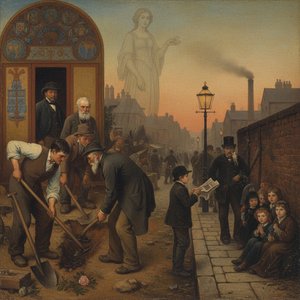
Ford Madox Brown: Pre-Raphaelite Visionary & Victorian Social Commentary
Explore the life & art of Ford Madox Brown, a pivotal Pre-Raphaelite painter renowned for his powerful social commentary and masterpiece 'Work'. Discover his lasting influence on British art history.