

 Δείτε σε πραγματικό χώρο
 Αποστολή
 Κοινοποίηση
 Λεπτομέρειες

 Λήψη
Λήψη
 Παρόμοια αντικείμενα συλλογής
 Ακτινογραφία
 Παρουσίαση
Achille Dying
 114.0 x 200.0 cm
 Accademia di San Luca
 Διαβάστε περισσότερα
Χειροποίητη Αναπαραγωγή σε Έλαιο
Χειροποίητη oil painting σε καμβά στο δικό σας μέγεθος και πλαίσιο, κατά παραγγελία από τους καλλιτέχνες μας. ( Αγορά εκτύπωσης Αγορά ψηφιακής εικόνας)




































Επιλέξτε από τις προκαθορισμένες διαστάσεις μας που διατηρούν τις αρχικές αναλογίες του έργου τέχνης.

Μπορείτε να ορίσετε δικές σας διαστάσεις ώστε το έργο να ταιριάζει σε ένα συγκεκριμένο πλαίσιο ή χώρο. Εάν το επιλεγμένο μέγεθος δεν συμπίπτει με τις αναλογίες της αρχικής εικόνας, θα περικοψούμε το έργο ή θα επεκτείνουμε τη ζωγραφιά με πρόσθετα χειρόγραφα στοιχεία. Ένα ψηφιακό προσχέδιο θα σας αποσταλεί για έγκριση πριν την έναρξη της παραγωγής.
Παρακαλούμε σημειώστε ότι η προεπισκόπηση στην οθόνη δεν αντικατοπτρίζει την πραγματική περικοπή ή επέκταση. Μόνο το προσχέδιο θα δείξει με ακρίβεια την τελική σύνθεση.
Παρόλο που είναι διαθέσιμα προσαρμοσμένα μεγέθη, συνιστούμε να επιλέξετε μια διάσταση από τη λίστα των προκαθορισμένων μεγεθών για τη διατήρηση των αρχικών αναλογιών.
Μετά την παραγγελία, η ομάδα του OriginalUniqueArt.com θα στείλει email στον πελάτη με οδηγίες και θα παρέχει μια προεπισκόπηση προσχεδίου
Παγκόσμια Αποστολή () σε 3-4 εβδομάδες αντί για τις συνήθεις 5 εβδομάδες. (18 Αύγουστος). Χωρίς συμβιβασμούς στην ποιότητα.

Δωρεάν γρήγορη διεθνής αποστολή

Κάμβας από Λινό Υψηλής Ποιότητας

Πλήρης ασφάλιση μεταφοράς

Εγγύηση Επιστροφής Δασμών και Φόρων

Εγγύηση Απόλυτης Ομοιότητας Χρωμάτων

Πολιτική Επιστροφής 60 Ημερών (Μόνο σε περίπτωση ελαττωμάτων)

Εγγύηση επιστροφής 100% των χρημάτων

Προσφορά για μαζικές παραγγελίες
 Η επιλογή με γυαλί είναι διαθέσιμη μόνο για μεγέθη κάτω από 110 εκ.

Achille Dying
Μέσο Αναπαραγωγής
Διαστάσεις Αναπαραγωγής
-


Συνολική Τιμή
$ 300
Βιογραφία Καλλιτέχνη
The Guardian of Antiquity: The Life and Legacy of Filippo Albacini
In the golden twilight of the Roman Baroque and the dawn of Neoclassicism, few figures occupied a space as vital to the preservation of history as Filippo Albacini. Born in Rome in 1734, Albacini did not merely exist within his era; he acted as a bridge between the fragmented remains of the ancient world and the burgeoning intellectual hunger of the modern age. His life was defined by a profound devotion to the classical ideal, a pursuit that saw him transform from a skilled pupil into one of the most respected restorers and copyists of Roman sculpture. To understand Albacini is to understand the very heartbeat of 18th-century Rome, a city then obsessed with reclaiming its imperial grandeur through the meticulous revival of marble and stone.
The trajectory of Albacini’s artistry was irrevocly shaped by his apprenticeship under the legendary Bartolomeo Cavaceppi. Within Cavaceppi’s renowned workshop, Albacini was immersed in a culture where sculpture was as much about archaeological stewardship as it was about creative expression. This mentorship provided him with more than just technical mastery over the chisel; it instilled a deep-seated reverence for the integrity of ancient works. Under this tutelage, he learned the delicate art of restoration—a practice that, in his hands, became an act of historical resurrection. He understood that to touch an ancient fragment was to engage in a dialogue with the past, requiring a precision that could seamlessly blend new marble with the weathered surfaces of antiquity.
Mastery of the Copy and the Art of Restoration
Albacini’s professional output was characterized by a remarkable duality that served both the scholarly and the commercial needs of his time. On one hand, he was a master of the classical copy, producing exquisite reproductions of celebrated Roman originals for the prestigious Grand Tour market. These were not mere imitations but highly sophisticated works intended to bring the majesty of sites like Hadrian’s Villa into the private collections of Europe's elite. His ability to capture the subtle musculature and emotive grace of ancient figures—such as his versions of Flora or the Farnese Hercules—allowed the splendor of Rome to travel far beyond its physical borders.
On the other hand, his contributions to the restoration of monumental works remain some of his most significant historical achievements. His work on the Farnese Marbles stands as a testament to his technical prowess and his role in preparing these treasures for their historic transfer to Naples. While modern eyes might view some of his restorative interventions with a critical lens, at the time, his ability to reconstruct missing limbs and heads was seen as a vital service to art history. His hands helped complete the narrative of broken statues, ensuring that the Farnese Hercules and other iconic pieces could be viewed in their intended, unified glory.
A Lasting Impression on the Sculptural Landscape
The historical significance of Filippo Albacini extends far beyond the physical marble he shaped. He was a central figure in the dissemination of classical imagery, acting as an essential conduit through which the aesthetic values of the Greco-Roman world were filtered into the Neoclassical movement. His work influenced the way subsequent generations of artists and collectors perceived the "authentic" classical form. Through his meticulous casts and restorations, he helped shape the very canon of Western art history.
As we reflect on his career, several key elements emerge that define his enduring importance:
- Technical Precision: His unparalleled ability to mimic the textures and forms of ancient Greek and Roman masters.
- Historical Stewardship: His role in the preservation and physical reconstruction of some of the world's most important archaeological finds.
- Cultural Influence: His contribution to the Grand Tour economy, which fueled the European fascination with classical antiquity.
- Artistic Lineage: His connection to the Cavaceppi workshop, representing a vital link in the chain of Roman sculptural tradition.
Though he passed away in 1813, leaving behind a world that was rapidly moving toward new aesthetic frontiers, Albacini’s legacy remains etched in the stone of Rome. He remains a symbol of an era when art, archaeology, and history were inextricably linked, a true champion of the classical spirit who ensured that the echoes of antiquity would never truly fade.
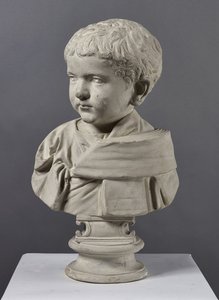
filippo albacini
1734 - 1813 , Italy
Γρήγορα στοιχεία
- Artistic Movement Or Style: Classical Copies
- Artists Or Movements Influenced By This Artist: Thomas Jenkins
- Artists Who Influenced This Artist: Bartolomeo Cavaceppi
- Date Of Birth: 1734
- Full Name: Filippo Albacini
- Nationality: Italian
- Notable Artworks:
- The Farnese Hercules
- Capitoline Flora
- Place Of Birth: Rome, Italy

