

 Προεπισκόπηση
 Αποστολή
 Κοινοποίηση
 Λεπτομέρειες
 Οδηγός

 Λήψη
Λήψη
 Παρόμοια αντικείμενα συλλογής
 Ακτινογραφία
 Παρουσίαση
 Στατιστικά
Madonna and Child
 Acrylic On Canvas
- WallArt
- Early Renaissance
 1483
1483 81.0 x 60.0 cm
 Μητροπολιτικό Μουσείο Τέχνης
 Περισσότερα λεπτομέρεια
Giclée / Εκτυπώσεις Τέχνης
Εκτύπωση giclée ή σε καμβά ποιότητας μουσείου με γρήγορη παραγωγή και ευέλικτες επιλογές φινιρίσματος. ( Αγορά χειροποίητου πίνακα Μετάβαση σε Ψηφιακή Εικόνα)




P118B $10

P118H $10

P118W $10

P438Z $10

P508JH $12

P508YH $12

P805H $10

P805Z $10

P919BZ $10

P919G $10

P919XJ $10

P959ZH $10

P968JZ $12

W106C $8

W218G $10

W218JH $8

W218Y $10

W307PJ $10

W316G $10

W316PJ $8

W316Y $10

W398PJ $8

W4111J $10

W500HY $15

W500JH $15

W692G $12

W849H $8

W940BG $15

W953PJ $8




Επιλέξτε από τις προκαθορισμένες διαστάσεις μας που διατηρούν τις αρχικές αναλογίες του έργου τέχνης.

Μπορείτε να εισαγάγετε δικές σας διαστάσεις ώστε να ταιριάξουν με ένα συγκεκριμένο πλαίσιο ή χώρο. Εάν το επιλεγμένο μέγεθος δεν συμπίπτει με τις αναλογίες της πρωτότυπης εικόνας, θα κόψουμε το έργο τέχνης ή θα επεκτείνουμε την εικόνα με καθρεφτισμένη ή μονόχρωμη ατέλεια. Θα σας αποσταλεί ένα ψηφιακό mockup για έγκρισή σας πριν από την έναρξη της παραγωγής.
Παρακαλούμε σημειώστε ότι η προεπισκόπηση στην οθόνη δεν αντικατοπτρίζει την πραγματική κοπή ή επέκταση. Μόνο το mockup θα δείξει με ακρίβεια την τελική σύνθεση.
Παρόλο που είναι διαθέσιμες προσαρμοσμένες διαστάσεις, προτείνουμε την επιλογή μιας διάστασης από τη προκαθορισμένη λίστα για τη διατήρηση των αρχικών αναλογιών.
Παγκόσμια Αποστολή () σε 2 εβδομάδες αντί για τις συνήθεις 4/5 εβδομάδες. (26 Σεπτέμβριος)

Δωρεάν γρήγορη διεθνής αποστολή

Κάμβας από Λινό Υψηλής Ποιότητας

Πλήρης ασφάλιση μεταφοράς

Εγγύηση επιστροφής δασμών και φόρων εισαγωγής

Εγγύηση Απόλυτης Ομοιότητας Χρωμάτων

Πολιτική Επιστροφής 100 Ημερών (Μόνο σε περίπτωση ελαττωμάτων)

Εγγύηση επιστροφής 100% των χρημάτων

Έκπτωση για πολλαπλές παραγγελίες
 Η επιλογή με γυαλί είναι διαθέσιμη μόνο για μεγέθη κάτω από 110 εκ.

Madonna and Child
Giclée / Εκτυπώσεις Τέχνης
Διαστάσεις Αναπαραγωγής
-


Συνολικό Κόστος
$ 80
A Renaissance Portrait of Devotion and Social Commentary
Filippino Lippi’s “Madonna and Child,” painted in 1483, is more than just a depiction of the Virgin Mary cradling her infant son; it's a meticulously crafted tableau vivant that offers a rare glimpse into the social fabric of late Renaissance Florence. The painting, now housed at OriginalUniqueArt.com as a stunning hand-painted reproduction, transports us to a contemporary Florentine palace – a space brimming with both opulent beauty and subtle, poignant details. It’s a scene carefully constructed to resonate with religious piety while simultaneously reflecting the realities of a city grappling with burgeoning wealth and the presence of marginalized populations.
The composition immediately draws the eye through the arched window, revealing an arcade adorned with the heraldic device of Filippo Strozzi, a prominent Florentine banker. This inclusion isn’t merely decorative; it subtly anchors the scene within the economic power structures of the time, reminding us that this intimate devotional image was created for and likely commissioned by someone deeply involved in mercantile affairs. The background landscape, evocative of the Strozzi villa's surroundings, further reinforces this connection to Florentine society and its aspirations.
The Unspoken Narrative: Enslaved People in a Renaissance Setting
However, the painting’s significance extends far beyond its immediate setting. A crucial element often overlooked is the presence of two figures rendered with remarkable detail – a Black man spearing fish on a bridge and a Black woman performing domestic tasks outside a house. These individuals, undeniably enslaved people from sub-Saharan Africa who had begun arriving in Florence through Portugal by this period, are not relegated to the periphery; they are fully integrated into the scene, acting as silent witnesses to the Virgin’s piety. This inclusion is profoundly significant and challenges conventional interpretations of Renaissance art, forcing us to confront the uncomfortable reality of slavery within a society often celebrated for its artistic achievements.
Lippi's decision to depict these figures with such realism – capturing their physicality, clothing, and activities – suggests a level of observation and empathy rarely seen in earlier depictions of marginalized groups. It’s a bold statement about the presence of inequality within Florence’s seemingly progressive environment, prompting viewers to consider the ethical implications of wealth and power.
Technique and Style: High Renaissance Refinement
The painting itself is executed with remarkable skill in the style of the High Renaissance. Lippi masterfully employs tempera and oil on wood, layering translucent glazes to create a luminous effect and imbue the figures with a sense of ethereal beauty. The Virgin Mary’s pose, reminiscent of Madonna and Child depictions throughout art history, is rendered with grace and serenity, while Christ’s youthful features convey an innocent charm. Note the careful attention to detail in the folds of her garments, the delicate rendering of his face, and the subtle play of light on their skin – hallmarks of Lippi's refined technique.
The book resting near the infant Jesus is a particularly intriguing element. It’s a deliberate inclusion that suggests an intimate moment of instruction or contemplation, further emphasizing the nurturing role of Mary and reinforcing the painting’s devotional purpose. The overall effect is one of harmonious balance – a carefully orchestrated composition that blends religious symbolism with social commentary.
A Window into History: Context and Legacy
Created in 1483, “Madonna and Child” offers a valuable window into the complexities of Renaissance Florence. It’s a painting that demands more than a cursory glance; it invites us to consider the social dynamics of the era, the ethical dilemmas surrounding slavery, and the artistic genius of Filippino Lippi. OriginalUniqueArt.com's hand-painted reproductions allow you to experience this remarkable artwork in exquisite detail, bringing its rich history and profound message to life. Explore our high-quality reproduction today and immerse yourself in a masterpiece that transcends time.
Βιογραφικό Καλλιτέχνη
Πρώιμη Ζωή και Εκπαίδευση
- Γεννηθείς: Απρίλιος 1457, Πράτο, Ιταλία
- Απεβίωσε: Απρίλιος 1504
- Γονείς: Φρα Φιλίππο Λίπι (ζωγράφος) και Λουκρέτσια Μπούτι
- Ο Φιλιπίνο ήταν ο νόθος γιος ενός διάσημου ζωγράφου.
- Η πρώιμη εκπαίδευσή του δίπλα στον πατέρα του έθεσε τα θεμέλια για την καλλιτεχνική του σταδιοδρομία.
Καλλιτεχνική Καριέρα και Εξέλιξη
- Πρώιμη Περίοδος (1475-1480): Τα πρώτα έργα, όπως οι Παναγίες, έδειχναν ένα λιγότερο εκλεπτυσμένο στυλ. Αυτά αρχικά αποδόθηκαν σε έναν ανώνυμο καλλιτέχνη γνωστό ως "φίλος του Σάντρο".
- Εξέλιξη (1480-1485): Ανάπτυξη μιας πιο προσωπικής και αποτελεσματικής προσέγγισης σε έργα όπως τα *Ταξίδια του Τωβία*.
- Ωριμότητα (1485-1504): Κατακτηση του στυλ της Ύστερης Αναγέννησης, που παραδειγματίζεται από την *Εμφάνιση του Χριστού στην Παναγία*.
Κύρια Έργα και Συνεργασίες
- Συνεργασία με τους Περούτζινο, Γκιρλαντάιο και Μποττιτσέλι σε τοιχογραφίες στη βίλα του Λορέντσο ντε' Μέντιτσι.
- Ολοκλήρωση της ημιτελούς διακόσμησης του παρεκκλησιού των Μπρανκάτσι από τον Μαζάτσιο μαζί με τον Μασολίνο.
- Σημαντικά έργα περιλαμβάνουν: *Η Στέψη της Παναγίας*, *Ο Τωβίας και ο Άγγελος*, *Άγιος Ιερώνυμος* και *Σκηνή από τη ζωή του Αγίου Θωμά Ακινάτη*.
Επιρροές και Καλλιτεχνικό Στυλ
- Πρώιμες Επιρροές: Σάντρο Μποττιτσέλι, Φρα Φιλίππο Λίπι.
- Χαρακτηριστικά Στυλ: Ζωντανή μορφή και γραμμή, θερμό χρωματισμό, λεπτομερή τοπία, εκφραστικές φιγούρες και ένα μείγμα προοπτικής γεωμετρίας με οικεία εσωτερικά.
- Ρωμαϊκές Αρχαιότητες: Μελέτες μετά από ρωμαϊκές αρχαιότητες κατά τη διάρκεια της παραμονής του στη Ρώμη επηρέασαν το έργο του, ενσωματώνοντας ένα αρχαίο λεξιλόγιο στην τέχνη του.
Ιστορική Σημασία και Κληρονομιά
- Ένας κορυφαίος Φλωρεντινός εκπρόσωπος της παράδοσης των μεγάλων τοιχογραφικών κύκλων.
- Η επιρροή του στην Ύστερη Αναγέννηση είναι αδιαμφισβήτητη.
- Έργα βρίσκονται σε μουσεία παγκοσμίως, συμπεριλαμβανομένης της Γκαλερί Ουφίτσι στη Φλωρεντία.
- Γνωστός για τη γεφύρωση του χάσματος μεταξύ των προηγούμενων αναγεννησιακών στυλ και της αναδυόμενης αισθητικής της Ύστερης Αναγέννησης.
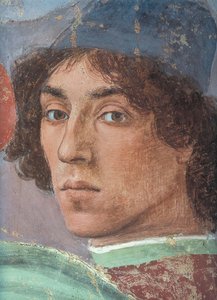
Φιλιππίνο Λίπι
1457 - 1504 , Ιταλία
Στοιχεία καλλιτέχνη
- Εθνικότητα: Ιταλός
- Επηρεασμένοι Καλλιτέχνες: ['Raffaellino del Garbo']
- Ημερομηνία Γέννησης: Απρίλιος 1457
- Ημερομηνία Θανάτου: Απρίλιος 1504
- Καλλιτέχνες Που Επηρέασαν:
- Fra Filippo Lippi
- Botticelli
- Καλλιτεχνικό Ρεύμα: Ύστερη Αναγέννηση
- Πλήρες Όνομα: Filippino Lippi
- Σημαντικά Έργα:
- Coronation of the Virgin
- Tobias and the Angel
- Τόπος Γέννησης: Prato, Ιταλία
Σχετικά άρθρα
Divine Love: A Curated Guide to the Most Iconic Madonna and Child Masterpieces in Art History
Embark on a sophisticated journey through art history with our curated guide to the most iconic Madonna and Child masterpieces. Discover the profound beauty, theological depth, and enduring legacy of these sacred Renaissance treasures.
Filippo Lippi: Bridging Renaissance Devotion & Artistic Innovation
Explore the life & revolutionary art of Filippo Lippi, a pivotal Renaissance painter. Discover his masterpieces, influence on Botticelli, and investment potential. Expert analysis at OriginalUniqueArt.
Ραφαήλ: Τα 25 Κορυφαία Έργα Τέχνης για Διακόσμηση με Στυλ | OriginalUniqueArt.gr
Ανακαλύψτε τα 25 κορυφαία έργα τέχνης του Ραφαήλ! Εξερευνήστε την Αναγέννηση, τις τεχνικές και την ιστορία των πιο διάσημων πινάκων. Βρείτε εκτυπώσεις υψηλής ποιότητας για να διακοσμήσετε τον χώρο σας με στυλ. OriginalUniqueArt.com – Η τέχνη γίνεται προσβάσιμη.
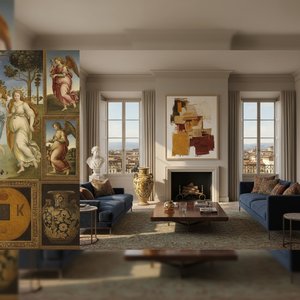
Οι 25 Κορυφαίοι Θησαυροί της Galleria degli Uffizi: Έμπνευση για το Σπίτι σας
Ανακαλύψτε τους 25 θησαυρούς της Galleria degli Uffizi! Μάθετε για πίνακες των Λεονάρντο, Μποτιτσέλι & Ραφαήλ. Βρείτε αναπαραγωγές υψηλής ποιότητας για να εμπνεύσετε τον χώρο σας. Εξερευνήστε την πλήρη συλλογή στο OriginalUniqueArt.com

Filippino Lippi: Renaissance Innovation Bridging Faith & Humanism
Explore the captivating world of Filippino Lippi, a Renaissance master bridging faith & humanism through innovative art. Discover his key works, influences, and lasting legacy with OriginalUniqueArt.
