

 Αποστολή
 Κοινοποίηση
 Λεπτομέρειες
 Οδηγός

 Λήψη
Λήψη
 Παρόμοια αντικείμενα συλλογής
 Παρουσίαση
 Στατιστικά
Assumption (detail) (8)


 Περισσότερα λεπτομέρεια
Χειροποίητη Αναπαραγωγή σε Έλαιο
Χειροποίητη ελαιογραφία σε καμβά στο δικό σας μέγεθος και πλαίσιο, κατά παραγγελία από τους καλλιτέχνες μας. ( Μετάβαση σε Εκτυπώσεις Μετάβαση σε Ψηφιακή Εικόνα)




































Επιλέξτε από τις προκαθορισμένες διαστάσεις μας που διατηρούν τις αρχικές αναλογίες του έργου τέχνης.

Μπορείτε να ορίσετε δικές σας διαστάσεις ώστε το έργο να ταιριάζει σε ένα συγκεκριμένο πλαίσιο ή χώρο. Εάν το επιλεγμένο μέγεθος δεν συμπίπτει με τις αναλογίες της αρχικής εικόνας, θα περικοψούμε το έργο ή θα επεκτείνουμε τη ζωγραφιά με πρόσθετα χειρόγραφα στοιχεία. Ένα ψηφιακό προσχέδιο θα σας αποσταλεί για έγκριση πριν την έναρξη της παραγωγής.
Παρακαλούμε σημειώστε ότι η προεπισκόπηση στην οθόνη δεν αντικατοπτρίζει την πραγματική περικοπή ή επέκταση. Μόνο το προσχέδιο θα δείξει με ακρίβεια την τελική σύνθεση.
Παρόλο που είναι διαθέσιμα προσαρμοσμένα μεγέθη, συνιστούμε να επιλέξετε μια διάσταση από τη λίστα των προκαθορισμένων μεγεθών για τη διατήρηση των αρχικών αναλογιών.
Μετά την παραγγελία, η ομάδα του OriginalUniqueArt.com θα στείλει email στον πελάτη με οδηγίες και θα παρέχει μια προεπισκόπηση προσχεδίου
Παγκόσμια Αποστολή () σε 3-4 εβδομάδες αντί για τις συνήθεις 5 εβδομάδες. (20 Σεπτέμβριος). Χωρίς συμβιβασμούς στην ποιότητα.

Δωρεάν γρήγορη διεθνής αποστολή

Κάμβας από Λινό Υψηλής Ποιότητας

Πλήρης ασφάλιση μεταφοράς

Εγγύηση επιστροφής δασμών και φόρων εισαγωγής

Εγγύηση Απόλυτης Ομοιότητας Χρωμάτων

Πολιτική Επιστροφής 100 Ημερών (Μόνο σε περίπτωση ελαττωμάτων)

Εγγύηση επιστροφής 100% των χρημάτων

Έκπτωση για πολλαπλές παραγγελίες
 Η επιλογή με γυαλί είναι διαθέσιμη μόνο για μεγέθη κάτω από 110 εκ.

Assumption (detail) (8)
Τεχνική Αναπαραγωγής
Διαστάσεις Αναπαραγωγής
-


Συνολικό Κόστος
$ 425
Filippino Lippi’s “Assumption (detail)”: A Renaissance Vision of Divine Grace
The fresco fragment known as “Assumption (detail)”, painted by Filippino Lippi in 1489, offers a breathtaking glimpse into the heart of early High Renaissance artistry. More than simply a depiction of a pivotal biblical event – the Virgin Mary’s ascent to heaven – it's a complex tapestry woven with theological symbolism, masterful technique, and an intensely human understanding of emotion. This particular section, part of a larger mural cycle intended for the Carafa Chapel in Rome, showcases Lippi’s signature dynamism and his profound engagement with both classical ideals and the burgeoning spirit of the Renaissance.
Lippi's artistic journey is crucial to appreciating this work. Born into an illegitimate lineage, he received his initial training under his father, Fra Filippo Lippi, a renowned painter in Florence. This early influence instilled within him a deep appreciation for narrative clarity and a vibrant use of color, qualities that would later be refined through collaborations with masters like Botticelli and Perugino. However, Filippino quickly developed his own distinctive style – one characterized by an almost theatrical quality, a heightened sense of movement, and a willingness to push the boundaries of perspective and spatial representation.
A Symphony of Line and Color: Technique and Composition
The fresco’s power lies not just in its subject matter but also in Lippi's extraordinary command of technique. He employs a layered approach to painting, building up surfaces with thin glazes of pigment – a hallmark of the *tempera* method favored by Florentine artists at the time. This creates a remarkable sense of texture and luminosity, particularly evident in the drapery of Mary’s robes, which appears both voluminous and incredibly delicate. The use of linear perspective is subtly employed to draw the viewer's eye into the background landscape, suggesting an immense depth and creating a powerful illusion of space.
Notice the deliberate fragmentation presented here – it’s not a complete fresco but a carefully selected section. This allows us to appreciate Lippi’s compositional choices with greater clarity. The figures are arranged in a pyramidal structure, drawing the eye upwards towards Mary at the apex. The architectural elements—columns and pilasters—are rendered with meticulous detail, grounding the scene in a believable, albeit idealized, setting. The dramatic lighting, originating from an unseen source above, casts strong shadows that emphasize volume and form, contributing to the overall sense of drama and reverence.
Symbolism and Spiritual Depth
Beyond its visual beauty, “Assumption (detail)” is rich in symbolic meaning. The setting sun in the background, a recurring motif in Lippi’s work, represents both the passage of time and the sacrifice of Christ. The cross, subtly incorporated into the composition, serves as a poignant reminder of the event's significance. Mary herself embodies humility and grace, her serene expression conveying a profound sense of acceptance and devotion. The angels surrounding her are not merely attendants but active participants in the divine drama, their gestures suggesting both celebration and reverence.
Furthermore, Lippi’s choice to depict this moment – the *Assumptio*, or taking up of Mary into heaven – was deeply rooted in contemporary theological debates. It reflected a growing belief that Mary's ascension represented not just her personal salvation but also the redemption of humanity. The fresco thus becomes a visual meditation on faith, sacrifice, and the promise of eternal life.
A Legacy of Innovation: Filippino Lippi’s Place in Art History
Filippino Lippi stands as a pivotal figure in the transition from Early to High Renaissance art. His work demonstrates a willingness to experiment with perspective, color, and composition, pushing the boundaries of artistic convention while retaining a deep respect for classical ideals. “Assumption (detail)” is a testament to his genius – a vibrant, emotionally resonant masterpiece that continues to captivate viewers centuries after its creation. Reproductions offer an accessible way to experience this extraordinary work, bringing its beauty and spiritual depth into any space.
Βιογραφικό Καλλιτέχνη
Πρώιμη Ζωή και Εκπαίδευση
- Γεννηθείς: Απρίλιος 1457, Πράτο, Ιταλία
- Απεβίωσε: Απρίλιος 1504
- Γονείς: Φρα Φιλίππο Λίπι (ζωγράφος) και Λουκρέτσια Μπούτι
- Ο Φιλιπίνο ήταν ο νόθος γιος ενός διάσημου ζωγράφου.
- Η πρώιμη εκπαίδευσή του δίπλα στον πατέρα του έθεσε τα θεμέλια για την καλλιτεχνική του σταδιοδρομία.
Καλλιτεχνική Καριέρα και Εξέλιξη
- Πρώιμη Περίοδος (1475-1480): Τα πρώτα έργα, όπως οι Παναγίες, έδειχναν ένα λιγότερο εκλεπτυσμένο στυλ. Αυτά αρχικά αποδόθηκαν σε έναν ανώνυμο καλλιτέχνη γνωστό ως "φίλος του Σάντρο".
- Εξέλιξη (1480-1485): Ανάπτυξη μιας πιο προσωπικής και αποτελεσματικής προσέγγισης σε έργα όπως τα *Ταξίδια του Τωβία*.
- Ωριμότητα (1485-1504): Κατακτηση του στυλ της Ύστερης Αναγέννησης, που παραδειγματίζεται από την *Εμφάνιση του Χριστού στην Παναγία*.
Κύρια Έργα και Συνεργασίες
- Συνεργασία με τους Περούτζινο, Γκιρλαντάιο και Μποττιτσέλι σε τοιχογραφίες στη βίλα του Λορέντσο ντε' Μέντιτσι.
- Ολοκλήρωση της ημιτελούς διακόσμησης του παρεκκλησιού των Μπρανκάτσι από τον Μαζάτσιο μαζί με τον Μασολίνο.
- Σημαντικά έργα περιλαμβάνουν: *Η Στέψη της Παναγίας*, *Ο Τωβίας και ο Άγγελος*, *Άγιος Ιερώνυμος* και *Σκηνή από τη ζωή του Αγίου Θωμά Ακινάτη*.
Επιρροές και Καλλιτεχνικό Στυλ
- Πρώιμες Επιρροές: Σάντρο Μποττιτσέλι, Φρα Φιλίππο Λίπι.
- Χαρακτηριστικά Στυλ: Ζωντανή μορφή και γραμμή, θερμό χρωματισμό, λεπτομερή τοπία, εκφραστικές φιγούρες και ένα μείγμα προοπτικής γεωμετρίας με οικεία εσωτερικά.
- Ρωμαϊκές Αρχαιότητες: Μελέτες μετά από ρωμαϊκές αρχαιότητες κατά τη διάρκεια της παραμονής του στη Ρώμη επηρέασαν το έργο του, ενσωματώνοντας ένα αρχαίο λεξιλόγιο στην τέχνη του.
Ιστορική Σημασία και Κληρονομιά
- Ένας κορυφαίος Φλωρεντινός εκπρόσωπος της παράδοσης των μεγάλων τοιχογραφικών κύκλων.
- Η επιρροή του στην Ύστερη Αναγέννηση είναι αδιαμφισβήτητη.
- Έργα βρίσκονται σε μουσεία παγκοσμίως, συμπεριλαμβανομένης της Γκαλερί Ουφίτσι στη Φλωρεντία.
- Γνωστός για τη γεφύρωση του χάσματος μεταξύ των προηγούμενων αναγεννησιακών στυλ και της αναδυόμενης αισθητικής της Ύστερης Αναγέννησης.
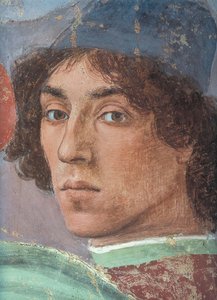
Φιλιππίνο Λίπι
1457 - 1504 , Ιταλία
Στοιχεία καλλιτέχνη
- Εθνικότητα: Ιταλός
- Επηρεασμένοι Καλλιτέχνες: ['Raffaellino del Garbo']
- Ημερομηνία Γέννησης: Απρίλιος 1457
- Ημερομηνία Θανάτου: Απρίλιος 1504
- Καλλιτέχνες Που Επηρέασαν:
- Fra Filippo Lippi
- Botticelli
- Καλλιτεχνικό Ρεύμα: Ύστερη Αναγέννηση
- Πλήρες Όνομα: Filippino Lippi
- Σημαντικά Έργα:
- Coronation of the Virgin
- Tobias and the Angel
- Τόπος Γέννησης: Prato, Ιταλία
Σχετικά άρθρα
The Enduring Legacy of Fresco Painting: Techniques, History & Contemporary Relevance
Explore the rich history & enduring artistry of fresco painting – from Giotto to Michelangelo! Discover techniques, conservation efforts, & modern applications. Learn how OriginalUniqueArt brings this timeless art form to your home.

The Enduring Legacy of Fresco: Technique, History & Artistic Expression Across Cultures
Explore the rich history & enduring legacy of fresco painting! Discover ancient techniques, Giotto's masterpieces, and modern applications. Expert insights for art lovers & professionals.

Το Φρέσκο ως Κληρονομιά της Οικογένειας: Ζωγραφίζοντας την Ιστορία σας στους Τοίχους
Ανακαλύψτε την τέχνη της φρέσκο! Ιστορία, τεχνικές & συμβουλές από ειδικούς. Δημιουργήστε μια διαχρονική κληρονομιά στους τοίχους σας με .

Η Διαχρονική Γοητεία των Τοιχογραφιών: Η Συναισθηματική Δύναμη μιας Προσαρμοσμένης Εσωτερικής Φρέσκας
Ανακαλύψτε τη διαχρονική γοητεία των τοιχογραφιών! Εξειδικευμένες πληροφορίες για την ιστορία, τις τεχνικές και τη συντήρησή τους. Δημιουργήστε έναν χώρο με αξία και χαρακτήρα.

Filippino Lippi: Renaissance Innovation Bridging Faith & Humanism
Explore the captivating world of Filippino Lippi, a Renaissance master bridging faith & humanism through innovative art. Discover his key works, influences, and lasting legacy with OriginalUniqueArt.
