Geometric Abstraction · 1954
Study for the (Φερνάν Λεζέ, 1954)
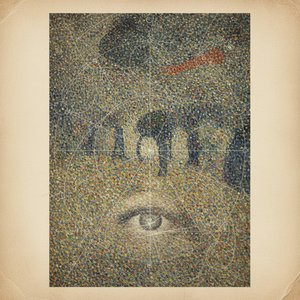
Ο/Η Φερνάν Λεζέ (1881–1955) δημιούργησε το Study for the . Χρονολογείται στο 1954. Ανήκει στο κίνημα Geometric Abstraction. Είναι φτιαγμένο σε Acrylic On Canvas. Αποθηκεύεται στο Museu do Caramulo στο Καραμούλο, Πορτογαλία. Οι διαστάσεις είναι 38 × 44 cm.
- 1954
- Acrylic On Canvas
- 38 × 44 cm
- Museu do Caramulo, Καραμούλο

 Προεπισκόπηση σε πραγματική κλίμακα

 Ελαιογραφικό Χειροποίητο Έργο
 Αποστολή
 Κοινοποίηση
 Πληροφοριακό φύλλο


 Λήψη
 Παρόμοια αντικείμενα συλλογής
 Ακτινογραφία
 Παρουσίαση
 Ερωτήσεις & Απαντήσεις

 Στατιστικά
Study for the , εν συντομία
- Τίτλος
- Study for the
- Καλλιτέχνης
- Φερνάν Λεζέ (1881–1955)
- Γεννημένος/η το
- Αρζαντάν, Γαλλία
- Ημερομηνία
- 1954
- Μέσο
- Acrylic On Canvas
- Διαστάσεις
- 38 × 44 cm
- Πού εκτίθεται
- Museu do Caramulo, Καραμούλο, Πορτογαλία
- Κίνηση
- Geometric Abstraction
- Θέμα
- musical performance, geometric forms, modern landscape, instrument ensemble, urban scene, animal presence
Τι απεικονίζει το Study for the ;
A Symphony of Form and Feeling: Exploring Fernand Léger’s “Study for Breakfast”
Fernand Léger's "Study for Breakfast," completed in 1954, transcends mere representation; it embodies the very spirit of Pointillism—a technique championed by Georges Seurat and embraced wholeheartedly by Léger as a means to convey dynamism and immediacy. This unassuming landscape isn’t simply depicted as it appears before our eyes; instead, Léger meticulously constructs it from countless tiny dots of pigment, creating an illusion of depth and texture that defies conventional painting methods. The resulting image pulsates with energy, mirroring the rhythms of daily life—a quiet morning scene rendered with astonishing precision. It's a masterful demonstration of how abstraction can serve as a conduit for emotion and observation simultaneously.- Style: Pointillism – Léger’s signature style prioritizes optical mixing over blending pigments on canvas, resulting in vibrant hues that shimmer and shift subtly under the light.
- Technique: Léger employed a painstaking process of applying dots of color—typically yellow, red, and blue—to build up layers of tonal variation. This method demanded immense patience and meticulous attention to detail, reflecting Léger’s unwavering commitment to his artistic vision.
Historical Context: Embracing Modernity Amidst Postwar Uncertainty
Created in the aftermath of World War II, “Study for Breakfast” speaks to a broader cultural preoccupation with rebuilding and redefining beauty after devastation. Léger’s stylistic choices—the geometric abstraction and the deliberate fragmentation of form—were deliberately antithetical to the prevailing artistic trends of his time, signaling a rejection of Impressionism's focus on fleeting sensations and an embrace of the machine age’s influence on visual perception. This bold stance positioned Léger as a pioneer of abstract expressionism, anticipating developments that would reshape the landscape of 20th-century art.Symbolic Resonance: The Quiet Power of Observation
Despite its apparent simplicity, “Study for Breakfast” is laden with symbolic significance. Léger’s use of dots—representing individual particles and conveying movement—suggests a fascination with scientific principles and an attempt to capture the underlying order of nature. The muted palette contributes to a mood of contemplative serenity, inviting viewers to contemplate the beauty found in everyday moments. It's a subtle reminder that even amidst turbulent times, art can offer solace and inspire wonder.Emotional Impact: Capturing Essence Through Precision
Ultimately, Léger’s “Study for Breakfast” succeeds in conveying an emotional resonance far exceeding its visual surface. The artist doesn’t aim to evoke sentimental feelings but rather to distill the essence of a scene—the feeling of warmth, light, and stillness—into a meticulously crafted composition. This achievement underscores Léger's profound understanding of how abstraction can communicate complex ideas and sensations with remarkable effectiveness. It remains an enduring testament to his artistic genius and a captivating example of Pointillist artistry.Σε ποιο μουσείο βρίσκεται το Study for the ;
Museu do Caramulo
Καραμούλο, Πορτογαλία
A Symphony of Steel and Soul Nestled within the verdant, undulating hills of the Serra do Caramulo in central Portugal, the Museu do Caramulo emerges as a breathtaking paradox, a sanctuary where the precision of mechanical engineering meets the profound depth of human creativity. This is not merely a repository for relics; it is a living dialogue between two seemingly disparate worlds. Founded by the visionary brothers Abel and João de Lacerda, the museum stands as a testament to a shared passion that refused to see boundaries between the roar of an engine and the silent grace of a brushstroke.


Εικόνες υψηλής ανάλυσης του Study for the

Δημόσιος τομέας: ο καλλιτέχνης απεβίωσε το 1955.
Άλλες διαστάσεις, καρέττες και αναφορά →Φερνάν Λεζέ, Study for the (1954), Museu do Caramulo. Δημόσιο περιουσιακό δικαίωμα
Ερωτήσεις για το Study for the , απαντημένες
Πού εκτίθεται σήμερα το "Study for the" του Φερνάν Λεζέ;
Το πρωτότυπο έργο "Study for the" του Φερνάν Λεζέ βρίσκεται στο Museu do Caramulo, Καραμούλο, Πορτογαλία. Μια αναπαραγωγή σας επιτρέπει να εκθέσετε το έργο στο σπίτι σας.
Πότε δημιουργήθηκε το "Study for the";
Το έργο "Study for the" του Φερνάν Λεζέ δημιουργήθηκε το έτος 1954.
Με ποιο υλικό έχει εκτελεστεί το έργο "Study for the" του Φερνάν Λεζέ;
Η τεχνική του έργου "Study for the" του Φερνάν Λεζέ είναι το Acrylic On Canvas. Οι αναπαραγωγές στοχεύουν στην πιστή απόδοση της εμφάνισης αυτής της τεχνικής.
Ποιες είναι οι διαστάσεις του πρωτότυπου "Study for the" του Φερνάν Λεζέ;
Το έργο "Study for the" έχει διαστάσεις 38 x 44 cm στην αρχική του μορφή. Οι αρχικές διαστάσεις αποτελούν μια χρήσιμη αναφορά κατά την επιλογή μεγέθους για μια αναπαραγωγή.
Περί τι αφορά το "Study for the";
Τα θέματα του "Study for the" είναι τα musical performance, geometric forms, modern landscape, instrument ensemble, urban scene, animal presence, domestic setting, pointillism technique.
Το έργο "Study for the" ανήκει στο δημόσιο περιουσιακό αγαθό;
Η κατάσταση των πνευματικών δικαιωμάτων για το έργο "Study for the" του Φερνάν Λεζέ είναι η εξής: το έργο ανήκει στο δημόσιο κτήμα - τα δικαιώματα αυτορության έχουν λήξει. Αυτό καθορίζει εάν επιτρέπεται η ελεύθερη αναπαραγωγή της εικόνας.
Ποιος είναι ο καλλιτέχνης πίσω από το "Study for the";
Το έργο "Study for the" αποδίδεται στον/στην Φερνάν Λεζέ.
Προς ποιο καλλιτεχνικό ρεύμα ανήκει το έργο "Study for the" του Φερνάν Λεζέ;
Το έργο "Study for the" του Φερνάν Λεζέ ανήκει στο καλλιτεχνικό κίνημα Geometric Abstraction. Αυτό το κίνημα παρέχει το στυλιστικό πλαίσιο του έργου.
Ποια φάση της καριέρας του Φερνάν Λεζέ αντιπροσωπεύει το "Study for the";
Στο πλαίσιο της καριέρας του/της Φερνάν Λεζέ, το έργο "Study for the" ανήκει στην περίοδο Mature Period. Αυτή η φάση διευκολύνει τη σύγκρισή του με άλλα έργα του/της καλλιτέχνη/της.
Σχετικά με τον καλλιτέχνη, Φερνάν Λεζέ

1881–1955, Γαλλία
Φερνάν Λεζέ
The Life of Fernand Léger The story of Fernand Léger begins in the village of Argentan, located in the Orne region of Lower Normandy. He arrived into this world on February 4, 1881, as an only son. His early years were shaped by the quietude of the French countryside and the presence of his mother, Marie-Adèle Daunou. His father, a man who made his living as a cattle dealer, passed away when Fernand was still a young boy, leaving the child to be raised by his mother in a household marked by her piety and a certain self-effacing nature.
Εργασίες του Φερνάν Λεζέ
 Η Πόλη1919
 Ο Μηχανικός1920
 Τρεις Γυναίκες1921
 Νάνοι στην Πορεία1910

Μελέτες γύρω από το Study for the
 Βιομηχανική Ατμόσφαιρα στην Τέχνη: 10 Έργα που Μας Εμπνέουν | OriginalUniqueArt.grΑνακαλύψτε 10 εμβληματικούς πίνακες που αποτυπώνουν την ατμόσφαιρα της βιομηχανικής επανάστασης. Courbet, Manet & άλλοι μεγάλοι ζωγράφοι. Β…
 Georges Seurat: Pointillism, Perception & the Scientific Foundations of Modern ArtExplore the revolutionary art of Georges Seurat and the science behind Pointillism. Discover chromoluminarism, optical mixing, and the last…
 Mastering the Machine Age: The Top 25 Fernand Léger ArtworksImmerse yourself in the vibrant world of Fernand Léger. Explore 25 iconic masterpieces of Cubism and Tubism, from bold geometric forms to m…