

 Προεπισκόπηση σε πραγματική κλίμακα
 Αποστολή
 Κοινοποίηση
 Λεπτομέρειες
 Οδηγός

 Λήψη
Λήψη
 Παρόμοια αντικείμενα συλλογής
 Ακτινογραφία
 Παρουσίαση
 Στατιστικά
Untitled
 Oil On Canvas
- WallArt
- Abstract Expressionism
 1998
1998- Modern
 50.0 x 70.0 cm
 UPF Art Track
 Περισσότερα
Το έργο τέχνης που εμφανίζεται σε αυτή τη σελίδα προστατεύεται από τους νόμους περί πνευματικών δικαιωμάτων, γεγονός που σημαίνει ότι δεν μπορούμε νομικά να δημιουργήσουμε ή να πουλήσουμε μια ταυτόσημη αναπαραγωγή του. Αυτή η προστασία επιβάλλεται βάσει διεθνών συμφωνιών, όπως η Σύμβαση της Βέρνης καθώς και από τους εθνικούς νόμους, συμπεριλαμβανομένων αυτών που ορίζονται από το Νομοθεσία περί πνευματικών δικαιωμάτων των ΗΠΑ - Τίτλος 17. Όλα τα δικαιώματα κατοχυρωμένα. Απαγορεύεται η αναπαραγωγή χωρίς άδεια.
Αυτή η μέθοδος συμμορφώνεται πλήρως με τους κανονισμούς περί πνευματικών δικαιωμάτων, καθώς δεν περιλαμβάνει την αντιγραφή ή την αναπαραγωγή του προστατευόμενου έργου. Αντίθετα, πρόκειται για μια δημιουργική ερμηνεία — ένα νέο έργο που επηρεάζεται από το πρωτότυπο, χωρίς όμως να είναι πανομοιότυπο με αυτό.
Giclée / Εκτυπώσεις Τέχνης
Εκτύπωση giclée ή σε καμβά ποιότητας μουσείου με γρήγορη παραγωγή και ευέλικτες επιλογές φινιρίσματος. ( Αγορά χειροποίητου πίνακα Μετάβαση σε Ψηφιακή Αποτέλεσμα)




































Επιλέξτε από τις προκαθορισμένες διαστάσεις μας που διατηρούν τις αρχικές αναλογίες του έργου τέχνης.

Εισάγετε το πλάτος και το ύψος που επιθυμείτε, ώστε να ταιριάζουν στο κάδሮ ή στον τοίχο σας. Μια εκτύπωση μπορεί μόνο να υποστεί κοψίμό και ποτέ να μην γίνει μεγαλύτερη από την αρχική εικόνα, επομένως η επιλογή μεγέθους με διαφορετικό σχήμα συνεπάγεται απώλεια ενός μέρους της εικόνας. Σας στέλνουμε ένα ψηφιακό mockup για έγκριση πριν προχωρήσουμε σε οποιαδήποτε εκτύπωση. Η εικόνα που εμφανίζεται σε αυτή τη σελίδα δεν δείχνει την πραγματική κοπή — μόνο το mockup την παρουσιάζει.
Παγκόσμια Αποστολή () σε 2 εβδομάδες αντί για τις συνήθεις 4/5 εβδομάδες. (27 Οκτώβριος)

Δωρεάν γρήγορη διεθνής αποστολή

Κάμβας από Λινό Υψηλής Ποιότητας

Πλήρης ασφάλιση μεταφοράς

Εγγύηση επιστροφής δασμών και φόρων εισαγωγής

Εγγύηση Απόλυτης Ομοιότητας Χρωμάτων

Πολιτική Επιστροφής 100 Ημερών (Μόνο σε περίπτωση ελαττωμάτων)

Εγγύηση επιστροφής 100% των χρημάτων

Προσφορά για πολλαπλές παραγγελίες
 Η επιλογή με γυαλί είναι διαθέσιμη μόνο για μεγέθη κάτω από 110 εκ.

Untitled
Giclée / Εκτυπώσεις Τέχνης
Διαστάσεις Αναπαραγωγής
-


Τελική Τιμή
€ 70
A Symphony of Crimson and Chaos
In the realm of mid-century abstraction, few voices resonate with as much raw, kinetic energy as that of Emilio Vedova. His Untitled work from 1998 serves as a breathtaking testament to the power of gestural expressionism, capturing a moment where color and form collide in a visceral dance. At first glance, the eye is immediately arrested by a profound, saturated red—a hue so deep and commanding that it seems to pulse with its own internal heat. This crimson field is not merely a background but a living entity, upon which sharp, black lines slash across the canvas like lightning strikes against a twilight sky. The composition suggests a sculptural depth, as if the red object depicted possesses a physical weight and metallic sheen, inviting the viewer to contemplate the boundary between two-dimensional painting and three-dimensional form.
The technique employed in this oil on canvas is nothing short of masterful, embodying the spirit of Informel art. Vedova’s brushwork avoids the polite boundaries of traditional representation, opting instead for a textured, layered approach that creates a sense of movement and turbulence. The interplay between the heavy, dark strokes and the luminous red base creates a rhythmic tension; there is a palpable friction where the black pigment meets the warmth of the red. This technique does more than just depict an object; it captures an emotion, evoking the frantic energy of urban life or the internal struggles of the human psyche. For the discerning collector, this piece offers a window into the artist's ability to translate complex, abstract concepts into a visual language that is both chaotic and harmoniously balanced.
An Evocative Presence for Modern Interiors
Beyond its historical significance, Untitled possesses an extraordinary versatility that makes it a cornerstone piece for sophisticated interior design. The bold, high-contrast palette of scarlet and obsidian provides a striking focal point that can anchor a room, lending a sense of drama and intellectual depth to contemporary living spaces. Whether placed in a minimalist gallery-style loft or integrated into a richly textured, classical study, the painting acts as a conversational catalyst. Its abstract nature allows it to transcend specific decor themes, offering an aura of prestige and avant-garde elegance.
For those seeking to curate a collection of high-quality reproductions, this work represents an opportunity to bring the revolutionary spirit of the 20th-century Italian avant-garde into the home. The piece does not merely decorate a wall; it transforms an environment, infusing it with a sense of historical weight and artistic passion. It is an ideal selection for interior designers looking to introduce "statement" art that evokes emotion, stimulates thought, and provides a timeless aesthetic appeal that remains as relevant today as it was at the turn of the millennium.
Ερωτήσεις και Απαντήσεις
Ποια χρωματική παλέτα χρησιμοποιείται στο "Untitled" του Emilio Vedova;
Το έργο "Untitled" του Emilio Vedova χρησιμοποιεί μια χρωματική παλέτα Neutrals, η οποία αποπνέει τον συνολικό χρωματικό χαρακτήρα του έργου.
Τι ατμόσφαιρα θα προσέφερε σε ένα δωμάτιο μια αναπαραγωγή του "Untitled" του Emilio Vedova;
Το έργο "Untitled" του Emilio Vedova προσφέρει μια Bold ατμόσφαιρα και προτείνεται για έναν/μια Coworking. Η διάθεση αναφέρεται στο συναίσθημα που το έργο προσφέρει στον χώρο γύρω του.
Ποια τεχνική και στυλ χαρακτηρίζουν το "Untitled" του Emilio Vedova;
Το έργο "Untitled" είναι φτιαγμένο με την τεχνική Oil On Canvas, σε στυλ Abstract Expressionism.
Βιογραφικό Καλλιτέχνη
Early Life and Influences (1919 – 1930s)
Evelyn De Morgan, a name often overshadowed by the more celebrated figures of her era, emerged as a remarkably independent and profoundly original artist in early 20th-century Britain. Born Evelyn Pickering in London in 1855, she was the daughter of Percival Pickering Q.C., a prominent barrister, and Anna Maria Spencer Stanhope, a woman of considerable social standing and artistic inclination herself. This lineage provided her with an unusual combination of privilege and exposure to both the world of law and the potential for artistic appreciation – though not necessarily encouragement. Her upbringing within a family steeped in tradition and social expectations presented immediate challenges to any aspirations she might harbor towards a career in art. Despite her mother’s initial reservations, Evelyn's uncle, John Roddham Spencer Stanhope, an artist himself, fostered her early interest through travel and exposure to the artistic traditions of France and Italy – experiences that would profoundly shape her developing style. Evelyn’s education was deliberately broad, encompassing Latin, Greek, French, German, and Italian alongside classical literature and science—subjects typically reserved for boys at the time. This intellectual foundation, coupled with a deep engagement with poetry, particularly works reflecting socialist, spiritualist, and feminist ideals, fueled her artistic vision long before she formally began to paint. Her diaries reveal a restless spirit, a desire to challenge societal norms, and a burgeoning sense of social consciousness—themes that would become central to her oeuvre. The early years were marked by a quiet rebellion against the prescribed roles for women of her class, a subtle yet persistent assertion of her own agency within a restrictive environment. Her father’s support, documented in his diaries at The De Morgan Foundation Archive, proved crucial, enabling her private drawing lessons and travel – vital steps toward realizing her artistic ambitions.The Development of Style (1930s - 1960s)
Following a period of relative obscurity, Evelyn began to gain recognition in the 1930s, largely through exhibitions at the New Gallery in London, a space championed by the influential art critic and dealer Nina von Kant. Her work quickly established itself as distinctively feminine—characterized by lush color palettes, exquisitely draped figures, and an atmosphere of quiet contemplation. Unlike many of her contemporaries who focused on capturing fleeting moments or dramatic scenes, Evelyn’s paintings often depicted intimate interiors filled with symbolic objects and a sense of timelessness. She was particularly drawn to the female form, portraying women in states of repose, meditation, or engaged in domestic activities—subjects rarely explored with such sensitivity and grace during that period. Her style evolved significantly over time, influenced by both Old Master painters – particularly those she studied in Italy – and the emerging currents of Symbolism and Art Nouveau. She skillfully blended classical composition with a distinctly modern sensibility, creating works that are simultaneously rooted in tradition and strikingly original. Evelyn’s use of color was masterful—she employed rich, saturated hues to evoke mood and atmosphere, often layering colors to create luminous effects. Her brushwork was loose and expressive, conveying both the tactile quality of fabrics and the emotional intensity of her subjects. Notably, she rejected the prevailing academic standards of the time, prioritizing personal expression and a deeply felt connection to her subject matter.Themes and Symbolism
Evelyn De Morgan’s paintings are rich in symbolism, reflecting her complex intellectual and spiritual beliefs. Her work frequently explores themes of femininity, spirituality, social justice, and the relationship between art and life. The recurring presence of female figures—often depicted in states of quiet contemplation or engaged in domestic activities—suggests a celebration of womanhood and a critique of patriarchal society. Objects within her paintings—such as flowers, fruits, musical instruments, and religious icons—carry symbolic weight, adding layers of meaning to the compositions. Her interest in spiritualism is evident in many of her works, which often depict ethereal figures bathed in soft light, evoking a sense of otherworldly beauty. She was also deeply concerned with social justice, and her paintings frequently address issues of poverty, inequality, and the plight of marginalized communities. The use of color plays a crucial role in conveying these themes—warm, vibrant hues evoke feelings of hope and compassion, while cooler tones suggest melancholy or contemplation. Evelyn’s ability to imbue her paintings with both beauty and meaning has ensured their enduring appeal and critical recognition.Legacy and Historical Significance
Despite facing significant obstacles throughout her career – including societal prejudice against women artists and limited opportunities for professional advancement – Evelyn De Morgan left a lasting legacy as one of the most distinctive and compelling figures in British art of the early 20th century. Her work, largely overlooked during her lifetime, has been increasingly recognized for its originality, emotional depth, and symbolic richness. Today, her paintings are housed primarily at The De Morgan Foundation in London, where they continue to captivate viewers with their beauty and profound insights into the human condition. Evelyn De Morgan’s story is a testament to the power of artistic vision and the enduring importance of challenging societal norms—a reminder that even in the face of adversity, creativity can flourish and leave an indelible mark on history. Her work stands as a powerful example of female artistry during a period when women were often excluded from the art world, and her unique style continues to inspire artists today.
Emilio Vedova
1919 - 2006
Γρήγορα στοιχεία
- Full Name: Pierre-Auguste Renoir
- Nationality: French
- Date Of Birth: 1919
- Date Of Death: 2006
- Place Of Birth: Limoges, France
- Notable Artworks:
- Dance at Le Moulin de la Galette
- Bal du moulin de la galette
- Luncheon of the Boating Party
- Artistic Movement Or Style: Impressionism
- Artists Who Influenced This Artist:
- William-Adolphe Bouguereau
- Edgar Degas
- Artists Or Movements Influenced By This Artist:
- Post-Impressionism
- Symbolism
Σχετικά άρθρα

Γεωμετρική Αφαίρεση: 10 Έργα που Άλλαξαν την Τέχνη | OriginalUniqueArt.gr
Ανακαλύψτε τα 10 κορυφαία έργα της Γεωμετρικής Αφαίρεσης! Μοντριάν, Καντίνσκι & άλλοι. Ιστορίες, τεχνικές και έμπνευση για τη διακόσμηση του σπιτιού σας. Βρείτε αναπαραγωγές υψηλής ποιότητας στο OriginalUniqueArt.com.

Οι 10 Κορυφαίοι Χάλκινοι Αγάλματα που Άλλαξαν την Ιστορία της Τέχνης | OriginalUniqueArt.gr
Ανακαλύψτε τα 10 θρυλικά χάλκινα αγάλματα που διαμόρφωσαν την τέχνη! Από τον Rodin στον Michelangelo, εξερευνήστε ιστορίες, τεχνικές & αισθητική. Βρείτε αντίγραφα υψηλής ποιότητας για το σπίτι σας στην OriginalUniqueArt.com.
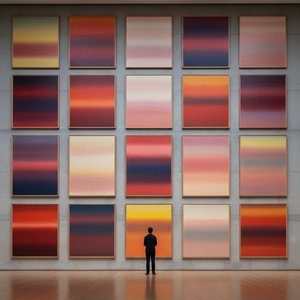
Mark Rothko: Τα 25 Κορυφαία Έργα Τέχνης για Διακόσμηση & Συλλογή | OriginalUniqueArt.gr
Ανακαλύψτε τα 25 κορυφαία έργα τέχνης του Mark Rothko! Εξερευνήστε την ιστορία, τη φιλοσοφία & τα χρώματα των πιο εμβληματικών αφηρημένων πινάκων. Υψηλής ποιότητας αναπαραγωγές & ιδέες διακόσμησης στο OriginalUniqueArt.com.

Βασίλι Καντίνσκι: Τα 25 Κορυφαία Έργα Τέχνης για Διακόσμηση & Έμπνευση
Ανακαλύψτε τα 25 κορυφαία έργα τέχνης του Βασίλι Καντίνσκι! Εξερευνήστε την αφηρημένη τέχνη, τον εξπρεσιονισμό & τα εμβληματικά χρώματα του ιδιοφυούς ζωγράφου. Αναπαραγωγές υψηλής ποιότητας για διακόσμηση και έμπνευση στο OriginalUniqueArt.com.

Top 10 Έργα που καθόρισαν τον Αφηρημένο Εκφρασισμό | OriginalUniqueArt.gr
Ανακαλύψτε τα 10 εμβληματικά έργα που καθόρισαν τον Αφηρημένο Εκφρασισμό! Jackson Pollock, Mark Rothko & άλλοι. Ιστορίες, τεχνικές και έμπνευση για τη διακόσμηση του σπιτιού σας με πίνακες υψηλής ποιότητας. Εξερευνήστε την πλήρη συλλογή στο OriginalUniqueArt.com