
 Προεπισκόπηση
 Αποστολή
 Κοινοποίηση
 Λεπτομέρειες
 Οδηγός

 Λήψη
Λήψη
 Παρόμοια αντικείμενα συλλογής
 Ακτινογραφία
 Παρουσίαση
 Στατιστικά
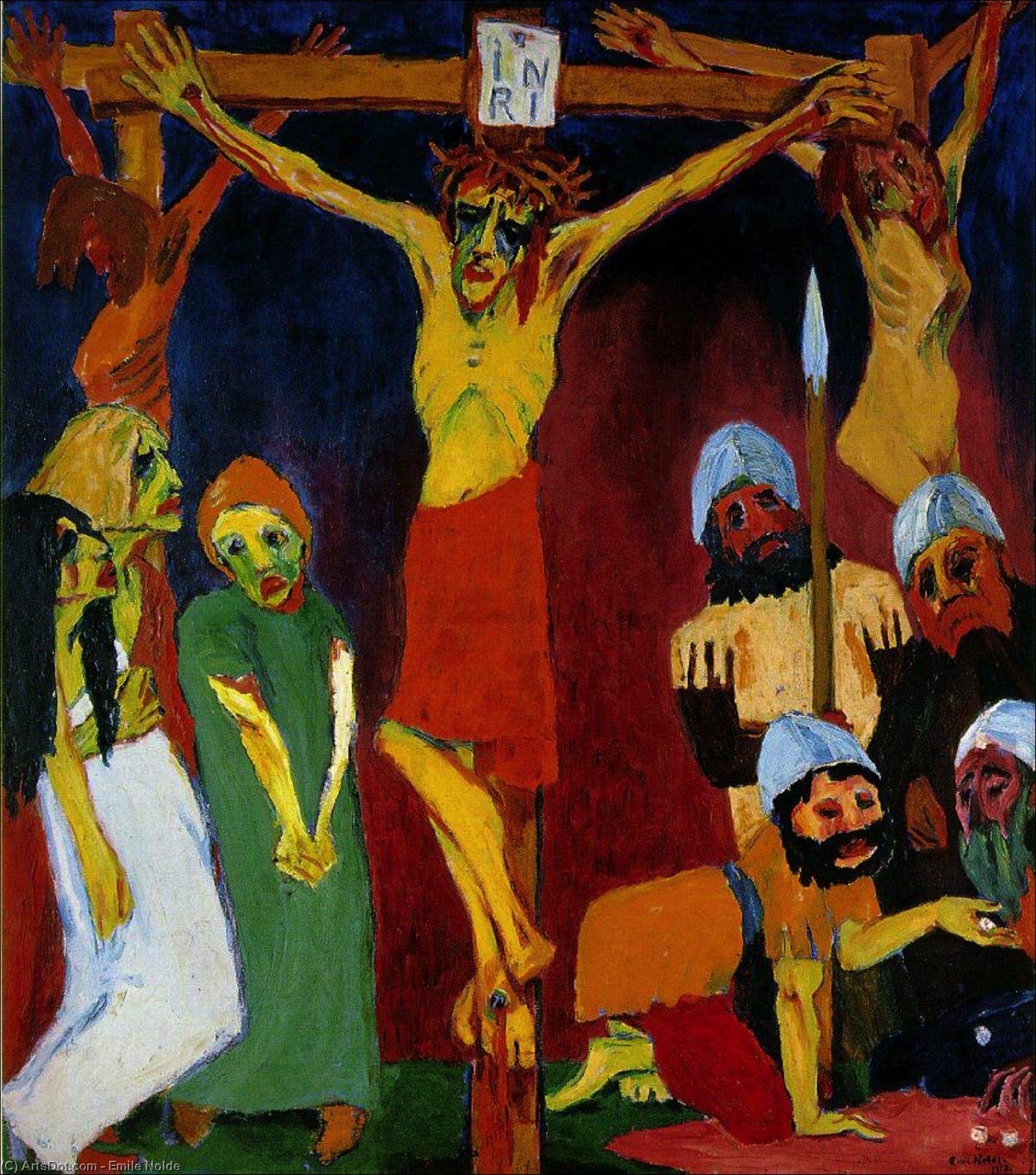
Crucifixion,
 Acrylic On Canvas
- WallArt
- Expressionist Symbolism
 1912
1912- 19th Century
 221.0 x 194.0 cm
 Περισσότερα λεπτομέρεια
Χειροποίητη Αναπαραγωγή σε Έλαιο
Χειροποίητη ελαιογραφία σε καμβά στο δικό σας μέγεθος και πλαίσιο, κατά παραγγελία από τους καλλιτέχνες μας. ( Μετάβαση σε Εκτυπώσεις Μετάβαση σε Ψηφιακή Εικόνα)




P118B €10

P118H €10

P118W €10

P438Z €10

P508JH €12

P508YH €12

P805H €10

P805Z €10

P919BZ €10

P919G €10

P919XJ €10

P959ZH €10

P968JZ €12

W106C €8

W218G €10

W218JH €8

W218Y €10

W307PJ €10

W316G €10

W316PJ €8

W316Y €10

W398PJ €8

W4111J €10

W500HY €15

W500JH €15

W692G €12

W849H €8

W940BG €15

W953PJ €8




Επιλέξτε από τις προκαθορισμένες διαστάσεις μας που διατηρούν τις αρχικές αναλογίες του έργου τέχνης.

Type the width and the height you need, to fit your frame or your wall. This is hand-painted, so for a size with a different shape the artist can paint a bit more around the picture, or cut a bit — you choose. We send you a digital mockup to approve before the painting starts. The picture shown on this page does not show the real result — only the mockup does.
Μετά την παραγγελία, η ομάδα του OriginalUniqueArt.com θα στείλει email στον πελάτη με οδηγίες και θα παρέχει μια προεπισκόπηση προσχεδίου
Παγκόσμια Αποστολή () σε 3-4 εβδομάδες αντί για τις συνήθεις 5 εβδομάδες. (14 Οκτώβριος). Χωρίς συμβιβασμούς στην ποιότητα.

Δωρεάν γρήγορη διεθνής αποστολή

Κάμβας από Λινό Υψηλής Ποιότητας

Πλήρης ασφάλιση μεταφοράς

Εγγύηση επιστροφής δασμών και φόρων εισαγωγής

Εγγύηση Απόλυτης Ομοιότητας Χρωμάτων

Πολιτική Επιστροφής 100 Ημερών (Μόνο σε περίπτωση ελαττωμάτων)

Εγγύηση επιστροφής 100% των χρημάτων

Έκπτωση για πολλαπλές παραγγελίες
 Η επιλογή με γυαλί είναι διαθέσιμη μόνο για μεγέθη κάτω από 110 εκ.

Crucifixion,
Τεχνική Αναπαραγωγής
Διαστάσεις Αναπαραγωγής
-


Συνολικό Κόστος
€ 260
A Profound Meditation on Suffering: Emil Nolde's Crucifixion (1912)
Emil Nolde’s Crucifixion, painted in 1912, is not merely a depiction of a biblical event; it’s a visceral exploration of human suffering and faith rendered with an arresting intensity. Measuring 221 x 194 cm, this canvas immediately commands attention with its dramatic composition and the artist's signature use of bold, expressive color. Nolde, deeply influenced by the works of Van Gogh and Gauguin, alongside a fascination with primitive art forms – particularly the raw emotion conveyed through masks and carvings – sought to bypass representational accuracy in favor of conveying profound spiritual truths. The painting’s power resides not just in its subject matter but in the artist's ability to translate complex emotions onto the canvas with remarkable directness.
Subject Matter and Composition
The scene is unequivocally the crucifixion of Christ, a cornerstone event in Christian theology. Nolde meticulously portrays Jesus on the cross, his body contorted in agony, arms outstretched in a gesture both vulnerable and defiant. The surrounding figures – a solitary figure to the left and another to the right, along with a throng gathered around the base of the cross – are not simply observers; they are participants in this monumental drama. Their postures, expressions, and spatial arrangement contribute to the painting’s dynamic tension, reflecting the emotional weight of the moment. Notably, the inclusion of a knife adds an element of unsettling ambiguity, perhaps symbolizing betrayal or the inherent violence within human nature.
Technique and Color – A Language of Emotion
- Impasto Technique: Nolde employs a thick impasto technique, layering paint with considerable texture. This creates a palpable sense of physicality, emphasizing the roughness of the wood, the vulnerability of Christ’s body, and the raw emotion conveyed through the figures' expressions.
- Bold Color Palette: The artist utilizes a vibrant, almost jarring color palette – deep reds, blues, and yellows – to heighten the emotional impact. These colors are not used realistically but rather expressively, amplifying the sense of suffering and spiritual intensity.
- Simplified Forms: Nolde simplifies forms, reducing figures to their essential shapes, further intensifying the painting’s symbolic power. This stylistic choice aligns with his broader interest in exploring primal emotions and spiritual truths through a non-naturalistic lens.
Symbolism and Historical Context
Painted during a period of significant artistic experimentation and religious questioning, Crucifixion reflects the anxieties and spiritual searches of early 20th-century Europe. The painting’s raw emotionality speaks to a desire for authentic experience beyond traditional religious dogma. The scene itself is laden with symbolism – Christ's sacrifice representing redemption, faith, and hope amidst despair. Nolde’s deliberate rejection of academic conventions aligns him with the Expressionist movement, which sought to convey subjective emotions rather than objective reality. The painting was created in 1912, a year marked by social unrest and political upheaval, suggesting a deeper engagement with themes of human suffering and injustice.
Emotional Impact and Artistic Legacy
Crucifixion remains a profoundly moving work of art. Its power lies in its ability to evoke empathy and contemplation, prompting viewers to confront the fundamental questions of faith, suffering, and redemption. Nolde’s masterful use of color, texture, and composition creates an unforgettable image that continues to resonate with audiences today. This hand-painted reproduction offers a unique opportunity to experience the full force of Nolde's artistic vision – a testament to his enduring legacy as one of Germany’s most important Expressionist painters.
Ερωτήσεις & Απαντήσεις
Ποια είναι η κυρίαρχη απόχρωση του "Crucifixion," του Εμίλ Νόλντε;
Μια Golden Yellow Range απόχρωση κυριαρχεί στο έργο "Crucifixion," του Εμίλ Νόλντε.
Ποια τοποθέτηση ταιριάζει με το σχήμα του "Crucifixion," του Εμίλ Νόλντε;
Το σχήμα (Portrait) και ο προτεινόμενος χώρος (Living Room) είναι τα δύο στοιχεία τοποθέτησης που καταγράφονται για το "Crucifixion," του Εμίλ Νόλντε.
Τα χρώματα του έργου "Crucifixion," του Εμίλ Νόλντε είναι έντονα ή θαμπά;
Το έργο "Crucifixion," του Εμίλ Νόλντε καταγράφεται με κορεσμό Clear Color Presence και ένταση Balanced.
Βιογραφικό Καλλιτέχνη
Early Life and Artistic Beginnings
Ο Έμιλ Νόλντε, ένας διάσημος Γερμανός-Δανικός ζωγράφος, γεννήθηκε ως Χάινς Έμιλ Χάνσεν στις 7 Αυγούστου 1867 στην πόλη Νόλντε, στο Σλέσβιχ-Χολστάιν της Γερμανίας. Προερχόταν μιας οικογένειας με ισχυρούς δεσμούς με την αγροτική ζωή και θρησκευτικές πεποιθήσεις, παράγοντες που επηρέασαν βαθιά το καλλιτεχνικό του οράμα. Παρά την αρχική αντίσταση των γονιών του, οι οποίοι προτιμούσαν να ακολουθήσει μια πιο παραδοσιακή καριέρα, ο Νόλντε κυρίως επιδίωξε τον πάθος του για τέχνη. Αρχικά εργάστηκε ως ξυλουργός και διακοσμητής επίπλων πριν αφιερωθεί πλήρως στη ζωγραφική στα τέλη της δεκαετίας του 1920.
Artistic Development and Influences
Το καλλιτεχνικό ταξίδι του Νόλντε χαρακτηρίστηκε από αυτοδιδασκαλία και εξερεύνηση. Ταξίδεψε εκτενώς, απορροφώντας επιρροές από διάφορες κουλτούρες και μορφών τέχνης. Πρώιμες επιρροές περιελάμβαναν τους Βίτορ Βαν Γκογκ, τον Πάουλο Gauguin και την παραδοσιακή λαϊκή τέχνη – ιδιαίτερα τη δυναμική δύναμη των πρωτόγονων μάσκες και γλυπτών. Αυτές οι επαφές πυροδότησαν το ενδιαφέρον του για έντονα χρώματα, απλοποιημένες μορφές και συναισθηματικά φορτισμένα θέματα. Αρχικά πειραματίστηκε με τον ρεαλισμό και την ιμπρεσιονισμό αλλά σύντομα μετακινήθηκε προς ένα πιο υποκειμενικό και εκφραστικό στυλ.
Die Brücke and Expressionist Breakthrough
Το 1905, ο Νόλντε ίδρυσε τη Die Brücke (Τη Γέφυρα), μια κρίσιμη ομάδα Γερμανών εκφραστών. Αυτή η συλλογικότητα αναζήτησε να ξεπεράσει τις ακαδημαϊκές παραδόσεις και να εκφράσει εσωτερικές συναισθήματα μέσω ριζικών καλλιτεχνικών πειραμάτων. Η συμβολή του Νόλντε στη Die Brücke ήταν σημαντική: η έντονη χρήση χρώματος και παραμορφωμένες μορφές του έθεσαν τα όρια της αναπαράστασης. Ωστόσο, διατήρησε ένα σχετικά ανεξάρτητο μονοπάτι μέσα στην ομάδα, συχνά αποκλίνων σε θέματα και στυλιστικές προσεγγίσεις.
Key Themes and Artistic Style
Το έργο του Νόλντε χαρακτηρίζεται από διάφορα επαναλαμβανόμενα θέματα: θρησκευτικές σκηνές, τοπία, θαλάσσια τοπία και πορτρέτα. Ήταν ιδιαίτερα ενθουσιώδης για τη δύναμη των μάσκες – τόσο ως φυσικά αντικείμενα όσο και ως συμβολικές αναπαραστάσεις πρωτόγονων συναισθημάτων. Το καλλιτεχνικό του στυλ ορίζεται από:
- Έντονα, ζεστά χρώματα που χρησιμοποιούνται για την έκφραση συναισθηματικής έντασης
- Παραμορφωμένες μορφές που τονίζουν την έκφραση αντί της ρεαλιστικής αναπαράστασης
- Τεχνική impasto - πυκνή εφαρμογή χρώματος δημιουργώντας υφή
- Έμφαση στην καταγραφή των εσωτερικών ψυχολογικών συναισθημάτων
Notable Works and Achievements
Καθ' όλη τη διάρκεια της καριέρας του, ο Νόλντε δημιούργησε τεράστια σώμα εργασίας. Μερικοί από τους πιο διάσημους πίνακές του περιλαμβάνουν:
- Masks (1906-1907) – παρουσιάζοντας το ενδιαφέρον του για την πρωτόγονη τέχνη
- The Mocking of Christ (1909) – μια δυναμική και συναισθηματικά φορτισμένη θρησκευτική σκηνή
- Autumn Sea (1908) - αποδεικνύοντας το εκφραστικό τοπικό του ζωγραφικό στυλ.
- Flower Garden (Girl and Washing) (1907)
- Dance around the Golden Calf (1909)
Παρά την κριτική και τη λογοκρισία κατά τη διάρκεια του ναζιστικού καθεστώτος – το έργο του θεωρήθηκε “ανάρμονο” - ο Νόλντε συνέχισε να ζωγραφίζει μυστικά. Κατασκεύασε ένα σημαντικό σώμα εικονογραφιών κατά τη διάρκεια αυτής της περιόδου, επιδεικνύοντας την ακλόνητη δέσμευσή του στην καλλιτεχνική έκφραση.
Historical Significance and Legacy
Η καινοτόμος χρήση χρώματος και η εκφραστική τεχνική ζωγραφικής του Νόλντε επηρέασαν βαθιά τις επόμενες γενιές καλλιτεχνών. Το έργο του γεφύρωσε το χάσμα μεταξύ της παραδοσιακής αναπαραστατικής τέχνης και των μεταγενέστερων ρευμάτων της αφηρημένης τέχνης. Ένας κεντρικός παράγοντας στην ιστορία του Γερμανικού Εξπρεσιονισμού, γιορτάζεται για την συναισθηματική ένταση, το τολμηρό πείραμα και τη διαρκή καλλιτεχνική όρασή του. Το παρονομαστή του συνεχίζει να εμπνέει καλλιτέχνες και λάτρεις της τέχνης σε όλο τον κόσμο.
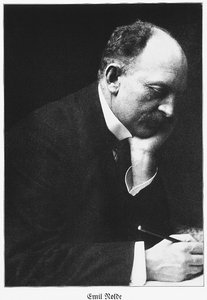
Εμίλ Νόλντε
1867 - 1956 , Γερμανία
Στοιχεία καλλιτέχνη
- Artistic Movement Or Style: Εξπρεσιονισμός / Die Brücke
- Artists Or Movements Influenced By This Artist:
- Ντε Γκώ
- Μοντέρνα Τέχνη
- Artists Who Influenced This Artist:
- Van Gogh
- Gauguin
- Date Of Birth: 7 Αυγούστου 1867
- Date Of Death: 15 Απριλίου 1956
- Full Name: Emil Nolde / Hans Emil Hansen
- Nationality: Γερμανός-Δανός
- Notable Artworks:
- Μίμηση του Χριστού
- Καλλιέργεια λουλουδιών
- Θάλασσα φθινόπωρου
- Place Of Birth: Νόλντε, Schleswig-Holstein
Σχετικά άρθρα

Γερμανικός Εξπρεσιονισμός: 10 Αριστουργήματα που Άλλαξαν την Τέχνη | OriginalUniqueArt.gr
Ανακαλύψτε τα 10 αριστουργήματα του Γερμανικού Εξπρεσιονισμού! Munch, Kirchner & άλλοι καλλιτέχνες που καθόρισαν μια εποχή. Ιστορίες τέχνης, έντονα χρώματα και συναισθηματική δύναμη. Βρείτε πίνακες εξπρεσιονισμού υψηλής ποιότητας στο OriginalUniqueArt.gr

Giclée Prints: Archival Quality & Aesthetic Nuances for the Discerning Collector
Explore the world of giclée prints with OriginalUniqueArt. Learn about archival quality, aesthetic nuances & investment potential. Expert guidance for discerning art collectors seeking museum-quality reproductions and lasting value.

The Enduring Legacy of Fine Art Prints: Technique, History & Aesthetic Impact
Explore the rich history & techniques of fine art prints. Discover investment potential, assess authenticity, and learn how to preserve your collection with expert guidance. Trusted insights for discerning collectors.

Echoes of Time: Exploring the Enduring Appeal & Historical Context of Vintage Art Prints
Explore the captivating world of vintage art prints! Discover their history, collecting tips & enduring appeal. Expert insights on chromolithography and building a legacy collection with OriginalUniqueArt.

Τοπ 10 Έργα Τέχνης που Αποπνέουν Θάρρος και Δύναμη | OriginalUniqueArt.gr
Ανακαλύψτε τα 10 πιο τολμηρά έργα τέχνης που αποπνέουν δύναμη και πάθος! Από Βαν Γκογκ έως Πικάσο, εξερευνήστε την ιστορία, τις τεχνικές & τα χρώματα που έκαναν αυτούς τους πίνακες διαχρονικούς. Υψηλής ποιότητας αναπαραγωγές στο OriginalUniqueArt.com.

