
 Προεπισκόπηση
 Αποστολή
 Κοινοποίηση
 Λεπτομέρειες

 Λήψη
Λήψη
 Παρόμοια έργα
 Ακτινογραφία
 Παρουσίαση
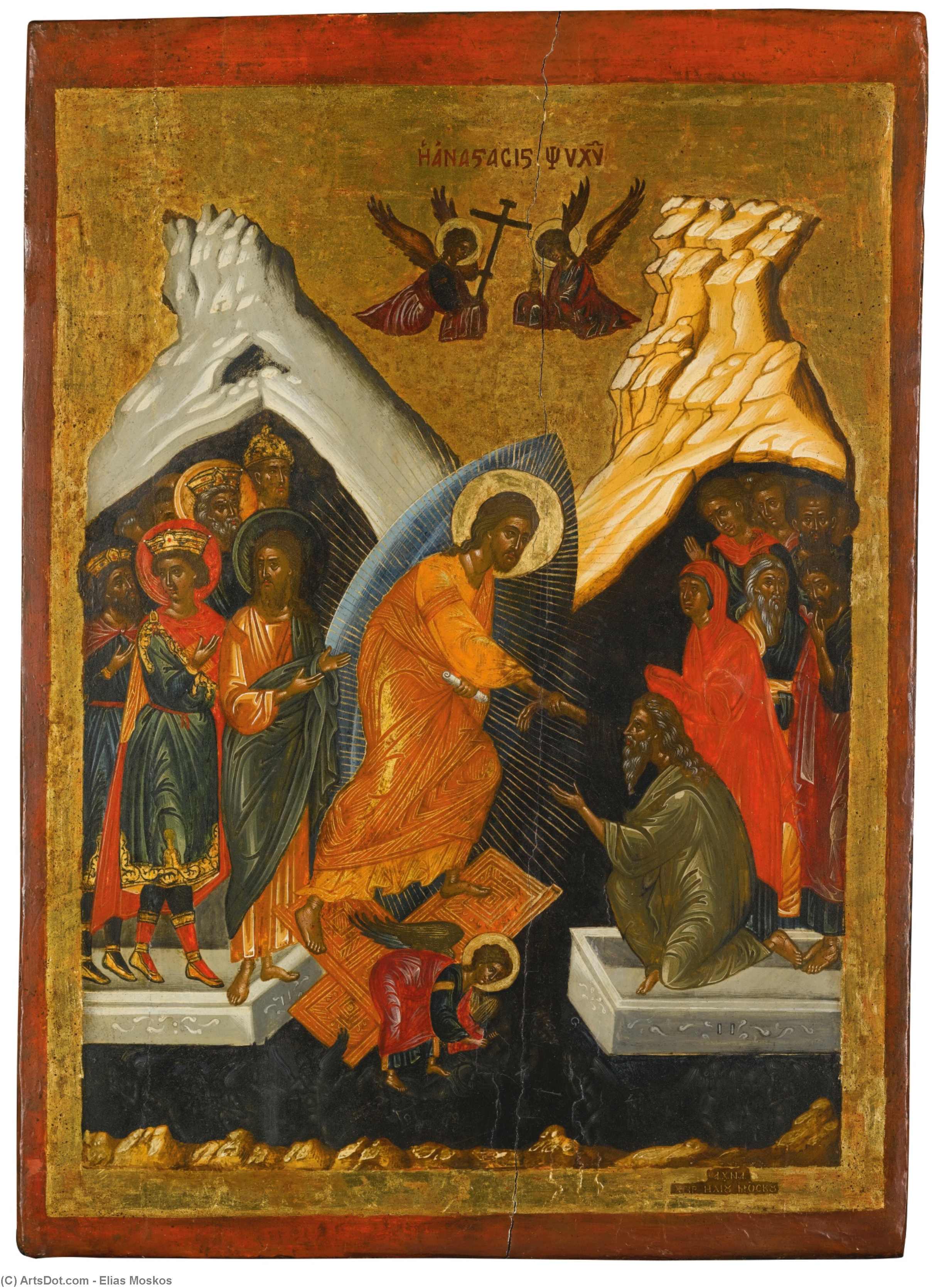
Anastasis, greece
 Περισσότερα λεπτομέρεια
Αγοράστε μια ψηφιακή εικόνα υψηλής ανάλυσης και βελτιωμένης ποιότητας, πολύ ανώτερης από την προεπισκόπηση στο διαδίκτυο.
Κάθε αρχείο προετοιμάζεται σχολαστικά από τους ειδικούς μας, χρησιμοποιώντας προηγμένα εργαλεία και εξειδικευμένο χειροκίνητο ρετουσάρισμα. Εξασφαλίζουμε ότι κάθε εικόνα διαθέτει εξαιρετική ευκρίνεια, απόλυτη πιστότητα στο χρώμα και λεπτομερή ανάδραση των λεπτομερειών.
Το τελικό αρχείο παραδίδεται μέσω email εντός 72 ωρών, βελτιστοποιημένο για άμεση χρήση σε επαγγελματικά, εκδοτικά και έντυπα περιβάλλοντα. Πρόκειται για την ίδια ποιότητα που εμπιστεύονται κορυφαία studios σχεδιασμού, εκδότες και γκαλερί.
Ψηφιακή εικόνα
Κατεβάστε ένα αρχείο υψηλής ανάλυσης για προσωπική χρήση, εκτύπωση και δημιουργικά έργα. ( Αγορά εκτύπωσης Αγορά χειροποίητου πίνακα)
Περιλαμβάνεται σε κάθε αγορά ψηφιακής εικόνας
Επαγγελματική Ψηφιακή Παράδοση, Με Εγγύηση
Όταν επιλέγετε το OriginalUniqueArt.com, δεν αποκτάτε απλώς μια εικόνα – λαμβάνετε ένα επαγγελματικά αναβαθμισμένο ψηφιακό έργο τέχνης, δημιουργημένο με ακρίβεια και με εγγύηση ικανοποίησης. Δείτε όλα όσα περιλαμβάνονται στην παραγγελία σας, αυτόματα:

Άμεση αποστολή μέσω email
Το ψηφιακό σας αρχείο εικόνας υψηλής ανάλυσης θα σας σταλεί μέσω email εντός 72 ωρών από την παραγγελία σας — έτοιμο για άμεση χρήση.

Ψηφιακό Αρχείο με Τεχνητή Νοημοσύνη
Το έργο σας βελτιστοποιείται επαγγελματικά με τη χρήση προηγμένων εργαλείων Τεχνητής Νοημοσύνης και χειροκίνητης επεξεργασίας, εξασφαλίζοντας μέγιστη λεπτομέρεια, ευκρίνεια και ακρίβεια χρωμάτων.

Δωρεάν επανεκδόσεις مدى ζωής
Απώλησες ή διαγράψατε κατά λάθος το αρχείο σας; Μην ανησυχείτε — θα σας το ξαναστείλομε οποιαδήποτε στιγμή, δωρεάν.

Χωρίς Τελωνειακούς Φόρους - Ποτέ
Απολαύστε αμέσως τα έργα τέχνης σας χωρίς δασμούς, φόρους ή έξοδα αποστολής - οι ψηφιακές λήψεις είναι πάντα αφορεশিপτεία.

Εγγύηση Ακριβούς Χρωματισμού
Εξασφαλίζουμε ότι η ψηφιακή σας εικόνα αποτυπώνει τα αυθεντικά χρώματα όσο το δυνατόν πιστότερα, χρησιμοποιώντας επαγγελματικά εργαλεία και διαχείριση χρωμάτων.

Εγγύηση Ικανοποίησης 60 Ημερών
Εάν δεν είστε ικανοποιημένοι με την ψηφιακή σας εικόνα, θα την αναθεωρήσουμε ή θα σας επιστρέψουμε το 100% της αξίας της εντός 60 ημερών - χωρίς κανένα ερώτημα.

100% Εγγύηση Επιστροφής Χρήματος
Δεν είστε ικανοποιημένοι; Λάβετε πλήρη επιστροφή των χρημάτων σας εντός 60 ημερολογιακών ημερών από τη λήψη του ψηφιακού σας αρχείου — χωρίς κανένα ερώτημα.

Εκπτώσεις για Μαζικές Παραγγελίες
Αγοράστε 3 εικόνες, κάντε εξοικονόμηση 10% - Αγοράστε 5, κάντε εξοικονόμηση 15% - Αγοράστε 10+, κάντε εξοικονόμηση 20%. Ιδανικό για δημιουργικά έργα, γκαλερί και agencies.
Βιογραφικό Καλλιτέχνη
Lavinia Fontana: A Pioneer of Female Artistic Voice
Lavinia Fontana (1552 – 1614) stands as a monumental figure in the history of art, recognized today as perhaps the first professional female artist to establish herself independently in Western Europe. Born into a family deeply rooted in the artistic traditions of Bologna, Italy, her journey was one of remarkable resilience and creative triumph against prevailing societal constraints. Her story isn’t simply that of an artist; it's a testament to the persistent pursuit of recognition within a world largely dominated by men. Her father, Prospero Fontana, was a respected painter known for his work in stucco decoration and frescoes, providing Lavinia with an invaluable early education in artistic techniques and practices. This familial connection offered her a unique advantage – access to a workshop environment and the opportunity to learn alongside her father, something rarely afforded to women of the era. Lavinia’s training began within the walls of her father's studio, where she honed her skills in tempera painting, a medium particularly favored for devotional works. Early commissions focused primarily on small-scale paintings intended as gifts – religious icons and portraits destined for wealthy patrons or diplomatic missions. These pieces, often executed on copper panels, were highly sought after due to the metal’s inherent value and luster. Her early work demonstrates a clear influence from the Bolognese School of painting, characterized by its rich colors, meticulous detail, and a focus on realistic representation – particularly evident in her 1576 masterpiece, *Christ with the Symbols of the Passion*, now housed at the El Paso Museum of Art. This piece showcases her burgeoning talent for capturing human emotion and rendering complex subjects with remarkable precision. However, it’s important to note that Lavinia's career unfolded within a context where female artists were largely excluded from formal training and professional opportunities. She navigated this challenging landscape by leveraging her family connections and establishing herself as a respected commercial artist, relying on commissions rather than patronage for her livelihood.A Unique Path: Portraiture and Mythological Scenes
While Lavinia’s early work was largely devotional, she gradually expanded her repertoire to encompass portraiture and mythological scenes – genres typically reserved for male artists. This shift is particularly significant as it suggests a deliberate effort on her part to challenge conventional artistic boundaries. Her portraits are notable for their psychological depth and subtle expressions, capturing the personalities of her subjects with remarkable sensitivity. However, perhaps more controversially, Lavinia is considered by some art historians to be the first female artist to depict nude female figures in Western painting. While the evidence remains debated, her 1575 work, *Child of the Monkey*, a lost masterpiece, and later works like *The Virgin and Child with Saints* (circa 1580) hint at this pioneering approach. These depictions, though often interpreted as allegorical or symbolic, represent a bold step towards asserting female agency within the visual arts – a daring act in a society that largely relegated women to domestic roles.The Influence of Mannerism and Beyond
Lavinia Fontana’s artistic style is firmly rooted in the Mannerist movement, characterized by its elongated figures, complex compositions, and dramatic use of color. She absorbed influences from prominent Mannerist artists like Parmigianino and Bronzino, adapting their techniques to her own unique vision. However, she also demonstrated a keen awareness of contemporary trends and incorporated elements of realism and naturalism into her work. Notably, she studied under Denis Calvaert, a Netherlandish artist who had once been a pupil of Prospero Fontana, gaining valuable insights into Northern European painting styles. This exposure broadened her artistic horizons and allowed her to synthesize diverse influences into a distinctive style that was both elegant and emotionally resonant.Legacy and Historical Significance
Lavinia Fontana’s legacy extends far beyond her individual artworks. She represents a pivotal moment in the history of art, demonstrating that women were capable of achieving professional success as artists – not just as assistants or imitators, but as independent creators with their own unique voices. Her story challenges traditional narratives about artistic production and highlights the systemic barriers faced by female artists throughout history. While her life was marked by hardship and societal prejudice, Lavinia Fontana’s unwavering determination to pursue her passion ultimately paved the way for future generations of women in the arts. She remains an inspiring figure, a testament to the power of talent, perseverance, and the enduring pursuit of artistic freedom. Her work continues to be studied and admired today, solidifying her place as one of the most important artists of the Italian Renaissance.
elias moskos
1552 - 1615

