 Δείτε σε πραγματικό χώρο
 Αποστολή
 Κοινοποίηση
 Λεπτομέρειες

 Λήψη
Λήψη
 Παρόμοια αντικείμενα συλλογής
 Ακτινογραφία
 Παρουσίαση
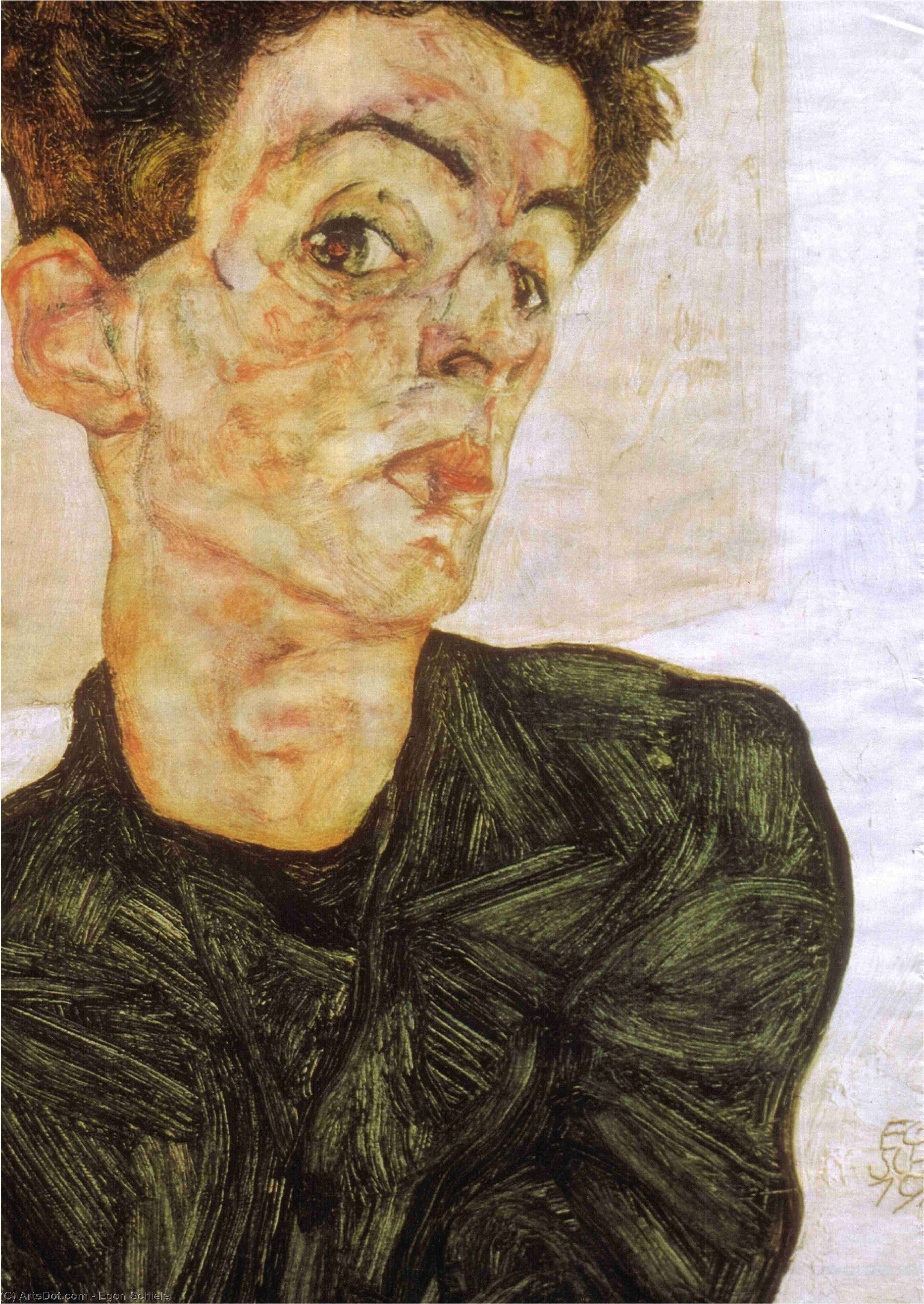
self portrait 1912


 Διαβάστε περισσότερα
Giclée / Εκτυπώσεις Τέχνης
Εκτύπωση giclée ή σε καμβά ποιότητας μουσείου με γρήγορη παραγωγή και ευέλικτες επιλογές φινιρίσματος. ( Αγορά χειροποίητου πίνακα Αγορά ψηφιακής εικόνας)




P118B $10

P118H $10

P118W $10

P438Z $10

P508JH $12

P508YH $12

P805H $10

P805Z $10

P919BZ $10

P919G $10

P919XJ $10

P959ZH $10

P968JZ $12

W106C $8

W218G $10

W218JH $8

W218Y $10

W307PJ $10

W316G $10

W316PJ $8

W316Y $10

W398PJ $8

W4111J $10

W500HY $15

W500JH $15

W692G $12

W849H $8

W940BG $15

W953PJ $8




Επιλέξτε από τις προκαθορισμένες διαστάσεις μας που διατηρούν τις αρχικές αναλογίες του έργου τέχνης.

Μπορείτε να εισαγάγετε δικές σας διαστάσεις ώστε να ταιριάξουν με ένα συγκεκριμένο πλαίσιο ή χώρο. Εάν το επιλεγμένο μέγεθος δεν συμπίπτει με τις αναλογίες της πρωτότυπης εικόνας, θα κόψουμε το έργο τέχνης ή θα επεκτείνουμε την εικόνα με καθρεφτισμένη ή μονόχρωμη ατέλεια. Θα σας αποσταλεί ένα ψηφιακό mockup για έγκρισή σας πριν από την έναρξη της παραγωγής.
Παρακαλούμε σημειώστε ότι η προεπισκόπηση στην οθόνη δεν αντικατοπτρίζει την πραγματική κοπή ή επέκταση. Μόνο το mockup θα δείξει με ακρίβεια την τελική σύνθεση.
Παρόλο που είναι διαθέσιμες προσαρμοσμένες διαστάσεις, προτείνουμε την επιλογή μιας διάστασης από τη προκαθορισμένη λίστα για τη διατήρηση των αρχικών αναλογιών.
Παγκόσμια Αποστολή () σε 2 εβδομάδες αντί για τις συνήθεις 4/5 εβδομάδες. (14 Αύγουστος)

Δωρεάν γρήγορη διεθνής αποστολή

Κάμβας από Λινό Υψηλής Ποιότητας

Πλήρης ασφάλιση μεταφοράς

Εγγύηση Επιστροφής Δασμών και Φόρων

Εγγύηση Απόλυτης Ομοιότητας Χρωμάτων

Πολιτική Επιστροφής 60 Ημερών (Μόνο σε περίπτωση ελαττωμάτων)

Εγγύηση επιστροφής 100% των χρημάτων

Προσφορά για μαζικές παραγγελίες
 Η επιλογή με γυαλί είναι διαθέσιμη μόνο για μεγέθη κάτω από 110 εκ.

self portrait 1912
Giclée / Εκτυπώσεις Τέχνης
Διαστάσεις Αναπαραγωγής
-


Συνολική Τιμή
$ 80
Περιγραφή Συλλεκτικού Αντικειμένου
A Window into the Soul: Egon Schiele’s 1912 Self-Portrait
This intensely personal self-portrait, created around 1912, offers a compelling glimpse into the psyche of one of Expressionism's most important figures, Egon Schiele. More than just a likeness, it’s a raw and unflinching exploration of identity, vulnerability, and the anxieties of modern life.Subject & Composition: Confronting Introspection
The artwork presents a tightly cropped view of Schiele himself, focusing intently on his face and upper torso. This close-up framing immediately draws the viewer into an intimate encounter with the artist. The subject’s gaze is direct and unwavering, almost confrontational, inviting – or perhaps challenging – our scrutiny. Schiele masterfully uses this immediacy to convey a sense of profound introspection. He doesn't present himself as idealized; instead, he offers a portrait steeped in psychological complexity.Style & Technique: The Language of Expressionism
This self-portrait is unequivocally rooted in the Expressionist movement. Schiele abandons traditional representational accuracy in favor of emotional intensity. The brushwork is loose, gestural, and visibly energetic – a hallmark of his style. Thick, broken lines define forms, creating an almost fractured quality that mirrors inner turmoil. The color palette is dominated by somber tones—dark greens and browns—punctuated by strategic highlights of white and pale yellow. This limited palette amplifies the painting’s melancholic mood. The visible texture, built up through layers of oil paint, adds a tactile dimension to the work, further emphasizing its emotional weight.Historical Context: Vienna on the Brink
Created in Vienna during a period of significant social and artistic upheaval, this self-portrait reflects the anxieties and uncertainties of the era. The Austro-Hungarian Empire was crumbling, traditional values were being questioned, and artists like Schiele were pushing boundaries with their radical new forms of expression. 1912 was a particularly turbulent year for Schiele; he faced arrest and imprisonment due to accusations of indecency related to his art – an event that undoubtedly impacted his worldview and artistic output. His work, alongside that of contemporaries like Klimt and Kokoschka, challenged the established norms of Viennese society.Symbolism & Emotional Impact: A Portrait of Inner Turmoil
The painting’s emotional power lies in its subtle yet potent symbolism. The furrowed brow and intense gaze suggest a state of deep contemplation, perhaps even anguish. Schiele's self-portraits are often interpreted as explorations of mortality, sexuality, and the human condition. While not explicitly narrative, the artwork evokes feelings of vulnerability, isolation, and existential questioning. It’s a powerful statement about the complexities of the self and the challenges of navigating modern existence. The flattened perspective further contributes to this sense of unease, prioritizing emotional impact over realistic spatial representation.Collecting & Interior Design: A Statement Piece
A reproduction of this iconic self-portrait would serve as a striking focal point in any collection or interior space. Its dark and moody palette complements modern and contemporary settings, adding depth and sophistication. The painting’s expressive energy makes it particularly well-suited for living rooms, studies, or bedrooms – spaces where contemplation and introspection are valued. It's a piece that invites conversation and encourages viewers to engage with the complexities of human emotion.Βιογραφία Καλλιτέχνη
A Life Forged in Expression
Egon Schiele’s life, a turbulent and intensely personal journey, unfolded within the vibrant yet shadowed landscape of early 20th-century Vienna. Born in Tulln an der Donau in 1890, his existence was immediately marked by profound loss – the untimely death of his father, Adolf Schiele, from syphilis when Egon was just fourteen years old. This tragedy cast a long shadow over his psyche, fueling a lifelong preoccupation with mortality and the fragility of human existence. Raised initially by his mother and then under the somewhat controlling guardianship of his uncle Leopold Czihaczek, Schiele’s childhood lacked the stability often associated with traditional upbringing, yet it fostered within him an independent spirit and a deep sensitivity to the world around him. From a young age, he displayed a remarkable aptitude for drawing, initially met with disapproval from his father who viewed it as a distraction from more practical pursuits. The early loss of his sister Elvira further deepened this sense of vulnerability and shaped his artistic vision. These formative experiences—illness, loss, and a yearning for autonomy—became the bedrock upon which Schiele’s distinctive artistic voice was built.The Crucible of Vienna: Artistic Development
Schiele's formal artistic training began at the Kunstgewerbeschule (School of Arts and Crafts) in Vienna, but he quickly found himself stifled by its conservative approach. Seeking a more challenging environment, he transferred to the Akademie der bildenden Künste (Academy of Fine Arts), only to discover that even this institution’s rigid academic traditions failed to satisfy his artistic ambitions. Dissatisfied with the prevailing norms, Schiele ultimately abandoned formal training altogether, choosing instead to forge his own path—a bold decision that reflected his unwavering conviction and determination to express himself authentically. A pivotal influence during these early years was Gustav Klimt, a celebrated figure of the Viennese Secession. Schiele deeply admired Klimt’s decorative style and his exploration of symbolism, even receiving mentorship from the established artist. However, Schiele soon diverged significantly from Klimt's aesthetic, developing a uniquely personal style characterized by its stark honesty, psychological intensity, and unflinching portrayal of human vulnerability. He became a founding member of the *Neues Wiener Kunstgruppe* (New Viennese Art Group) in 1909, alongside other progressive artists who challenged the established artistic conventions of the time. This group provided a space for experimentation and innovation, allowing Schiele to further refine his distinctive vision.Raw Emotion and Unflinching Truth
Egon Schiele’s art is immediately recognizable for its raw honesty and psychological depth. He fearlessly confronted themes often considered taboo – sexuality, death, anxiety, isolation – with an unflinching gaze. His distinctive style features elongated figures, contorted poses, and expressive lines that convey a sense of unease and emotional intensity. The human form, particularly the nude, became his primary subject, not as an object of idealized beauty but as a vehicle for exploring the complexities of human experience. Self-portraits constitute a significant portion of his oeuvre, offering intimate glimpses into his inner world—a world often marked by loneliness and self-doubt. He didn’t shy away from depicting himself in unflattering or vulnerable poses, revealing a profound level of self-awareness and introspection. Beyond self-portraiture, Schiele created numerous portraits of others, capturing their likenesses with an unsettling realism that seemed to penetrate beneath the surface. Recurring motifs like the *Physalis* plant – symbolizing death and transience with its delicate, papery husk – further underscore this preoccupation with mortality. His landscapes, while less central to his work than his figurative paintings, demonstrate his mastery of form and color, often reflecting the same emotional intensity as his portraits. The use of line is particularly striking in Schiele’s work; it's not merely a tool for defining shape but an expressive force that conveys emotion and psychological tension.A Legacy Cut Short: Achievements & Significance
Despite facing censorship and legal challenges – including a brief imprisonment for allegedly corrupting minors with his art – Schiele gained recognition within Vienna’s avant-garde circles. His work challenged the conventions of the time, provoking both admiration and outrage. By the time of his untimely death during the Spanish flu pandemic in 1918 at the age of twenty-eight, he had established himself as a leading figure in Austrian Expressionism. Significant works such as *Self-Portrait with Physalis*, *Couple Embracing*, and *Field Landscape (Kreuzberg near Krumau)* stand as testaments to his artistic genius. His influence on subsequent generations of artists is undeniable, particularly those interested in exploring psychological themes and challenging conventional artistic norms. Schiele’s bold approach to form and subject matter continues to resonate with audiences today, making him one of the most important and influential figures in early 20th-century art. His paintings are now held in major museum collections worldwide, including the Leopold Museum in Vienna and the Egon Schiele Art Centrum in Český Krumlov, ensuring his artistic legacy endures. He left behind a body of work that is not merely aesthetically compelling but profoundly human—a testament to the power of art to confront the complexities of existence with honesty, courage, and unwavering vision.- Key Themes: Mortality, sexuality, isolation, psychological turmoil.
- Influences: Gustav Klimt, Viennese Secession, personal trauma.
- Style Characteristics: Elongated figures, contorted poses, expressive lines, raw emotion.

Εγόν Σχιέλε
1890 - 1918 , Αυστρία
Γρήγορα στοιχεία
- Artistic Movement Or Style: Εξπressionισμός
- Artists Or Movements Influenced By This Artist: ['Εξπressionισμός']
- Artists Who Influenced This Artist: ['Gustav Klimt']
- Date Of Birth: 12 Ιουνίου 1890
- Date Of Death: 31 Οκτωβρίου 1918
- Full Name: Egon Leo Adolf Ludwig Schiele
- Nationality: Αυστριακός
- Notable Artworks:
- Αυτοπροσωπογραφία
- Ζευγάρι αγκαλιάζοντας
- Τομέας τοπίων
- Place Of Birth: Tulln, Αυστρία
Σχετικά άρθρα
Egon Schiele: Τα 25 Κορυφαία Έργα Τέχνης | OriginalUniqueArt.gr
Ανακαλύψτε τα 25 κορυφαία έργα τέχνης του Egon Schiele! Εξερευνήστε τη ζωή, το στυλ και την τεχνική του Αυστριακού εξπρεσιονιστή. Βρείτε πίνακες Schiele υψηλής ποιότητας για να εμπνεύσετε τον χώρο σας. Αναπαραγωγές τέχνης στο OriginalUniqueArt.com.
Egon Schiele: Expressionism, Anxiety & the Modern Condition – A Comprehensive Exploration
Explore the emotionally charged world of Egon Schiele (1890-1918). Discover his Expressionist masterpieces, psychological themes, and lasting impact on modern art. A comprehensive guide for collectors & enthusiasts.
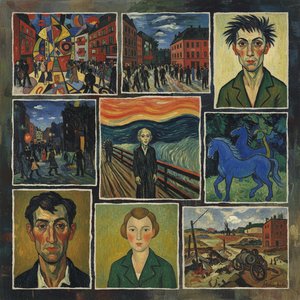
Τα 10 Κορυφαία Έργα που Όρισαν τον Εκφρασισμό στη Ζωγραφική | OriginalUniqueArt.gr
Ανακαλύψτε τα 10 κορυφαία έργα του Εκφρασισμού! Munch, Van Gogh & άλλοι πρωτοπόροι. Ιστορίες, τεχνικές και έντονα χρώματα που καθόρισαν την μοντέρνα τέχνη. Βρείτε αναπαραγωγές υψηλής ποιότητας στο OriginalUniqueArt.com.

The Inner Landscape: Exploring Themes of Introspection in Visual Art Across Movements & Eras
Explore the captivating world of introspective art! Discover how artists across eras – from Rembrandt to Kahlo – used self-portraiture to reveal their inner worlds and emotional depths. A journey through art history & psychology.
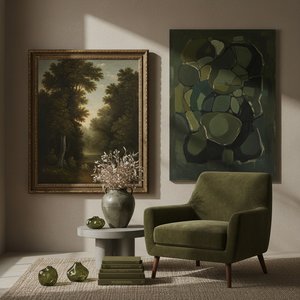
Οι 10 πιο διάσημοι πίνακες με κυρίαρχο το σκούρο ελαιοπράσινο χρώμα | OriginalUniqueArt.gr
Ανακαλύψτε τους 10 πιο διάσημους πίνακες με κυρίαρχο το σκούρο ελαιοπράσινο χρώμα! Ιμπρεσιονισμός, μοντερνισμός & κλασική τέχνη. Βρείτε αναπαραγωγές υψηλής ποιότητας για διακόσμηση σπιτιού στο OriginalUniqueArt.com.