- Αρχική

- Ψηφιακή εικόνα
- Εγόν Σχιέλε
- Dancer (Die Tänzerin)
 Preview
 Αποστολή
 Κοινοποίηση
 Λεπτομέρειες

 Λήψη
Λήψη
 Παρόμοια έργα
 Ακτινογραφία
 Παρουσίαση
Dancer (Die Tänzerin)
 Acrylic On Canvas
- WallArt
- Expressionism
 1913
1913- Modern
 47.0 x 30.0 cm
 Περισσότερα λεπτομέρεια
Αγοράστε μια ψηφιακή εικόνα υψηλής ανάλυσης και βελτιωμένης ποιότητας, πολύ ανώτερης από την προεπισκόπηση στο διαδίκτυο.
Κάθε αρχείο προετοιμάζεται σχολαστικά από τους ειδικούς μας, χρησιμοποιώντας προηγμένα εργαλεία και εξειδικευμένο χειροκίνητο ρετουσάρισμα. Εξασφαλίζουμε ότι κάθε εικόνα διαθέτει εξαιρετική ευκρίνεια, απόλυτη πιστότητα στο χρώμα και λεπτομερή ανάδραση των λεπτομερειών.
Το τελικό αρχείο παραδίδεται μέσω email εντός 72 ωρών, βελτιστοποιημένο για άμεση χρήση σε επαγγελματικά, εκδοτικά και έντυπα περιβάλλοντα. Πρόκειται για την ίδια ποιότητα που εμπιστεύονται κορυφαία studios σχεδιασμού, εκδότες και γκαλερί.
Ψηφιακή εικόνα
Κατεβάστε ένα αρχείο υψηλής ανάλυσης για προσωπική χρήση, εκτύπωση και δημιουργικά έργα. ( Switch to Print Switch to hand made Painting)
Περιλαμβάνεται σε κάθε αγορά ψηφιακής εικόνας
Επαγγελματική Ψηφιακή Παράδοση, Με Εγγύηση
Όταν επιλέγετε το OriginalUniqueArt.com, δεν αποκτάτε απλώς μια εικόνα – λαμβάνετε ένα επαγγελματικά αναβαθμισμένο ψηφιακό έργο τέχνης, δημιουργημένο με ακρίβεια και με εγγύηση ικανοποίησης. Δείτε όλα όσα περιλαμβάνονται στην παραγγελία σας, αυτόματα:

Άμεση αποστολή μέσω email
Το ψηφιακό σας αρχείο εικόνας υψηλής ανάλυσης θα σας σταλεί μέσω email εντός 72 ωρών από την παραγγελία σας — έτοιμο για άμεση χρήση.

Ψηφιακό Αρχείο με Τεχνητή Νοημοσύνη
Το έργο σας βελτιστοποιείται επαγγελματικά με τη χρήση προηγμένων εργαλείων Τεχνητής Νοημοσύνης και χειροκίνητης επεξεργασίας, εξασφαλίζοντας μέγιστη λεπτομέρεια, ευκρίνεια και ακρίβεια χρωμάτων.

Δωρεάν επανεκδόσεις مدى ζωής
Απώλησες ή διαγράψατε κατά λάθος το αρχείο σας; Μην ανησυχείτε — θα σας το ξαναστείλομε οποιαδήποτε στιγμή, δωρεάν.

Χωρίς Τελωνειακούς Φόρους - Ποτέ
Απολαύστε αμέσως τα έργα τέχνης σας χωρίς δασμούς, φόρους ή έξοδα αποστολής - οι ψηφιακές λήψεις είναι πάντα αφορεশিপτεία.

Εγγύηση Ακριβούς Χρωματισμού
Εξασφαλίζουμε ότι η ψηφιακή σας εικόνα αποτυπώνει τα αυθεντικά χρώματα όσο το δυνατόν πιστότερα, χρησιμοποιώντας επαγγελματικά εργαλεία και διαχείριση χρωμάτων.

Εγγύηση Ικανοποίησης 60 Ημερών
Εάν δεν είστε ικανοποιημένοι με την ψηφιακή σας εικόνα, θα την αναθεωρήσουμε ή θα σας επιστρέψουμε το 100% της αξίας της εντός 60 ημερών - χωρίς κανένα ερώτημα.

100% Εγγύηση Επιστροφής Χρήματος
Δεν είστε ικανοποιημένοι; Λάβετε πλήρη επιστροφή των χρημάτων σας εντός 60 ημερολογιακών ημερών από τη λήψη του ψηφιακού σας αρχείου — χωρίς κανένα ερώτημα.

Εκπτώσεις για Μαζικές Παραγγελίες
Αγοράστε 3 εικόνες, κάντε εξοικονόμηση 10% - Αγοράστε 5, κάντε εξοικονόμηση 15% - Αγοράστε 10+, κάντε εξοικονόμηση 20%. Ιδανικό για δημιουργικά έργα, γκαλερί και agencies.
Περιγραφή Συλλεκτικού Αντικειμένου
Subject and Composition
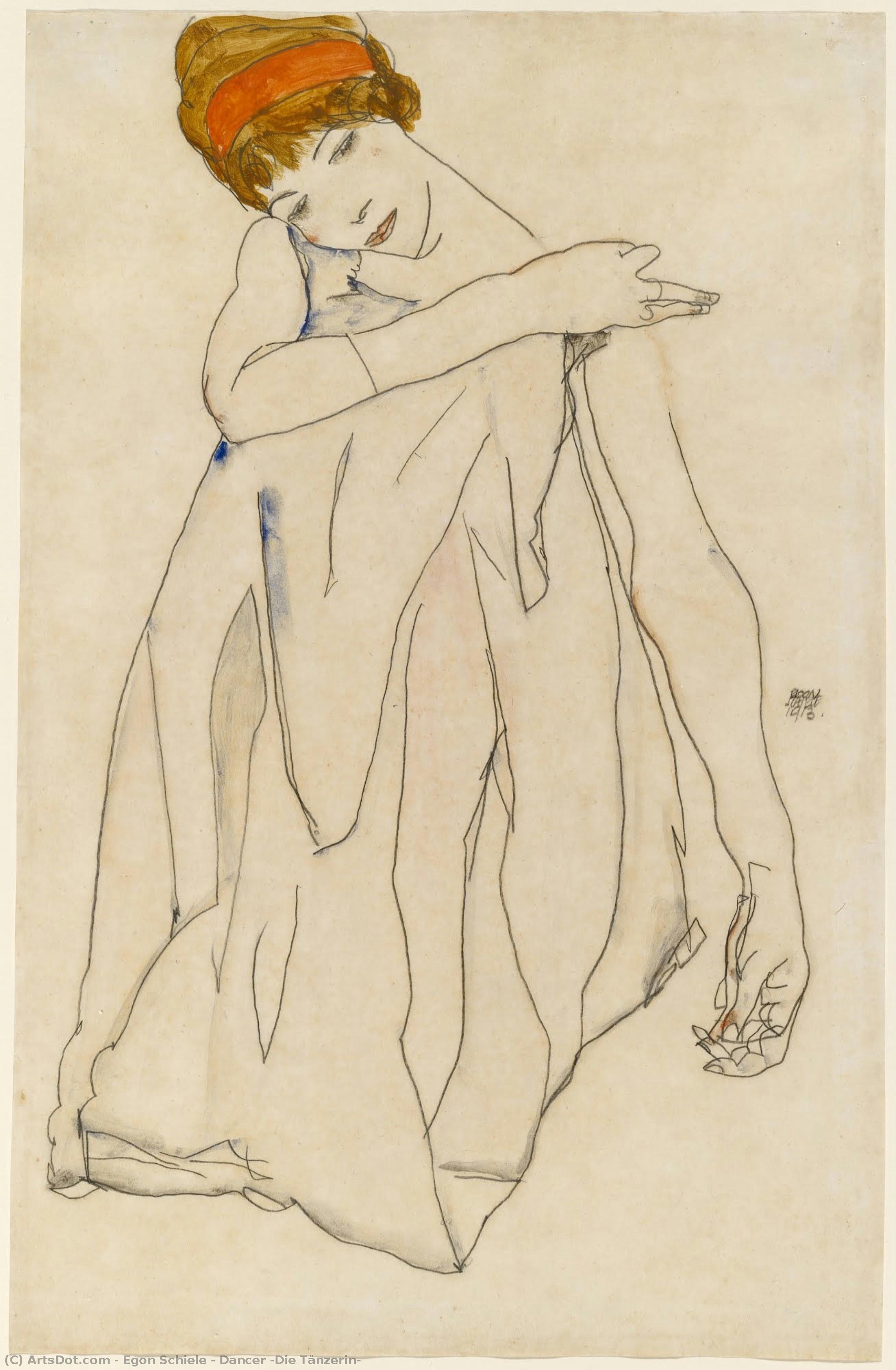
This exquisite artwork captures a contemplative female figure seated in a moment of introspection, embodying vulnerability and serenity. The figure’s gentle posture, with her head resting on her knee and arms wrapped around her legs, invites viewers into an intimate emotional space. Rendered with delicate precision, the composition emphasizes the fluidity of the human form, drawing attention to the subtle gestures that convey inner thought and quiet dignity. The plain background ensures the focus remains solely on the figure, enhancing its emotional resonance and visual clarity.Style and Technique
Created in 1913, this piece exemplifies early 20th-century modernist tendencies, characterized by its minimalist yet expressive line work. The artist employs fine, continuous lines—likely ink or graphite—to define the contours and gestures of the figure, capturing her essence with elegant simplicity. Soft watercolor or pastel accents subtly highlight her hair and lips, adding warmth and a touch of life to the monochromatic drawing. This harmonious blend of drawing and light color creates a balanced aesthetic that emphasizes emotional depth over detailed realism, showcasing the artist’s mastery of line and form.Historical Context and Artistic Significance
Produced during a vibrant period of artistic experimentation in Vienna, this work reflects the modernist movement’s focus on individual expression and psychological depth. The early 20th century was a time of upheaval and innovation, with artists like Egon Schiele pushing boundaries to explore raw emotion and human vulnerability. This piece embodies those ideals, capturing not just a figure but an emotional state—solitude, reflection, and gentle melancholy—making it a poignant example of modernist portraiture. Its restrained color palette and minimalist approach align with the artistic explorations of the era, emphasizing the power of line and gesture.Symbolism and Emotional Impact
The seated pose and introspective expression symbolize themes of solitude, self-awareness, and inner contemplation. The subtle emotional tone invites viewers to reflect on their own moments of quiet reflection and vulnerability. The restrained use of color enhances the sense of intimacy, allowing the viewer to connect deeply with the figure’s internal world. This artwork’s grace and subtlety evoke a sense of dignity and resilience, making it a compelling piece that resonates emotionally and intellectually.Perfect for Collection and Interior Design
Ideal for art lovers, collectors, and interior designers seeking a sophisticated and emotionally charged piece, this artwork offers both aesthetic beauty and cultural depth. Its timeless style complements a variety of interior themes—from modern minimalism to classic elegance—adding a touch of introspective serenity to any space. Whether displayed in a private collection or a contemporary gallery, this work promises to inspire and captivate, serving as a focal point that invites ongoing reflection and admiration. A high-quality reproduction of this piece will bring the profound artistry of Egon Schiele into your environment, enriching your space with its quiet strength and artistic finesse.Βιογραφικό Καλλιτέχνη
A Life Forged in Expression
Egon Schiele’s life, a turbulent and intensely personal journey, unfolded within the vibrant yet shadowed landscape of early 20th-century Vienna. Born in Tulln an der Donau in 1890, his existence was immediately marked by profound loss – the untimely death of his father, Adolf Schiele, from syphilis when Egon was just fourteen years old. This tragedy cast a long shadow over his psyche, fueling a lifelong preoccupation with mortality and the fragility of human existence. Raised initially by his mother and then under the somewhat controlling guardianship of his uncle Leopold Czihaczek, Schiele’s childhood lacked the stability often associated with traditional upbringing, yet it fostered within him an independent spirit and a deep sensitivity to the world around him. From a young age, he displayed a remarkable aptitude for drawing, initially met with disapproval from his father who viewed it as a distraction from more practical pursuits. The early loss of his sister Elvira further deepened this sense of vulnerability and shaped his artistic vision. These formative experiences—illness, loss, and a yearning for autonomy—became the bedrock upon which Schiele’s distinctive artistic voice was built.The Crucible of Vienna: Artistic Development
Schiele's formal artistic training began at the Kunstgewerbeschule (School of Arts and Crafts) in Vienna, but he quickly found himself stifled by its conservative approach. Seeking a more challenging environment, he transferred to the Akademie der bildenden Künste (Academy of Fine Arts), only to discover that even this institution’s rigid academic traditions failed to satisfy his artistic ambitions. Dissatisfied with the prevailing norms, Schiele ultimately abandoned formal training altogether, choosing instead to forge his own path—a bold decision that reflected his unwavering conviction and determination to express himself authentically. A pivotal influence during these early years was Gustav Klimt, a celebrated figure of the Viennese Secession. Schiele deeply admired Klimt’s decorative style and his exploration of symbolism, even receiving mentorship from the established artist. However, Schiele soon diverged significantly from Klimt's aesthetic, developing a uniquely personal style characterized by its stark honesty, psychological intensity, and unflinching portrayal of human vulnerability. He became a founding member of the *Neues Wiener Kunstgruppe* (New Viennese Art Group) in 1909, alongside other progressive artists who challenged the established artistic conventions of the time. This group provided a space for experimentation and innovation, allowing Schiele to further refine his distinctive vision.Raw Emotion and Unflinching Truth
Egon Schiele’s art is immediately recognizable for its raw honesty and psychological depth. He fearlessly confronted themes often considered taboo – sexuality, death, anxiety, isolation – with an unflinching gaze. His distinctive style features elongated figures, contorted poses, and expressive lines that convey a sense of unease and emotional intensity. The human form, particularly the nude, became his primary subject, not as an object of idealized beauty but as a vehicle for exploring the complexities of human experience. Self-portraits constitute a significant portion of his oeuvre, offering intimate glimpses into his inner world—a world often marked by loneliness and self-doubt. He didn’t shy away from depicting himself in unflattering or vulnerable poses, revealing a profound level of self-awareness and introspection. Beyond self-portraiture, Schiele created numerous portraits of others, capturing their likenesses with an unsettling realism that seemed to penetrate beneath the surface. Recurring motifs like the *Physalis* plant – symbolizing death and transience with its delicate, papery husk – further underscore this preoccupation with mortality. His landscapes, while less central to his work than his figurative paintings, demonstrate his mastery of form and color, often reflecting the same emotional intensity as his portraits. The use of line is particularly striking in Schiele’s work; it's not merely a tool for defining shape but an expressive force that conveys emotion and psychological tension.A Legacy Cut Short: Achievements & Significance
Despite facing censorship and legal challenges – including a brief imprisonment for allegedly corrupting minors with his art – Schiele gained recognition within Vienna’s avant-garde circles. His work challenged the conventions of the time, provoking both admiration and outrage. By the time of his untimely death during the Spanish flu pandemic in 1918 at the age of twenty-eight, he had established himself as a leading figure in Austrian Expressionism. Significant works such as *Self-Portrait with Physalis*, *Couple Embracing*, and *Field Landscape (Kreuzberg near Krumau)* stand as testaments to his artistic genius. His influence on subsequent generations of artists is undeniable, particularly those interested in exploring psychological themes and challenging conventional artistic norms. Schiele’s bold approach to form and subject matter continues to resonate with audiences today, making him one of the most important and influential figures in early 20th-century art. His paintings are now held in major museum collections worldwide, including the Leopold Museum in Vienna and the Egon Schiele Art Centrum in Český Krumlov, ensuring his artistic legacy endures. He left behind a body of work that is not merely aesthetically compelling but profoundly human—a testament to the power of art to confront the complexities of existence with honesty, courage, and unwavering vision.- Key Themes: Mortality, sexuality, isolation, psychological turmoil.
- Influences: Gustav Klimt, Viennese Secession, personal trauma.
- Style Characteristics: Elongated figures, contorted poses, expressive lines, raw emotion.

Εγόν Σχιέλε
1890 - 1918 , Αυστρία
Σύντομα στοιχεία
- Artistic Movement Or Style: Εξπressionισμός
- Artists Or Movements Influenced By This Artist: ['Εξπressionισμός']
- Artists Who Influenced This Artist: ['Gustav Klimt']
- Date Of Birth: 12 Ιουνίου 1890
- Date Of Death: 31 Οκτωβρίου 1918
- Full Name: Egon Leo Adolf Ludwig Schiele
- Nationality: Αυστριακός
- Notable Artworks:
- Αυτοπροσωπογραφία
- Ζευγάρι αγκαλιάζοντας
- Τομέας τοπίων
- Place Of Birth: Tulln, Αυστρία

