Προεπισκόπηση
 Αποστολή
 Κοινοποίηση
 Λεπτομέρειες
 Οδηγός

 Λήψη
Λήψη
 Παρόμοια αντικείμενα συλλογής
 Ακτινογραφία
 Παρουσίαση
 Στατιστικά
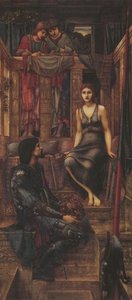
Lady Windsor


 Περισσότερα λεπτομέρεια
Giclée / Εκτυπώσεις Τέχνης
Εκτύπωση giclée ή σε καμβά ποιότητας μουσείου με γρήγορη παραγωγή και ευέλικτες επιλογές φινιρίσματος. ( Αγορά χειροποίητου πίνακα Μετάβαση σε Ψηφιακή Εικόνα)




P118B €10

P118H €10

P118W €10

P438Z €10

P508JH €12

P508YH €12

P805H €10

P805Z €10

P919BZ €10

P919G €10

P919XJ €10

P959ZH €10

P968JZ €12

W106C €8

W218G €10

W218JH €8

W218Y €10

W307PJ €10

W316G €10

W316PJ €8

W316Y €10

W398PJ €8

W4111J €10

W500HY €15

W500JH €15

W692G €12

W849H €8

W940BG €15

W953PJ €8




Επιλέξτε από τις προκαθορισμένες διαστάσεις μας που διατηρούν τις αρχικές αναλογίες του έργου τέχνης.

Πληκτρολογήστε το πλάτος και το ύψος που επιθυμείτε, ώστε να ταιριάζουν στο κάδሮ ή στον τοίχο σας. Μια εκτύπωση μπορεί μόνο να κοπεί και ποτέ να μην γίνει μεγαλύτερη από την εικόνα, επομένως ένα μέγεθος με διαφορετικό σχήμα συνεπάγεται απώλεια ενός μέρους της εικόνας. Σας στέλνουμε ένα ψηφιακό mockup για έγκριση πριν εκτυπώσουμε οτιδήποτε. Η εικόνα που εμφανίζεται σε αυτή τη σελίδα δεν δείχνει την πραγματική κοπή — μόνο το mockup την παρουσιάζει.
Παγκόσμια Αποστολή () σε 2 εβδομάδες αντί για τις συνήθεις 4/5 εβδομάδες. (24 Οκτώβριος)

Δωρεάν γρήγορη διεθνής αποστολή

Κάμβας από Λινό Υψηλής Ποιότητας

Πλήρης ασφάλιση μεταφοράς

Εγγύηση επιστροφής δασμών και φόρων εισαγωγής

Εγγύηση Απόλυτης Ομοιότητας Χρωμάτων

Πολιτική Επιστροφής 100 Ημερών (Μόνο σε περίπτωση ελαττωμάτων)

Εγγύηση επιστροφής 100% των χρημάτων

Έκπτωση για πολλαπλές παραγγελίες
 Η επιλογή με γυαλί είναι διαθέσιμη μόνο για μεγέθη κάτω από 110 εκ.

Lady Windsor
Giclée / Εκτυπώσεις Τέχνης
Διαστάσεις Αναπαραγωγής
-


Συνολικό Κόστος
€ 70
A Vision of Timeless Grace
In the quiet, evocative realm of Edward Coley Burne-Jones, moments are suspended in a state of eternal, dreamlike beauty. His masterpiece, Lady Windsor, serves as a profound window into the soul of the late Victorian era, capturing a singular instance of poise and contemplative stillness. The painting presents a woman of remarkable elegance, her figure draped in a long, flowing gown that seems to catch the very essence of light and movement. As she stands near a doorway, her gaze directed toward an unseen horizon or perhaps lost in the depths of her own thoughts, the viewer is invited to share in her quiet introspection. The composition, reminiscent of the Pre-Ralphaelite tradition, utilizes soft, flowing lines and a delicate interplay of shadow and light to create an atmosphere that is both intimate and otherworldly.
The artistry behind this piece lies in its ability to blend the tangible with the ethereal. Burne-Jones, a central figure in the Aesthetic Movement, was a master at weaving together historical reverence and romantic imagination. In Lady Windsor, the technique reflects a deep devotion to craftsmanship; the texture of the fabric, the subtle contours of her silhouette, and the architectural simplicity of the doorway all contribute to a sense of grounded reality that is simultaneously elevated by a poetic, almost mythic, quality. For the discerning collector or interior designer, this work offers more than mere decoration; it provides a focal point of sophisticated tranquility, capable of anchoring a room with its profound sense of history and grace.
Symbolism and the Aesthetic Spirit
Beyond the surface beauty of the subject, Lady Windsor resonates with the symbolic depth characteristic of Burne-Jones’s oeuvre. The doorway itself acts as a powerful metaphor—a threshold between the known and the unknown, between the domestic sphere and the vast, beckoning world outside. This liminal space mirrors the artist's own preoccupation with themes of transition, longing, and the pursuit of an idealized beauty. The woman’s posture, marked by a refined dignity, suggests a character of strength and quiet resilience, embodying the Victorian ideal of grace under contemplation.
The color palette, though subtle, plays a crucial role in evoking the emotional landscape of the painting. Muted tones and soft transitions create a sense of nostalgia, pulling the viewer into a bygone era where art was seen as a way to ennoble the human spirit. This piece is particularly suited for spaces designed for reflection—libraries, study alcoves, or grand entryways—where its ability to inspire wonder and calm can be fully appreciated. To possess a reproduction of such a work is to bring a fragment of the Pre-Raphaelite dream into the modern home, ensuring that the legacy of elegance and the pursuit of pure aesthetic beauty continue to flourish in contemporary living.
Ερωτήσεις & Απαντήσεις
Ποιο συναισθηματικό ύφος συνοδεύει το στυλ της καλλιτεχνικής καμπάνιας Pre-Raphaelite του έργου "Lady Windsor";
Στο πλαίσιο της καλλιτεχνικής κατεύθυνσης Pre-Raphaelite, το έργο "Lady Windsor" καταγράφεται με μια Reflective χροιά.
Ποια διάθεση και συναίσθημα εκφράζει το "Lady Windsor" του Εδουάρδος Βέρν Μπόρνε-Ζωνές;
Το έργο "Lady Windsor" του Εδουάρδος Βέρν Μπόρνε-Ζωνές αποπνέει μια αίσθηση Reflective, μέσα σε μια συνολικά Nostalgic διάθεση.
Πού μπορώ να δω μια προεπισκόπηση του "Lady Windsor";
Για να δείτε μια προεπισκόπηση μιας αναπαραγωγής του έργου "Lady Windsor" του Εδουάρδος Βέρν Μπόρνε-Ζωνές, ανοίξτε τη σελίδα Προεπισκόπηση του έργου.
Βιογραφικό Καλλιτέχνη
A Dream Woven in Color: The Life and Art of Edward Burne-Jones
Born in the bustling industrial heartland of Birmingham in 1833, Sir Edward Coley Burne-Jones emerged as a pivotal figure, bridging the romantic currents of the Pre-Raphaelite Brotherhood with the refined aesthetic sensibilities of late Victorian England. His life unfolded against a backdrop of profound societal shifts and a fervent revival of medieval ideals – a period where artists sought to recapture a sense of beauty and spiritual depth lost in the rapid advancements of modernity. The early loss of his mother, a deeply formative experience, shaped a childhood nurtured by his father and the steadfast presence of Ann Sampson, fostering within him a contemplative nature and an enduring fascination with imaginative worlds. His formal education at King Edward VI Grammar School and later at the Birmingham School of Art provided him with essential technical skills, but it was his time at Exeter College, Oxford, that truly ignited his artistic destiny – a place where he forged an unbreakable bond with William Morris, a connection built on shared intellectual passions and a mutual yearning for beauty in a world undergoing rapid transformation. This profound friendship would prove instrumental not only in shaping Burne-Jones’s artistic trajectory but also in establishing the influential firm of Morris & Co., dedicated to reviving traditional craftsmanship and elevating design to an art form.The Brotherhood and the Birth of a Unique Vision
Oxford became a crucible for artistic experimentation, as Burne-Jones and Morris, alongside their circle of friends – affectionately known as “the Birmingham Set” – immersed themselves in the writings of John Ruskin and Alfred Tennyson. They found inspiration not merely in the art of the Middle Ages but in its ethos—a deliberate rejection of what they perceived as the ugliness and materialism prevalent in contemporary society. The formation of "The Brotherhood" solidified their commitment to artistic ideals, fostering an environment where poetry, literature, and visual arts intertwined seamlessly. A pivotal moment arrived with Burne-Jones’s introduction to Dante Gabriel Rossetti, whose work profoundly influenced his early style. However, he quickly transcended mere imitation, developing a distinctive aesthetic characterized by ethereal beauty, melancholic grace, and meticulous attention to detail. His paintings weren't simply illustrations of medieval tales; they were evocative dreamscapes imbued with symbolism and psychological depth—a world where light, color, and form converged to create an experience that resonated deeply within the viewer’s soul. The influence of Botticelli and Filippo Lippi became apparent in his attenuated figures and delicate compositions, yet Burne-Jones infused these influences with a uniquely British sensibility, creating works that felt both ancient and utterly new. He sought not to replicate the past but to distill its essence, capturing its spirit and translating it into a visual language that spoke directly to the heart.From Painting to Tapestry: A Renaissance of Craft
Burne-Jones’s artistic output extended far beyond the confines of the canvas. His collaboration with William Morris led to the founding of Morris & Co., a firm that revolutionized decorative arts in England and fundamentally altered perceptions of design. He wasn't merely designing patterns; he was reimagining the very concept of artistry, advocating for a holistic approach where art permeated every aspect of life—from furniture and wallpaper to stained glass and textiles. The firm produced exquisite textiles, wallpapers, furniture, and stained glass – all bearing the unmistakable hallmark of Burne-Jones’s refined aesthetic. His designs for stained glass windows are particularly noteworthy, transforming churches and cathedrals into luminous realms of color and narrative, imbuing sacred spaces with an otherworldly beauty. This commitment to craftsmanship wasn't simply about reviving traditional techniques; it was a deliberate attempt to elevate the status of decorative arts, challenging the prevailing hierarchy that placed painting and sculpture at the pinnacle of artistic achievement. He believed that design should be both beautiful and functional, enriching the lives of those who encountered it.Personal Shadows and Enduring Legacy
Burne-Jones’s personal life was not without its complexities. His marriage to Georgiana MacDonald, though enduring, was shadowed by a passionate affair with his Greek model, Maria Zambaco, which culminated in a dramatic crisis that deeply affected him. Despite these emotional upheavals, he continued to produce an astonishing body of work—a testament to his unwavering dedication to his art. He received a baronetcy in 1895, recognizing his significant contributions to British art and culture – a recognition that acknowledged not only his artistic talent but also his role as a champion of traditional craftsmanship. Upon his death in 1898, Burne-Jones left behind a legacy that continues to resonate today—a legacy defined by beauty, symbolism, and an enduring fascination with the mysteries of the human spirit. His influence can be seen in the work of countless artists who followed, inspiring them to explore the power of myth, legend, and psychological themes. Burne-Jones remains a testament to the transformative potential of art – its ability to transcend time and touch the deepest recesses of the human soul.A Lasting Influence
- Burne-Jones’s work embodies the Pre-Raphaelite ideals of beauty, detail, and symbolism, yet he developed a unique style that set him apart from his contemporaries.
- His contributions to decorative arts through Morris & Co. revitalized traditional crafts and elevated the status of design.
- His stained glass windows remain iconic examples of Victorian artistry, transforming sacred spaces with their luminous beauty.
- He profoundly influenced subsequent generations of artists, inspiring a renewed appreciation for craftsmanship and aesthetic values.
- Burne-Jones’s exploration of myth, legend, and psychological themes continues to captivate audiences today, solidifying his place as one of the most important British artists of the 19th century.

Εδουάρδος Βέρν Μπόρνε-Ζωνές
1833 - 1898 , Ηνωμένο Βασίλειο
Στοιχεία καλλιτέχνη
- Artistic Movement Or Style: Προ-Ραφαέλιοι, Αισθητικός
- Artists Or Movements Influenced By This Artist:
- Βικτοριανοί καλλιτέχνες
- Κέντηροι & Σχεδιαστές
- Artists Who Influenced This Artist:
- Rossetti
- Botticelli
- Lippi
- Date Of Birth: 1833
- Date Of Death: 1898
- Full Name: Edward Coley Burne-Jones
- Nationality: Βρετανός
- Notable Artworks:
- The Beguiling of Merlin
- Sisyphus
- A Sea-Nymph
- Place Of Birth: Βirmingham, Ηνωμένο Βασίλειο
Σχετικά άρθρα

25 Masterpieces by Dante Gabriel Rossetti: The Pre-Raphaelite Legend
Immerse yourself in the soul of the Pre-Raphaelite movement. Explore 25 iconic Dante Gabriel Rossetti masterpieces, from symbolic portraits to romantic legends. Find museum-quality art reproductions and timeless decor inspiration. Discover all masterpieces on OriginalUniqueArt.com.

Dante Gabriel Rossetti: Τα 25 Εμβληματικότερα Έργα Τέχνης | OriginalUniqueArt.gr
Ανακαλύψτε τα 25 εμβληματικότερα έργα του Dante Gabriel Rossetti! Εξερευνήστε την ιστορία, τον συμβολισμό και την τεχνική των προραφαηλιτικών αριστουργημμάτων. Βρείτε πίνακες υψηλής ποιότητας για να εμπνεύσετε το σπίτι σας στην OriginalUniqueArt.gr.

25 Masterpieces by Dante Gabriel Rossetti: The Soul of Pre-Raphaelite Art
Immerse yourself in the romantic beauty of Dante Gabriel Rossetti. Explore 25 iconic Pre-Raphaelite masterpieces, from soulful portraits to symbolic legends. Find museum-quality art reproductions and timeless decor inspiration. Discover all masterpieces on OriginalUniqueArt.com.

25 Masterpieces by Dante Gabriel Rossetti: The Soul of Pre-Raphaelite Art
Immerse yourself in the romantic beauty of Dante Gabriel Rossetti. Explore 25 iconic Pre-Raphaelite masterpieces, from soulful portraits to symbolic legends. Find museum-quality art reproductions and timeless decor inspiration. Discover all masterpieces on OriginalUniqueArt.com.

Pre-Raphaelite Romanticism: The Revival of Medieval Beauty and Nature in Victorian Art
Explore the profound beauty of Pre-Raphaelite Romanticism. Discover how visionaries like Rossetti and Millais revived medievalism and nature through meticulous detail and vibrant color in Victorian art history.