
 Δείτε σε πραγματικό χώρο
 Αποστολή
 Κοινοποίηση
 Λεπτομέρειες

 Λήψη
Λήψη
 Παρόμοια αντικείμενα συλλογής
 Ακτινογραφία
 Παρουσίαση
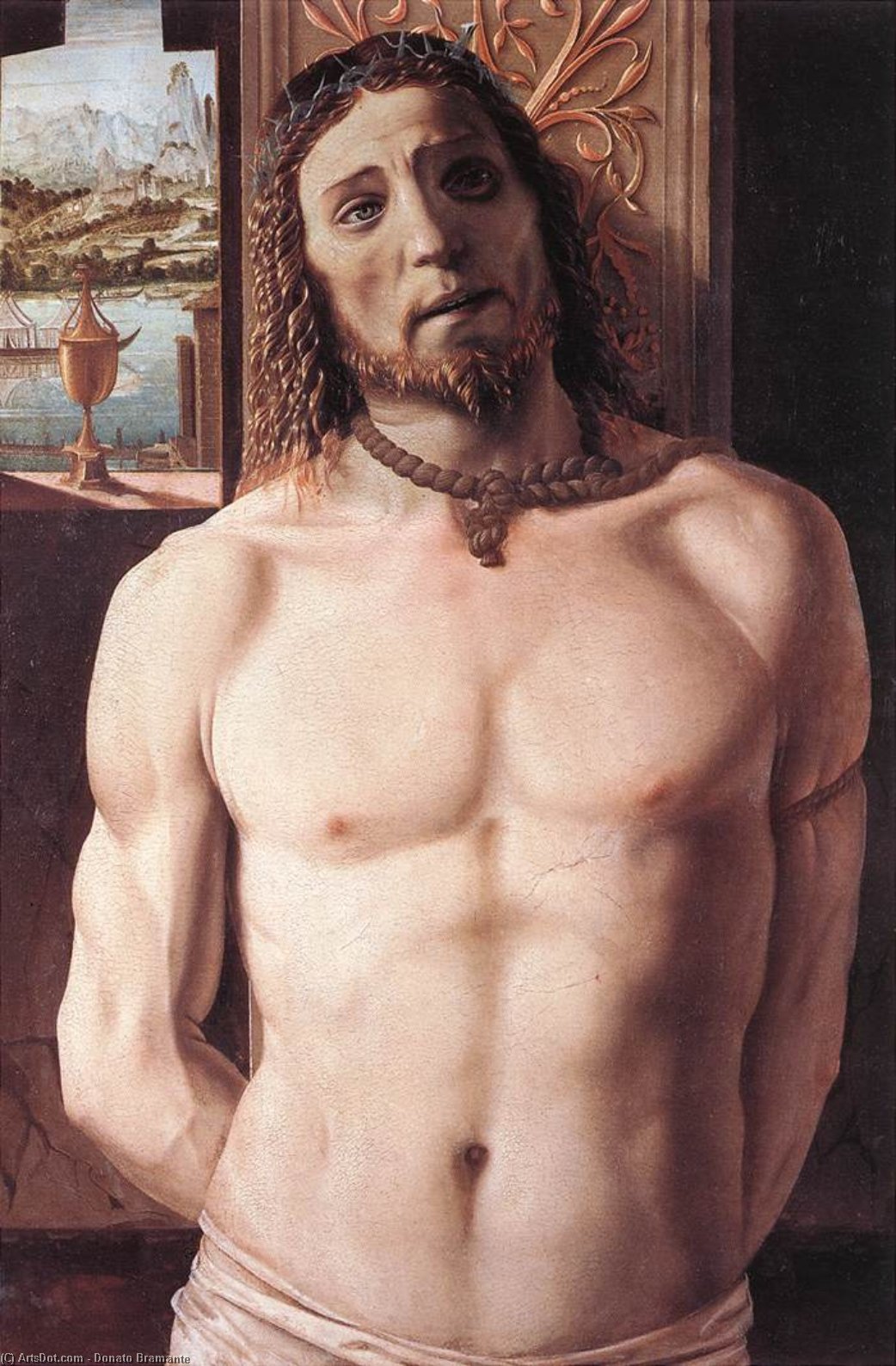
Christ at the Column
 Acrylic On Canvas
- WallArt
 1490
1490 93.0 x 62.0 cm
 Πινακοθήκη της Βρεράς
 Διαβάστε περισσότερα
Αγοράστε μια ψηφιακή εικόνα υψηλής ανάλυσης και βελτιωμένης ποιότητας, πολύ ανώτερης από την προεπισκόπηση στο διαδίκτυο.
Κάθε αρχείο προετοιμάζεται σχολαστικά από τους εξειδικευμένους συνεργάτες μας, με τη χρήση προηγμένων εργαλείων και χειροκίνητου ρετουσαρίσματος υψηλής ακρίβειας. Εξασφαλίζουμε ότι κάθε εικόνα προσφέρει εξαιρετική ευκρίνεια, απόλυτη πιστότητα στο χρώμα και λεπτομερή ανάδραση των λεπτομερειών.
Το τελικό αρχείο παραδίδεται μέσω email εντός 72 ωρών, βελτιστοποιημένο για άμεση χρήση σε επαγγελματικά, εκδοτικά και έντυπα περιβάλλοντα. Πρόκειται για την ίδια ποιότητα που εμπιστεύονται κορυφαία studios σχεδιασμού, εκδότες και γκαλερί.
Ψηφιακή εικόνα
Κατεβάστε ένα αρχείο υψηλής ανάλυσης για προσωπική χρήση, εκτύπωση και δημιουργικά έργα. ( Αγορά εκτύπωσης Αγορά χειροποίητου πίνακα)
Περιλαμβάνεται σε κάθε παραγγελία ψηφιακής εικόνας
Επαγγελματική Ψηφιακή Παράδοση με Εγγύηση
Όταν επιλέγετε το OriginalUniqueArt.com, δεν αποκτάτε απλώς μια εικόνα – λαμβάνετε ένα επαγγελματικά αναβαθμισμένο ψηφιακό έργο τέχνης, δημιουργημένο με ακρίβεια και με εγγύηση ικανοποίησης. Δείτε όλα όσα περιλαμβάνονται στην παραγγελία σας, αυτόματα:

Άμεση αποστολή μέσω email
Το ψηφιακό σας αρχείο εικόνας υψηλής ανάλυσης θα σας σταλεί μέσω email εντός 72 ωρών από την παραγγελία σας — έτοιμο για άμεση χρήση.

Ψηφιακό Αρχείο με Τεχνητή Νοημοσύνη
Το έργο σας βελτιστοποιείται επαγγελματικά με τη χρήση προηγμένων εργαλείων Τεχνητής Νοημοσύνης και χειροκίνητης επεξεργασίας, εξασφαλίζοντας μέγιστη λεπτομέρεια, ευκρίνεια και ακρίβεια χρωμάτων.

Δωρεάν επανεκδόσεις مدى ζωής
Απώλησες ή διαγράψατε κατά λάθος το αρχείο σας; Μην ανησυχείτε — θα σας το ξαναστείλομε οποιαδήποτε στιγμή, δωρεάν.

Χωρίς Τελωνειακούς Φόρους - Ποτέ
Απολαύστε αμέσως τα έργα τέχνης σας χωρίς δασμούς, φόρους ή έξοδα αποστολής - οι ψηφιακές λήψεις είναι πάντα αφορεশিপτεία.

Εγγύηση Ακριβούς Χρωματισμού
Εξασφαλίζουμε ότι η ψηφιακή σας εικόνα αποτυπώνει τα αυθεντικά χρώματα όσο το δυνατόν πιστότερα, χρησιμοποιώντας επαγγελματικά εργαλεία και διαχείριση χρωμάτων.

Εγγύηση Ικανοποίησης 60 Ημερών
Εάν δεν είστε ικανοποιημένοι με την ψηφιακή σας εικόνα, θα την αναθεωρήσουμε ή θα σας επιστρέψουμε το 100% της αξίας της εντός 60 ημερών - χωρίς κανένα ερώτημα.

100% Εγγύηση Επιστροφής Χρήματος
Δεν είστε ικανοποιημένοι; Λάβετε πλήρη επιστροφή των χρημάτων σας εντός 60 ημερολογιακών ημερών από τη λήψη του ψηφιακού σας αρχείου — χωρίς κανένα ερώτημα.

Εκπτώσεις για μαζικές παραγγελίες
Αγοράστε 3 εικόνες, κάντε εξοικονόμηση 10% - Αγοράστε 5, κάντε εξοικονόμηση 15% - Αγοράστε 10+, κάντε εξοικονόμηση 20%. Ιδανικό για δημιουργικά έργα, γκαλερί και agencies.
Βιογραφικό Καλλιτέχνη
Petrus Christus: Γεφυρώνοντας το Χάσμα μεταξύ Μεσαιωνικής και Αναγεννησιακής Τέχνης
Ο Petrus Christus, ένα όνομα σε μεγάλο βαθμό άγνωστο για αιώνες, αποτελεί μια κομβική προσωπικότητα στη μετάβαση μεταξύ της όψιμης Γοτικής και της πρώιμης Αναγεννησιακής τέχνης της Βόρειας Ευρώπης. Γεννημένος γύρω στο 1410/1420 στο Baarle, κοντά στο Άντβερπ, και δραστηریούμενος κυρίως στο Μπρυζ από το 1444 έως τον θάνατό του περίπου το 1475/1476, η κληρονομιά του Christus δεν βασίζεται σε μεγαλειώδη, επαναστατικά έργα, αλλά σε μια ήσυχα καινοτόμο προσέγγιση στη ζωγραφική—μια προσέγγιση που συνδύασε την προσεκτική λεπτομέρεια με μια αναδυόμενη αίσθηση όγκου και προοπτικής. Εκπροσωπεί μια κρίσιμη γέφυρα ανάμεσα στα εξαιρετικά στιλιζαρισμένα, φωτογραφημένα χειρόγραφα της μεσαιωνικής περιόδου και τον αναδύομενο φυσικισμό της Αναγέννησης, επιδεικνύοντας μια αξιοθαύμαστη ικανότητα να απορροφά και να προσαρμόζει επιρροές από διάφορες πηγές.
Η πρώιμη ζωή του Christus παραμένει κάπως καλυμμένη με μυστήριο. Πιστεύεται ότι υπήρξε μαθητής του Jan van Eyck, του πιο διάσημου ζωγράφου της εποχής του, αν και η ακριβής φύση αυτής της σχέσης—αν ήταν πραγματικός μαθητής ή απλώς ένας φοιτητής που εργαζόταν στο εργαστήριο του van Eyck—παραμένει αντικείμενο συζήτησης στους μελετητές. Η προσεκτική λεπτομέρεια και η ακριβής απόδοση που είναι εμφανείς στα έργα του Christus υποδηλώνουν έντονα μια επιρροή από τον πρωτοποριακό ρεαλισμό του van Eyck, ιδιαίτερα στη μαθητεία του με τη χρήση της ελαιοχρωματικής τεχνικής. Ωστόσο, σε αντίθεση με τον van Eyck, ο οποίος συχνά εστίαζε σε μεγαλοπρεπείς αφηγήσεις και θρησκευτικές σκηνές, ο Christus ανέπτυξε γρήγορα ένα ιδιαίτερο στυλ, το οποίο χαρακτηριζόταν από μια αξιοθαύμαστη προσοχή στις υφές και τις επιφάνειες των υποκειμένων του—από τις βελούδινες ενδυμασίες των πλουσίων χορηγών έως τις λεπτές πτυχές των υφασμάτων. Τα πρώιμα έργα του ανατέθηκαν σε μεγάλο βαθμό στην αναπτυσσόμενη εμπορική τάξη του Μπρυζ, αντικατοπτρίζοντας τον αυξανόμενο πλούτο και το διεθνές εμπόριο της πόλης.
Ένας Μάستερ της Λεπτομέρειας: Τεχνική και Καινοτομία
Αυτό που ξεχωρίζει αμέσως τα έργα του Christus είναι το εξαιρετικό επίπεδο λεπτομέρειας. Αναπαριστούσε με μεθοδικότητα κάθε στοιχείο—κάθε ραφή σε ένα ένδυμα, κάθε λάμψη μετάλλου, κάθε เส้นμή μαλλιών—με μια σχεδόν εμμονική ακρίβεια. Αυτή η προσέγγιση ανακαλεί τις τεχνικές που χρησιμοποιούνταν στη διακόσμηση χειρογράφων, όπου οι περίπλοκες λεπτομέρειες ήταν απαραίτητες για την απόδοση πληροφορίας και ομορφιάς. Ωστόσο, σε αντίθεση με το επίπεδο, διακοσμητικό στυλ των φωτογραφημένων χειρογράφων, ο Christus χρησιμοποίησε τη λεπτομερή προσέγγισή του για να δημιουργήσει μια αίσθηση τρισδιάστατης μορφής—ένα καθοριστικό βήμα προς τον φυσικισμό της Αναγέννησης. Ήταν ανά τους πρώτους καλλιτέχνες που περιέγραψαν πειστικά τον όγκο και τον χώρο σε μια δισδιάστατη επιφάνεια, χρησιμοποιώντας τεχνικές όπως η προσεκτική παρατήρηση του φωτός και της σκιάς και μια ολοένα και πιο εξελιγμένη κατανόηση της προοπτικής.
Η εξέλιξη του Christus είναι ιδιαίτερα συναρπαστική όταν εξετάζεται μέσα από το πρίσμα της επιστημονικής ανάλυσης. Σύγχρονες έρευνες με χρήση ακτινογραφίας, υπ redshift-ακτινογραφίας και χρονολογίας των δένδρων έχουν αποκαλύψει μια σταδιακή εξέλιξη στην τεχνική του. Τα πρώιμα έργα δείχνουν ενδείξεις προμεταγραφικών σχεδίων—μια κοινή πρακτική εκείνης της εποχής—αλλά τα μεταγενέστερα έργα επιδεικνύουν μια ολοένα και πιο εξεχαιρισμένη προσέγγιση στη σύνθεση και την προοπτική. Αυτό υποδηλώνει ότι ο Christus δεν αντιγράφει απλώς υπάρχοντα στυλ, αλλά πειραματίζεται ενεργά με νέες μεθόδους αναπαράστασης, προωθώντας τα όρια αυτού που ήταν εφικτό εντός των περιορισμών των μεσαιωνικών συμβάσεων ζωγραφικής.
Επιρροές και Χορηγία
Το καλλιτεχνικό ταξίδι του Christus διαμορφώθηκε από μια περίπλοκη αλληλεπίδραση επιρροών. Όπως αναφέρθηκε προηγουμένως, ο Jan van Eyck έπαιξε αναμφισβήτητα σημαντικό ρόλο στην πρώιμη ανάπτυξή του. Ωστόσο, άντλησε έμπνευση και από τον Rogier van der Weyden, ακόμη έναν σημαντικό Φλαμανδό ζωγράφο γνωστό για τις δραματικές συνθέσεις και τα εκφραστικά του σχήματα. Επιπλέον, το έργο του Christus αποκαλύπτει μια ισχυρή σύνδεση με τις καλλιτεχνικές παραδόσεις της Ιταλίας, ιδιαίτερα εκείνες του Antonello da Messina και άλλων καλλιτεχνών που εργάζονταν στην περιοχή της Μεσογείου. Πολλές από τις παραγγελίες του ανατέθηκαν σε Ιταλούς εμπόρους και τραπεζίτες που είχαν εγκατασταθεί σε κερδοφόρες εμπορικές σχέσεις με το Μπρυζ, με αποτέλεσμα έργα που συχνά παρουσιάζουν ιταλική ή ισπανική προέλευση. Αυτή η έκθεση στην ιταλική τέχνη—με την έμφασή της στο χρώμα, το φως και τον φυσικισμό—επηρεάσε σαφώς το στυλ του Christus.
Η χορηγία πλουσίων πολιτών του Μπρυζ, συμπεριλαμβανομένων των βουργουνοκρατών δούκων, παρείχε στον Christus μια σταθερή ροή παραγγελιών. Οι συχνές επισκέψεις των Δούκων στο Μπρυζ δημιούργησαν ένα ζωντανό καλλιτεχτικό περιβάλλον, προσελκύοντας καλλιτέχνες από όλη την Ευρώπη. Η ικανότητα του Christus να προσαρμόζει το στυλ του ώστε να ταιριάζει στις γούστες των χορηγών του—είτε επιθυμούσαν ένα επίσημο πορτρέτο είτε μια πιο οικεία θρησκευτική σκηνή—αποδεικνύει την ευελιξία και την απόκριση στις απαιτήσεις της αγοράς. Τα πορτρέτα του, σε ιδιαίτερη περίπτωση, είναι αξιοσημάντωτα για το ψυχολογικό τους βάθος και τις λεπτές εκφράσεις της προσωπικότητας.
Κληρονομιά και Επανεκκάλυση
Για αιώνες μετά τον θάνατό του, ο Petrus Christus παρέμεινε σε μεγάλο βαθμό ξεχασμένος από τους ιστορικούς της τέχνης. Το έργο του απορρίφθηκε ως εκλεκτικό και παραγόμενο από άλλους, επισκιασμένο από τις πιο διάσημες μορφές όπως ο Jan van Eyck και ο Hans Memling. Ωστόσο, στα τέλη του 19ου αιώνα, μια ανανεωμένη ενδιαφέρον για τη ζωγραφική της Βόρειας Αναγέννησης οδήγησε σε μια επανεκτίμηση του έργου του Christus. Οι μελετητές άρχισαν να αναγνωρίζουν τις καινοτόμες τεχνικές του και τον κρίσιμο ρόλο του στη γεφύρωση του χάσματος μεταξύ της μεσαιωνικής και της Αναγεννησιακής τέχνης. Σήμερα, ο Petrus Christus εκτιμάται ολοένα και περισσότερο ως ένας από τους σημαντικότερους και πιο επιδραστικούς ζωγράφους της πρώιμης φλαμανδικής σχολής—ένας μάστορας, των λεπτομερειών του και των αθέμιστων καινοτομιών του, που άνοιξαν τον δρόμο για τα καλλιτεχνικά επιτεύγματα των επόμενων γενεών.
Τα επιζήσαντα έργα του, συμπεριλαμβανομένου του Portrait of a Carthusian, του Portrait of a Young Girl και αρκετών θρησκευτικών πάνελ, προσφέρουν μια μαγευτική ματιά στον καλλιτεχνικό κόσμο του Μπρυζ του 15ου αιώνα—μια πόλη που λειτούργησε ως ζωτικός σταυροδρόμος μεταξύ της Ευρώπης και της Μεσογείου. Η κληρονομιά του Christus δεν βρίσκεται σε μεγαλειώδη μνημεία, αλλά στη σιωπηλή λάμψη των έργων του, τα οποία συνεχίζουν να μαγεύουν τους θεατές με την εκπληκτική λεπτομέρεια, τη λεπτή ομορφιά και την βαθιά αίσθηση της ανθρώπινης παρουσίας.

Ντόνατο Μπραμάντε
1444 - 1514 , Ιταλία
Γρήγορα στοιχεία
- Artistic Movement Or Style: Πρώιμο Φλαμανδικό
- Artists Or Movements Influenced By This Artist: ['Sandro Botticelli']
- Artists Who Influenced This Artist:
- Jan van Eyck
- Rogier van der Weyden
- Date Of Death: 1475/76
- Full Name: Petrus Christus
- Nationality: Φλαμανδός
- Notable Artworks:
- Πορτρέτο ενός Καρθουσιανού
- Πορτρέτο μιας νεαρής κοπέλας
- Place Of Birth: Baarle, Βέλγιο

