

 Προεπισκόπηση
 Αποστολή
 Κοινοποίηση
 Λεπτομέρειες
 Οδηγός

 Λήψη
Λήψη
 Παρόμοια αντικείμενα συλλογής
 Ακτινογραφία
 Παρουσίαση
 Στατιστικά
Cantoria (9)
 Acrylic On Canvas
- WallArt
- Early Renaissance
 1439
1439 348.0 x 570.0 cm
 Μουσείο της Όπερας του Δουόμο
 Περισσότερα λεπτομέρεια
Giclée / Εκτυπώσεις Τέχνης
Εκτύπωση giclée ή σε καμβά ποιότητας μουσείου με γρήγορη παραγωγή και ευέλικτες επιλογές φινιρίσματος. ( Αγορά χειροποίητου πίνακα Μετάβαση σε Ψηφιακή Εικόνα)




P118B €10

P118H €10

P118W €10

P438Z €10

P508JH €12

P508YH €12

P805H €10

P805Z €10

P919BZ €10

P919G €10

P919XJ €10

P959ZH €10

P968JZ €12

W106C €8

W218G €10

W218JH €8

W218Y €10

W307PJ €10

W316G €10

W316PJ €8

W316Y €10

W398PJ €8

W4111J €10

W500HY €15

W500JH €15

W692G €12

W849H €8

W940BG €15

W953PJ €8




Επιλέξτε από τις προκαθορισμένες διαστάσεις μας που διατηρούν τις αρχικές αναλογίες του έργου τέχνης.

Πληκτρολογήστε το πλάτος και το ύψος που επιθυμείτε, ώστε να ταιριάζουν στο κάδሮ ή στον τοίχο σας. Μια εκτύπωση μπορεί μόνο να κοπεί και ποτέ να μην γίνει μεγαλύτερη από την εικόνα, επομένως ένα μέγεθος με διαφορετικό σχήμα συνεπάγεται απώλεια ενός μέρους της εικόνας. Σας στέλνουμε ένα ψηφιακό mockup για έγκριση πριν εκτυπώσουμε οτιδήποτε. Η εικόνα που εμφανίζεται σε αυτή τη σελίδα δεν δείχνει την πραγματική κοπή — μόνο το mockup την παρουσιάζει.
Παγκόσμια Αποστολή () σε 2 εβδομάδες αντί για τις συνήθεις 4/5 εβδομάδες. (22 Οκτώβριος)

Δωρεάν γρήγορη διεθνής αποστολή

Κάμβας από Λινό Υψηλής Ποιότητας

Πλήρης ασφάλιση μεταφοράς

Εγγύηση επιστροφής δασμών και φόρων εισαγωγής

Εγγύηση Απόλυτης Ομοιότητας Χρωμάτων

Πολιτική Επιστροφής 100 Ημερών (Μόνο σε περίπτωση ελαττωμάτων)

Εγγύηση επιστροφής 100% των χρημάτων

Έκπτωση για πολλαπλές παραγγελίες
 Η επιλογή με γυαλί είναι διαθέσιμη μόνο για μεγέθη κάτω από 110 εκ.

Cantoria (9)
Giclée / Εκτυπώσεις Τέχνης
Διαστάσεις Αναπαραγωγής
-


Συνολικό Κόστος
€ 70
The Echoes of Florence: Donatello’s Cantoria
Donatello's "Cantoria," completed in 1439 for the Duomo of Florence, isn’t merely a decorative element; it’s a vibrant embodiment of Renaissance ideals – a testament to human ingenuity, divine harmony, and the burgeoning spirit of artistic innovation. Originally intended as a housing for the cathedral’s organ, the Cantoria quickly transcended its functional purpose, becoming an iconic sculpture that captures the essence of Florentine life in the mid-15th century. The piece is a masterful display of relief carving, executed with astonishing detail and imbued with a palpable sense of movement and drama. It's a window into a world where music, faith, and human form converged in breathtaking splendor.
The sculpture depicts a throng of dancing angels, each rendered with exquisite individuality. They aren’t static figures; they are caught mid-gesture, their limbs flowing with an almost impossible grace. Donatello masterfully employed the technique of *schiacciato*, or “flattened relief,” pushing the sculpted forms slightly into the background, creating a remarkable illusion of depth and volume. This technique, pioneered by Donatello himself, allowed him to capture the dynamism of movement within a relatively shallow space – a revolutionary approach at the time. The figures are not idealized; they possess a tangible humanity, their faces expressing a range of emotions—joy, contemplation, and even a hint of mischievous delight. The sheer number of angels, numbering over 30, speaks to the ambition of the project and Donatello’s desire to celebrate the glory of God through artistic expression.
A Symphony of Materials and Technique
Donatello's choice of materials further elevates the Cantoria’s impact. The sculpture is carved from white marble, a material prized for its purity and luminosity. The intricate details are achieved through a combination of hand-tooling and precise chiseling, revealing the sculptor’s incredible skill and patience. However, Donatello didn't rely solely on stone; he incorporated gilded mosaics into the background, adding splashes of vibrant color that further enhance the sense of spectacle and divine splendor. The gold leaf reflects light beautifully, creating a shimmering effect that draws the eye and adds to the overall richness of the composition. The use of mosaic was particularly significant, reflecting the Florentine tradition of lavish decoration in religious spaces.
Beyond the technical mastery, "Cantoria" showcases Donatello’s innovative approach to depicting human movement. He studied classical sculpture extensively, but he wasn't simply replicating ancient forms; he was adapting them to his own artistic vision. The angels are not posed stiffly like their Greek counterparts; they are caught in moments of exuberant dance, conveying a sense of joyous energy and vitality. This departure from rigid formality reflects the Renaissance emphasis on humanism – a belief that humans were capable of achieving greatness and expressing themselves through art.
Symbolism and Context
The Cantoria is deeply rooted in Florentine religious and cultural context. The choice of angels as the subject matter underscores the importance of music and song in the celebration of God’s glory. In medieval times, choirs often sang hymns during Mass, and the Cantoria was intended to provide a visually stunning backdrop for this sacred activity. The sculpture also reflects the humanist ideals that were gaining prominence during the Renaissance – a renewed interest in classical art and philosophy. Donatello's depiction of the angels is informed by both classical mythology and Christian theology, creating a harmonious blend of ancient and modern influences.
Furthermore, the Cantoria’s placement within the Duomo—the largest cathedral in Florence—signified its importance. The sculpture served as a visual representation of the city's commitment to art and culture, demonstrating its wealth and influence. It was a bold statement that Florence was at the forefront of artistic innovation during the Renaissance.
A Legacy of Innovation
“Cantoria” remains one of Donatello’s most celebrated works, admired for its technical brilliance, expressive power, and profound symbolism. It represents a pivotal moment in the history of Western art – a transition from the Gothic style to the Early Renaissance, marked by a renewed interest in classical ideals and a celebration of human potential. The sculpture's influence can be seen in countless subsequent works of art, demonstrating Donatello’s enduring legacy as one of the greatest sculptors of all time. Reproductions of this magnificent piece offer a tangible connection to this extraordinary period of artistic achievement, allowing us to experience the beauty and power of Renaissance Florence.
Ερωτήσεις & Απαντήσεις
Πώς μπορώ να κατεβάσω την εικόνα του έργου "Cantoria (9)" του Δονατόνιος;
Το έργο "Cantoria (9)" του Δονατόνιος μπορεί να κατεβάσετε από τη σελίδα Λήψη του έργου, ως λήψη ψηφιακής εικόνας υψηλής ανάλυσης.
Ποιος δημιούργησε το "Cantoria (9)" και σε ποια χρονιά;
Το έργο "Cantoria (9)" δημιουργήθηκε από τον/την Δονατόνιος το 1439.
Για ποιον χώρο προτείνεται το έργο "Cantoria (9)" του Δονατόνιος;
Ο προτεινόμενος χώρος για το έργο "Cantoria (9)" του Δονατόνιος είναι ένα Living Room. Η πρόταση αυτή μπορεί φυσικά να προσαρμοστεί στον δικό σας εσωτερικό χώρο.
Βιογραφικό Καλλιτέχνη
Early Life and Artistic Beginnings
Ο Δονatello, ή Donato di Niccolò di Betto Bardi, γεννήθηκε στην Φλωρεντία περίπου το 1386. Η ζωή του, όπως και η τέχνη του, ήταν μια εξερεύνηση της αναγέννησης, μιας εποχής όπου η κλασική αρχαιότητα συνάντησε την πνευματική ζήτηση της νεότερης εποχής. Ο πατέρας του, Niccolò di Betto Bardi, ήταν ένας εμπορικός άνθρωπος, και η οικογένεια δεν είχε ιδιαίτερη φήμη, αλλά ο Δονatello έμαθε το λειψογραφικό τεχνάκι από έναν καλλιτέχνη που εργαζόταν στην κατασκευή της Φλωρεντίας, του Duomo. Αυτή η πρώιμη εκπαίδευση στη πέτρα αποτέλεσε τη βάση για την εξέλιξή του ως σπουδαίου γλύπτη. Η περίοδος αυτή ήταν μια εποχή έντονων αλλαγών στην τέχνη, με τους καλλιτέχνες να αναζητούν έμπνευση στα μνημεία της αρχαίας Ελλάδας και Ρώμης, προσπαθώντας να αποδώσουν την ομορφιά και την αρμονία των κλασικών μορφών.Key Works and Innovative Techniques
Ο Δονatello ξεχώρισε για τα έργα του που έφεραν μια νέα δυναμική στην γλυπτική. Το πιο διάσημο από αυτά είναι το μωσαϊκό της Βασιλικής των Φράρι, όπου ο ίδιος δημιούργησε την αναπαράσταση του Αγίου Γεωργίου που σκοτώνει τον δράκο. Αυτό το έργο αποτελεί ένα σημείο καμπής στην ιστορία της γλυπτικής, καθώς είναι το πρώτο ανεξάρτητο μνημειακό γλυπτό ανδρικής σιλουέτας από την αρχαιότητα. Αργότερα, δημιούργησε τον Δαβίδ, ένα έργο που έθεσε νέα πρότυπα για την απεικόνιση του μυώδους άντρα και της ανθρώπινης μορφής. Η επιμονή του στην πιστότητα στις αναλογίες και η δυναμική στάση του δίνουν μια αίσθηση ζωτικότητας και δύναμης. Επίσης, δημιούργησε το "Sacrifice of Isaac", ένα έργο που χαρακτηρίζεται από την έντονη συναισθηματική έκφραση και την ρεαλιστική απεικόνιση των χαρακτήρων.Artistic Style and Influences
Ο στυλ του Δονatello εξελίχθηκε σε διάφορες φάσεις, ξεκινώντας με μια προσπάθεια να αποδώσει την κλασική μεγαλοπρέπεια και την εκφραστικότητα. Η δουλειά του δεν έγινε αμέσως αποδεκτή από την κοινότητα, αλλά σταδιακά καθιερώθηκε ως η πιο δημοφιλής, επηρεάζοντας άλλους ιταλικούς χώρους τέχνης και ευρωπαϊκούς καλλιτέχνες. Η επιρροή της αρχαίας ελληνικής και ρωμαϊκής γλυπτικής είναι εμφανής σε όλο το έργο του, αλλά ο Δονatello δεν απλά αντιγράφηκε τα κλασικά πρότυπα. Αντίθετα, χρησιμοποίησε την γνώση των κλασικών μορφών για να δημιουργήσει μια νέα, πρωτότυπη αισθητική. Ένα σημαντικό στοιχείο του στυλ του είναι η χρήση της "schiacciato", μιας τεχνικής που επιτρέπει τη δημιουργία ρηχών αναγλύφων με έντονη αντίθεση φωτός και σκιάς, δίνοντας την ψευδαίσθηση βάθους.Personal Life and Working Habits
Ο Δονatello ήταν γνωστός για την ευγένειά του και την αγαπημένη του προσωπικότητα, αλλά παράλληλα είχε μια αμφιλεγόμενη φήμη ως επιχειρηματίας. Τείνει να δέχεται περισσότερες παραγγελίες από όσες μπορούσε να εκτελέσει, συχνά ολοκληρώνοντας τα έργα του με καθυστέρηση ή παραδίδοντάς τα σε άλλους γλύπτες για να τα τελειοποιήσουν. Αυτή η συμπεριφορά ήταν χαρακτηριστική της εποχής και των καλλιτεχνών που εργάζονταν υπό τις συνθήκες της τέχνης. Παρά την δυσκολία του στην διαχείριση των οικονομικών, ο Δονatello ήταν ένας δημιουργικός άνθρωπος με μια βαθιά αγάπη για την τέχνη και μια αστείρευτη πηγή έμπνευσης.Legacy and Museums
Η κληρονομιά του Δονatello είναι τεράστια και διαρκής. Η επιρροή του στην ιταλική αναγέννηση και στην ευρωπαϊκή τέχνη είναι αδιαμφισβήτητη. Τα έργα του βρίσκονται σε σημαντικά μουσεία σε όλο τον κόσμο, όπως το Μουσείο της Κολλεγιατά (Empoli, Ιταλία), όπου μπορεί κανείς να θαυμάσει ένα κρυφό θησαυρό της αναγέννησης, με έργα του Φραντσέσκο Μποτικίνι και Ράφαελ Μποτικίνι. Η αναγνώριση της σημασίας του Δονatello συνεχίζει να αυξάνεται, καθιστώντας τον έναν από τους πιο σημαντικούς καλλιτέχνες όλων των εποχών.
Δονατόνιος
1386 - 1466 , Ιταλία
Στοιχεία καλλιτέχνη
- Artistic Movement Or Style: Πρώιμη Αναγέννηση
- Artists Or Movements Influenced By This Artist: ['Ιταλική Αναγέννηση']
- Artists Who Influenced This Artist: ['Κλασική γλυπτική']
- Date Of Birth: c. 1386
- Date Of Death: 1466
- Full Name: Donatello di Niccolò
- Nationality: Ιταλός
- Notable Artworks:
- Άγιος Βαρθολομαίος
- Δαβίδ
- Αίρεσις του Θεοτρόνου
- Place Of Birth: Φλωρεντία, Ιταλία
Σχετικά άρθρα

Οι 10 Κορυφαίοι Χάλκινοι Θρύλοι που Άλλαξαν την Τέχνη – Έμπνευση για το Σπίτι σας
Ανακαλύψτε τα 10 θρυλικά χάλκινα γλυπτά που επαναπροσδιόρισαν την τέχνη! Ιστορίες από Rodin, Degas & άλλους μεγάλους καλλιτέχνες. Βρείτε αναπαραγωγές υψηλής ποιότητας για να εμπνεύσετε το σπίτι σας. Εξερευνήστε τη συλλογή στο OriginalUniqueArt.com.

The Enduring Form: Exploring Themes & Techniques in Sculpture Across Historical Periods
Explore the rich history of sculpture from ancient masterpieces to contemporary innovations. Discover key techniques, influential artists & investment potential for discerning art collectors.
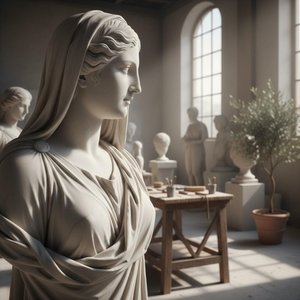
Timeless Elegance: A Complete Guide to the Sublime Beauty and Artistry of Marble Sculpture
Discover the sublime beauty of marble art through an expert exploration of Renaissance and Neoclassical masterpieces. From the delicate textures of Carpeaux to the grandeur of Sansovino, immerse yourself in a guide to timeless elegance and sculptural perfection.

The Enduring Allure of Marble in Art History: From Classical Sculpture to Modern Abstraction
Explore the captivating history of marble sculpture from ancient Greece to modern art. Discover renowned artists like Canova & Michelangelo, carving techniques, and investment insights at OriginalUniqueArt.

Οι 10 Κορυφαίοι Χάλκινοι Αγάλματα που Άλλαξαν την Ιστορία της Τέχνης | OriginalUniqueArt.gr
Ανακαλύψτε τα 10 θρυλικά χάλκινα αγάλματα που διαμόρφωσαν την τέχνη! Από τον Rodin στον Michelangelo, εξερευνήστε ιστορίες, τεχνικές & αισθητική. Βρείτε αντίγραφα υψηλής ποιότητας για το σπίτι σας στην OriginalUniqueArt.com.
