

 Δείτε σε πραγματικό χώρο
 Αποστολή
 Κοινοποίηση
 Λεπτομέρειες

 Λήψη
Λήψη
 Παρόμοια αντικείμενα συλλογής
 Ακτινογραφία
 Παρουσίαση
 Στατιστικά
Skating during Carnival
 Oil On Panel
- Baroque Landscape Painting
 1620
1620- Early Modern
 57.0 x 100.0 cm
 Μουσείο του Πράδο
 Διαβάστε περισσότερα
Χειροποίητη Αναπαραγωγή σε Έλαιο
Χειροποίητη oil painting σε καμβά στο δικό σας μέγεθος και πλαίσιο, κατά παραγγελία από τους καλλιτέχνες μας. ( Μετάβαση σε Εκτυπωση Μετάβαση σε Ψηφιακή Εικόνα)




P118B $10

P118H $10

P118W $10

P438Z $10

P508JH $12

P508YH $12

P805H $10

P805Z $10

P919BZ $10

P919G $10

P919XJ $10

P959ZH $10

P968JZ $12

W106C $8

W218G $10

W218JH $8

W218Y $10

W307PJ $10

W316G $10

W316PJ $8

W316Y $10

W398PJ $8

W4111J $10

W500HY $15

W500JH $15

W692G $12

W849H $8

W940BG $15

W953PJ $8




Επιλέξτε από τις προκαθορισμένες διαστάσεις μας που διατηρούν τις αρχικές αναλογίες του έργου τέχνης.

Μπορείτε να ορίσετε δικές σας διαστάσεις ώστε το έργο να ταιριάζει σε ένα συγκεκριμένο πλαίσιο ή χώρο. Εάν το επιλεγμένο μέγεθος δεν συμπίπτει με τις αναλογίες της αρχικής εικόνας, θα περικοψούμε το έργο ή θα επεκτείνουμε τη ζωγραφιά με πρόσθετα χειρόγραφα στοιχεία. Ένα ψηφιακό προσχέδιο θα σας αποσταλεί για έγκριση πριν την έναρξη της παραγωγής.
Παρακαλούμε σημειώστε ότι η προεπισκόπηση στην οθόνη δεν αντικατοπτρίζει την πραγματική περικοπή ή επέκταση. Μόνο το προσχέδιο θα δείξει με ακρίβεια την τελική σύνθεση.
Παρόλο που είναι διαθέσιμα προσαρμοσμένα μεγέθη, συνιστούμε να επιλέξετε μια διάσταση από τη λίστα των προκαθορισμένων μεγεθών για τη διατήρηση των αρχικών αναλογιών.
Μετά την παραγγελία, η ομάδα του OriginalUniqueArt.com θα στείλει email στον πελάτη με οδηγίες και θα παρέχει μια προεπισκόπηση προσχεδίου
Παγκόσμια Αποστολή () σε 3-4 εβδομάδες αντί για τις συνήθεις 5 εβδομάδες. (11 Σεπτέμβριος). Χωρίς συμβιβασμούς στην ποιότητα.

Δωρεάν γρήγορη διεθνής αποστολή

Κάμβας από Λινό Υψηλής Ποιότητας

Πλήρης ασφάλιση μεταφοράς

Εγγύηση Επιστροφής Δασμών και Φόρων

Εγγύηση Απόλυτης Ομοιότητας Χρωμάτων

Πολιτική Επιστροφής 100 Ημερών (Μόνο σε περίπτωση ελαττωμάτων)

Εγγύηση επιστροφής 100% των χρημάτων

Προσφορά για μαζικές παραγγελίες
 Η επιλογή με γυαλί είναι διαθέσιμη μόνο για μεγέθη κάτω από 110 εκ.

Skating during Carnival
Μέσο Αναπαραγωγής
Διαστάσεις Αναπαραγωγής
-


Συνολική Τιμή
$ 300
Skating during Carnival by ALSLOOT, Denis van
Denis van Alsloot (c. 1570-1626), a Flemish painter of vibrant landscapes & festive scenes! Court artist famed for detailed depictions of Brussels life, winter views & the Sonian Forest. His legacy resides in capturing moments of aristocratic grandeur interwoven with the spirited energy of everyday existence—a duality that resonates powerfully within his celebrated artwork, “Skating during Carnival.” This captivating painting transports us back to 1620, a pivotal year marking the zenith of Flemish Baroque artistry and reflecting the burgeoning fascination with winter landscapes as symbols of nobility and celebration. Alsloot’s masterful execution employs oil on panel—a technique favored by artists of his era—resulting in an image brimming with rich color palettes and meticulous textural detail. The canvas breathes life into a bustling Antwerp carnival scene, capturing not merely visual splendor but also the social customs and artistic sensibilities of the time. The composition unfolds with remarkable clarity. Dominating the central space is a substantial brick fortification – likely a section of the Kipdorppoort Moats—serving as a backdrop to an exuberant gathering of skaters. These figures, dressed in opulent costumes adorned with masks and hats, embody the aristocratic spirit of the Baroque period, engaging in merriment amidst the frosty air. Scattered along the waterfront are trees bearing sparse winter foliage, subtly reinforcing the overarching theme of seasonal splendor and highlighting the artistic preoccupation with portraying nature’s beauty even during its dormant phase. A closer examination reveals Alsloot's profound understanding of visual storytelling. The artist skillfully utilizes perspective to create depth and atmosphere, guiding the viewer’s gaze across the scene—from the towering fortifications in the background to the animated skaters in the foreground. Notice the careful rendering of light and shadow, enhancing the dramatic effect and conveying a palpable sense of warmth against the cold winter landscape. This juxtaposition underscores the painting's symbolic significance: Carnival represents indulgence and merriment, while the winter setting symbolizes resilience and beauty—themes central to Baroque artistic ideals. The artwork’s provenance traces back to the Royal Collection (specifically Isabella Farnese), demonstrating its esteemed status within European art history. It was subsequently housed in the Museo Nacional del Prado and later acquired by Charles III of Spain, cementing its place as a cornerstone of Flemish landscape painting. Furthermore, Alsloot's meticulous attention to detail—evident in the intricate costumes, architectural elements, and atmospheric effects—reflects the Baroque commitment to realism and grandeur. “Skating during Carnival” stands not merely as a depiction of a festive occasion but as an embodiment of artistic excellence and a testament to Alsloot’s enduring contribution to European art heritage.- Artist: Denijs van Alsloot
- Birth Year: 1570
- Death Year: 1626
- Birth City: Mechelen
- Birth Country: Belgium
Βιογραφία Καλλιτέχνη
Denijs van Alsloot (c. 1570 – c. 1626): A Life Woven in Landscape
Denijs van Alsloot, a name resonating softly through the annals of Flemish art, occupies a fascinating transitional space between the established traditions of the 16th century and the burgeoning Baroque dynamism of the 17th. Born around 1570 in either Mechelen or Brussels, Belgium, his origins were steeped in the craft of tapestry – his father’s profession providing an early immersion into design and visual composition. Though details surrounding his formal artistic training remain elusive, it's clear that this familial connection to textile arts laid a foundational aesthetic sensibility for the young Alsloot. He entered the Brussels Guild of St Luke in 1599 as a tapestry designer, initially focusing on this craft before gradually shifting towards painting, taking on his first pupil the same year and continuing to mentor apprentices until 1625. This period suggests a deliberate evolution, a honing of skills that would eventually blossom into a distinctive landscape style.Early Influences & The Tapestry Tradition
The influence of tapestry design is palpable throughout Alsloot’s oeuvre. Like many artists of his time, he possessed considerable skill in weaving intricate patterns and creating vibrant color palettes—skills honed by assisting his father in the family workshop. This formative experience instilled a meticulous attention to detail and an understanding of compositional balance that would inform his later paintings. The Guild of St Luke served as a crucial incubator for artistic talent during this period, fostering competition and encouraging innovation amongst its members. Alsloot’s early works demonstrate a careful observation of nature—a hallmark of the Flemish landscape tradition—reflecting the humanist ideals prevalent in the Renaissance and subtly foreshadowing the stylistic developments to come.Court Artist & The Glory of Albertine Brussels
A pivotal moment arrived around 1606 with Alsloot’s appointment as court painter to Albert and Isabella, the Archdukes who governed the Spanish Netherlands. This prestigious position not only provided financial stability but also thrust him into a world of influential patrons and significant commissions. The court became his canvas, demanding depictions of both grandeur and everyday life—a challenge he embraced with remarkable success. He excelled at capturing scenes of civil processions, local festivals, and ceremonial events – vibrant snapshots of 17th-century Brussels society. These weren’t merely decorative; they were historical documents, preserving the spectacle and social fabric of the time. Alsloot's meticulous style—characterized by precise brushstrokes and a masterful use of color—captured the splendor of Albertine Brussels with unparalleled accuracy. He meticulously documented architectural details, costumes, and expressions of emotion, conveying not only visual beauty but also intellectual engagement.The Ommegang & Artistic Documentation
Perhaps the most notable commission came from Archduchess Isabella herself: a request to paint eight panels commemorating the Ommegang procession of 1615—a tradition celebrating Mary Magdalene’s pilgrimage to Jerusalem. This ambitious undertaking cemented Alsloot's reputation as a skilled recorder of historical events and showcased his ability to convey complex narratives through visual imagery. The resulting paintings are considered masterpieces of genre painting, capturing the energy and enthusiasm of the crowd alongside the solemn grandeur of the procession itself. As a testament to his dedication and artistic prowess, he was rewarded with 10,000 guilders—a substantial sum reflecting the importance placed upon documenting cultural traditions during this era.The Sonian Forest School & A Distinctive Landscape Vision
Alsloot is often associated with the Sonian Forest school of landscape painters, a group who found inspiration in the sprawling woodlands surrounding Brussels. This association isn’t merely geographical; it reflects a shared aesthetic preference for depicting scenes from this particular environment—its dense forests, tranquil abbeys, and atmospheric perspectives. His series of views of abbeys within the Sonian Forest exemplifies this connection, showcasing his ability to capture both the natural beauty and spiritual significance of these locations. He skillfully blended influences from earlier masters with a distinctly personal vision—characterized by calm compositions, soft palettes, and meticulous attention to detail. Like Gillis van Coninxloo and Jan Brueghel the Elder, Alsloot employed techniques that prioritized atmospheric perspective—creating depth and illusion through subtle gradations of color—a hallmark of Baroque art but rooted in Renaissance principles.Legacy & Enduring Influence
Though he passed away around 1626, likely before 1628, Denijs van Alsloot’s artistic legacy endures. His paintings are now held in esteemed museums worldwide, including the Museo Nacional del Prado in Madrid and the Victoria and Albert Museum in London, ensuring his work continues to inspire and captivate audiences centuries later. He is remembered not only for his technical skill—his topographical accuracy, atmospheric perspective, and meticulous detail—but also for his ability to document 170th-century life in Brussels. His depictions of festivals, processions, and landscapes offer invaluable insights into the social customs, architectural features, and natural beauty of the era. As a key representative of the Sonian Forest school and a transitional figure bridging earlier landscape traditions with the emerging Baroque style, Van Alsloot remains a significant subject for scholars studying Flemish art—a testament to his enduring contribution to the world of visual culture.
Δενίς Βαν Άλσλουτ
1570 - 1626 , Βέλγιο
Γρήγορα στοιχεία
- Artistic Movement Or Style: Sonian Forest school
- Artists Or Movements Influenced By This Artist: ['Dutch Golden Age School']
- Artists Who Influenced This Artist:
- Gillis van Coninxloo
- Jan Brueghel the Elder
- Date Of Birth: c. 1570
- Date Of Death: c. 1626
- Full Name: Denijs van Alsloot
- Nationality: Flemish
- Notable Artworks:
- Tervuren tervuren
- Landscape with Tobias...
- The Flight into Egypt
- Place Of Birth: Mechelen, Belgium
Σχετικά άρθρα
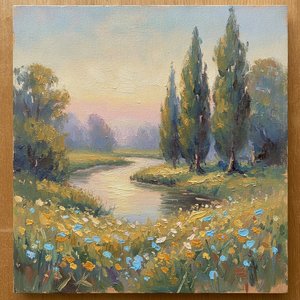
The Timeless Charm of Oil on Board: Reimagining Texture and Light through the Impressionist Lens
Discover the profound intimacy of oil on panel. Explore how Impressionist masters used rigid supports to capture light, texture, and impasto depth through exquisite, handmade oil reproductions for discerning collectors.
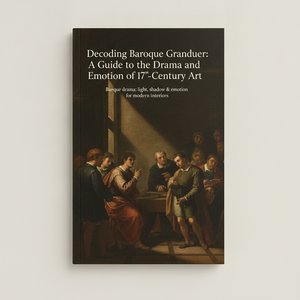
Decoding Baroque Grandeur: A Guide to the Drama and Emotion of 17th-Century Art
Explore the breathtaking drama of 17th-century Baroque art. Our expert guide decodes the use of chiaroscuro, emotional intensity, and historical grandeur to help you appreciate and curate timeless masterpieces for your collection.

Baroque Classicism: The Grandeur of Order and Drama in 17th-Century Art History
Explore the profound elegance of Baroque Classicism. Discover how 17th-century masters synthesized dramatic emotion with classical order through the lens of the Counter-Reformation and the works of legends like Carlo Maratta and Andrea Sacchi.
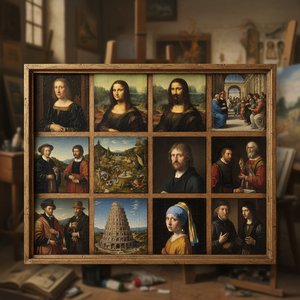
Οι 10 θρυλικοί πίνακες λαδιού σε πάνελ που άλλαξαν την τέχνη – OriginalUniqueArt.gr
Ανακαλύψτε τους 10 θρυλικούς πίνακες λάδι σε πάνελ που έγραψαν ιστορία! Μάθετε για τους διάσημους ζωγράφους, τις τεχνικές τους και τα κρυφά νοήματα των έργων τους. Βρείτε την τέλεια αναπαραγωγή στον OriginalUniqueArt.gr.
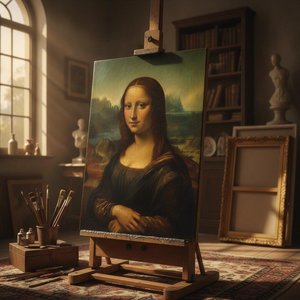
Mastering the Surface: A Historical and Technical Guide to the Art of Oil on Panel Painting
Explore the profound history and technical brilliance of oil on panel painting. From Renaissance masters to modern techniques, discover why this rigid support offers unparalleled precision and permanence for fine art lovers and collectors.