
 Προεπισκόπηση σε πραγματική κλίμακα
 Αποστολή
 Κοινοποίηση
 Λεπτομέρειες
 Οδηγός

 Λήψη
Λήψη
 Παρόμοια αντικείμενα συλλογής
 Ακτινογραφία
 Παρουσίαση
 Ερωτήσεις & Απαντήσεις
 Στατιστικά
Kitchen Scene

- 75.0 x 77.0 cm


 Περισσότερα
Λάβετε ένα αρχείο έτοιμο για εκτύπωση, με ποιότητα πολύ ανώτερη από την προεπισκόπηση στον ιστότοπο. Κάθε ψηφιακή εικόνα που διαθέτουμε προέρχεται από ένα αρχείο υψηλής ανάλυσης στη βάση δεδομένων μας —συνήθως με πλάτος 5.000 έως 15.000 pixel— ώστε να μπορείτε να εκτυπώσετε σε μεγάλο μέγεθος, να κάνετε στενές κοψιμές ή να αναπαράγετε τις λεπτομέρειες με απόλυτη εμπιστοσύνη.
Κανένα αρχείο δεν φεύγει από το στούντιο μας χωρίς να υποστεί επεξεργασία. Ένας ειδικός ψηφιακών εικόνων ελέγχει τα χρώματα σε σύγκριση με το πρωτότυπο έργο και τα διορθώνει αν χρειαστεί, στη συνέχεια βελτιώνει την καθαρότητα και τις λεπτομέρειες με επαγγελματικά εργαλεία αφαίρεσης ατέλειων — παραμένοντας πάντα πιστός στις πινελιές και το ύφος του καλλιτέχνη. Το αποτέλεσμα είναι μια εικόνα που μοιάζει με το ίδιο το αριστούργημα και όχι με ένα σκανάρισμα με φίλτρα.
Εγκρίνετε πριν την ολοκλήρωση: ο ειδικός μας σας στέλνει την εικόνα μέσω e-mail εντός 72 ωρών για επανεξέταση. Δεν είστε ικανοποιημένοι; Ζητήστε βελτιώσεις ή διορθώσεις, ή ζητήστε επιστροφή χρημάτων εάν η ποιότητα δεν ανταποκρίνεται στις προσδοκίες σας.
Αυτή είναι η ποιότητα στην οποία εμπιστεύονται οι εκδότες, τα design studios, οι γκαλερί και τα εκτυπωτήρια.
Ψηφιακή εικόνα
Κατεβάστε ένα αρχείο υψηλής ανάλυσης για προσωπική χρήση, εκτύπωση και δημιουργικά έργα. ( Μετάβαση σε Εκτυπώσεις Αγορά χειροποίητου πίνακα)
Περιλαμβάνεται σε κάθε παραγγελία ψηφιακής εικόνας
Επαγγελματική Ψηφιακή Παράδοση με Εγγύηση
Όταν επιλέγετε το OriginalUniqueArt.com, δεν αποκτάτε απλώς μια εικόνα – λαμβάνετε ένα επαγγελματικά αναβαθμισμένο ψηφιακό έργο τέχνης, δημιουργημένο με ακρίβεια και με εγγύηση ικανοποίησης. Δείτε όλα όσα περιλαμβάνονται στην παραγγελία σας, αυτόματα:

Άμεση αποστολή μέσω email
Το ψηφιακό σας αρχείο εικόνας υψηλής ανάλυσης θα σας σταλεί μέσω email εντός 72 ωρών από την παραγγελία σας — έτοιμο για άμεση χρήση.

Ψηφιακό Αρχείο με Τεχνητή Νοημοσύνη
Το έργο σας βελτιστοποιείται επαγγελματικά με τη χρήση προηγμένων εργαλείων Τεχνητής Νοημοσύνης και χειροκίνητης επεξεργασίας, εξασφαλίζοντας μέγιστη λεπτομέρεια, ευκρίνεια και ακρίβεια χρωμάτων.

Δωρεάν επανεκδόσεις مدى ζωής
Απώλησες ή διαγράψατε κατά λάθος το αρχείο σας; Μην ανησυχείτε — θα σας το ξαναστείλομε οποιαδήποτε στιγμή, δωρεάν.

Χωρίς Τελωνειακούς Φόρους - Ποτέ
Απολαύστε αμέσως τα έργα τέχνης σας χωρίς δασμούς, φόρους ή έξοδα αποστολής - οι ψηφιακές λήψεις είναι πάντα αφορεশিপτεία.

Εγγύηση Ακριβούς Χρωματισμού
Εξασφαλίζουμε ότι η ψηφιακή σας εικόνα αποτυπώνει τα αυθεντικά χρώματα όσο το δυνατόν πιστότερα, χρησιμοποιώντας επαγγελματικά εργαλεία και διαχείριση χρωμάτων.

Εγγύηση Ικανοποίησης 100 Ημερών
Εάν δεν είστε ικανοποιημένοι με την ψηφιακή σας εικόνα, θα την τροποποιήσουμε ή θα σας επιστρέψουμε το 100% εντός 100 ημερών — χωρίς κανένα ερώτημα.

100% Εγγύηση Επιστροφής Χρήματος
Δεν είστε ικανοποιημένοι; Λάβετε πλήρη επιστροφή των χρημάτων σας εντός 100 ημερών από τη λήψη του ψηφιακού σας αρχείου — χωρίς κανένα ερώτημα.

Εκπτώσεις σε μεγάλες παραγγελίες
Αγοράστε 3 εικόνες, κάντε εξοικονόμηση 10% - Αγοράστε 5, κάντε εξοικονόμηση 15% - Αγοράστε 10+, κάντε εξοικονόμηση 20%. Ιδανικό για δημιουργικά έργα, γκαλερί και agencies.
A Glimpse into Domesticity: David Teniers the Younger’s “Kitchen Scene”
David Teniers the Younger's "Kitchen Scene," painted in 1644, is more than just a depiction of daily life; it’s a meticulously crafted window into the heart of 17th-century Flemish domesticity. Housed within the Mauritshuis museum in The Hague, this oil painting on copper immediately draws the viewer into a bustling scene brimming with activity and quiet intimacy. Teniers wasn't merely recording a snapshot; he was capturing an atmosphere, imbuing the kitchen with a palpable sense of warmth, conversation, and the comforting rhythms of family life.
The artist’s skill lies not just in his technical proficiency – evident in the remarkably detailed rendering of food, utensils, and fabrics – but also in his ability to convey mood. The light, diffused and warm, suggests a late afternoon, casting long shadows across the room and highlighting the rich textures of the wooden table, earthenware bowls, and the woman’s richly colored dress. Notice how he uses subtle variations in tone to create depth, drawing our eye from the central figures towards the background activity – children playing, servants preparing food, and a dog observing the scene with quiet attentiveness.
The Painter's Palette: Technique and Materials
“Kitchen Scene” is a testament to Teniers’ mastery of oil painting on copper. This medium offered him exceptional control over color saturation and layering, allowing for a remarkable level of detail and luminosity. The use of impasto – applying paint thickly – particularly in the depiction of the food and textiles – adds a tactile quality to the image, inviting us to almost reach out and touch the smooth surface of the table or feel the warmth radiating from the hearth (implied but not explicitly shown). The copper itself contributes significantly to the painting’s visual impact; it reflects light beautifully, intensifying colors and creating a sense of vibrancy that is often lost in traditional panel paintings.
Furthermore, Teniers' meticulous attention to detail extends beyond mere representation. He employs a sophisticated understanding of perspective and chiaroscuro – the use of contrasting light and shadow – to create a convincing illusion of space. The figures are rendered with a remarkable degree of realism, their faces conveying a range of emotions—from amusement and conversation to focused concentration. The artist’s ability to capture these subtle nuances is what elevates “Kitchen Scene” beyond a simple genre painting.
A Window into the Golden Age: Context and Symbolism
“Kitchen Scene” firmly places itself within the Dutch Golden Age of art, a period characterized by unprecedented prosperity, artistic innovation, and a burgeoning interest in depicting everyday life. Teniers’ work reflects this shift away from purely religious or mythological subjects towards more secular themes – a trend driven by the rise of the merchant class and their desire to celebrate their newfound wealth and status. The scene itself is rich with symbolism. The abundance of food represents prosperity and hospitality, while the presence of children suggests family values and the continuation of lineage.
The inclusion of a dog, a common feature in domestic scenes of the era, reinforces the theme of companionship and loyalty. Even the hanging bird – a detail often overlooked – could symbolize abundance or good fortune. The painting’s setting, a well-equipped kitchen, speaks to the importance of food preparation and communal meals within 17th-century Flemish society. It's a scene that resonates with universal themes of family, community, and the simple pleasures of life.
Collecting the Essence: Reproduction and Legacy
Reproductions of “Kitchen Scene” offer an accessible way to experience the artistry and charm of this remarkable painting. Whether displayed in a grand salon or a cozy corner, it serves as a captivating reminder of a bygone era. The meticulous detail and evocative atmosphere captured by Teniers continue to resonate with viewers today, offering a glimpse into the lives and values of those who came before us.
For art enthusiasts seeking a deeper understanding of this masterpiece, we encourage you to explore the resources linked below: The Mauritshuis museum’s collection provides invaluable insights into the painting's history and context. Furthermore, examining related works by David Teniers the Younger – such as “An Old Peasant caresses a Kitchen Maid in a Stable” – reveals his distinctive style and thematic preoccupations.
Ερωτήσεις και Απαντήσεις
Πού μπορώ να κατεβάσω το "Kitchen Scene" του Ντένιερς Ο Νεότερος;
Η λήψη είναι διαθέσιμη για το "Kitchen Scene": στη σελίδα Λήψη ψηφιακού αρχείου του έργου μπορείτε να κάνετε λήψη ψηφιακής εικόνας υψηλής ανάλυσης.
Ποιος δημιούργησε το "Kitchen Scene";
Το έργο "Kitchen Scene" αποδίδεται στον/στην Ντένιερς Ο Νεότερος.
Το έργο "Kitchen Scene" του Ντένιερς Ο Νεότερος βρίσκεται στη χώρα καταγωγής του καλλιτέχνη;
Όχι - το έργο βρίσκεται στο εξωτερικό. Η χώρα γέννησης του/της Ντένιερς Ο Νεότερος είναι η Βέλγιο, ενώ το μουσείο που διατηρεί το πρωτότυπο του "Kitchen Scene" βρίσκεται στην Ολλανδία.
Βιογραφικό Καλλιτέχνη
Early Life and Family Background
- Born: Antwerp, then in the Spanish Netherlands, baptised on December 15, 1610.
- David Teniers the Younger came from a family deeply rooted in the artistic tradition of Flanders. His father, David Teniers the Elder, was also a painter, and his younger brothers Juliaan, Theodoor and Abraham all became painters as well.
- Training: He studied under his father from 1626, receiving his foundational training in painting techniques and styles.
- His father was frequently in debt and was at times jailed for it, so the young David made copies of old master paintings to help support the family.
- Antwerp Guild: He became a master of the Antwerp Guild of Saint Luke in 1632–1633 and served as its dean in 1644–1645.
Artistic Development and Influences
- Early Influences: His early work followed his father’s small cabinet paintings and, through him, the example of Adam Elsheimer. Until the end of the 1630s his pictures were very close to those of Adriaen Brouwer in subject matter, technique, colour and composition.
- The Rubens Circle: In 1637 he married Anna Brueghel, daughter of Jan Brueghel the Elder. Peter Paul Rubens, who had been her guardian after her father’s death, was a witness at the wedding, drawing Teniers into the circle of Antwerp’s leading painter.
- Genre Specialization: Teniers gradually specialized in genre painting – depictions of everyday life – becoming renowned for his lively scenes of peasant festivals (kermesses), tavern interiors, and village landscapes.
Major Works and Artistic Style
- Genre Scenes: His most celebrated works are his genre paintings. These often depict bustling scenes of peasant life filled with merriment, dancing, drinking, and games.
- Kermess Paintings: Village feasts such as The Flemish Kermess exemplify his style – vibrant colors, detailed compositions, and a keen observation of human behavior.
- Tavern Interiors: His tavern scenes are particularly notable for their realistic portrayal of everyday life and the lively atmosphere within these establishments.
- Beyond the Village: He also painted landscapes, guardroom scenes, alchemists and physicians at work, and witty singeries in which monkeys act out human affairs.
- Gallery Paintings: His views of the Archduke’s picture gallery, their walls crowded with identifiable masterpieces, made him a leading figure of this distinctly Flemish genre.
Court Painter and Curator
- Service to Archduke Leopold Wilhelm: Around 1650 Teniers moved to Brussels to serve Archduke Leopold Wilhelm, the Governor of the Spanish Netherlands, as court painter and keeper of his art collection.
- Collection Management: He helped the Archduke acquire masterpieces, including paintings from the dispersed English royal collection and the Hamilton collection. The collection grew to some 1,300 works and later formed a foundation of the Kunsthistorisches Museum in Vienna.
- Theatrum Pictorium: Published in Brussels in 1660, it reproduced 246 Italian paintings from the Archduke’s collection in engravings – the first illustrated catalogue of an old master collection.
- Pupils: Gillis van Tilborgh is believed to have trained with him in Brussels and later held the same post of keeper of the court collection.
- Later Life: After Anna’s death he married Isabella de Fren in 1656. He petitioned the king of Spain for a patent of nobility, but gave up when he was told he would have to stop selling his paintings.
- The Antwerp Academy: Teniers was the driving force behind the foundation of the Academy of Fine Arts in Antwerp, obtaining its royal charter in 1663, with the aim of revitalizing Flemish painting after the deaths of Rubens and Van Dyck.
Historical Significance and Legacy
- Leading Genre Painter: David Teniers the Younger is considered the leading Flemish genre painter of his time, capturing the essence of 17th-century life with remarkable skill.
- Influence on Later Artists: His work influenced subsequent generations of Northern European painters and even impacted French Rococo artists like Antoine Watteau.
- Prolific Output: Teniers was an incredibly prolific artist, producing a vast body of work that continues to be admired for its charm, detail, and historical insight.
- Death: He died in Brussels on April 25, 1690, leaving behind a lasting legacy as one of Flanders’ most important Baroque painters.
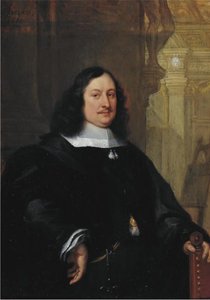
Ντένιερς Ο Νεότερος
1610 - 1690 , Βέλγιο
Σύντομη Βιογραφία
- Date Of Birth: 1610
- Date Of Death: 1690
- Place Of Birth: Άντβερπη, Βέλγιο
- Place Of Death: Βρυξέλλες, Βέλγιο
- Birth Date: 1610
- Birth Place: Άντβερπη, Βέλγιο
- Death Date: 1690
- Influenced By: Adriaen Brouwer, Adam Elsheimer, Peter Paul Rubens
- Movement: Μπαρόκ
- Name: Ντένιερς Ο Νεότερος
- Nationality: Φλαμανδός
- Notable Works:
- Δύο Μεθυσμένοι
- Σκηνή στο Χωριό
- Σκηνή στην Κουζίνα
- Φλαμανδική Kermess