

 Προεπισκόπηση
 Αποστολή
 Κοινοποίηση
 Λεπτομέρειες
 Οδηγός

 Λήψη
Λήψη
 Παρόμοια αντικείμενα συλλογής
 Ακτινογραφία
 Παρουσίαση
 Στατιστικά
Saint Luke (San Lucas)
 Mannerism
 25.0 x 22.0 cm
 Zaragoza Museum
 Περισσότερα λεπτομέρεια
Χειροποίητη Αναπαραγωγή σε Έλαιο
Χειροποίητη ελαιογραφία σε καμβά στο δικό σας μέγεθος και πλαίσιο, κατά παραγγελία από τους καλλιτέχνες μας. ( Μετάβαση σε Εκτυπώσεις Μετάβαση σε Ψηφιακή Εικόνα)




































Επιλέξτε από τις προκαθορισμένες διαστάσεις μας που διατηρούν τις αρχικές αναλογίες του έργου τέχνης.

Μπορείτε να ορίσετε δικές σας διαστάσεις ώστε το έργο να ταιριάζει σε ένα συγκεκριμένο πλαίσιο ή χώρο. Εάν το επιλεγμένο μέγεθος δεν συμπίπτει με τις αναλογίες της αρχικής εικόνας, θα περικοψούμε το έργο ή θα επεκτείνουμε τη ζωγραφιά με πρόσθετα χειρόγραφα στοιχεία. Ένα ψηφιακό προσχέδιο θα σας αποσταλεί για έγκριση πριν την έναρξη της παραγωγής.
Παρακαλούμε σημειώστε ότι η προεπισκόπηση στην οθόνη δεν αντικατοπτρίζει την πραγματική περικοπή ή επέκταση. Μόνο το προσχέδιο θα δείξει με ακρίβεια την τελική σύνθεση.
Παρόλο που είναι διαθέσιμα προσαρμοσμένα μεγέθη, συνιστούμε να επιλέξετε μια διάσταση από τη λίστα των προκαθορισμένων μεγεθών για τη διατήρηση των αρχικών αναλογιών.
Μετά την παραγγελία, η ομάδα του OriginalUniqueArt.com θα στείλει email στον πελάτη με οδηγίες και θα παρέχει μια προεπισκόπηση προσχεδίου
Παγκόσμια Αποστολή () σε 3-4 εβδομάδες αντί για τις συνήθεις 5 εβδομάδες. (25 Σεπτέμβριος). Χωρίς συμβιβασμούς στην ποιότητα.

Δωρεάν γρήγορη διεθνής αποστολή

Κάμβας από Λινό Υψηλής Ποιότητας

Πλήρης ασφάλιση μεταφοράς

Εγγύηση επιστροφής δασμών και φόρων εισαγωγής

Εγγύηση Απόλυτης Ομοιότητας Χρωμάτων

Πολιτική Επιστροφής 100 Ημερών (Μόνο σε περίπτωση ελαττωμάτων)

Εγγύηση επιστροφής 100% των χρημάτων

Έκπτωση για πολλαπλές παραγγελίες
 Η επιλογή με γυαλί είναι διαθέσιμη μόνο για μεγέθη κάτω από 110 εκ.

Saint Luke (San Lucas)
Τεχνική Αναπαραγωγής
Διαστάσεις Αναπαραγωγής
-


Συνολικό Κόστος
$ 300
Βιογραφικό Καλλιτέχνη
Damián Forment: Bridging Gothic and Renaissance Splendor
Damián Forment (c. 1480 – 1540) stands as a monumental figure in Spanish art history, recognized unequivocally as the nation’s most prominent sculptor of the sixteenth century. He was not merely an artisan but a transformative force who skillfully blended the grandeur of Gothic tradition with the burgeoning innovations of Renaissance aesthetics—a synthesis that profoundly impacted religious sculpture across Spain and cemented his legacy as one of the era’s foremost masters. Born in Valencia, Forment’s formative years were steeped in the artistic fervor of Italy. His journey through Rome and Florence instilled within him a deep understanding of classical ideals, anatomical precision, and the revolutionary architectural visions that would later redefine the Spanish landscape.
The essence of Forment's genius lay in his ability to navigate the transition between two worlds. While his early training exposed him to the humanist principles championed by masters like Leonardo da Vinci and the structural brilliance of Brunelleschi, he never abandoned the spiritual weight of the Gothic style. This duality is most breathtakingly captured in his monumental alabaster altar for Zaragoza's Basilica of Our Lady of Pilar (1509–12). In this masterpiece, the soaring, intricate grandeur of the Gothic cathedral meets the balanced, harmonious compositional strategies of the Renaissance, creating a sacred space that feels both ancient and profoundly modern.
A Legacy Carved in Alabaster and Wood
Upon returning to his homeland, Forment established himself as a prolific sculptor based primarily in Zaragoza, where he cultivated a workshop that nurtured generations of talent. His studio became an epicenter of creativity, attracting significant patronage from ecclesiastical dignitaries such as Bishop Jaime. Through this workshop, he produced an astonishing array of masterpieces that utilized both wood and the luminous, translucent beauty of alabaster to tell divine stories. His work was characterized by a meticulous attention to detail and an embrace of idealized forms that brought a new level of human emotion to religious iconography.
The breadth of his technical mastery is evident in the diverse range of his commissions:
- The Basilica of Our Lady of Pilar: His earliest major triumph, where he successfully merged Gothic verticality with Renaissance grace.
- Poblet Monastery: A significant milestone representing his first work executed entirely in the pure Renaissance style.
- Zaragoza Altarpieces: His profound contributions to the churches of San Miguel de los Navarros and San Pablo, which showcased an evolving Mannerist influence.
- The Cathedral of Huesca: A testament to his enduring dominance over the regional artistic landscape.
Historical Significance and Artistic Evolution
As Forment’s career progressed, his style moved beyond simple imitation of Italian models toward a more complex, Mannerist sensibility. This evolution allowed him to infuse his sculptures with a sense of movement and psychological depth that resonated with the changing religious climate of the sixteenth century. Even in his final years, as he worked on the Renaissance altar for the Cathedral of Santo Domingo de la Calzada, his commitment to pushing the boundaries of sculptural form remained undiminished.
The historical significance of Damián Forment cannot be overstated. He acted as a cultural conduit, bringing the sophisticated light and logic of the Italian Renaissance to the Iberian Peninsula and adapting it to suit the local devotion and architectural traditions. By doing so, he did more than just decorate churches; he redefined the visual language of Spanish faith. His ability to harmonize the intricate, shadowed complexity of the Gothic era with the clarity and humanism of the Renaissance ensures that his name remains etched in the stone and wood of Spain's most sacred monuments.

Damián Forment
1480 - 1540 , Spain
Στοιχεία καλλιτέχνη
- Artistic Movement Or Style: Renaissance & Mannerism
- Artists Or Movements Influenced By This Artist: ['Gothic Art']
- Artists Who Influenced This Artist: ['Juan de Salas']
- Date Of Birth: Valencia, Spain (1480)
- Date Of Death: Santo Domingo de la Calzada, 1540
- Full Name: Damián Forment
- Nationality: Spanish
- Notable Artworks:
- Saint Luke
- Retable of the High Altar
- Saint Mark
- Place Of Birth: Valencia
Σχετικά άρθρα

The Enduring Form: Exploring Themes & Techniques in Sculpture Across Historical Periods
Explore the rich history of sculpture from ancient masterpieces to contemporary innovations. Discover key techniques, influential artists & investment potential for discerning art collectors.
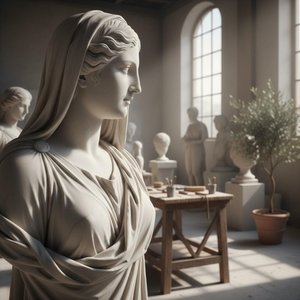
Timeless Elegance: A Complete Guide to the Sublime Beauty and Artistry of Marble Sculpture
Discover the sublime beauty of marble art through an expert exploration of Renaissance and Neoclassical masterpieces. From the delicate textures of Carpeaux to the grandeur of Sansovino, immerse yourself in a guide to timeless elegance and sculptural perfection.

Οι 10 Κορυφαίοι Χάλκινοι Θρύλοι που Άλλαξαν την Τέχνη – Έμπνευση για το Σπίτι σας
Ανακαλύψτε τα 10 θρυλικά χάλκινα γλυπτά που επαναπροσδιόρισαν την τέχνη! Ιστορίες από Rodin, Degas & άλλους μεγάλους καλλιτέχνες. Βρείτε αναπαραγωγές υψηλής ποιότητας για να εμπνεύσετε το σπίτι σας. Εξερευνήστε τη συλλογή στο OriginalUniqueArt.com.

The Enduring Allure of Marble in Art History: From Classical Sculpture to Modern Abstraction
Explore the captivating history of marble sculpture from ancient Greece to modern art. Discover renowned artists like Canova & Michelangelo, carving techniques, and investment insights at OriginalUniqueArt.

Οι 10 Κορυφαίοι Χάλκινοι Αγάλματα που Άλλαξαν την Ιστορία της Τέχνης | OriginalUniqueArt.gr
Ανακαλύψτε τα 10 θρυλικά χάλκινα αγάλματα που διαμόρφωσαν την τέχνη! Από τον Rodin στον Michelangelo, εξερευνήστε ιστορίες, τεχνικές & αισθητική. Βρείτε αντίγραφα υψηλής ποιότητας για το σπίτι σας στην OriginalUniqueArt.com.