Προεπισκόπηση
 Αποστολή
 Κοινοποίηση
 Λεπτομέρειες
 Οδηγός

 Λήψη
Λήψη
 Παρόμοια αντικείμενα συλλογής
 Ακτινογραφία
 Παρουσίαση
 Στατιστικά
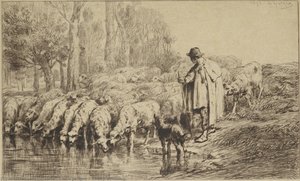
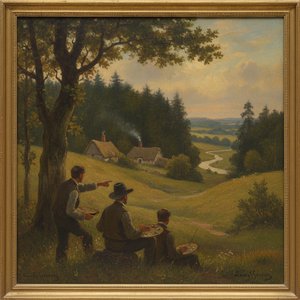
The Sheepfold
 Barbizon School
 1857
1857 46.0 x 92.0 cm
 Περισσότερα λεπτομέρεια
Χειροποίητη Αναπαραγωγή σε Έλαιο
Χειροποίητη ελαιογραφία σε καμβά στο δικό σας μέγεθος και πλαίσιο, κατά παραγγελία από τους καλλιτέχνες μας. ( Μετάβαση σε Εκτυπώσεις Μετάβαση σε Ψηφιακή Εικόνα)




































Επιλέξτε από τις προκαθορισμένες διαστάσεις μας που διατηρούν τις αρχικές αναλογίες του έργου τέχνης.

Πληκτρολογήστε το πλάτος και το ύψος που επιθυμείτε, ώστε να ταιριάζουν στο κάδሮ ή στον τοίχο σας. Ε เนื่องจาก πρόκειται για χειροποίητη ζωγραφική, σε περίπτωση διαστάσεων με διαφορετικό σχήμα, ο καλλιτέχνης μπορεί να ζωγραφίσει λίγο παραπάνω γύρω από το έργο ή να αφαιρέσει ένα μέρος — η επιλογή είναι δική σας. Σας στέλνουμε ένα ψηφιακό mockup για έγκριση πριν ξεκινήσει η δημιουργία του έργου. Η εικόνα που εμφανίζεται σε αυτή τη σελίδα δεν δείχνει το τελικό αποτέλεσμα — μόνο το mockup το αναδεικνύει.
Μετά την παραγγελία, η ομάδα του OriginalUniqueArt.com θα στείλει email στον πελάτη με οδηγίες και θα παρέχει μια προεπισκόπηση προσχεδίου
Παγκόσμια Αποστολή () σε 3-4 εβδομάδες αντί για τις συνήθεις 5 εβδομάδες. (24 Οκτώβριος). Χωρίς συμβιβασμούς στην ποιότητα.

Δωρεάν γρήγορη διεθνής αποστολή

Κάμβας από Λινό Υψηλής Ποιότητας

Πλήρης ασφάλιση μεταφοράς

Εγγύηση επιστροφής δασμών και φόρων εισαγωγής

Εγγύηση Απόλυτης Ομοιότητας Χρωμάτων

Πολιτική Επιστροφής 100 Ημερών (Μόνο σε περίπτωση ελαττωμάτων)

Εγγύηση επιστροφής 100% των χρημάτων

Έκπτωση για πολλαπλές παραγγελίες
 Η επιλογή με γυαλί είναι διαθέσιμη μόνο για μεγέθη κάτω από 110 εκ.

The Sheepfold
Τεχνική Αναπαραγωγής
Διαστάσεις Αναπαραγωγής
-


Συνολικό Κόστος
€ 263
Ερωτήσεις & Απαντήσεις
Είναι τα χρώματα του έργου "The Sheepfold" του Σαρλ-Εμίλ Ζακ έντονα ή θαμπά;
Το έργο "The Sheepfold" του Σαρλ-Εμίλ Ζακ καταγράφεται με κορεσμό Subtle Color.
Ποια είναι η χρωματική ταυτότητα του "The Sheepfold" του Σαρλ-Εμίλ Ζακ;
Η χρωματική ταυτότητα του έργου "The Sheepfold" του Σαρλ-Εμίλ Ζακ: μια παλέτα με αποχρώσεις Earthy, κυριαρχεί το Espresso (#583b1c).
Πώς συνδέονται μεταξύ τους τα χρώματα του "The Sheepfold";
Η χρωματική αρμονία του "The Sheepfold" καταγράφεται ως Unified Palette.
Βιογραφικό Καλλιτέχνη
Μια Ζωή Ριζωμένη στην Γαλλική Υπαίθρο
Ο Charles-Émile Jacque, γεννημένος στο Παρίσι το 1813, δεν ήταν προορισισμένος για μια συμβατική καλλιτεχνική πορεία. Η πρώιμη ζωή του πήρε μια απρόσμενη τροπή με επτά χρόνια υπηρεσίας στον γαλλικό στρατό. Ωστότι, ακόμη και μέσα στην αυστηρή δομή της στρατιωτικής ζωής, το έμφυτο ταλέντο του βρήκε έκφραση – όχι αρχικά μέσω της ζωγραφικής, αλλά μέσα από την προσεκτική δεξιότητα της χαρτογράφησης και της engraver (εंग्रेφής) χαρτών. Αυτή η θεμελιώδης εκπαίδευση, που απαιτούσε ακρίβεια και παρατηρητικότητα, θα αποδειχθεί εξαιρετικά καθοριστική για τις μετέπειτα καλλιτεχνικές του προσπάθειες, εμφυτεύοντας μια αφοσίωση στη λεπτομέρεια που έγινε σήμα κατατεθέν του έργου του. Ήταν μια απίστευτη αρχή για έναν ζωγράφο που θα γινόταν σύμβολο της ειδυλλιακής ομορφιάς της γαλλικής υπαίθρου, κι όμως αυτό λέει πολλά για την προσαρμοστικότητα και την εγγενή καλλιτεχνικότητα του Jacque. Μετά την αποστρατίευσή του, ασχολήθηκε σύντομα με τη σελιδογραψία και τη καρικατούρα, συνεισφέροντας σε παρισινού περιοδικά, πριν βρει την πραγματική του κλήση στον κόσμο της ετσάρισλας και της ζωγραφικής.Η Αποδοχή της Σχολής Barbizon και μιας Παστωρικής Όρασης
Στα μέσα του 19ου αιώνα, ο Jacque έλκυται προς το Barbizon, ένα μικρό χωριό που θα γίνει το επίκεντρο μιας επαναστατικής καλλιτεχνικής κίνησης. Φεύγοντας από τις επιδημίες χολέρας που plaguează το Παρίσι, εντάχθηκε στον Jean-François Millet και άλλους καλλιτέχνες με κοινές ιδέες, αναζητώντας την έμπνευση απευθείας από τη φύση. Αυτό σήμανε μια καθοριστική στροφή μακριά από τις ακαδημαϊκές συμβάσεις και προς μια πιο ειλικρινή, ρεαλιστική απεικόνιση της ζωής. Ο Jacque υιοθέτησε με όλο του τοim σώμα αυτή την προσέγγιση, αφιερώνοντας τον εαυτό του στη μεταφορά της ουσίας της αγροτικής ύπαρξης – την ήσυχη αξιοπρέπεια των βοσκών που φροντίζουν τα κοπάδιά τους, τον απαλό ρυθμό της αγροτικής εργασίας, την απλή ομορφιά των ζώων σε χωράφια φωτισμένα από το φως του ήλιου. Οι πίνακές του δεν ήταν απλώς απεικονίσεις σκηνών· ήταν εμποτισμένοι με ένα βαθύ αίσθημα γαλήνης και αρμονίας, αναδεικνύοντας μια βαθιά εκτίηση για τον φυσικό κόσμο. Δεν έ”“painting” απλώς πρόβατα ή στάβλους· μετέδιδε ένα συναίσθημα, μια ατμόσφαιρα—έναν σεβασμό στη pastoral ζωή που αντήχησε βαθιά στο κοινό.Μάستερ των Μέσων: Ζωγραφική και Κτεμπελατογραφία
Η καλλιτεχνική ικανότητα του Jacque εκτεινόταν πέρα από τη ζωγραφική. Έγινε διάσημος ως δάσκαλος της ετσάρισλας και της εंग्रेφής, αναżywώνοντας τεχνικές του 17ου αιώνα και διευρύνοντας τα όρια της κτεμπελατογραφίας. Οι ετσάρισλές του εξυμνήθηκαν για την τολμηρότητά τους και το καλοφυλεμένο περιεχόμενό τους, κερδίζοντας την έπαινο κριτικών όπως ο Charles Baudelaire. Ο Henri Béraldi διαχώρισε δύο διαφορετικές περιόδους στο γραφικό έργο του Jacque: μια πρώιμη φάση εμπνευσμένη από ολλανδικά vignettes, που χαρακτηριζόταν από αυθορμησία, και μια μεταγενέστερη περίοδο που σήμανε μεγαλύτερες, πιο λεπτομερείς πλάκες που επέδειχναν μεθοδική δεξιοτεχνία. Αυτή η διπλή κυριαρχία – τόσο του πινελού όσο και του burin (εργαλείου εγκοπής) – του επέτρεψε να φτάσει σε ένα ευρύτερο κοινό και να εδραιώσει τη φήμη του ως σημαντική προσωπικότητα στον κόσμο της τέχνης. Δεν έβλεπε τη ζωγραφική και την κτεμπελατογραφία ως ξεχωριστές επιστήμες, αλλά ως συμπληρωματικούς δρόμους για την έκφραση της καλλιτεχνικής του όρασης. Οι σελιδογραφίες του για κλασικά λογοτεχνικά έργα, συμπεριλαμβανομένων των εκδόσεων του *The Vicar of𝘳 Wakefield* του Goldsmith και του *Picturesque Greece* του Wordsworth, ανέδειξαν περαιτέρω την πολυμορφία και την δεξιοτεχνία του.Κληρονομιά και Διαχρονική Επιρροή
Ο Charles-Émile Jacque πέθανε το 1894, αφήνοντας πίσω του μια πλούσια καλλιτεχνική κληρονομιά που συνεχίζει να μαγεύει τους θεατές μέχρι σήμερα. Έπαιξε ζωτικό ρόλο στη διαμόρφωση της ανάπτυξης του Ρεαλισμού στην γαλλική τέχνη, ανοίγοντας τον δρόμο για μελλοντικές γενιές καλλιτεχνών που επιδίωκαν να περιγράψουν τη ζωή με ειλικρίνεια και ευαισθησία. Η αφοσίωσή του στην απεικόνιση της αγροτικής ζωής ανέβασε τη ζωγραφική είδους – σκηνές από την καθημερινή ύπαρξη – σε θέση προominencji στο καλλιτεχνικό τοπίο.- Ένας πρωτοπόρος της αναβίωσιν της ετσάρισλας: Η αναβίωση των τεχνικών ετσάρισλας του 17ου αιώνα από τον Jacque επηρέασε σημαντικά την κτεμπελατογραφία.
- Επιρροή στον Millet: Το πρώιμο έργο και οι ετσάρισλές του επηρέασαν βαθιά τον φίλο του και συνάδελφο της Σχολής Barbizon, Jean-François Millet.
- <Κάτοχος της Αγροτικής Ζωής: Αποθαύμασε την ομορφιά και την αξιοπρέπεια της αγροτικής ζωής στη Γαλλία, δημιουργώντας ένα διαχρονικό οπτικό αρχείο μιας εξαφανιζόμενης τρόπου ύπαρξης.

Σαρλ-Εμίλ Ζακ
1813 - 1894 , Γαλλία
Στοιχεία καλλιτέχνη
- Artistic Movement Or Style: Σχολή Barbizon
- Artists Or Movements Influenced By This Artist: ['Ρεαλισμός']
- Artists Who Influenced This Artist: ['Adriaen van Ostade']
- Date Of Birth: 1813
- Date Of Death: 1894
- Full Name: Charles-Émile Jacque
- Nationality: Γάλλος
- Notable Artworks:
- Little Blue Boy
- Το Κορατοφυλάκιο
- Η Υπαίτρια
- Place Of Birth: Παρίσι, Γαλλία
Σχετικά άρθρα
The Barbizon School: A Professional Guide to Naturalism and Landscape Mastery for Interior Designers
Explore the Barbizon School's mastery of naturalism. An expert guide for hotel designers and procurement managers on sourcing high-quality landscape reproductions to elevate hospitality and corporate interiors with authentic, large-scale fine art solutions.
The Barbizon School: Pioneering Realism & the Pastoral Vision in 19th-Century French Painting
Explore the Barbizon School's pivotal role in 19th-century French painting. Discover how these artists revolutionized landscape art with their commitment to Realism and a profound connection to nature. Learn about key figures like Rousseau, Millet & Corot.

The Hague School: Realism, Atmosphere & the Dawn of Dutch Impressionism
Explore the Hague School's pivotal role in Dutch art history. Discover realism, atmospheric landscapes & its influence on Impressionism. Learn about key artists like Mauve & Maris with OriginalUniqueArt.
Charles-François Daubigny: Pioneering Atmospheric Light & Barbizon Realism
Explore the life & art of Charles-François Daubigny, a pivotal Barbizon School painter. Discover his innovative landscapes, mastery of light, and influence on Impressionism. High-quality reproductions available.
The Barbizon School: The Soulful Origins of Impressionism's Natural Light and Atmospheric Mastery
Discover the profound influence of the Barbizon School on Impressionism. Explore how these masters captured natural light and atmospheric beauty through plein air painting, paving the way for Monet and Renoir. A journey into the soulful origins of landscape art history.