Προεπισκόπηση σε πραγματική κλίμακα
 Αποστολή
 Κοινοποίηση
 Λεπτομέρειες
 Οδηγός

 Λήψη
Λήψη
 Παρόμοια αντικείμενα συλλογής
 Ακτινογραφία
 Παρουσίαση
 Ερωτήσεις & Απαντήσεις
 Στατιστικά
The Moulin Rouge


 Περισσότερα
Giclée / Εκτυπώσεις Τέχνης
Εκτύπωση giclée ή σε καμβά ποιότητας μουσείου με γρήγορη παραγωγή και ευέλικτες επιλογές φινιρίσματος. ( Αγορά χειροποίητου πίνακα Μετάβαση σε Ψηφιακή Αποτέλεσμα)




P118B €10

P118H €10

P118W €10

P438Z €10

P508JH €12

P508YH €12

P805H €10

P805Z €10

P919BZ €10

P919G €10

P919XJ €10

P959ZH €10

P968JZ €12

W106C €8

W218G €10

W218JH €8

W218Y €10

W307PJ €10

W316G €10

W316PJ €8

W316Y €10

W398PJ €8

W4111J €10

W500HY €15

W500JH €15

W692G €12

W849H €8

W940BG €15

W953PJ €8




Επιλέξτε από τις προκαθορισμένες διαστάσεις μας που διατηρούν τις αρχικές αναλογίες του έργου τέχνης.

Εισάγετε το πλάτος και το ύψος που επιθυμείτε, ώστε να ταιριάζουν στο κάδሮ ή στον τοίχο σας. Μια εκτύπωση μπορεί μόνο να υποστεί κοψίμό και ποτέ να μην γίνει μεγαλύτερη από την αρχική εικόνα, επομένως η επιλογή μεγέθους με διαφορετικό σχήμα συνεπάγεται απώλεια ενός μέρους της εικόνας. Σας στέλνουμε ένα ψηφιακό mockup για έγκριση πριν προχωρήσουμε σε οποιαδήποτε εκτύπωση. Η εικόνα που εμφανίζεται σε αυτή τη σελίδα δεν δείχνει την πραγματική κοπή — μόνο το mockup την παρουσιάζει.
Παγκόσμια Αποστολή () σε 2 εβδομάδες αντί για τις συνήθεις 4/5 εβδομάδες. (9 Νοέμβριος)

Δωρεάν γρήγορη διεθνής αποστολή

Κάμβας από Λινό Υψηλής Ποιότητας

Πλήρης ασφάλιση μεταφοράς

Εγγύηση επιστροφής δασμών και φόρων εισαγωγής

Εγγύηση Απόλυτης Ομοιότητας Χρωμάτων

Πολιτική Επιστροφής 100 Ημερών (Μόνο σε περίπτωση ελαττωμάτων)

Εγγύηση επιστροφής 100% των χρημάτων

Προσφορά για πολλαπλές παραγγελίες
 Η επιλογή με γυαλί είναι διαθέσιμη μόνο για μεγέθη κάτω από 110 εκ.

The Moulin Rouge
Giclée / Εκτυπώσεις Τέχνης
Διαστάσεις Αναπαραγωγής
-


Τελική Τιμή
€ 72
A Nighttime Waltz in Pigalle
In the heart of late Victorian Paris, amidst the bohemian pulse of the Pigalle district, Charles Edward Conder captured a fleeting moment of pure, unadulterated joy. The Moulin Rouge is not merely a painting of a cabaret; it is an immersive descent into the vibrant energy of the Belle Époque. Through his masterful lens, the canvas breathes with the spirit of a society indulging in its most exuberant pleasures. The scene unfolds within the legendary ballroom, where the air seems thick with the scent of perfume and the sound of distant music. Conder avoids the sterile precision of photographic realism, choosing instead to distill the very essence of the night—the movement of dancers, the shimmer of light, and the collective heartbeat of a crowd caught in a whirlwind of celebration.
The composition is a dynamic tapestry of human interaction, where figures are densely packed to create a palpable sense of motion. At the center of this swirling universe, a single dancer commands the viewer's attention, illuminated by the warm, golden glow emanating from overhead chandeliers. This central figure serves as an anchor amidst the surrounding chaos, her form emphasized by thick, textured layers of paint that suggest the rustle of silk and the grace of a spinning skirt. As the eye wanders through the crowd, glimpses of faces and scattered confetti emerge like fragments of a dream, contributing to a sense of spontaneous, lived experience.
The Impressionistic Symphony of Light and Color
Technically, The Moulin Rouge stands as a triumph of the Impressionist movement. Conder employs loose, expressive brushstrokes that prioritize the sensory experience over rigid outlines. There is a deliberate, visible quality to his application of paint, particularly through the use of impasto, which lends a tactile richness to the highlights. This technique allows light to dance across the surface of the canvas, mimicking the flickering effect of candlelight and gaslight within a crowded hall. The artist skillfully blends deep, shadowy tones in the background with brilliant, luminous strokes in the foreground, creating a profound sense of depth and atmosphere.
The color palette is a sophisticated interplay of warmth and shadow. While darker hues suggest the mysterious corners of the cabaret, the sudden bursts of light create pools of brilliance that guide the viewer's emotional journey. This mastery of light does more than just define shape; it evokes the ephemeral nature of beauty and the fleetingness of a single night. For the collector or interior designer, this piece offers more than decoration; it provides a window into a lost era of glamour. It is an evocative work that brings a sense of historical romance and sophisticated energy to any space, inviting onlookers to lose themselves in the timeless magic of the Parisian night.
Ερωτήσεις και Απαντήσεις
Πώς μπορώ να ανακαλύψω έργα τέχνης παρόμοια με το "The Moulin Rouge" του Χάρλς Έντουαρδος Κόντερ;
Η σελίδα Παρόμοια έργα του έργου "The Moulin Rouge" του Χάρλς Έντουαρδος Κόντερ παρουσιάζει σχετικά έργα τέχνης.
Προς ποιο καλλιτεχνικό ρεύμα ανήκει το έργο "The Moulin Rouge" του Χάρλς Έντουαρδος Κόντερ;
Το καλλιτεχνικό ρεύμα που συνδέεται με το "The Moulin Rouge" του Χάρλς Έντουαρδος Κόντερ είναι το Impressionism. Αυτή η ταξινόμηση τοποθετεί το έργο ανάμεσα σε σχετικούς καλλιτέχνες και έργα τέχνης.
Πού συνιστάται να τοποθετηθεί το έργο "The Moulin Rouge" στο format Landscape;
Με το σχήμα του (Landscape), μια αναπαραγωγή του "The Moulin Rouge" προτείνεται για ένα Living Room.
Βιογραφικό Καλλιτέχνη
Early Life and Artistic Journey
Charles Edward Conder (1868 – 1909) was an English-born painter, lithographer and designer who emigrated to Australia and became a pivotal figure in the Heidelberg School*, arguably marking the genesis of a distinctive Australian tradition within Western art. Born in Tottenham, Middlesex, the second son of six children, James Conder, civil engineer and Mary Ann Ayres, possessed a lineage steeped in artistic heritage – his father was Louis-François Roubiliac, renowned sculptor.
From a young age, Conder experienced profound influence from India, where he resided until his mother’s untimely passing in May 1873 at the tender age of 31. Subsequently, he returned to England and attended several schools including Eastbourne School, fostering an early inclination towards formal education.
Despite his father's preference for a career in engineering—a path antithetical to Conder’s innate artistic sensibilities—he pursued his passion relentlessly, recognizing it as a fundamental aspect of his identity.
Australia and the Heidelberg School
In 1884, at the age of 16, Conder embarked on a transformative journey to Sydney, Australia, where he joined his uncle’s firm as a land surveyor. However, this profession proved unfulfilling compared to his burgeoning fascination with landscape painting—a pursuit that swiftly superseded his surveyor's duties.
By 1886, Conder secured employment at *Illustrated Sydney News*, collaborating alongside fellow artists such as Albert Henry Fullwood and Frank Mahony. He enrolled in painting classes under Alfred James Daplyn and quickly established connections with Julian Ashton, immersing himself in the vibrant artistic milieu of Melbourne.
Crucially, Conder’s association with G. P. Nerli—an itinerant Italian painter—significantly broadened his artistic horizons, introducing him to European stylistic innovations. This encounter profoundly shaped his creative trajectory.
Together with Tom Roberts and Arthur Streeton, Conder participated in the Heidelberg School exhibition of 1888, cementing his position as a cornerstone of this groundbreaking movement. The exhibition showcased a bold departure from academic conventions, prioritizing spontaneity and capturing the ephemeral beauty of the Australian bush.
Notable Works and Artistic Style
Conder’s magnum opus, *Departure of the Orient – Circular Quay* (1888), exemplifies his mastery of form and brushwork. This evocative depiction of Sydney Harbour at dusk—the moment when the *has cast off for her voyage to England*—immediately garnered acclaim from the Art Gallery of New South Wales, securing its place as Conder’s inaugural work within a public collection.
Alongside Roberts, Conder captured the idyllic charm of Mentone (1888), portraying a serene seaside scene replete with leisurely figures enjoying the warmth of the Australian sun. The painting's composition—borrowed from Whistler’s celebrated bridge motif—underscores Conder’s sensitivity to artistic precedent.
Conder’s oeuvre encompasses a diverse range of subjects, including portraits and lithographs, reflecting his versatility as an artist. His paintings are characterized by luminous color palettes, textured brushstrokes, and a masterful rendering of light—elements that imbue his artworks with palpable emotion and immediacy.
Legacy and Later Life
Despite facing debilitating health challenges—including paralysis and delirium tremens—Conder persevered in his artistic endeavors until his untimely demise in 1909. His art gained considerable recognition upon returning to England, surpassing the acclaim he received during his Australian years.
Henri de Toulouse-Lautrec immortalized Conder’s likeness in a portrait completed in 1892—a testament to Conder's enduring presence within the artistic landscape of his time.

Χάρλς Έντουαρδος Κόντερ
1868 - 1909 , Ηνωμένο Βασίλειο
Γρήγορα στοιχεία
- Artistic Movement Or Style: Heidelberg School
- Artists Who Influenced This Artist:
- Alfred Daplyn
- Victor Mann
- Julian Ashton
- Date Of Birth: October 24, 1868
- Date Of Death: February 9, 1909
- Full Name: Charles Edward Conder
- Nationality: British
- Notable Artworks:
- Departure of the Orient – Circular Quay
- A holiday at Mentone
- Under The Southern Sun
- Place Of Birth: Tottenham, United Kingdom
Σχετικά άρθρα

Πιέρ Ωγκύστ Ρενουάρ: Τα 25 Κορυφαία Έργα Τέχνης για Διακόσμηση με Στυλ
Ανακαλύψτε τα 25 κορυφαία έργα τέχνης του Πιέρ Ωγκύστ Ρενουάρ! Ιμπρεσιονισμός, ρομαντισμός & αριστουργήματα που εμπνέουν. Βρείτε αναπαραγωγές πινάκων υψηλής ποιότητας για διακόσμηση στο OriginalUniqueArt.com.

Οι 10 Κορυφαίοι Καμβάδες που Όρισαν τον Ιμπρεσιονισμό: Ένα Ταξίδι στην Φύση και την Τέχνη
Ανακαλύψτε τους 10 κορυφαίους πίνακες ιμπρεσιονισμού που καθόρισαν το τοπίο στην τέχνη! Μονέ, Ρενουάρ & άλλοι ζωγράφοι. Βρείτε αναπαραγωγές υψηλής ποιότητας για να εμπνεύσετε τον χώρο σας. Εξερευνήστε τη συλλογή στο OriginalUniqueArt.com

Capturing Light: A Masterclass in the Ethereal Beauty of Impressionistic Landscapes
Explore the ethereal beauty of Impressionist landscapes. Discover how masters like Monet captured fleeting light through color and texture, and learn to curate these timeless, luminous masterpieces for your home collection.

Impressionistic Realism's Finest: 10 Masterpieces for Your Home | OriginalUniqueArt
Journey through Impressionistic Realism with 10 iconic masterpieces by Monet, Renoir & Van Gogh. Explore art history, techniques & find museum-quality reproductions for your home at OriginalUniqueArt.com. Discover all masterpieces online!
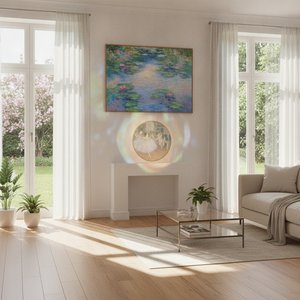
Painting with Light: How Impressionist Masterpieces Transform Your Home's Mood
Discover how Impressionist masterpieces transform your home's mood. Explore the luminous beauty of Monet and Renoir through our exquisite, hand-painted oil reproductions designed to bring light, warmth, and timeless elegance to your living space.