
![[shoe Chair] — Birgit Jürgenssen](/media/artworks/images-full/88/b3/88b3611dee4116311e4230dae13c736e.jpg)
 Αποστολή
 Κοινοποίηση
 Λεπτομέρειες
 Οδηγός

 Λήψη
Λήψη
 Παρόμοια αντικείμενα συλλογής
 Παρουσίαση
 Στατιστικά
[Shoe Chair]


 Περισσότερα λεπτομέρεια
Το έργο τέχνης που εμφανίζεται σε αυτή τη σελίδα προστατεύεται από τους νόμους περί πνευματικών δικαιωμάτων, γεγονός που σημαίνει ότι δεν μπορούμε νομικά να δημιουργήσουμε ή να πουλήσουμε μια ταυτόσημη αναπαραγωγή του. Αυτή η προστασία επιβάλλεται βάσει διεθνών συμφωνιών, όπως η Σύμβαση της Βέρνης καθώς και από τους εθνικούς νόμους, συμπεριλαμβανομένων αυτών που ορίζονται από το Νομοθεσία περί πνευματικών δικαιωμάτων των ΗΠΑ - Τίτλος 17. Όλα τα δικαιώματα κατοχυρωμένα. Απαγορεύεται η αναπαραγωγή χωρίς άδεια.
Ως μια σεβαστή και νόμιμη εναλλακτική, προσφέρουμε προσαρμοσμένα, χειροποίητα έργα τέχνης εμπνευσμένα από το πρωτότυπο. Οι έμπειροι και επαγγελματίες καλλιτέχνες μας μελετούν προσεκτικά το στυλ, τη διάθεση και την καλλιτεχνική ουσία του πρωτοτύπου, ώστε να δημιουργήσουν ένα νέο, μοναδικό έργο που προκαλεί την ίδια αίσθηση — παραμένοντας όμως μια πρωτότυπη δημιουργία από μόνη της.
Αυτή η μέθοδος συμμορφώνεται πλήρως με τους κανονισμούς περί πνευματικών δικαιωμάτων, καθώς δεν περιλαμβάνει την αντιγραφή ή την αναπαραγωγή του προστατευόμενου έργου. Αντίθετα, πρόκειται για μια δημιουργική ερμηνεία — ένα νέο έργο που επηρεάζεται από το πρωτότυπο, χωρίς όμως να είναι πανομοιότυπο με αυτό.
Χειροποίητη Αναπαραγωγή σε Έλαιο
Χειροποίητη ελαιογραφία σε καμβά στο δικό σας μέγεθος και πλαίσιο, κατά παραγγελία από τους καλλιτέχνες μας. ( Μετάβαση σε Εκτυπώσεις Μετάβαση σε Ψηφιακή Εικόνα)




































Επιλέξτε από τις προκαθορισμένες διαστάσεις μας που διατηρούν τις αρχικές αναλογίες του έργου τέχνης.

Πληκτρολογήστε το πλάτος και το ύψος που επιθυμείτε, ώστε να ταιριάζουν στο κάδሮ ή στον τοίχο σας. Ε เนื่องจาก πρόκειται για χειροποίητη ζωγραφική, σε περίπτωση διαστάσεων με διαφορετικό σχήμα, ο καλλιτέχνης μπορεί να ζωγραφίσει λίγο παραπάνω γύρω από το έργο ή να αφαιρέσει ένα μέρος — η επιλογή είναι δική σας. Σας στέλνουμε ένα ψηφιακό mockup για έγκριση πριν ξεκινήσει η δημιουργία του έργου. Η εικόνα που εμφανίζεται σε αυτή τη σελίδα δεν δείχνει το τελικό αποτέλεσμα — μόνο το mockup το αναδεικνύει.
Μετά την παραγγελία, η ομάδα του OriginalUniqueArt.com θα στείλει email στον πελάτη με οδηγίες και θα παρέχει μια προεπισκόπηση προσχεδίου
Παγκόσμια Αποστολή () σε 3-4 εβδομάδες αντί για τις συνήθεις 5 εβδομάδες. (23 Οκτώβριος). Χωρίς συμβιβασμούς στην ποιότητα.

Δωρεάν γρήγορη διεθνής αποστολή

Κάμβας από Λινό Υψηλής Ποιότητας

Πλήρης ασφάλιση μεταφοράς

Εγγύηση επιστροφής δασμών και φόρων εισαγωγής

Εγγύηση Απόλυτης Ομοιότητας Χρωμάτων

Πολιτική Επιστροφής 100 Ημερών (Μόνο σε περίπτωση ελαττωμάτων)

Εγγύηση επιστροφής 100% των χρημάτων

Έκπτωση για πολλαπλές παραγγελίες
 Η επιλογή με γυαλί είναι διαθέσιμη μόνο για μεγέθη κάτω από 110 εκ.
![[Shoe Chair]](/static/images/originaluniqueart/artworks/painting.a1e74a1cb7dc.png)
[Shoe Chair]
Τεχνική Αναπαραγωγής
Διαστάσεις Αναπαραγωγής
-


Συνολικό Κόστος
€ 264
Birgit Jürgenssen’s “Shoe Chair”: A Study in Ambiguity and Feminist Critique
Birgit Jürgenssen's "Shoe Chair," created in 1974, is more than just a sculptural juxtaposition of a chair and a stiletto; it’s a potent statement born from the fertile ground of feminist art movements and a profound exploration of gender roles, physicality, and the very nature of objectification. Emerging from Vienna's vibrant avant-garde scene in the 1970s, Jürgenssen, a key member of DIE DAMEN collective – alongside figures like Evelyne Egerer and ONA B. – was relentlessly committed to challenging societal norms through her work, often employing unconventional materials and provocative imagery. “Shoe Chair” exemplifies this approach, presenting a deliberately unsettling hybrid that forces the viewer to confront uncomfortable questions about identity and representation.
- Conceptual Foundation: The sculpture’s genesis lies in Jürgenssen's interest in identifying with the material world, particularly through the lens of feminine experience. She sought to reveal the latent power residing within objects, using them as vehicles for exploring ideational depictions of the female form and its associated societal pressures.
- Symbolic Dichotomy: The pairing of a chair – traditionally representing rest, support, and domesticity – with a stiletto heel – intrinsically linked to femininity, status, and often, objectification – immediately establishes a complex tension. This deliberate discordance is central to the work’s impact.
Materiality and Technique: A Study in Contrasts
The physical construction of “Shoe Chair” speaks volumes about Jürgenssen's artistic intent. Likely crafted from wood, leather, and possibly fabric, the sculpture showcases a masterful manipulation of contrasting textures. The smooth, supple leather of the shoe’s straps and sole is juxtaposed against the more rugged, natural texture of the wooden chair frame. This tactile interplay isn’t merely aesthetic; it reinforces the core thematic conflict – the delicate vulnerability of the feminine form versus the assertive power symbolized by the stiletto.
- Photographic Representation: The photograph itself, a meticulously executed image capturing this complex object, utilizes soft, diffused lighting to minimize harsh shadows and highlight the sculpture’s intricate details. The perspective is straightforward, offering a frontal view that emphasizes the work's three-dimensionality despite its two-dimensional presentation.
- Compositional Choices: The slightly off-center placement of the sculpture creates visual interest while maintaining a sense of balance. The strong vertical lines of the chair’s legs and backrest are deliberately countered by the diagonal lines introduced by the stiletto heel, generating a dynamic tension within the composition.
Historical Context and Emotional Resonance
"Shoe Chair" was created during a pivotal moment in art history – the rise of feminist body art and the questioning of traditional artistic representations of women. Jürgenssen’s work aligns with the broader concerns of DIE DAMEN, who sought to reclaim agency and challenge patriarchal structures through their creative practices. The sculpture's ambiguity evokes feelings of unease and contemplation, prompting viewers to consider the ways in which objects can be imbued with symbolic meaning and how these meanings are shaped by societal expectations.
- Legacy: Jürgenssen’s exploration of gender roles continues to resonate today, solidifying her position as a pioneer of feminist art.
Collecting and Displaying – A Statement Piece
A hand-painted reproduction of Birgit Jürgenssen's “Shoe Chair” offers a unique opportunity to own a piece of challenging and thought-provoking contemporary art. This sculpture’s inherent ambiguity, combined with its masterful execution, makes it an ideal addition to any discerning collection or interior space. Its powerful symbolism invites dialogue and serves as a constant reminder of the ongoing struggle for gender equality and artistic freedom.
Ερωτήσεις & Απαντήσεις
Πώς συνδέεται το θέμα του "[Shoe Chair]" με τα συνηθισμένα θέματα του Birgit Jürgenssen;
Ανάμεσα στα καταγεγραμμένα θέματα του/της Birgit Jürgenssen - feminist damen group, gendered object relations, social critique, power, exploring female subjectivity, conceptual body art - το "[Shoe Chair]" εστιάζει ιδιαίτερα στα feminist art, sculptural hybrid, gender roles, object symbolism, conceptual sculpture, birgit jürgenssen, stiletto chair.
Σε τι μέγεθος συνιστάται να εκτυπωθεί το "[Shoe Chair]";
Για το έργο "[Shoe Chair]" προτείνεται μέγεθος εκτύπωσης Large. Διατίθενται και άλλα μεγέθη με τις ίδιες αναλογίες.
Πού μπορώ να αγοράσω ένα εκτύπωμα του "[Shoe Chair]" του Birgit Jürgenssen;
Το έργο "[Shoe Chair]" είναι διαθέσιμο ως ένα εκτύπωμα fine art σε βαμβακερό καμβά ή σε αρχειοθετητικό χαρτί καμβά. Οι παραγγελίες πραγματοποιούνται στη σελίδα Καλλιτεχνικό Έντυπο, στο μέγεθος που επιλέξετε.
Βιογραφικό Καλλιτέχνη
Birgit Jürgenssen: A Pioneer of Feminist Body Art
Birgit Jürgenssen (1949 – 2003) was an Austrian photographer, painter, graphic artist, curator and teacher who specialized in feminine body art with self-portraits and photo series. She emerged from the Viennese avant-garde scene of the late 1960s and early 1970s, a period marked by intense debates surrounding gender roles and artistic expression. Her work stands apart for its uncompromising exploration of female subjectivity and its critique of societal constraints—themes that continue to resonate with contemporary artists and scholars alike.- Early Life and Education: Born in Vienna, Austria in 1949, Jürgenssen pursued her artistic education at the University of Applied Arts Vienna between 1968 and 1971. This formative period exposed her to influential figures within Viennese art discourse and instilled a commitment to challenging conventional perspectives.
- The Magna Feminismus Exhibition: Her breakthrough came in 1975 with participation in the *MAGNA-Feminismus: Kunst und Kreativität* exhibition, organized by Valie Export. This landmark event showcased a diverse range of feminist artworks, and Jürgenssen’s photograph *Housewives’ Kitchen Apron*, featuring a sculpture of an apron in the shape of an oven—a deliberate inversion of domestic iconography—immediately established her reputation as a bold innovator.
Artistic Style and Recurring Themes
Jürgenssen's artistic style was characterized by meticulous detail and psychological depth. She employed photography extensively, often combining it with drawing and sculpture to create multi-layered artworks that interrogated the complexities of female experience. Her recurring motifs—the female body transformed through various mediums—served as a vehicle for confronting issues of identity, vulnerability, and resistance. Notably, her self-portraits frequently depicted women adorned in furs or masks, symbolizing an attempt to escape oppressive societal codes and embrace primal instincts. The image *I Want Out Of Here!*, captured in 1976, powerfully conveyed the feeling of entrapment—a central preoccupation throughout her oeuvre.- Notable Works: Among her most celebrated pieces are *10 Days – 100 Photos* (1980), a series documenting the daily life of women in Vienna, and *Untitled (Self with Little Fur)* (1974–77), which exemplifies her fascination with exploring feminine vulnerability through symbolic imagery. Her sculptures, such as *Nest* (1979/2002)—a meticulously crafted piece featuring a nest filled with two eggs—further underscored her commitment to confronting societal expectations regarding motherhood and femininity.
Teaching and Curatorial Contributions
Jürgenssen’s influence extended beyond her own artistic practice. She served as lecturer and curator at the University of Applied Arts Vienna and the Academy of Fine Arts Vienna, nurturing a new generation of artists interested in feminist perspectives. Her estate—managed by Hubert Winter—included a vast collection of drawings, watercolor paintings, photogrammes, screens, solar graphics, and objects from various collections—a testament to her prolific creativity and intellectual curiosity.Legacy and Recognition
Birgit Jürgenssen’s photographic works numbered 250 and were exhibited in a retrospective held by the Sammlung Verbund and the Bank Austria Art Forum. Her contribution to feminist art was recognized as “outstanding international representatives of the feminist avant-garde,” cementing her place within the history of contemporary art. Her legacy continues to inspire artists and scholars who grapple with questions of gender, identity, and artistic expression—a testament to the enduring power of her uncompromising vision.
Birgit Jürgenssen
1949 - 2003 , Austria
Στοιχεία καλλιτέχνη
- Full Name: Birgit Jürgenssen
- Nationality: Austrian
- Date Of Birth: 1949
- Date Of Death: 2003
- Place Of Birth: Vienna, Austria
- Notable Artworks:
- Shoe Chair
- Nest
- Artistic Movement Or Style: Feminist Avant-garde
- Artists Who Influenced This Artist: ['Valie Export']
- Artists Or Movements Influenced By This Artist: ['Actionism']
Σχετικά άρθρα

The Enduring Form: Exploring Themes & Techniques in Sculpture Across Historical Periods
Explore the rich history of sculpture from ancient masterpieces to contemporary innovations. Discover key techniques, influential artists & investment potential for discerning art collectors.

The Enduring Form: Sculpture Across History, Technique & Emotional Resonance
Explore the rich history of sculpture with OriginalUniqueArt. Discover key techniques, influential artists & investment potential for discerning collectors. Expert insights into valuing and collecting timeless masterpieces.

Οι 10 Κορυφαίοι Χάλκινοι Αγάλματα που Άλλαξαν την Ιστορία της Τέχνης | OriginalUniqueArt.gr
Ανακαλύψτε τα 10 θρυλικά χάλκινα αγάλματα που διαμόρφωσαν την τέχνη! Από τον Rodin στον Michelangelo, εξερευνήστε ιστορίες, τεχνικές & αισθητική. Βρείτε αντίγραφα υψηλής ποιότητας για το σπίτι σας στην OriginalUniqueArt.com.
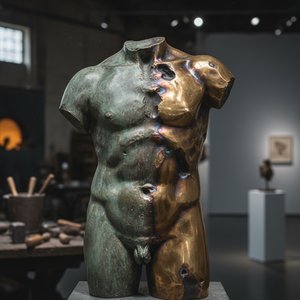
Η Διαχρονική Κληρονομιά της Χάλκινης Γλυπτικής: Ιστορία, Τεχνικές & Σύγχρονες Ερμηνείες
Εξερευνήστε την ιστορία και τις τεχνικές της χάλκινης γλυπτικής, από την αρχαιότητα έως τη σύγχρονη τέχνη. Συμβουλές για συλλέκτες και επενδυτές. Ανακαλύψτε την διαχρονική αξία του μπρούτζου.

Οι 10 Κορυφαίοι Χάλκινοι Θρύλοι που Άλλαξαν την Τέχνη – Έμπνευση για το Σπίτι σας
Ανακαλύψτε τα 10 θρυλικά χάλκινα γλυπτά που επαναπροσδιόρισαν την τέχνη! Ιστορίες από Rodin, Degas & άλλους μεγάλους καλλιτέχνες. Βρείτε αναπαραγωγές υψηλής ποιότητας για να εμπνεύσετε το σπίτι σας. Εξερευνήστε τη συλλογή στο OriginalUniqueArt.com.