- Αρχική

- Αναπαραγωγή Πινάκων Λαδιού
- Μπάρμπαρα Χέπγουορθ
- Sun Setting
 Προεπισκόπηση
 Αποστολή
 Κοινοποίηση
 Λεπτομέρειες

 Λήψη
Λήψη
 Παρόμοια έργα
 Ακτινογραφία
 Παρουσίαση
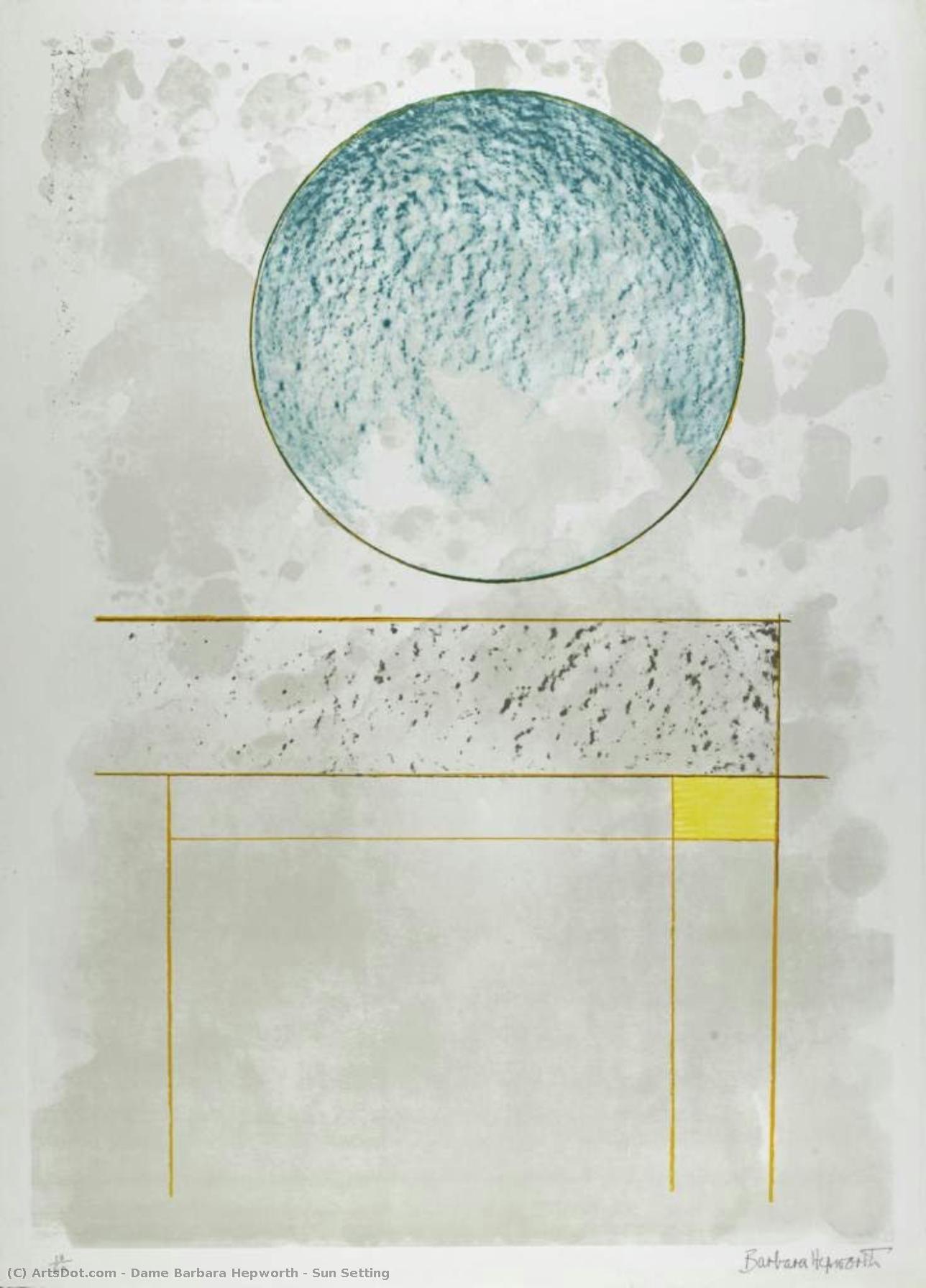
Sun Setting
 Acrylic On Canvas
- WallArt
- Surrealism
 1971
1971 75.0 x 54.0 cm
 The Hepworth Wakefield
 Περισσότερα λεπτομέρεια
Χειροποίητη Αναπαραγωγή σε Έλαιο
Χειροποίητη α óleo σε καμβά στο δικό σας μέγεθος και πλαίσιο, κατά παραγγελία από τους καλλιτέχνες μας. ( Μετάβαση στην Εκτύπωση Μετάβαση σε Εικόνα)




P118B $10

P118H $10

P118W $10

P438Z $10

P508JH $12

P508YH $12

P805H $10

P805Z $10

P919BZ $10

P919G $10

P919XJ $10

P959ZH $10

P968JZ $12

W106C $8

W218G $10

W218JH $8

W218Y $10

W307PJ $10

W316G $10

W316PJ $8

W316Y $10

W398PJ $8

W4111J $10

W500HY $15

W500JH $15

W692G $12

W849H $8

W940BG $15

W953PJ $8




Επιλέξτε από τις προκαθορισμένες διαστάσεις μας που διατηρούν τις αρχικές αναλογίες του έργου τέχνης.

Μπορείτε να εισάγετε δικές σας διαστάσεις για να ταιριάξετε το έργο με ένα συγκεκριμένο πλαίσιο ή χώρο. Εάν το επιλεγμένο μέγεθος δεν συμπίπτει με τις αναλογίες της αρχικής εικόνας, θα περικοψούμε το έργο τέχνης ή θα επεκτείνουμε τη ζωγραφιά με πρόσθετα χειρόγραφα στοιχεία. Ένα ψηφιακό προσχέδιο θα σας σταλεί για έγκριση πριν την έναρξη της παραγωγής.
Παρακαλούμε σημειώστε ότι η προεπισκόπηση στην οθόνη δεν αντικατοπτρίζει την πραγματική περικοπή ή επέκταση. Μόνο το προσχέδιο θα δείξει με ακρίβεια την τελική σύνθεση.
Παρόλο που είναι διαθέσιμα προσαρμοσμένα μεγέθη, συνιστούμε να επιλέξετε μια διάσταση από τη λίστα των προκαθορισμένων μεγεθών για τη διατήρηση των αρχικών αναλογιών.
Μετά την παραγγελία, η ομάδα του OriginalUniqueArt.com θα στείλει email στον πελάτη για οδηγίες και θα παρέχει μια προεπισκόπηση προσχεδίου
Παγκόσμια Αποστολή () σε 3/4 εβδομάδες αντί για τις συνήθεις 5 εβδομάδες. (1 Αύγουστος). Χωρίς συμβιβασμούς στην ποιότητα.

Δωρεάν Παγκόσμια Αποστολή Express

Κάμβας από Λινό Υψηλής Ποιότητας

Πλήρης ασφάλιση μεταφοράς

Εγγύηση Επιστροφής Δασμών και Φόρων

Εγγύηση Απόλυτης Ομοιότητας Χρωμάτων

Πολιτική Επιστροφής 60 Ημερών (Μόνο σε περίπτωση ελαττωμάτων)

Εγγύηση επιστροφής 100% των χρημάτων

Έκπτωση για πολλαπλές παραγγελίες
 Η επιλογή με γυαλί είναι διαθέσιμη μόνο για μεγέθη κάτω από 110 εκ.

Sun Setting
Τεχνική Αναπαραγωγής
Διαστάσεις Αναπαραγωγής
-


Τελική Τιμή
$ 300
Περιγραφή Έργου
Barbara Hepworth’s Sun Setting: A Meditation on Form and Light
Barbara Hepworth (1903 – 1975), a titan of British sculpture, produced works that transcended mere representation, delving into the profound interplay between form, space, and human experience. “Sun Setting,” created in 1971, exemplifies this ethos—a deceptively simple geometric abstraction imbued with layers of meaning rooted in Hepworth’s exploration of materiality and her engagement with Zen Buddhism.
The artwork itself is a striking circular composition dominated by a luminous yellow line bisecting a deep blue disc. Executed on paper using lithography, a technique known for its precision and tonal subtlety, the print captures Hepworth's signature style: reductive abstraction—the stripping away of extraneous detail to reveal fundamental sculptural principles.
- Material & Technique: Lithograph on paper demonstrates Hepworth’s mastery of printmaking. The careful application of ink ensures a velvety surface texture, mirroring the tactile qualities of her monumental sculptures crafted from stone and bronze.
- Geometric Simplicity: The circular form references the Buddhist concept of mandala—a symbol representing wholeness and cosmic order—suggesting an aspiration towards serenity and balance.
- Color Palette: The dominant blue evokes contemplation and depth, while the yellow line symbolizes illumination and warmth, creating a dynamic tension that embodies Hepworth’s fascination with contrasting elements.
- Historical Context: Produced during Hepworth's prolific period of artistic output—particularly after her groundbreaking collaboration with Hans Peter Wild—the print reflects the broader modernist movement’s rejection of illusionistic representation in favor of exploring pure form and materiality.
Beyond its formal qualities, “Sun Setting” resonates with an emotional core. Hepworth herself described her sculptures as "attempts to make something that is not quite what it looks like," prioritizing feeling over visual accuracy. This print embodies that spirit—inviting viewers to engage in a silent dialogue with the artwork’s essence and allowing them to contemplate its enduring beauty.
Displayed prominently at The Hepworth Wakefield museum, this reproduction offers an exceptional opportunity to appreciate Hepworth's artistic vision and contribute to the preservation of her legacy. Its understated elegance speaks volumes about the artist’s commitment to distilling complex ideas into powerfully evocative visual forms.
Βιογραφία Καλλιτέχνη
Early Life and Artistic Influences
Barbara Hepworth (1903–1975) was born Jocelyn Barbara Hepworth on January 10, 1903, in Wakefield, Yorkshire—the eldest child of Herbert and Gertrude Johnson Hepworth. Her father, a civil engineer for the West Riding County Council, instilled in her a fascination with geometric forms and spatial relationships from an early age. Growing up in rural Yorkshire profoundly shaped her artistic sensibilities, fostering a deep connection to the landscape and its rhythms. Hepworth’s formative years were marked by exposure to influential figures and ideas. Her father's profession exposed her to precision and engineering principles—concepts that would later inform her sculptural explorations. Equally significant was her friendship with Henry Moore, whom she met at Leeds School of Art in 1920. Together they embarked on a shared artistic journey, recognizing the power of abstraction as a means of conveying emotion and exploring fundamental questions about form and materiality. The influence of Surrealism—particularly its emphasis on dreamlike imagery and subconscious exploration—became palpable during her time studying at the Royal College of Art in London (1921–24), where she honed her skills alongside fellow artists like Moore and Nicholson.Career Development: From Abstraction to Monumental Sculpture
Hepworth’s artistic trajectory began with a commitment to direct carving—a technique championed by Skeaping that prioritized working directly on the material, bypassing preliminary sketches or models. This approach allowed her to respond intuitively to the inherent qualities of stone and wood, capturing their textures and contours in ways that defied conventional representation. Her early sculptures—characterized by simplified geometric shapes—reflected the prevailing modernist aesthetic of the period, aligning with the broader movement’s rejection of academic conventions. The collaboration with Ben Nicholson proved pivotal in shaping Hepworth's artistic vision. Their shared exploration of abstraction extended beyond mere stylistic considerations; it encompassed a deeper engagement with philosophical ideas about perception and experience. As Hepworth herself eloquently expressed, “All my early memories are of forms and shapes and textures. Moving through and over the West Riding landscape with my father in his car, the hills were sculptures; the roads defined the forms.” This profound connection to the natural world—expressed through her art—became a recurring motif throughout her oeuvre.Notable Works and Exhibitions
Hepworth’s artistic reputation soared during the Second World War when she relocated to St Ives, Cornwall, alongside Nicholson. The tranquility of the Cornish coast provided inspiration for her sculptures, which increasingly incorporated elements of organic form—particularly strings and wires—to create dynamic tensions between mass and space. Her monumental sculpture *Winged Figure* (1961–3), commissioned by John Lewis for their Oxford Street flagship store, stands as a testament to her ambition and technical prowess. It exemplifies Hepworth’s masterful manipulation of material—aluminum—to achieve an ethereal lightness that defies its considerable size. Her sculptures were showcased in prestigious international exhibitions, cementing her status as one of the foremost artists of her generation. The Hepworth Wakefield houses a comprehensive collection of Hepworth's works, offering visitors a unique opportunity to immerse themselves in her artistic legacy. Furthermore, her lithographs—produced during her later years—demonstrate her continued exploration of printmaking techniques and her unwavering dedication to conveying profound emotional resonance through visual imagery.Legacy and Recognition
Barbara Hepworth’s influence extends far beyond the realm of sculpture itself. Her pioneering approach to abstraction challenged prevailing artistic conventions, paving the way for subsequent generations of artists to embrace experimental forms and techniques. She was awarded the Dame Commander Order of the British Empire in 1958—a recognition of her contribution to British art and culture—and continued to produce groundbreaking works until her untimely death in a fire at her studio in Hampstead in 1975. Hepworth’s sculptures remain revered for their elegance, simplicity, and ability to evoke contemplation—serving as enduring symbols of modernist artistic innovation and humanist sensitivity.
Μπάρμπαρα Χέπγουορθ
1903 - 1975 , Ηνωμένο Βασίλειο
Σημαντικά στοιχεία
- Artistic Movement Or Style: Μοντερνισμός
- Artists Or Movements Influenced By This Artist: ['Αβστρακτική Τέχνη']
- Artists Who Influenced This Artist: ['Χένρι Μουρ']
- Date Of Birth: 10 Ιανουαρίου 1903
- Full Name: Jocelyn Barbara Hepworth
- Nationality: Αγγλική
- Notable Artworks:
- Περικυκλωμένη Σχήμα Ι
- Δύο Σχήματα
- Place Of Birth: Wakefield, Αγγλία
Σχετικά Άρθρα

Richard Lindner: Pop Art's Intimate Narratives of Modern Alienation & Desire
Explore the captivating world of Richard Lindner, a pivotal Pop Art figure. Discover his unique style, symbolic depth, collecting insights & lasting influence on contemporary art. Expert analysis for collectors.
Barbara Hepworth: A Sculptural Dialogue with Form, Space & the Human Condition
Explore the profound world of Barbara Hepworth's sculpture. Discover her artistic evolution, iconic forms, and lasting influence on modern art. A guide for collectors & enthusiasts.
Πέρα από τον Κανένα: Ένας Σύγχρονος Οδηγός Επένδυσης σε Αφηρημένες Αναπαραγωγές Τέχνης – Πλοηγώντας την Αξία, την Αυθεντικότητα και την Προσωπική Έκφραση
Επενδύστε με ασφάλεια σε αφηρημένη τέχνη! Οδηγός για αυθεντικότητα, αξία & επιλογή έργων. Εξειδικευμένες συμβουλές και αξιόπιστες πληροφορίες για συλλέκτες και λάτρεις της τέχνης.

The Enduring Allure of Marble in Art History: From Classical Sculpture to Modern Abstraction
Explore the captivating history of marble sculpture from ancient Greece to modern art. Discover renowned artists like Canova & Michelangelo, carving techniques, and investment insights at OriginalUniqueArt.
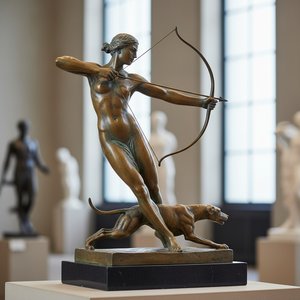
Paul Manship: Reassessing the Master of American Art Deco Sculpture
Explore the captivating world of Paul Manship, a leading figure in American Art Deco sculpture. Discover his iconic works like Prometheus, influence on modernism, and investment potential. Expert insights for collectors.