

 Δείτε σε πραγματικό χώρο
 Αποστολή
 Κοινοποίηση
 Λεπτομέρειες

 Λήψη
Λήψη
 Παρόμοια αντικείμενα συλλογής
 Ακτινογραφία
 Παρουσίαση
Mounted Warriors
 1930
1930 29.0 x 36.0 cm
 Διαβάστε περισσότερα
Giclée / Εκτυπώσεις Τέχνης
Εκτύπωση giclée ή σε καμβά ποιότητας μουσείου με γρήγορη παραγωγή και ευέλικτες επιλογές φινιρίσματος. ( Αγορά χειροποίητου πίνακα Αγορά ψηφιακής εικόνας)




































Επιλέξτε από τις προκαθορισμένες διαστάσεις μας που διατηρούν τις αρχικές αναλογίες του έργου τέχνης.

Μπορείτε να εισαγάγετε δικές σας διαστάσεις ώστε να ταιριάξουν με ένα συγκεκριμένο πλαίσιο ή χώρο. Εάν το επιλεγμένο μέγεθος δεν συμπίπτει με τις αναλογίες της πρωτότυπης εικόνας, θα κόψουμε το έργο τέχνης ή θα επεκτείνουμε την εικόνα με καθρεφτισμένη ή μονόχρωμη ατέλεια. Θα σας αποσταλεί ένα ψηφιακό mockup για έγκρισή σας πριν από την έναρξη της παραγωγής.
Παρακαλούμε σημειώστε ότι η προεπισκόπηση στην οθόνη δεν αντικατοπτρίζει την πραγματική κοπή ή επέκταση. Μόνο το mockup θα δείξει με ακρίβεια την τελική σύνθεση.
Παρόλο που είναι διαθέσιμες προσαρμοσμένες διαστάσεις, προτείνουμε την επιλογή μιας διάστασης από τη προκαθορισμένη λίστα για τη διατήρηση των αρχικών αναλογιών.
Παγκόσμια Αποστολή () σε 2 εβδομάδες αντί για τις συνήθεις 4/5 εβδομάδες. (30 Αύγουστος)

Δωρεάν γρήγορη διεθνής αποστολή

Κάμβας από Λινό Υψηλής Ποιότητας

Πλήρης ασφάλιση μεταφοράς

Εγγύηση Επιστροφής Δασμών και Φόρων

Εγγύηση Απόλυτης Ομοιότητας Χρωμάτων

Πολιτική Επιστροφής 60 Ημερών (Μόνο σε περίπτωση ελαττωμάτων)

Εγγύηση επιστροφής 100% των χρημάτων

Προσφορά για μαζικές παραγγελίες
 Η επιλογή με γυαλί είναι διαθέσιμη μόνο για μεγέθη κάτω από 110 εκ.

Mounted Warriors
Giclée / Εκτυπώσεις Τέχνης
Διαστάσεις Αναπαραγωγής
-


Συνολική Τιμή
$ 80
Artist Background
Awa Tsireh was a renowned Pueblo painter from San Ildefonso Pueblo, New Mexico. He was one of the first Pueblo artists to gain recognition from the Santa Fe art community. His work was heavily influenced by his Native American heritage and the modernist art style of the time. You can find more information about Awa Tsireh on our website: https://OriginalUniqueArt.com/@/Awa-Tsireh.The Painting
Mounted Warriors depicts two Native American men riding horses in a desert landscape. The painting is characterized by its vibrant colors and intricate details. The use of watercolor gives the piece a sense of fluidity and movement, while the ink outlines add a touch of elegance and sophistication. The painting is currently housed at the Smithsonian American Art Museum in Washington, D.C.Symbolism and Significance
The painting Mounted Warriors holds significant cultural and symbolic meaning. The two riders represent strength, courage, and freedom. The horses symbolize power and mobility, while the desert landscape represents the vastness and beauty of Native American territory. You can learn more about the symbolism behind this painting by visiting our website: /art/list/?Filter=AQTU8M-Awa-Tsireh-Mounted-Warriors.- Technique: Watercolor and ink on paperboard
- Size: 29 x 36 cm
- Date: 1930
- Museum: Smithsonian American Art Museum
In conclusion, Mounted Warriors by Awa Tsireh is a remarkable painting that showcases the artist's unique style and technique. Its cultural significance and symbolic meaning make it a valuable piece of Native American art history.
Βιογραφία Καλλιτέχνη
Awa Tsireh: A Pioneer of San Ildefonso Painting
Born in 1898 into the heart of the San Ildefonso Pueblo, Awa Tsireh (also known as Alfonso Roybal and Cattail Bird) emerged as one of the most significant figures in Southwestern Native American art. His journey was not one of formal academic training—he left school after grade school—but rather a deeply rooted apprenticeship within his culture, honed through observation, familial tradition, and the guidance of influential mentors. This self-taught approach, combined with a keen eye for detail and a profound connection to Pueblo cosmology, shaped an artistic style that remains both strikingly modern and profoundly evocative.
Early influences were subtle yet formative. His mother, Alfonsita Martinez, was a skilled potter, and Awa Tsireh is believed to have learned the fundamentals of design and imagery directly from her work. His uncle, Cresencio Martinez, further nurtured his artistic sensibilities by creating watercolor paintings depicting dances and animals—a practice that provided Awa Tsireh with invaluable experience in capturing movement and narrative within a small format. Crucially, he benefited from the instruction of Elizabeth Willis DeHuff, an educator who recognized his talent and offered him access to paints and paper, fostering a nascent artistic voice.
A pivotal moment arrived in 1917 when American artist William Penhallow Henderson, captivated by Awa Tsireh’s burgeoning skills, painted a portrait of the young artist. This image, now held by the New Mexico Museum of Art, stands as a testament to Henderson's recognition of Awa Tsireh’s potential and marked the beginning of his exposure to the wider art world. Alice Corbin Henderson, William’s wife, became a devoted patron, championing his work and providing him with essential resources, including access to high-quality materials and studio space.
The Intersection of Tradition and Modernism
Awa Tsireh's artistic development was characterized by a fascinating dialogue between traditional Pueblo aesthetics and the burgeoning modernist movement in America. He skillfully blended geometric patterns—a hallmark of Pueblo design—with bold colors, simplified forms, and a distinctly linear style. This synthesis created a visual language that was both deeply rooted in his cultural heritage and refreshingly contemporary.
His work frequently depicted scenes from daily life within the Pueblo community: ceremonial dances, hunting expeditions, and intimate moments of family interaction. These subjects were rendered with remarkable precision and symbolic depth. Awa Tsireh’s use of color—particularly vibrant reds, yellows, and blues—was particularly striking, creating a dynamic visual experience that drew viewers in. He was not simply documenting reality; he was translating it into a powerful visual language imbued with spiritual significance.
A Diverse Artistic Practice
While primarily known for his watercolors, Awa Tsireh’s artistic practice extended far beyond this medium. He demonstrated remarkable versatility, working in silver and gemstone art, creating intricate jewelry and decorative objects. His silversmithing skills were particularly noteworthy, reflecting a deep understanding of form and texture. Newspaper articles from the early 1930s consistently described him as a painter, silversmith, and even a dancer—a testament to his multifaceted talents and his ability to seamlessly integrate different artistic disciplines.
A significant chapter in Awa Tsireh’s career unfolded during the summer months when he sought employment at Garden of the Gods Trading Post in Colorado Springs. This extended period of residency provided him with a steady income, access to a wider audience, and opportunities to refine his craft. The trading post became a hub for Native American artists from across the Southwest, fostering a vibrant exchange of ideas and techniques.
Legacy and Recognition
Awa Tsireh’s work gained increasing recognition throughout the 1930s and 40s, culminating in exhibitions at prestigious venues such as the Arts Club of Chicago and the Museum of Modern Art in New York City. His paintings were celebrated for their originality, technical skill, and profound connection to Native American culture. The Smithsonian American Art Museum currently holds a significant collection of his works, ensuring that his artistic legacy will continue to be appreciated for generations to come.
His influence extends beyond the realm of art history. Dr. Edgar Lee Hewett, a pioneering anthropologist and museum director, played a crucial role in supporting Awa Tsireh’s artistic development, providing him with studio space and advocating for his work within the broader cultural community. Awa Tsireh's story exemplifies the power of patronage, mentorship, and the enduring value of preserving and celebrating Native American artistic traditions.
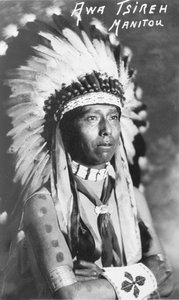
Awa Tsireh
1898 - 1955
Γρήγορα στοιχεία
- Artistic Movement Or Style: San Ildefonso Self-Taught
- Artists Or Movements Influenced By This Artist: ['Modernism']
- Artists Who Influenced This Artist: ['Elizabeth DeHuff']
- Date Of Birth: February 1, 1898
- Date Of Death: March 30, 1955
- Full Name: Awa Tsireh (Alfonso Roybal)
- Nationality: American (Pueblo)
- Notable Artworks:
- Running Horse
- Deer Dancer
- Place Of Birth: San Ildefonso Pueblo, NM

