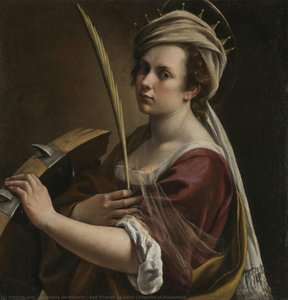
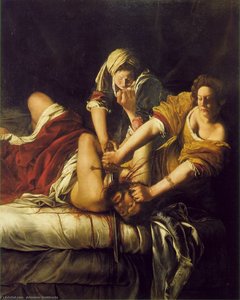
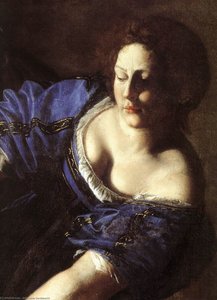
Preview
 Αγοράστε την αναπαραγωγή Αγορά ψηφιακής εικόνας
 Αποστολή
 Κοινοποίηση
 Λεπτομέρειες
 Προσθήκη στα αγαπημένα

 Λήψη
Λήψη
 Παρόμοια έργα
 Ακτινογραφία
 Παρουσίαση
Danaë


 Περισσότερα λεπτομέρεια
Giclée / Εκτυπώσεις Τέχνης
Εκτύπωση giclée ή σε καμβά ποιότητας μουσείου με γρήγορη παραγωγή και ευέλικτες επιλογές φινιρίσματος.




































Επιλέξτε από τις προκαθορισμένες διαστάσεις μας που διατηρούν τις αρχικές αναλογίες του έργου τέχνης.

Μπορείτε να εισαγάγετε δικές σας διαστάσεις ώστε να ταιριάξουν με ένα συγκεκριμένο πλαίσιο ή χώρο. Εάν το επιλεγμένο μέγεθος δεν συμπίπτει με τις αναλογίες της πρωτότυπης εικόνας, θα κόψουμε το έργο τέχνης ή θα επεκτείνουμε την εικόνα με καθρεφτισμένη ή μονόχρωμη ατέλεια. Θα σας αποσταλεί ένα ψηφιακό mockup για έγκρισή σας πριν από την έναρξη της παραγωγής.
Παρακαλούμε σημειώστε ότι η προεπισκόπηση στην οθόνη δεν αντικατοπτρίζει την πραγματική κοπή ή επέκταση. Μόνο το mockup θα δείξει με ακρίβεια την τελική σύνθεση.
Παρόλο που είναι διαθέσιμες προσαρμοσμένες διαστάσεις, προτείνουμε την επιλογή μιας διάστασης από τη προκαθορισμένη λίστα για τη διατήρηση των αρχικών αναλογιών.
Παγκόσμια Αποστολή () σε 2 εβδομάδες αντί για τις συνήθεις 4/5 εβδομάδες. (24 Ιούλιος)

Δωρεάν Παγκόσμια Αποστολή Express

Κάμβας από Λινό Υψηλής Ποιότητας

Πλήρης ασφάλιση μεταφοράς

Εγγύηση Επιστροφής Δασμών και Φόρων

Εγγύηση Απόλυτης Ομοιότητας Χρωμάτων

Πολιτική Επιστροφής 60 Ημερών (Μόνο σε περίπτωση ελαττωμάτων)

Εγγύηση επιστροφής 100% των χρημάτων

Έκπτωση για πολλαπλές παραγγελίες
 Η επιλογή με γυαλί είναι διαθέσιμη μόνο για μεγέθη κάτω από 110 εκ.

Danaë
Giclée / Εκτυπώσεις Τέχνης
Διαστάσεις Αναπαραγωγής
-


Τελική Τιμή
-
Περιγραφή Συλλεκτικού Αντικειμένου
Danaë: A Baroque Masterpiece of Texture and Emotion
Artemisia Gentileschi’s *Danaë* stands as an undeniable triumph of Baroque artistry, capturing not merely the narrative of Greek mythology but also the palpable physicality of human experience. Painted around 1612, this monumental oil on copper canvas transcends mere depiction; it embodies a profound understanding of light, shadow, and texture—elements meticulously orchestrated by Gentileschi to convey both psychological depth and visual splendor.
The Myth Revisited: Narrative and Symbolism
The story itself is fraught with tension. Danaë, Queen of Syracuse, defies her father Acrisius’s decree forbidding intimacy after an oracle prophesied his demise at the hands of his grandson Perseus. Zeus, captivated by Danaë's beauty, assumes human form and seduces her, resulting in the miraculous birth of Perseus—a victory over fate itself. Gentileschi skillfully translates this dramatic tale onto canvas, emphasizing the vulnerability of Danaë while simultaneously portraying her as a woman asserting agency against divine power.
Technique and Artistic Innovation
Gentileschi’s mastery is evident in her groundbreaking approach to painting technique. Unlike many artists of her time who favored idealized representations, Gentileschi embraced realism with unwavering conviction. The artist meticulously rendered textures—the shimmering gold strands of Danaë's hair, the opulent folds of the bedcover, and crucially, the scattered metal coins that symbolize Zeus’s divine intervention. These details aren’t merely decorative; they contribute to a sensory experience that immerses the viewer in the scene.
Light and Shadow: Caravaggio’s Legacy
Influenced by Caravaggio—a stylistic kinship that cemented Gentileschi's reputation as one of the foremost painters of her era—Gentileschi employs dramatic chiaroscuro, highlighting Danaë’s torso and emphasizing the contours of her body. The stark contrast between light and dark amplifies the emotional intensity of the composition, conveying both vulnerability and defiance. This masterful manipulation of light serves to sculpt the figure, drawing attention to its musculature and creating a palpable sense of presence.
Emotional Resonance: A Portrait of Female Resilience
*Danaë* is more than just a retelling of myth; it’s a powerful statement about female resilience and erotic desire. Gentileschi portrays Danaë with unwavering gaze, conveying both sorrow and determination—a testament to the artist's ability to capture complex psychological states. The painting’s enduring appeal lies in its exploration of themes that resonate across centuries: confronting patriarchal authority, embracing sensual experience, and asserting one’s own identity amidst circumstance.
Provenance and Significance
Acquired by Saint Louis Art Museum in 1986 from Morton Morris & Company Ltd., *Danaë* boasts a rich history marked by careful conservation efforts. Its current location allows visitors to appreciate this masterpiece firsthand, experiencing the brilliance of Gentileschi’s technique and contemplating its profound symbolic significance.
Βιογραφία Καλλιτέχνη
A Daughter of Rome: The Life and Art of Artemisia Gentileschi
Artemisia Gentileschi’s name echoes through the halls of art history, resonating not simply as that of a painter, but as an emblem of resilience, defiance, and extraordinary artistic talent in a world determined to silence female voices. Born in Rome in 1593, she entered a milieu steeped in artistry—her father, Orazio Gentileschi, was a respected painter deeply influenced by the revolutionary realism of Caravaggio. From her earliest years, Artemisia’s gift was undeniable, nurtured within her father's workshop where she absorbed techniques of composition and the dramatic use of light and shadow that would become hallmarks of her distinctive style. This formative training wasn’t merely about mastering brushstrokes; it was an immersion into a world of artistic ambition, one typically closed to women. Recognizing his daughter’s exceptional talent, Orazio provided opportunities unavailable to most females of the era, allowing her to study from life models—a crucial step in developing anatomical accuracy and expressive power.Shadows and Strength: Artistic Development
Gentileschi's artistic development was profoundly shaped by Caravaggio’s tenebrism—the stark contrast between light and darkness that imbued his paintings with an intense emotionality. Yet, she didn’t simply mimic her father or Caravaggio; she forged her own unique voice, characterized by a raw psychological depth and a compelling focus on female subjects often depicted with unprecedented agency and strength. Even in her early works, like *Susanna and the Elders* (1610), a biblical scene depicting Susanna being spied upon by two lecherous old men, Artemisia’s interpretation diverges from traditional portrayals. Here, Susanna isn't passively vulnerable; she displays a quiet dignity and resistance, foreshadowing the powerful female figures that would dominate her later oeuvre. But it is *Judith Slaying Holofernes* (existing in multiple versions between 1614-1620) that cemented her reputation as a master of dramatic narrative and psychological realism. The painting isn’t merely a depiction of violence; it's an exploration of courage, determination, and the righteous fury of a woman defending her people. The visceral intensity, the unflinching portrayal of the act itself, shocked and captivated audiences then—and continues to do so today. Her use of color, particularly the deep reds and blacks, combined with masterful chiaroscuro, created scenes that were both terrifying and deeply moving. She skillfully employed dramatic diagonals and dynamic compositions, drawing viewers directly into the heart of the action.A Trial by Fire: Trauma and Triumph
Artemisia’s life was irrevocably altered by a horrific event: her rape at the hands of Agostino Tassi, a fellow painter and colleague of her father. The ensuing trial (1611-1612) became a public spectacle, subjecting Artemisia to grueling questioning and societal scrutiny. While she bravely testified against Tassi, the proceedings were marred by bias and attempts to discredit her character. This trauma profoundly impacted her life and art, imbuing her work with an emotional intensity that some scholars believe is directly linked to her personal experiences. The trial itself became a symbol of the challenges faced by women seeking justice in a patriarchal society. Despite this ordeal, Artemisia refused to be defined by it. She continued to paint, moving between Rome, Florence, and Naples, establishing herself as a successful artist in her own right. In 1616, she achieved another milestone: becoming the first woman admitted to the Accademia del Disegno in Florence—a testament to her talent and perseverance. This achievement was not merely symbolic; it opened doors for future generations of female artists.Key Works & Artistic Style
Artemisia’s artistic style evolved significantly throughout her career, reflecting both her technical mastery and her growing confidence as an artist. Initially influenced by Caravaggio's dramatic realism, she gradually developed a more independent voice, characterized by a heightened sense of psychological depth and emotional intensity. Her paintings often feature strong female protagonists—not idealized goddesses but women grappling with complex emotions and challenging circumstances. *Susanna and the Elders* exemplifies her early style, showcasing a nuanced portrayal of Susanna’s resistance to the lecherous old men. *Judith Slaying Holofernes*, in its various versions, demonstrates her ability to convey both violence and heroism—the scene is not simply brutal but imbued with a sense of righteous anger and determination. Her later works, such as *Danaë* (c. 1636-1639), reveal a more mature style, characterized by a greater attention to detail and a sophisticated use of color and light. She was known for her ability to capture the textures of skin, fabric, and metal with remarkable realism. Her compositions are often dynamic and theatrical, drawing viewers into the drama of the scene.Legacy & Recognition
Artemisia Gentileschi’s career spanned decades, marked by both artistic innovation and personal resilience. She worked for prominent patrons, including the Medici family, and established a thriving workshop, proving that women could not only excel as artists but also succeed in a traditionally male-dominated profession. For centuries, her work was often overshadowed by the circumstances of her life, viewed through the lens of scandal rather than artistic merit. However, beginning in the 20th century, there has been a significant reevaluation of her art, recognizing her as one of the most important and innovative painters of the Baroque period. Her paintings are now celebrated for their emotional depth, dramatic realism, and powerful depictions of women—not as passive objects but as active agents in their own narratives. Artemisia Gentileschi is more than just an artist; she’s a feminist icon, a trailblazer who defied societal expectations and left behind a legacy that continues to inspire generations. Her story serves as a potent reminder of the importance of recognizing and celebrating the contributions of women throughout history—and of ensuring that their voices are never silenced again. She painted not just with her hands, but with her soul, leaving an indelible mark on the world of art.
Αρτεμισία Γεαννέτσκι
1593 - 1656 , Ιταλία
Σημαντικά στοιχεία
- Artistic Movement Or Style: Μπαρόκ ζωγραφική
- Artists Or Movements Influenced By This Artist:
- Φιλελεύθερη τέχνη
- Μπαρόκ ζωγράφοι
- Artists Who Influenced This Artist:
- Caravaggio
- Οrazio Gentileschi
- Date Of Birth: 1593
- Date Of Death: 1656
- Full Name: Artemisia Gentileschi
- Nationality: Ιταλική
- Notable Artworks:
- Ιουδήθ σφαγεί του Ολοφέρνη
- Σουσάννα και οι γέροντες
- Δανάη
- Place Of Birth: Ρώμη, Ιταλία
Σχετικά Άρθρα
Οι 25 Κορυφαίοι Θησαυροί του Metropolitan Museum of Art: Έμπνευση για το Σπίτι σας
Ανακαλύψτε τους 25 θησαυρούς του Metropolitan Museum of Art! Ιμπρεσιονισμός, Βαν Γκογκ, Μονέ & άλλα αριστουργήματα. Έμπνευση για διακόσμηση σπιτιού με πίνακες υψηλής ποιότητας. Εξερευνήστε την πλήρη συλλογή στο OriginalUniqueArt.com

Οι 25 Κορυφαίοι Θησαυροί του Detroit Institute of Arts: Έμπνευση για το Σπίτι σας
Ανακαλύψτε τους 25 θησαυρούς του Detroit Institute of Arts! Van Gogh, Monet, Rembrandt και άλλοι διάσημοι καλλιτέχνες. Ιστορίες τέχνης, τεχνικές & έμπνευση για το σπίτι σας. Βρείτε αναπαραγωγές υψηλής ποιότητας στο OriginalUniqueArt.com.

Οι 10 Κορυφαίοι Δάσκαλοι του Μπαρόκ: Έργα Τέχνης που Άλλαξαν την Ιστορία
Ανακαλύψτε τα 10 αριστουργήματα του Μπαρόκ! Πίνακες Καραβάτζιο, Ρέμπραντ & άλλων μεγάλων ζωγράφων. Ιστορία τέχνης, τεχνικές και έντονα χρώματα που καθόρισαν μια εποχή. Βρείτε την τέλεια αναπαραγωγή στο OriginalUniqueArt.com.
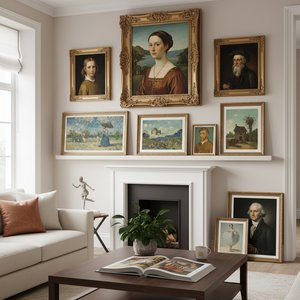
Οι 25 Κορυφαίοι Θησαυροί της Εθνικής Πινακοθήκης των ΗΠΑ: Έμπνευση για το Σπίτι σας
Ανακαλύψτε τους 25 θησαυρούς της Εθνικής Πινακοθήκης Τέχνης! Ιμπρεσιονισμός, μοντερνισμός & πίνακες Cézanne, Matisse, Picasso. Βρείτε έμπνευση για το σπίτι σας και υψηλής ποιότητας αναπαραγωγές στην OriginalUniqueArt.com.

James Abbott McNeill Whistler: Τα 25 Κορυφαία Έργα Τέχνης | OriginalUniqueArt.gr
Ανακαλύψτε τα 25 κορυφαία έργα τέχνης του James Abbott McNeill Whistler! Εξερευνήστε πίνακες, πορτρέτα & νυχτερινά τοπία που καθόρισαν τον Aestheticism. Υψηλής ποιότητας αναπαραγωγές στην OriginalUniqueArt.gr. Δείτε τη συλλογή!