Symbolist Painting · 1879
Spring Evening (Άρνολντ Μπέκλιν, 1879)
Ο/Η Άρνολντ Μπέκλιν (1827–1901) δημιούργησε το Spring Evening. Χρονολογείται στο 1879. Ανήκει στο κίνημα Symbolist Painting. Είναι φτιαγμένο σε Oil On Panel. Αποθηκεύεται στο Μουσείο Τέχνης Βουδαπέστης στο Βουδαπέστη, Ουγγαρία. Οι διαστάσεις είναι 67 × 129 cm.
- 1879
- Oil On Panel
- 67 × 129 cm
- Μουσείο Τέχνης Βουδαπέστης

 Προεπισκόπηση σε πραγματική κλίμακα

 Ελαιογραφικό Χειροποίητο Έργο
 Αποστολή
 Κοινοποίηση
 Πληροφοριακό φύλλο


 Λήψη
 Παρόμοια αντικείμενα συλλογής
 Ακτινογραφία
 Παρουσίαση
 Ερωτήσεις & Απαντήσεις

 Στατιστικά
Spring Evening, εν συντομία
- Τίτλος
- Spring Evening
- Καλλιτέχνης
- Άρνολντ Μπέκλιν (1827–1901)
- Γεννημένος/η το
- Βασιλεία, Ελβετία
- Ημερομηνία
- 1879
- Μέσο
- Oil On Panel
- Διαστάσεις
- 67 × 129 cm
- Πού εκτίθεται
- Μουσείο Τέχνης Βουδαπέστης, Βουδαπέστη, Ουγγαρία
- Κίνηση
- Symbolist Painting
- Θέμα
- mythology, nymphs, pan, forest, evening, landscape
Τι απεικονίζει το Spring Evening;
The Ethereal Embrace of Spring Evening
Arnold Böcklin’s “Spring Evening,” painted in 1879, isn't merely a depiction of a woodland scene; it’s an immersion into a realm of melancholic beauty and profound symbolism. Created during his time in Florence – a city that profoundly shaped his artistic vision – the painting captures a fleeting moment of enchantment, steeped in the atmosphere of late Romanticism and foreshadowing the rise of Symbolism. The canvas breathes with a quiet intensity, dominated by muted greens, blues, and browns, creating an almost dreamlike quality that immediately draws the viewer into its hushed world.
At the heart of the composition stands a woman, her posture suggesting both contemplation and vulnerability. Her hand gently resting on her head is a gesture simultaneously of yielding and quiet strength – she’s not passively observing but actively engaged with the scene unfolding before her. Beside her sits a man, seemingly lost in thought as he peruses a book, his presence offering a grounding element to the ethereal atmosphere. A bear, rendered with surprising tenderness, interacts playfully with both figures, blurring the lines between human and animal, nature and civilization. This carefully orchestrated tableau speaks of harmony, connection, and the delicate balance of the natural world.
A Symphony of Symbolism
Böcklin’s work is deeply rooted in mythology and folklore, drawing heavily on ancient Greek and Roman traditions. The central figure, often interpreted as Pan – the god of nature, shepherds, and wild music – plays his pipes, summoning a chorus of unseen nymphs from the surrounding forest. These dryads, with their flowing hair and graceful movements, represent the spirit of the woods, embodying both beauty and danger. The bear itself is a potent symbol, frequently associated with strength, wisdom, and primal instincts—a reminder of humanity’s connection to the earth.
The painting's muted palette contributes significantly to its symbolic weight. The cool blues and greens evoke a sense of melancholy and introspection, while the browns ground the scene in the tangible reality of the forest floor. The lighting is soft and diffused, creating an atmosphere of twilight—a liminal space between day and night, representing transition, mystery, and perhaps even mortality. Böcklin masterfully uses color not to simply depict a landscape but to convey complex emotions and ideas.
Technique and Artistic Influences
“Spring Evening” exemplifies Böcklin’s distinctive artistic style, characterized by meticulous detail, rich textures, and an almost obsessive attention to the natural world. He employed a technique of layering thin glazes of oil paint, building up color gradually to achieve remarkable depth and luminosity. The brushwork is subtle yet expressive, conveying both the smoothness of the forest floor and the intricate details of the foliage.
Böcklin’s artistic journey was profoundly influenced by his time in Düsseldorf, where he studied under Schirmer and became associated with the Düsseldorf School of Painting. However, it was in Florence that he truly developed his unique Symbolist vision, drawing inspiration from the city's rich cultural heritage and its connection to antiquity. The painting also reflects the influence of Romanticism, particularly the emphasis on emotion, imagination, and the sublime beauty of nature—themes central to the movement.
A Timeless Resonance
“Spring Evening” continues to resonate with viewers today because it taps into universal themes of longing, connection, and the search for meaning. Its evocative atmosphere and symbolic richness invite contemplation and offer a glimpse into the artist’s deeply personal vision. The painting's enduring appeal lies in its ability to transport us to another time and place—a world where myth and reality intertwine, and where the beauty of nature is inextricably linked to the mysteries of the human soul.
Σε ποιο μουσείο βρίσκεται το Spring Evening;
Μουσείο Τέχνης Βουδαπέστης
Βουδαπέστη, Ουγγαρία
Ένα Παλάτι Όραμα: Η Αποκάλυψη του Μουσείου Τέχνης της Βουδαπέστης Βρισκόμενο μέσα στην εντυπωσιακή μεγαλοπρέπεια της Πλατείας των Ηρώων – ένας χώρος ήδη φορτισμένος με ιστορία και εθνική ταυτότητα της Ουγγαρίας – βρίσκεται το Μουσείο Τέχνης της Βουδαπέστης, ή όπως το αποκαλούν οι ντόπιες, το Szépművészeti Múzeum. Πέρα από ένα απλό αποθετήριο καλλιτεχνικών θησαυρών, πρόκειται για μια αρχιτεκτονική δήλωση φιλοδοξίας, μια μαρτυρία της πλούσιας ευρωπαϊκής καλλιτεχνικής πορείας και ένα κτίριο σχεδιασμένο όχι μόνο για να στεγάσει τέχνη, αλλά να γίνει *τέχνη* από μόνο του. Αποτελούμενο το 1906 από τους διακεκριμένους αρχιτέκτονες Albert Schickedanz και Fülöp Herzog, αυτό το νεοκλασικό παλάτι ψιθυρίζει ιστορίες τολμηρής όρασης, μελετημένης αποκλειστικότητας και μιας ακλόνητης δέσμευσης στην παρουσίαση των καλύτερων έργων της ευρωπαϊκής καλλιτεχνικής κληρονομιάς – μια ιστορία που συνεχίζει να εξελίσσεται μέσα στους χρυσωπράσινους τοίχους του.


Εικόνες υψηλής ανάλυσης του Spring Evening

Δημόσιος τομέας: ο καλλιτέχνης απεβίωσε το 1901.
Άλλες διαστάσεις, καρέττες και αναφορά →Άρνολντ Μπέκλιν, Spring Evening (1879), Μουσείο Τέχνης Βουδαπέστης. Δημόσιο περιουσιακό δικαίωμα
Ερωτήσεις για το Spring Evening, απαντημένες
Πού μπορώ να δω το πρωτότυπο "Spring Evening" του Άρνολντ Μπέκλιν;
Το πρωτότυπο έργο "Spring Evening" του Άρνολντ Μπέκλιν βρίσκεται στο Μουσείο Τέχνης Βουδαπέστης, Βουδαπέστη, Ουγγαρία. Μια αναπαραγωγή σας επιτρέπει να εκθέσετε το έργο στο σπίτι σας.
Σε ποια χρονιά δημιουργήθηκε το "Spring Evening" του Άρνολντ Μπέκλιν;
Το έργο "Spring Evening" χρονολογείται από το 1879. Η ημερομηνία αυτό το έργο το τοποθετεί μέσα στην καριέρα του/της Άρνολντ Μπέκλιν και την εποχή του/της.
Με τι τεχνική έχει δημιουργηθεί το "Spring Evening";
Το έργο "Spring Evening" εκτελέστηκε με τη χρήση του/της Oil On Panel.
Ποια είναι οι διαστάσεις του πρωτότυπου "Spring Evening";
Οι διαστάσεις του πρωτότυπου έργου "Spring Evening" του Άρνολντ Μπέκλιν είναι 67 x 129 cm.
Τι απεικονίζει το "Spring Evening" του Άρνολντ Μπέκλιν;
Τα θέματα του "Spring Evening" είναι τα mythology, nymphs, pan, forest, evening, landscape, symbolism, böcklin.
Μπορεί η εικόνα του έργου "Spring Evening" του Άρνολντ Μπέκλιν να αναπαραχθεί ελεύθερα;
Η κατάσταση των πνευματικών δικαιωμάτων για το έργο "Spring Evening" του Άρνολντ Μπέκλιν είναι η εξής: το έργο ανήκει στο δημόσιο κτήμα - τα δικαιώματα αυτορության έχουν λήξει. Αυτό καθορίζει εάν επιτρέπεται η ελεύθερη αναπαραγωγή της εικόνας.
Ποιον καλλιτέχνη αποδίδεται το "Spring Evening";
Το έργο "Spring Evening" αποδίδεται στον/στην Άρνολντ Μπέκλιν.
Προς ποιο καλλιτεχνικό ρεύμα ανήκει το έργο "Spring Evening" του Άρνολντ Μπέκλιν;
Το καλλιτεχνικό ρεύμα που συνδέεται με το "Spring Evening" του Άρνολντ Μπέκλιν είναι το Symbolist Painting. Αυτή η ταξινόμηση τοποθετεί το έργο ανάμεσα σε σχετικούς καλλιτέχνες και έργα τέχνης.
Σε ποια περίοδο της καριέρας του/της Άρνολντ Μπέκλιν ανήκει το "Spring Evening";
Το "Spring Evening" αντιπροσωπεύει την περίοδο Late Period του Άρνολντ Μπέκλιν.
Σχετικά με τον καλλιτέχνη, Άρνολντ Μπέκλιν
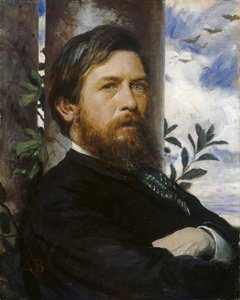
1827–1901, Ελβετία
Άρνολντ Μπέκλιν
Η Σκιά του Νησιού Η Βασιλεία της Ελβετίας αποτελεί το σημείο εκκίνησης για μια ζωή που χαρακτηρίστηκε από την ένταση μεταξύ του υφ tangible και του φαντασματικού. Γεννημένος στις 16 Οκτωβρίου του 1827 από τον Christian Frederick Böcklin και την Ursula Lippe, ο νεαρός καλλιτέχνης θα κινηθεί τελικά πέρα από το εμπόριο ηλίου του πατέρα του, για να εισέλθει στους αυστηρούς διαδρόμους της Ακαδημίας του Ντίσσελντορφ. Υπό την καθοδήγηση του Schirmer, άρχισε να απορροφά τη γλώσσα του τοπίου, μια δεξιότητα που θα χρησιμοποιηθεί αργότερα για να χαρτογραφήσει τη γεωγραφία της ανθρώπινης ψυχής. Δεν αποδίδεσε απλώς το τοπίο· δημιούργησε κόσμους όπου το κλασικό και το μακάβρο συγκρούονται.
Σχετικά με τον Άρνολντ Μπέκλιν Σημαντικά έργα του Άρνολντ Μπέκλιν
Εργασίες του Άρνολντ Μπέκλιν
 Το νησί των νεκρών (Πρώτη Έκδοση)1880
 Αυτοσυσκεπτό, με τον θάνατο να παίζει βιολί
 Arnold Böcklin1896
 Νησί των Νεκρών (Έκδοση 5)1886

Μελέτες γύρω από το Spring Evening
 French artworks of the 1880sFrench Impressionist masterpieces by Claude Monet, Pierre-Auguste Renoir, and Georges Seurat. Find museum-quality reproductions on Original…
 Symphony of Sunlight: The Luminous Legacy of Pine Tree Landscapes in Art HistoryExplore the luminous history of pine landscapes through Sorolla and Shishkin. Discover the magic of forest art today.
 En Plein Air Serenity: Exploring the Luminous Beauty of Impressionist Garden ArtExplore the luminous history of Impressionist garden art through Monet and Van Gogh. Discover the magic of plein air painting today.