

 Προεπισκόπηση
 Αποστολή
 Κοινοποίηση
 Λεπτομέρειες
 Οδηγός

 Λήψη
Λήψη
 Παρόμοια αντικείμενα συλλογής
 Ακτινογραφία
 Παρουσίαση
 Στατιστικά
Shield with Gorgon


 Περισσότερα λεπτομέρεια
Χειροποίητη Αναπαραγωγή σε Έλαιο
Χειροποίητη ελαιογραφία σε καμβά στο δικό σας μέγεθος και πλαίσιο, κατά παραγγελία από τους καλλιτέχνες μας. ( Μετάβαση σε Εκτυπώσεις Μετάβαση σε Ψηφιακή Εικόνα)




P118B €10

P118H €10

P118W €10

P438Z €10

P508JH €12

P508YH €12

P805H €10

P805Z €10

P919BZ €10

P919G €10

P919XJ €10

P959ZH €10

P968JZ €12

W106C €8

W218G €10

W218JH €8

W218Y €10

W307PJ €10

W316G €10

W316PJ €8

W316Y €10

W398PJ €8

W4111J €10

W500HY €15

W500JH €15

W692G €12

W849H €8

W940BG €15

W953PJ €8




Επιλέξτε από τις προκαθορισμένες διαστάσεις μας που διατηρούν τις αρχικές αναλογίες του έργου τέχνης.

Πληκτρολογήστε το πλάτος και το ύψος που επιθυμείτε, ώστε να ταιριάζουν στο κάδሮ ή στον τοίχο σας. Ε เนื่องจาก πρόκειται για χειροποίητη ζωγραφική, σε περίπτωση διαστάσεων με διαφορετικό σχήμα, ο καλλιτέχνης μπορεί να ζωγραφίσει λίγο παραπάνω γύρω από το έργο ή να αφαιρέσει ένα μέρος — η επιλογή είναι δική σας. Σας στέλνουμε ένα ψηφιακό mockup για έγκριση πριν ξεκινήσει η δημιουργία του έργου. Η εικόνα που εμφανίζεται σε αυτή τη σελίδα δεν δείχνει το τελικό αποτέλεσμα — μόνο το mockup το αναδεικνύει.
Μετά την παραγγελία, η ομάδα του OriginalUniqueArt.com θα στείλει email στον πελάτη με οδηγίες και θα παρέχει μια προεπισκόπηση προσχεδίου
Παγκόσμια Αποστολή () σε 3-4 εβδομάδες αντί για τις συνήθεις 5 εβδομάδες. (22 Οκτώβριος). Χωρίς συμβιβασμούς στην ποιότητα.

Δωρεάν γρήγορη διεθνής αποστολή

Κάμβας από Λινό Υψηλής Ποιότητας

Πλήρης ασφάλιση μεταφοράς

Εγγύηση επιστροφής δασμών και φόρων εισαγωγής

Εγγύηση Απόλυτης Ομοιότητας Χρωμάτων

Πολιτική Επιστροφής 100 Ημερών (Μόνο σε περίπτωση ελαττωμάτων)

Εγγύηση επιστροφής 100% των χρημάτων

Έκπτωση για πολλαπλές παραγγελίες
 Η επιλογή με γυαλί είναι διαθέσιμη μόνο για μεγέθη κάτω από 110 εκ.

Shield with Gorgon
Τεχνική Αναπαραγωγής
Διαστάσεις Αναπαραγωγής
-


Συνολικό Κόστος
€ 262
Shield with Gorgon – A Meditation on Mortality and Ancient Myth
The sculpture “Shield with Gorgon’s Head,” created by Arnold Böcklin in 1897, stands as a haunting testament to the artist's fascination with Greco-Roman mythology and his profound contemplation of death. Exhibited prominently at the Musée d’Orsay in Paris, this piece transcends mere representation; it invites viewers into a realm of psychological exploration where beauty intertwines with unsettling truths. Böcklin, deeply influenced by Nietzschean philosophy – specifically the concept of eternal recurrence – sought to capture not just an image but an experience, mirroring the cyclical nature of existence and confronting us with our inevitable demise.Style and Technique: Symbolist Precision
Böcklin’s style aligns perfectly with the tenets of Symbolism, a movement that rejected realism in favor of conveying emotions and ideas through suggestive imagery rather than literal depiction. Unlike Impressionists who aimed to capture fleeting moments of light and color, Böcklin meticulously crafted his sculpture using a technique rooted in meticulous observation and symbolic distillation. The artist employed a combination of modeling clay and bronze casting – a process demanding considerable skill and patience – to achieve an astonishing level of detail. Notice the subtle gradations of tone within the Gorgon’s head; these aren't merely aesthetic choices but deliberate efforts to convey texture and depth, mirroring the complexities of human emotion. The smooth surface contrasts sharply with the rough contours of the snake’s coils, creating a visual dialogue that underscores the sculpture’s thematic concerns.Historical Context: Nietzschean Echoes and Late Romantic Sentiment
Böcklin's artistic output flourished during the waning years of the Romantic era, a period characterized by an obsession with emotion, imagination, and the sublime—experiences perceived as exceeding human comprehension yet simultaneously elevating the soul. However, Böcklin’s vision extended beyond traditional Romantic tropes; he actively engaged with the burgeoning intellectual currents of his time, particularly Nietzsche's proclamation that “God is dead.” This existential crisis fueled Böcklin’s exploration of themes like nihilism and mortality—concepts central to both Nietzschean thought and Symbolist art. The sculpture reflects a broader cultural preoccupation with confronting death not as an end but as a transformative stage in the cosmic cycle, mirroring Nietzsche's assertion that life itself is an affirmation of eternal recurrence.Symbolism Unleashed: Gorgon’s Head – Terror and Transformation
The Gorgon Medusa represents more than just monstrous horror; she embodies the terrifying power of transformation—a concept inextricably linked to Böcklin’s Symbolist worldview. According to Greek mythology, Medusa possessed snakes for hair that turned anyone who gazed upon them into stone. This image served as a potent symbol of inescapable fate and the destructive force of repressed emotions. The sculptor skillfully captures this duality: the Gorgon's gaze exudes palpable terror, yet simultaneously hints at an underlying process of metamorphosis—a suggestion that confronting death can lead to profound spiritual renewal. Böcklin’s deliberate use of serpentine coils reinforces this symbolism, representing both constriction and liberation – mirroring the artist’s own preoccupation with reconciling beauty and darkness.Emotional Impact: A Confrontation With Eternity
Ultimately, “Shield with Gorgon’s Head” compels viewers to confront their own mortality—to grapple with the inescapable reality that life is finite yet perpetually reborn. The sculpture's unsettling stillness invites contemplation, prompting us to consider our place within the grand scheme of cosmic time. Böcklin doesn’t offer comfort or reassurance; instead, he presents a stark portrait of existence stripped bare – confronting us with the beauty and terror inherent in accepting death as an inevitable component of life’s eternal dance. It is precisely this unflinching gaze—this refusal to shy away from uncomfortable truths—that secures “Shield with Gorgon’s Head”'s enduring power as a masterpiece of Symbolist art and a timeless meditation on the human condition.Ερωτήσεις & Απαντήσεις
Ποια τοποθέτηση ταιριάζει με το σχήμα του "Shield with Gorgon" του Άρνολδος Μπόκλιν;
Το σχήμα Square του έργου "Shield with Gorgon" του Άρνολδος Μπόκλιν προτείνεται για έναν/μια Living Room. Το σχήμα και ο χώρος καθοδηγούν μαζί την τοποθέτηση μιας αναπαραγωγής.
Πώς συνδέεται το θέμα του "Shield with Gorgon" με τα συνηθισμένα θέματα του Άρνολδος Μπόκλιν;
Ανάμεσα στα καταγεγραμμένα θέματα του/της Άρνολδος Μπόκλιν - greek mythology, symbolism, death, mortality themes, romantic idealism vision, classical forms beauty, medieval gothic style - το "Shield with Gorgon" εστιάζει ιδιαίτερα στα mythology, gorgon, snake, sculpture, classical, death, symbolism, medieval.
Με τι είναι φτιαγμένο το "Shield with Gorgon";
Ο/Η Άρνολδος Μπόκλιν χρησιμοποίησε την τεχνική του/της Acrylic On Canvas για το έργο "Shield with Gorgon". Η τεχνική αυτή ορίζει τη υλική φύση του πρωτότυπου έργου.
Βιογραφικό Καλλιτέχνη
Early Life and Training
Arnold Böcklin, a figure of profound melancholy and haunting beauty, was born on October 16, 1827, in Basel, Switzerland – a city steeped in history and artistic tradition. His father, Christian Frederick Böcklin, descended from an old family rooted in the silk trade, while his mother, Ursula Lippe, hailed from the same city as well. From a young age, Arnold displayed a keen interest in art, enrolling at the Zeichenschule (drawing school) of Basel under the guidance of Ludwig Adam Kelterborn. This foundational training instilled in him a solid understanding of technique and composition. Four years later, in 1845, he pursued his artistic ambitions further by entering the Düsseldorf Academy, where he studied under the renowned German landscape painter Johann Wilhelm Schirmer. It was here that he forged a lasting friendship with Anselm Feuerbach, an encounter that profoundly shaped his artistic sensibilities. Böcklin’s time in Düsseldorf marked a crucial period of development, exposing him to the vibrant atmosphere of the school and fostering a deep appreciation for classical forms and dramatic narratives – influences that would later permeate his distinctive style.Artistic Career and Symbolism
Böcklin's artistic journey took him beyond the borders of Switzerland and Germany, leading him through cities brimming with cultural significance. He spent time in Paris, immersing himself in the works of the Louvre’s vast collection, absorbing the techniques and aesthetics of masters from across centuries. Rome, with its ancient ruins and evocative landscapes, became another pivotal location, profoundly influencing his artistic vision. Böcklin's work is characterized by a distinctive blend of allegorical and mythological themes, often set against backdrops of classical architecture – a deliberate choice that evoked a sense of timelessness and mystery. He frequently explored the darker aspects of human existence, particularly mortality and the ephemeral nature of life, imbuing his paintings with an atmosphere of profound sadness and contemplation. Notable early works include *Great Park*, which showcased ancient mythology in a dramatic and evocative manner, and *Nymph and Satyr* (1858) and *Sappho* (1859), both of which established his reputation for capturing the beauty and melancholy of classical narratives. A particularly poignant example of his unique style is *Portrait of Myself, with Death Playing the Violin* (1872), a haunting self-portrait that brilliantly encapsulates his preoccupation with mortality and the interplay between life and death.Influence and Legacy
Arnold Böcklin’s artistic legacy extends far beyond his own lifetime, profoundly influencing subsequent generations of artists. He is considered one of the key figures in the Symbolist movement, a reaction against the realism and naturalism that dominated much of 19th-century art. His work resonated deeply with younger artists seeking to express subjective emotions and explore the realm of dreams and mysticism. Hans Thoma, a prominent German painter and writer, was particularly inspired by Böcklin’s evocative imagery and haunting atmosphere. Furthermore, his paintings served as a significant source of inspiration for several late-Romantic composers, notably Sergey Rachmaninoff, whose symphonic poem *The Isle of the Dead* drew directly from Böcklin's iconic series of the same name. Clement Greenberg famously described Böcklin’s work as “one of the most consummate expressions” of its time, recognizing his ability to capture a profound sense of melancholy and mystery. Böcklin’s style overlapped with that of the Pre-Raphaelites, sharing their interest in romanticism, symbolism, and the exploration of themes related to death and beauty.Major Works and Collections
Arnold Böcklin is best remembered for his five versions of *The Isle of the Dead* (1880-1886), a series that remains one of the most iconic images in art history. The paintings depict a desolate island shrouded in mist, populated by spectral figures – a powerful evocation of mortality and the mysteries of the afterlife. These works were directly inspired by the English cemetery in Florence, where Böcklin’s daughter was buried, adding a deeply personal dimension to their symbolism. Beyond *The Isle of the Dead*, Böcklin created numerous other significant paintings, including *Pan in the Reeds* (1857), *Odysseus and Calypso* (1883), and *The Pest* (1898) – each a testament to his unique artistic vision. His works are now housed in several prestigious museums around the world, including:- Öffentliche Kunstsammlung (Basel, Switzerland)
- Kunstmuseum Basel (Switzerland)
- Museum Kunsthaus Zürich (Zürich, Switzerland)
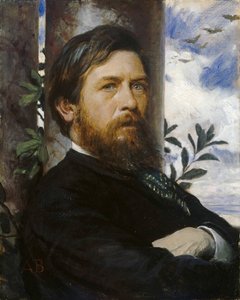
Άρνολδος Μπόκλιν
1827 - 1901 , Ελβετία
Στοιχεία καλλιτέχνη
- Artistic Movement Or Style: Συμβολισμός
- Artists Or Movements Influenced By This Artist:
- Hans Thoma
- Pre-Raphaelites
- Artists Who Influenced This Artist:
- Schirmer
- Feuerbach
- Date Of Birth: 16 Οκτ 1827
- Date Of Death: 16 Ιαν 1901
- Full Name: Arnold Böcklin
- Nationality: Ελβετός
- Notable Artworks:
- Το Νησί των Θανών
- Νύμφη και Σατύρος
- Σαπφώ
- Place Of Birth: Βασίλειο, Ελβετία
Σχετικά άρθρα

Theatricality & Triumph: Baroque Drama in Painting & Sculpture
Explore the dramatic world of Baroque art! Discover its history, defining characteristics, & lasting influence on painting & sculpture. Expert insights into Caravaggio, Zurbarán, and Bernini – plus high-quality reproductions at OriginalUniqueArt.

The Enduring Form: Exploring Themes & Techniques in Sculpture Across Historical Periods
Explore the rich history of sculpture from ancient masterpieces to contemporary innovations. Discover key techniques, influential artists & investment potential for discerning art collectors.

Οι 10 Κορυφαίοι Χάλκινοι Αγάλματα που Άλλαξαν την Ιστορία της Τέχνης | OriginalUniqueArt.gr
Ανακαλύψτε τα 10 θρυλικά χάλκινα αγάλματα που διαμόρφωσαν την τέχνη! Από τον Rodin στον Michelangelo, εξερευνήστε ιστορίες, τεχνικές & αισθητική. Βρείτε αντίγραφα υψηλής ποιότητας για το σπίτι σας στην OriginalUniqueArt.com.

The Enduring Form: Sculpture Across History, Technique & Emotional Resonance
Explore the rich history of sculpture with OriginalUniqueArt. Discover key techniques, influential artists & investment potential for discerning collectors. Expert insights into valuing and collecting timeless masterpieces.

Οι 10 Κορυφαίοι Χάλκινοι Θρύλοι που Άλλαξαν την Τέχνη – Έμπνευση για το Σπίτι σας
Ανακαλύψτε τα 10 θρυλικά χάλκινα γλυπτά που επαναπροσδιόρισαν την τέχνη! Ιστορίες από Rodin, Degas & άλλους μεγάλους καλλιτέχνες. Βρείτε αναπαραγωγές υψηλής ποιότητας για να εμπνεύσετε το σπίτι σας. Εξερευνήστε τη συλλογή στο OriginalUniqueArt.com.
