
 Προεπισκόπηση σε πραγματική κλίμακα
 Αποστολή
 Κοινοποίηση
 Λεπτομέρειες
 Οδηγός

 Λήψη
Λήψη
 Παρόμοια αντικείμενα συλλογής
 Ακτινογραφία
 Παρουσίαση
 Q&A
Q&A Στατιστικά
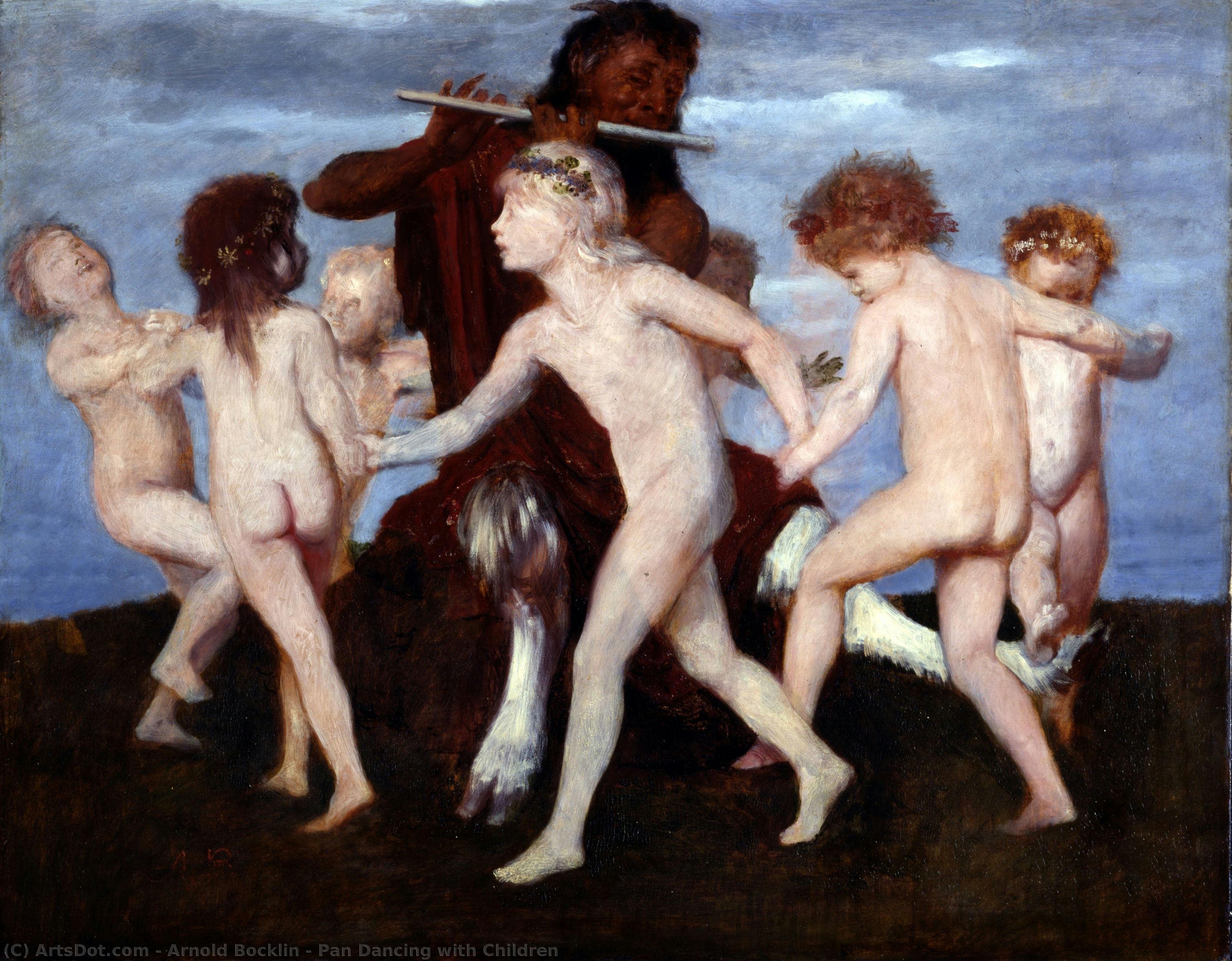
Pan Dancing with Children


 Περισσότερα
Giclée / Εκτυπώσεις Τέχνης
Εκτύπωση giclée ή σε καμβά ποιότητας μουσείου με γρήγορη παραγωγή και ευέλικτες επιλογές φινιρίσματος. ( Αγορά χειροποίητου πίνακα Μετάβαση σε Ψηφιακή Αποτέλεσμα)




P118B €10

P118H €10

P118W €10

P438Z €10

P508JH €12

P508YH €12

P805H €10

P805Z €10

P919BZ €10

P919G €10

P919XJ €10

P959ZH €10

P968JZ €12

W106C €8

W218G €10

W218JH €8

W218Y €10

W307PJ €10

W316G €10

W316PJ €8

W316Y €10

W398PJ €8

W4111J €10

W500HY €15

W500JH €15

W692G €12

W849H €8

W940BG €15

W953PJ €8




Επιλέξτε από τις προκαθορισμένες διαστάσεις μας που διατηρούν τις αρχικές αναλογίες του έργου τέχνης.

Εισάγετε το πλάτος και το ύψος που επιθυμείτε, ώστε να ταιριάζουν στο κάδሮ ή στον τοίχο σας. Μια εκτύπωση μπορεί μόνο να υποστεί κοψίμό και ποτέ να μην γίνει μεγαλύτερη από την αρχική εικόνα, επομένως η επιλογή μεγέθους με διαφορετικό σχήμα συνεπάγεται απώλεια ενός μέρους της εικόνας. Σας στέλνουμε ένα ψηφιακό mockup για έγκριση πριν προχωρήσουμε σε οποιαδήποτε εκτύπωση. Η εικόνα που εμφανίζεται σε αυτή τη σελίδα δεν δείχνει την πραγματική κοπή — μόνο το mockup την παρουσιάζει.
Παγκόσμια Αποστολή () σε 2 εβδομάδες αντί για τις συνήθεις 4/5 εβδομάδες. (31 Οκτώβριος)

Δωρεάν γρήγορη διεθνής αποστολή

Κάμβας από Λινό Υψηλής Ποιότητας

Πλήρης ασφάλιση μεταφοράς

Εγγύηση επιστροφής δασμών και φόρων εισαγωγής

Εγγύηση Απόλυτης Ομοιότητας Χρωμάτων

Πολιτική Επιστροφής 100 Ημερών (Μόνο σε περίπτωση ελαττωμάτων)

Εγγύηση επιστροφής 100% των χρημάτων

Προσφορά για πολλαπλές παραγγελίες
 Η επιλογή με γυαλί είναι διαθέσιμη μόνο για μεγέθη κάτω από 110 εκ.

Pan Dancing with Children
Giclée / Εκτυπώσεις Τέχνης
Διαστάσεις Αναπαραγωγής
-


Τελική Τιμή
€ 71
The Enigmatic Dance: Arnold Böcklin’s “Pan Dancing with Children”
Arnold Böcklin's "Pan Dancing with Children," painted around 1884, isn’t merely a depiction of a pastoral scene; it’s an immersion into a realm of mythic beauty and unsettling serenity. This captivating work, currently residing within the Museum Folkwang in Essen, Germany, transcends simple representation, offering instead a profound meditation on childhood innocence, primal connection to nature, and the lingering presence of ancient spirits. Böcklin, a key figure in the Symbolist movement, masterfully employed a muted palette—primarily ochres, browns, and deep greens—to create an atmosphere thick with twilight and dreamlike suggestion. The figures themselves are rendered with a remarkable degree of detail, yet possess an almost ethereal quality, as if caught between worlds.
The painting’s composition is deliberately ambiguous. A central group of nude children, seemingly unburdened by adult concerns, frolic around Pan, the god of the wild, shepherds, and flocks. They are engaged in a variety of activities: playing musical instruments crafted from branches, holding hands in playful circles, and gazing upwards with an expression that blends curiosity and contentment. The inclusion of putti—small winged infants—further enhances the sense of otherworldly grace and innocence. Notice how Böcklin subtly integrates elements of classical mythology – the flute Pan holds is a direct reference to the god’s traditional instrument – alongside the rustic setting, creating a harmonious blend of ancient lore and contemporary observation.
A Glimpse into Symbolist Aesthetics
Böcklin's work firmly establishes him as a pivotal figure in the Symbolist movement, which sought to evoke emotions and ideas rather than simply depict reality. Rejecting the naturalism prevalent in earlier art movements, Symbolists like Böcklin prioritized subjective experience and explored themes of death, memory, and the subconscious. “Pan Dancing with Children” exemplifies this approach through its evocative atmosphere and symbolic imagery. The painting’s muted colors, soft lighting, and dreamlike quality contribute to a sense of melancholy and longing—a feeling that resonates deeply within the viewer.
The choice of nudity is particularly significant. It isn't presented in a provocative manner but rather as an embodiment of primal innocence and connection to nature. The children’s vulnerability underscores their purity, while their joyful dance suggests a liberation from worldly concerns. Böcklin’s meticulous attention to detail—from the texture of the children’s skin to the delicate folds of their clothing—further emphasizes their tangible presence within the scene.
Technique and Materials: A Masterful Blend
While often categorized as a painting, “Pan Dancing with Children” incorporates elements of mixed media. Böcklin skillfully combined oil paints with photographic techniques, creating a unique visual texture that blends the immediacy of photography with the depth and richness of traditional painting. This hybrid approach allowed him to capture fleeting moments of light and shadow, imbuing the scene with an unparalleled sense of realism. The use of layering and glazing—applying thin washes of paint over previous layers—contributes to the work’s luminous quality and creates a subtle interplay of colors.
The artist's background in Düsseldorf, associated with the school known for its emphasis on realistic depiction, is evident in the meticulous rendering of the figures and their surroundings. However, Böcklin departs from traditional academic techniques by prioritizing atmosphere and emotional impact over precise representation. This deliberate shift reflects his commitment to Symbolist principles and his desire to create a work that transcends mere visual observation.
Symbolism and Interpretation: Echoes of Ancient Myths
Beyond its aesthetic qualities, “Pan Dancing with Children” is rich in symbolic meaning. Pan himself represents the untamed spirit of nature—a force both benevolent and potentially dangerous. The children’s dance can be interpreted as a celebration of life, joy, and connection to the natural world. However, there's also an undercurrent of melancholy—a sense that this idyllic scene is fleeting and destined to fade away. The painting subtly evokes themes of mortality and the cyclical nature of time.
The inclusion of ancient myths – Pan’s role as a shepherd god, the presence of putti – connects the work to a broader cultural heritage, suggesting a timeless resonance between humanity and the natural world. Böcklin's masterful use of symbolism invites viewers to engage in their own interpretations, creating a deeply personal and emotionally resonant experience. Reproductions of this iconic artwork continue to captivate audiences with its haunting beauty and profound sense of mystery.
Ερωτήσεις και Απαντήσεις
Είναι το έργο "Pan Dancing with Children" του Άρνολδος Μπόκλιν φωτεινό ή σκοτεινό;
Ως προς την αισθητή φωτεινότητα, το έργο "Pan Dancing with Children" του Άρνολδος Μπόκλιν είναι balanced.
Ποια θέση καταλαμβάνει το "Pan Dancing with Children" του Άρνολδος Μπόκλιν στην ιστορία της τέχνης;
Ιστορικά, το έργο "Pan Dancing with Children" αποτελεί ένα δείγμα της καλλιτεχνικής κατεύθυνσης Symbolist Painting της ευρύτερης εποχής 19th Century.
Ποια είναι η προτεινόμενη εκτύπωση για το "Pan Dancing with Children" - σε τι μέγεθος και σε ποια διάταση;
Μέγεθος Medium, διάταξη Landscape: αυτή είναι η προτεινόμενη ρύθμιση εκτύπωσης για το έργο "Pan Dancing with Children" του Άρνολδος Μπόκλιν.
Βιογραφικό Καλλιτέχνη
Early Life and Training
Arnold Böcklin, a figure of profound melancholy and haunting beauty, was born on October 16, 1827, in Basel, Switzerland – a city steeped in history and artistic tradition. His father, Christian Frederick Böcklin, descended from an old family rooted in the silk trade, while his mother, Ursula Lippe, hailed from the same city as well. From a young age, Arnold displayed a keen interest in art, enrolling at the Zeichenschule (drawing school) of Basel under the guidance of Ludwig Adam Kelterborn. This foundational training instilled in him a solid understanding of technique and composition. Four years later, in 1845, he pursued his artistic ambitions further by entering the Düsseldorf Academy, where he studied under the renowned German landscape painter Johann Wilhelm Schirmer. It was here that he forged a lasting friendship with Anselm Feuerbach, an encounter that profoundly shaped his artistic sensibilities. Böcklin’s time in Düsseldorf marked a crucial period of development, exposing him to the vibrant atmosphere of the school and fostering a deep appreciation for classical forms and dramatic narratives – influences that would later permeate his distinctive style.Artistic Career and Symbolism
Böcklin's artistic journey took him beyond the borders of Switzerland and Germany, leading him through cities brimming with cultural significance. He spent time in Paris, immersing himself in the works of the Louvre’s vast collection, absorbing the techniques and aesthetics of masters from across centuries. Rome, with its ancient ruins and evocative landscapes, became another pivotal location, profoundly influencing his artistic vision. Böcklin's work is characterized by a distinctive blend of allegorical and mythological themes, often set against backdrops of classical architecture – a deliberate choice that evoked a sense of timelessness and mystery. He frequently explored the darker aspects of human existence, particularly mortality and the ephemeral nature of life, imbuing his paintings with an atmosphere of profound sadness and contemplation. Notable early works include *Great Park*, which showcased ancient mythology in a dramatic and evocative manner, and *Nymph and Satyr* (1858) and *Sappho* (1859), both of which established his reputation for capturing the beauty and melancholy of classical narratives. A particularly poignant example of his unique style is *Portrait of Myself, with Death Playing the Violin* (1872), a haunting self-portrait that brilliantly encapsulates his preoccupation with mortality and the interplay between life and death.Influence and Legacy
Arnold Böcklin’s artistic legacy extends far beyond his own lifetime, profoundly influencing subsequent generations of artists. He is considered one of the key figures in the Symbolist movement, a reaction against the realism and naturalism that dominated much of 19th-century art. His work resonated deeply with younger artists seeking to express subjective emotions and explore the realm of dreams and mysticism. Hans Thoma, a prominent German painter and writer, was particularly inspired by Böcklin’s evocative imagery and haunting atmosphere. Furthermore, his paintings served as a significant source of inspiration for several late-Romantic composers, notably Sergey Rachmaninoff, whose symphonic poem *The Isle of the Dead* drew directly from Böcklin's iconic series of the same name. Clement Greenberg famously described Böcklin’s work as “one of the most consummate expressions” of its time, recognizing his ability to capture a profound sense of melancholy and mystery. Böcklin’s style overlapped with that of the Pre-Raphaelites, sharing their interest in romanticism, symbolism, and the exploration of themes related to death and beauty.Major Works and Collections
Arnold Böcklin is best remembered for his five versions of *The Isle of the Dead* (1880-1886), a series that remains one of the most iconic images in art history. The paintings depict a desolate island shrouded in mist, populated by spectral figures – a powerful evocation of mortality and the mysteries of the afterlife. These works were directly inspired by the English cemetery in Florence, where Böcklin’s daughter was buried, adding a deeply personal dimension to their symbolism. Beyond *The Isle of the Dead*, Böcklin created numerous other significant paintings, including *Pan in the Reeds* (1857), *Odysseus and Calypso* (1883), and *The Pest* (1898) – each a testament to his unique artistic vision. His works are now housed in several prestigious museums around the world, including:- Öffentliche Kunstsammlung (Basel, Switzerland)
- Kunstmuseum Basel (Switzerland)
- Museum Kunsthaus Zürich (Zürich, Switzerland)
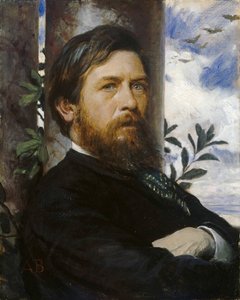
Άρνολδος Μπόκλιν
1827 - 1901 , Ελβετία
Γρήγορα στοιχεία
- Artistic Movement Or Style: Συμβολισμός
- Artists Or Movements Influenced By This Artist:
- Hans Thoma
- Pre-Raphaelites
- Artists Who Influenced This Artist:
- Schirmer
- Feuerbach
- Date Of Birth: 16 Οκτ 1827
- Date Of Death: 16 Ιαν 1901
- Full Name: Arnold Böcklin
- Nationality: Ελβετός
- Notable Artworks:
- Το Νησί των Θανών
- Νύμφη και Σατύρος
- Σαπφώ
- Place Of Birth: Βασίλειο, Ελβετία
Σχετικά άρθρα
Timeless Legends: A Curated Guide to the Eternal Allure of Mythological Masterpieces
Embark on a sophisticated journey through the eternal allure of mythological art. Discover how master painters breathe life into ancient legends, from Greek deities to Baroque masterpieces, and learn to curate these timeless narratives within your own exquisite art collection.
Echoes of Olympus: Mythological Narratives in Western Art Through the Ages
Explore the captivating history of mythological narratives in Western art! From ancient Greece to modern masterpieces, discover iconic artworks & symbolism. Expert analysis and high-quality reproductions at OriginalUniqueArt.
Sir Nathaniel Dance-Holland: Portraiture, Patronage & Georgian Identity
Explore the life & art of Sir Nathaniel Dance-Holland, a leading Georgian portraitist. Discover his masterful technique, influential patrons, and lasting impact on 18th-century British society. A guide for discerning collectors.
Move to the Beat: Bold & Iconic Dance Art to Electrify Your Space
Elevate your space with bold, iconic dance art. From street art vibes to Pop Art masterpieces, discover high-impact, hand-painted reproductions and custom commissions designed to move you. Transform your walls with the rhythm of contemporary culture.

Timeless Legends: The Eternal Allure of Mythological Figures in Masterpiece Art
Explore the profound beauty of mythological figures through the lens of art history. From Renaissance masterpieces to custom oil reproductions, discover how legendary tales of heroism and divinity are immortalized in fine art for discerning collectors.
