

 Δείτε σε πραγματικό χώρο
 Αποστολή
 Κοινοποίηση
 Λεπτομέρειες

 Λήψη
Λήψη
 Παρόμοια αντικείμενα συλλογής
 Ακτινογραφία
 Παρουσίαση
 Στατιστικά
Self-portrait


 Διαβάστε περισσότερα
Χειροποίητη Αναπαραγωγή σε Έλαιο
Χειροποίητη oil painting σε καμβά στο δικό σας μέγεθος και πλαίσιο, κατά παραγγελία από τους καλλιτέχνες μας. ( Μετάβαση σε Εκτυπωση Μετάβαση σε Ψηφιακή Εικόνα)




































Επιλέξτε από τις προκαθορισμένες διαστάσεις μας που διατηρούν τις αρχικές αναλογίες του έργου τέχνης.

Μπορείτε να ορίσετε δικές σας διαστάσεις ώστε το έργο να ταιριάζει σε ένα συγκεκριμένο πλαίσιο ή χώρο. Εάν το επιλεγμένο μέγεθος δεν συμπίπτει με τις αναλογίες της αρχικής εικόνας, θα περικοψούμε το έργο ή θα επεκτείνουμε τη ζωγραφιά με πρόσθετα χειρόγραφα στοιχεία. Ένα ψηφιακό προσχέδιο θα σας αποσταλεί για έγκριση πριν την έναρξη της παραγωγής.
Παρακαλούμε σημειώστε ότι η προεπισκόπηση στην οθόνη δεν αντικατοπτρίζει την πραγματική περικοπή ή επέκταση. Μόνο το προσχέδιο θα δείξει με ακρίβεια την τελική σύνθεση.
Παρόλο που είναι διαθέσιμα προσαρμοσμένα μεγέθη, συνιστούμε να επιλέξετε μια διάσταση από τη λίστα των προκαθορισμένων μεγεθών για τη διατήρηση των αρχικών αναλογιών.
Μετά την παραγγελία, η ομάδα του OriginalUniqueArt.com θα στείλει email στον πελάτη με οδηγίες και θα παρέχει μια προεπισκόπηση προσχεδίου
Παγκόσμια Αποστολή () σε 3-4 εβδομάδες αντί για τις συνήθεις 5 εβδομάδες. (17 Σεπτέμβριος). Χωρίς συμβιβασμούς στην ποιότητα.

Δωρεάν γρήγορη διεθνής αποστολή

Κάμβας από Λινό Υψηλής Ποιότητας

Πλήρης ασφάλιση μεταφοράς

Εγγύηση Επιστροφής Δασμών και Φόρων

Εγγύηση Απόλυτης Ομοιότητας Χρωμάτων

Πολιτική Επιστροφής 100 Ημερών (Μόνο σε περίπτωση ελαττωμάτων)

Εγγύηση επιστροφής 100% των χρημάτων

Προσφορά για μαζικές παραγγελίες
 Η επιλογή με γυαλί είναι διαθέσιμη μόνο για μεγέθη κάτω από 110 εκ.

Self-portrait
Μέσο Αναπαραγωγής
Διαστάσεις Αναπαραγωγής
-


Συνολική Τιμή
$ 300
Βιογραφία Καλλιτέχνη
Aristarkh Lentulov: A Pioneer of Russian Modernism
Aristarkh Vasilyevich Lentulov, born in 1882 in a small village near Penza, Russia, was not merely a painter; he was a vital architect of the Russian avant-garde. His life’s work represents a fascinating confluence of influences – from traditional folk art and religious iconography to the radical experimentation of Cubism and Futurism – resulting in a uniquely vibrant and emotionally charged style that continues to captivate viewers today. Lentulov's journey, marked by both artistic breakthroughs and periods of political alignment, offers a compelling glimpse into the turbulent era of early 20th-century Russia.
Early influences shaped Lentulov’s formative years. Initially drawn to realism, he honed his skills at various art schools in Penza, Kiev, and St. Petersburg, absorbing techniques from masters like Ilya Repin and Dmitry Kardovsky. However, it was his encounter with the Parisian avant-garde in 1911 that proved transformative. Immersed in the circles of Cubists such as Robert Delaunay, he embraced fragmentation, geometric abstraction, and a bold use of color – elements that would become cornerstones of his distinctive style. This period wasn’t simply an imitation of Western trends; Lentulov skillfully integrated these influences with his own deeply rooted Russian sensibility.
The Jack of Diamonds and the Rise of Cubo-Futurism
Lentulov's artistic trajectory gained momentum through his involvement in the “Jack of Diamonds” group, a notoriously rebellious collective that emerged in Moscow during 1910. This association was far more than just a social circle; it represented a deliberate challenge to established artistic norms and a fervent embrace of innovation. The Jack of Diamonds, known for their provocative exhibitions and outspoken critiques, sought to shock the public and force a re-evaluation of art’s role in society. Lentulov's participation solidified his position within this dynamic movement, pushing him towards increasingly experimental forms.
His work during this period – exemplified by paintings like “Moscow” (1916) and “Church. New Jerusalem” (1917) – is characterized by a remarkable dynamism. Planes are fractured and reassembled, colors clash and harmonize in unexpected ways, and the familiar world is rendered with an almost hallucinatory intensity. Lentulov’s use of color wasn't merely decorative; it conveyed emotion, energy, and a sense of underlying chaos. He drew inspiration from Russian folklore, incorporating elements of traditional patterns and imagery into his abstract compositions, creating a visual language that was both modern and deeply rooted in the nation’s cultural heritage.
From Cubo-Futurism to Social Realism
Following the 1917 Revolution, Lentulov navigated the shifting political landscape of Soviet Russia. While initially aligned with the avant-garde, he gradually adapted his style to align with the prevailing artistic directives. He continued to work as a stage designer for prominent theaters, contributing significantly to the visual identity of numerous productions. This period saw a shift towards more tonal and representational works, often depicting landscapes and portraits imbued with a sense of warmth and vitality.
Despite these changes, Lentulov never abandoned his core artistic principles. His paintings from the 1920s and 30s – such as “Dawn at Volga” (1928) and “Sun over the Roofs. Sunrise” (1928) – retain a remarkable energy and emotional depth. He continued to experiment with color and composition, exploring themes of everyday life and the beauty of the Russian countryside. His later work, particularly his stage designs for productions like "Spanish Priest" (1934), demonstrated his enduring creativity and versatility.
Legacy and Significance
Aristarkh Lentulov’s legacy extends far beyond his individual works. He was a pivotal figure in the development of Russian modernism, bridging the gap between European avant-garde movements and the unique cultural traditions of Russia. His innovative use of color, fragmented forms, and symbolic imagery profoundly influenced generations of artists. Lentulov's art serves as a testament to the power of artistic experimentation and the enduring spirit of creativity in the face of political and social upheaval. He remains an important voice in Russian art history, celebrated for his bold vision and unwavering commitment to pushing the boundaries of artistic expression.

aristarkh vasilevich lentulov
1882 - 1943
Γρήγορα στοιχεία
- Artistic Movement Or Style:
- Cubism
- Cubo-Futurism
- Orphism
- Fauvism
- Artists Or Movements Influenced By This Artist:
- Wassily Kandinsky
- Kazimir Malevich
- Artists Who Influenced This Artist:
- Robert Delaunay
- Henri Le Fauconnier
- J. Metzenge
- Dmitry Kardovsky
- Date Of Birth: January 16, 1882
- Date Of Death: April 15, 1943
- Full Name: Aristarkh Vasilyevich Lentulov
- Nationality: Russian
- Notable Artworks:
- Moscow
- Portrait of N. Svendonskaya
- Street, Moscow
- Churches, New Jerusalem
- Place Of Birth: Penza Oblast, Russia
Σχετικά άρθρα
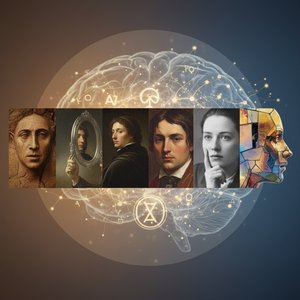
Reflecting the Self: A History of Portraiture & Psychological Insight
Explore the fascinating history of self-portraiture from Renaissance masters like Dürer & Rembrandt to modern interpretations. Discover the psychological insights and artistic techniques behind these iconic works. Expert analysis for art enthusiasts.

Zinaida Serebriakova: A Pioneer of Russian Modernism & Embodiment of Female Experience
Explore the life & art of Zinaida Serebriakova, a pioneering Russian Modernist painter. Discover her intimate scenes, striking self-portraits, and lasting impact on 20th-century art. A deep dive into her world.

Ivan Bilibin: A Synthesis of Folklore, Modernism & National Identity in Russian Illustration
Explore the enchanting world of Ivan Bilibin, a master Russian illustrator who synthesized folklore, Art Nouveau & national identity. Discover his iconic fairy tale illustrations and legacy with OriginalUniqueArt.

Vladimir Makovsky: Realism, Social Commentary & Russian Life in Late 19th-Century Painting
Explore the captivating world of Vladimir Makovsky, a leading Russian realist painter. Discover his insightful depictions of 19th-century life, social commentary & legacy with OriginalUniqueArt.

Victor Vasnetsov: Myth, Nationalism & the Revival of Russian Fairy Tale Painting
Explore the captivating world of Victor Vasnetsov, a co-founder of Russian folklorist painting. Discover his iconic works, influence on national identity, and lasting legacy in this expert guide.